
India’s exit from COP33 race opens door for S Korea in Asia-Pacific rotation
With New Delhi withdrawing its 2028 bid, Seoul is back in focus as the region looks for a host for the UN climate summit after Türkiye in 2026 and Ethiopia in 2027.

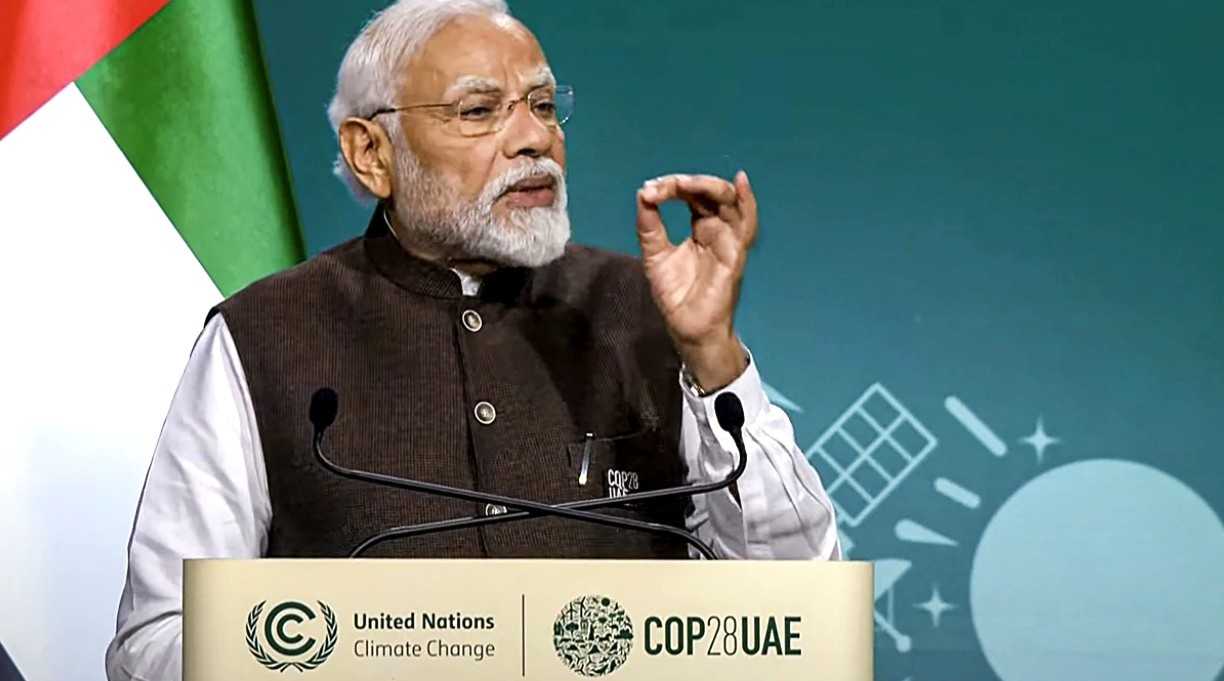
New Delhi, India: India’s decision to withdraw its candidacy to host COP33 in 2028 has reshaped the contest within the Asia-Pacific Group, potentially pushing South Korea to the front of the queue for the high-profile United Nations climate summit. Under the UNFCCC’s regional rotation principle, COP33 is to be hosted by a country from the Asia-Pacific group, and India’s exit has now created a fresh opening in that race.
The move marks a significant shift in India’s climate diplomacy. Prime Minister Narendra Modi had earlier signalled India’s interest in hosting the summit, but officials have now confirmed that New Delhi has communicated its withdrawal from the 2028 race.
Reuters reported that the decision was conveyed earlier this month, although no official public reason has yet been announced by the Indian government or the UN climate secretariat.
India’s withdrawal leaves COP33 without a confirmed host for now, even as the calendars for the next two climate summits are already set. The UN climate process has confirmed that COP31 will be held in Antalya, Türkiye, from November 9 to 20, 2026, while COP32 will take place in Addis Ababa, Ethiopia, from November 8 to 19, 2027.
In this changed landscape, South Korea is emerging once again as a serious possibility. Reports indicate that President Lee Jae-myung had earlier expressed support for bringing COP33 to South Korea, while Jeollanam-do province, with Yeosu as a proposed venue, has also actively campaigned for the summit.
At the same time, available reporting suggests Seoul has not yet lodged a formal national bid, meaning the picture remains open even as expectations grow that South Korea could become the Asia-Pacific Group’s most viable option.
For the Asia-Pacific region, the stakes are considerable. Hosting a COP summit brings not only diplomatic prestige but also an opportunity to shape the tone of global climate negotiations at a time when pressure is mounting on governments to turn pledges into measurable action. With Türkiye and Ethiopia already preparing to host the next two conferences, the focus will now shift to whether South Korea formally steps forward to fill the vacuum left by India.
The uncertainty around COP33 also underlines how climate summits have become increasingly tied to broader geopolitics, domestic priorities and regional influence. India’s withdrawal may be seen as a lost opportunity for one of the world’s largest developing economies to showcase its climate leadership on home soil. But for South Korea, if it chooses to convert earlier interest into an official bid, the moment could offer an opening to raise its global climate profile in 2028.