

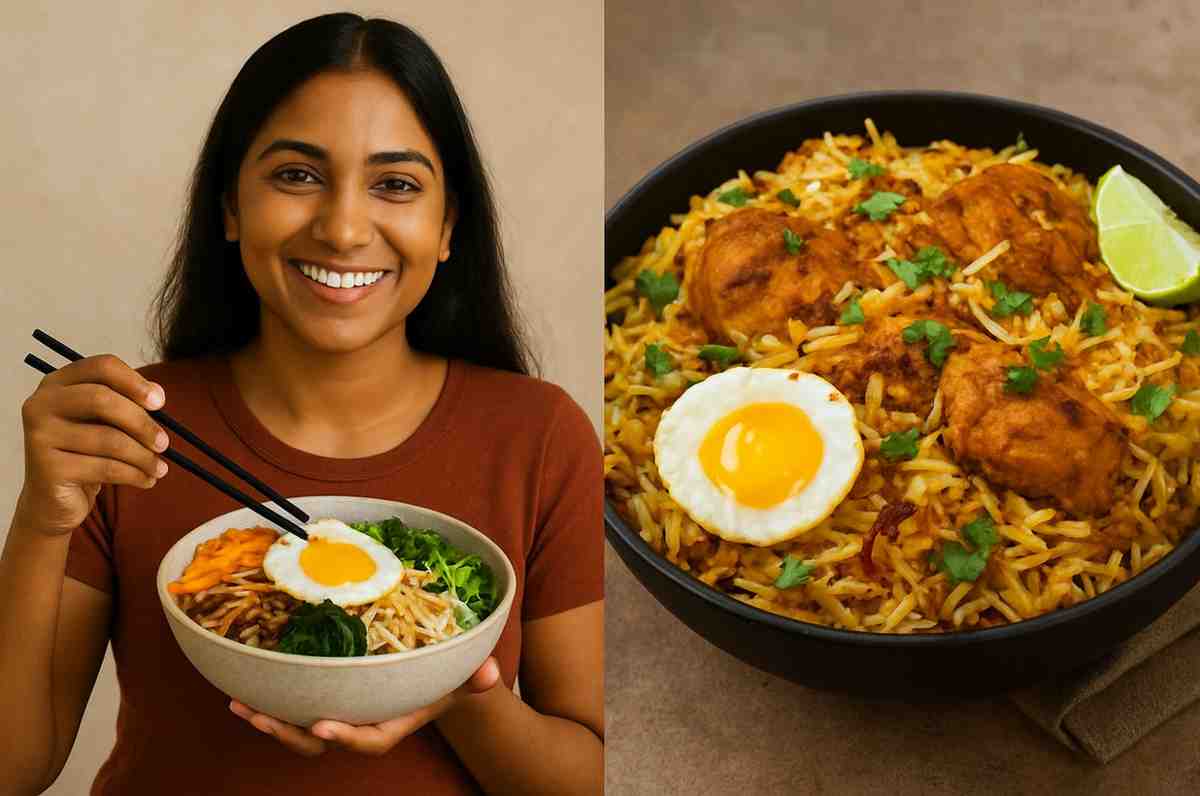
New Delhi, India, August 7, 2025 — In recent years, Korean cuisine has made a delicious entry into the Indian food scene, capturing the imagination—and taste buds—of adventurous eaters across the country. What started as a niche interest among fans of K-dramas and K-pop has now grown into a full-blown culinary trend. From traditional rice bowls to sizzling barbecue, Korean dishes are gaining ground in India, and they’re finding unexpected harmony with Indian flavors.
One of the most popular dishes among Indians exploring Korean food is bibimbap—a colorful rice bowl layered with sautéed vegetables, gochujang (red chili paste), and a fried egg or meat topping. Its visual appeal and wholesome ingredients immediately strike a chord with Indian eaters who are used to complex, spice-laden meals like biryani and pulao. Bibimbap’s balance of textures and the ability to customize it with vegetarian or non-vegetarian toppings make it especially inviting.
Another hit is kimchi, Korea’s iconic fermented cabbage. Although it has a pungent flavor that may feel strong at first, many Indians find its spicy and tangy notes quite familiar. After all, India has its own tradition of fermented foods, pickles, and spicy accompaniments. Kimchi, once considered exotic, is now being served in fusion dishes like kimchi paratha, kimchi dosa, and even kimchi fried rice at Indian cafés and bistros.
Korean ramyeon (instant noodles) have also taken off in India, especially among the youth. Known for their bold flavors, chewy texture, and comforting warmth, they fit seamlessly into India’s love for quick, spicy snacks like Maggi or masala noodles. Brands offering Korean ramen in flavors like spicy chicken or seafood have become pantry staples for students and working professionals alike.
Perhaps the most exciting cross-cultural food experience comes with Korean fried chicken. Coated in a thin, crisp batter and glazed in sweet-spicy sauces, Korean fried chicken offers a fresh twist on the Indian favorite. While Indians love their tandoori and spicy chicken wings, the addictive crunch and flavor-packed bite of Korean-style chicken has become a welcome alternative in many urban food hubs.
Indian vegetarians, too, are finding joy in dishes like tteokbokki—chewy rice cakes in a spicy-sweet red sauce. Though traditionally non-vegetarian broths are used, many Indian adaptations replace them with veg stock, making it more inclusive. The chewy texture and bold sauce draw comparisons to Indian chaats, especially for those who enjoy tangy, spicy treats.
Interestingly, Korean barbecue restaurants are springing up in cities like Delhi, Mumbai, Bengaluru, and Hyderabad. While the grill-at-the-table concept is relatively new in India, the communal style of eating, where diners cook their own meats and wrap them in lettuce with sauces, resonates with Indian hospitality and the culture of shared meals. It brings a novelty factor that food-loving Indians embrace with curiosity and enthusiasm.
Fusion creations are also emerging, combining Korean ingredients with Indian cooking. Kimchi biryani, gochujang butter naan, and bulgogi paneer rolls are just a few examples where chefs are blending the best of both worlds. These mashups work because both cuisines are bold, flavorful, and celebrate the joy of spices.
In many ways, Indian palates are naturally receptive to Korean food. Both cuisines value hearty meals, fermented sides, and a balance of spice, umami, and freshness. While not every Indian will enjoy raw seafood or subtle broths, the dishes that strike a balance between punchy flavors and comfort are fast becoming favorites.
From bibimbap to biryani, the culinary journey between Korea and India is no longer a one-way street. It’s a fusion of taste, texture, and culture. As Indian food lovers continue to explore global cuisines, Korean dishes offer a unique mix of familiarity and adventure—making them more than just a trend, but a growing part of the Indian food story.