
Amity Schools Deepen Indo-Japanese Ties Through First Japanese Immersion Cultural Camp
Over 100 students from Amity branches explore Japanese traditions, arts, cuisine, and cultural values during a two-day immersive learning experience organized in collaboration with the Japan Foundation.

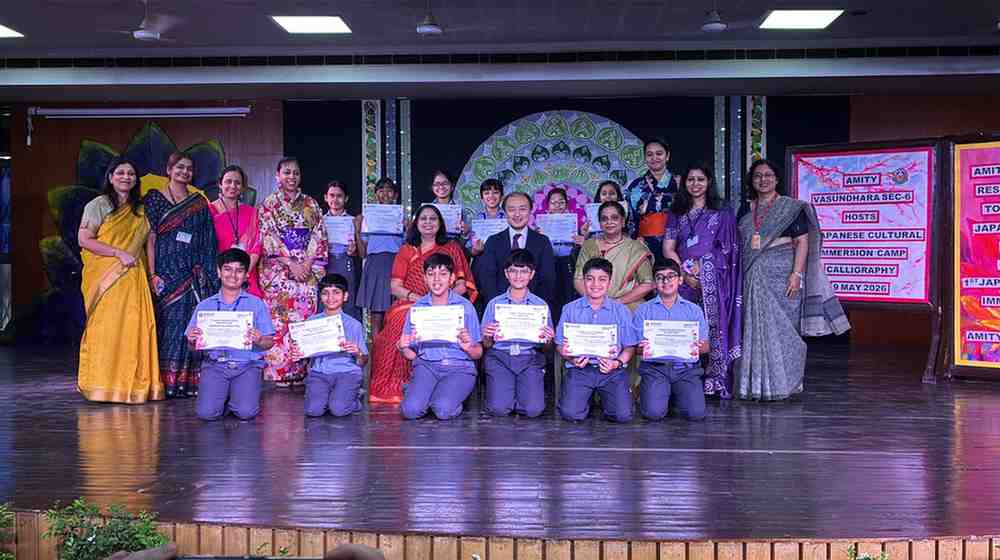
New Delhi: The Amity Educational Resource Centre in collaboration with Amity International School, Sector-6 Vasundhara successfully organized the 1st Japanese Immersion Cultural Camp, offering students a vibrant platform to experience the traditions and cultural heritage of Japan. The two-day programme was conducted under the visionary leadership and mentorship of Dr. (Mrs.) Amita Chauhan with the objective of fostering global citizenship and strengthening Indo-Japanese cultural understanding among young learners.
The camp witnessed enthusiastic participation from more than 100 students of Grades VI to VIII from various Amity branches. Inspired by the philosophy of “Vasudhaiva Kutumbakam” — “The World is One Family” — the initiative aimed to provide students with an immersive introduction to Japanese culture, values, art, and traditions through interactive and experiential learning activities.
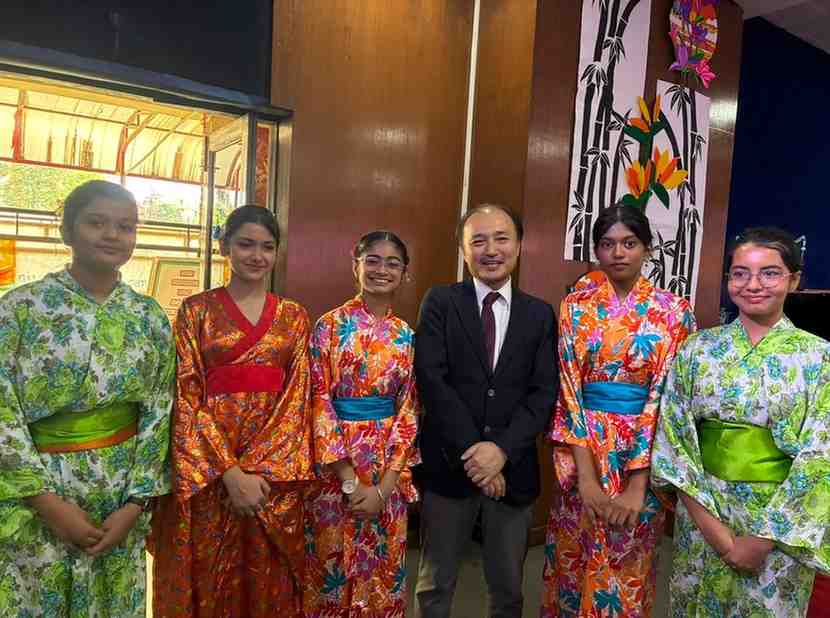 The event was graced by Chief Guest Koji Sato, who appreciated Amity’s efforts in promoting cross-cultural understanding and reaffirmed the commitment of the Japan Foundation towards nurturing long-term educational and cultural partnerships with Amity Schools.
Students were divided into four teams named after the Japanese seasons — Aki, Fuyu, Natsu, and Haru — creating an atmosphere of teamwork and cultural enthusiasm. The programme commenced with the ceremonial lighting of the lamp followed by an overview of the activities planned for the camp.
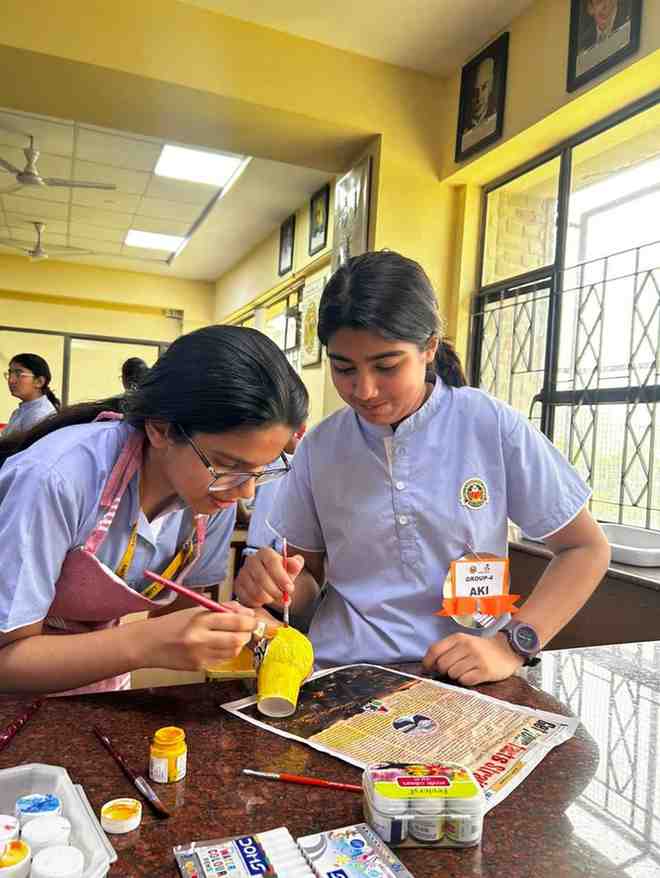 Speaking on the occasion, Sunila Athley said that students actively participated in experiential workshops such as Origami, Shodo (traditional Japanese calligraphy), Daruma doll painting, Kirigami, and Japanese fan-making. Guided by experts and resource persons from the Japan Foundation, the students gained firsthand exposure to Japanese aesthetics, mindfulness, discipline, and artistic precision.
One of the major highlights of the camp was the opportunity for students to dress in traditional Yukatas and Kimonos while learning about their historical and cultural significance. The ceremonial Tea Ceremony, known as “Chadou,” introduced participants to the meditative Japanese tradition of preparing and serving Matcha tea, emphasizing hospitality, etiquette, purity, and mindfulness.
The second day featured engaging culinary and craft sessions, including the preparation of traditional Japanese Onigiri (rice balls), where students explored authentic Japanese cooking techniques while showcasing their creativity.
Addressing the gathering, Jyoti Arora highlighted the vision of the Chairperson in nurturing globally aware students through meaningful international collaborations. She also expressed gratitude towards the Japan Foundation for supporting initiatives that strengthen Indo-Japanese friendship and cultural exchange.
The camp concluded with colourful cultural performances that captivated the audience. Highlights included the traditional Fishermen’s Dance from Hokkaido, Japanese musical performances by students dressed in floral kimonos, and a lively stage act featuring the popular Japanese character Doraemon. Certificates of participation were awarded to all students in recognition of their enthusiastic involvement and dedication throughout the camp.