S. Korea President Lee’s India Visit to Give Seoul-New Delhi Ties Industrial Teeth
A possible April-end visit by South Korean President Lee Jae Myung could turn a long-invoked Special Strategic Partnership into a more concrete alliance in shipbuilding, semiconductors, AI and clean energy.

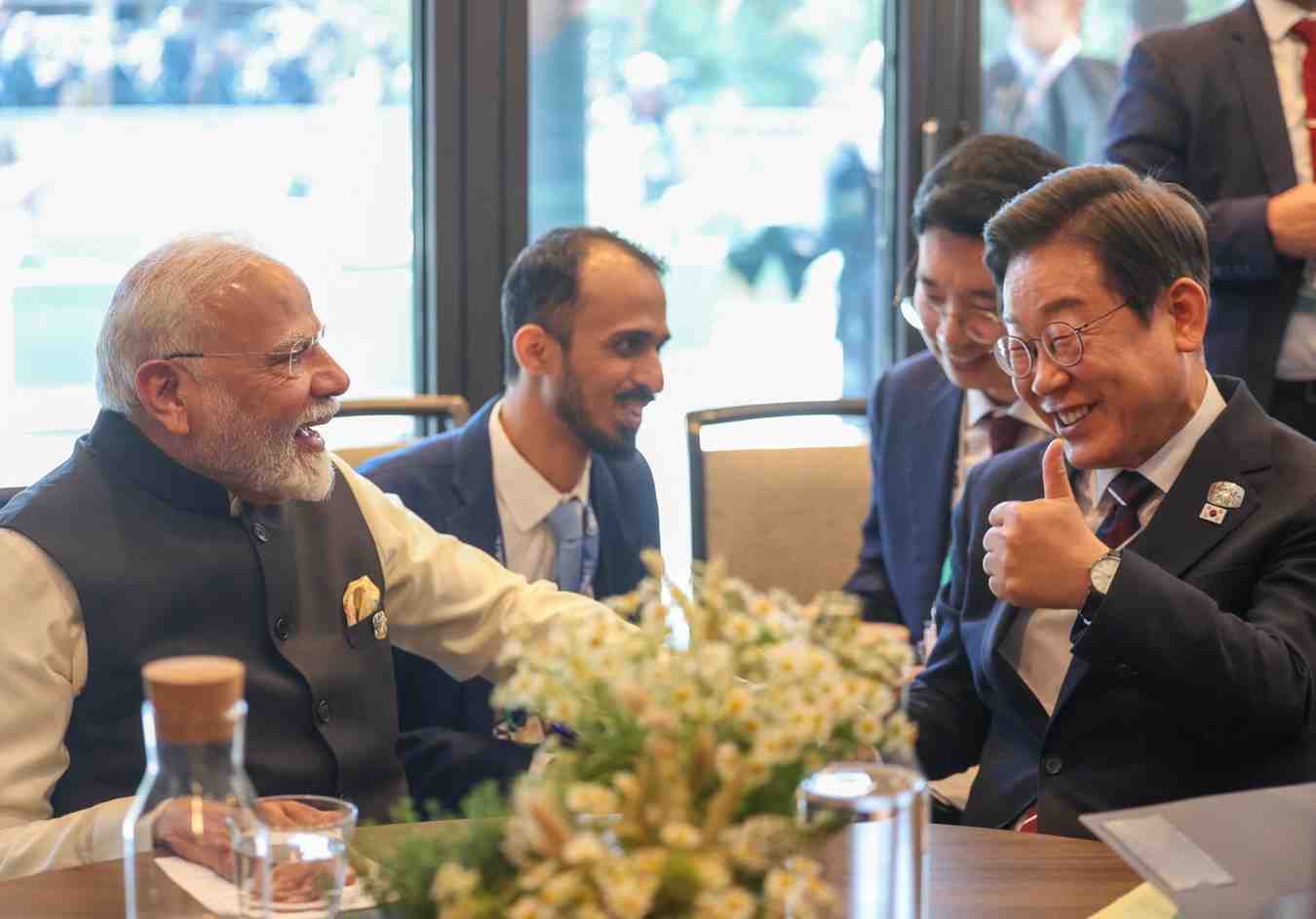
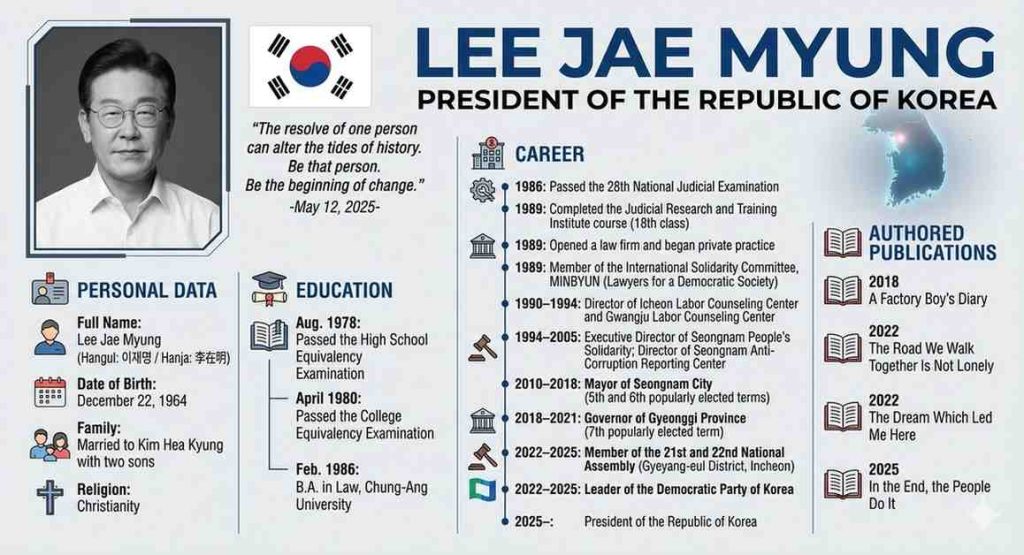
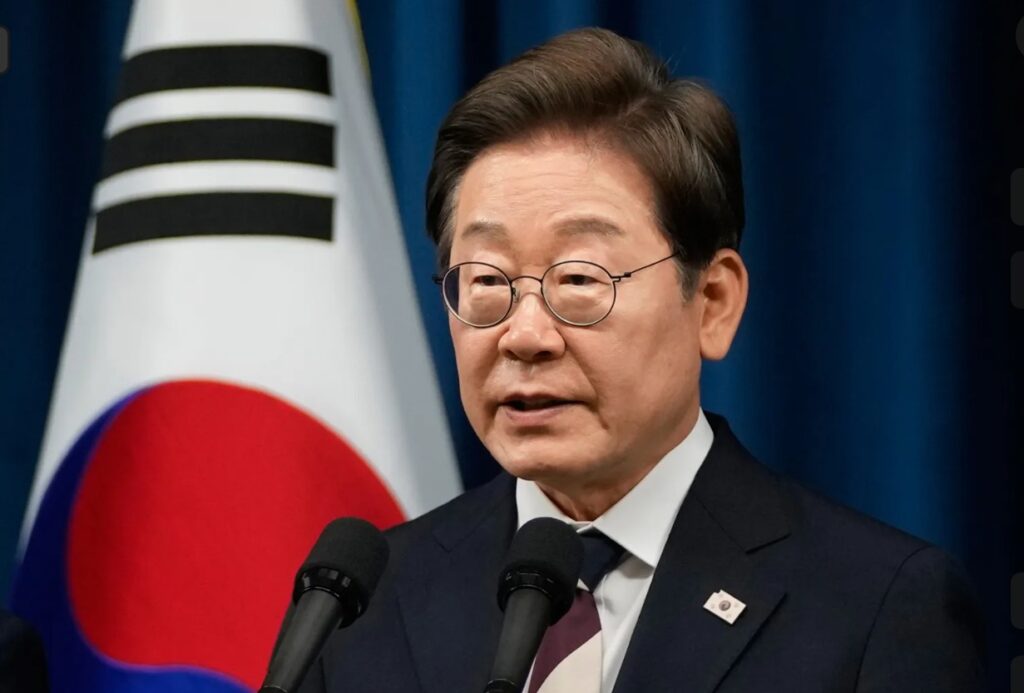
New Delhi, March 31, 2026: South Korean President Lee Jae Myung is expected to make a state visit to India at the end of April. Following recent diplomatic engagements with China and Japan, Seoul appears prepared to prioritise its relationship with India, described as a “Special Strategic Partnership”. The key question is whether this visit will translate years of positive dialogue into tangible industrial cooperation. Both Asian powerhouses are jointly committed to achieving USD 50 billion in bilateral trade by 2030.
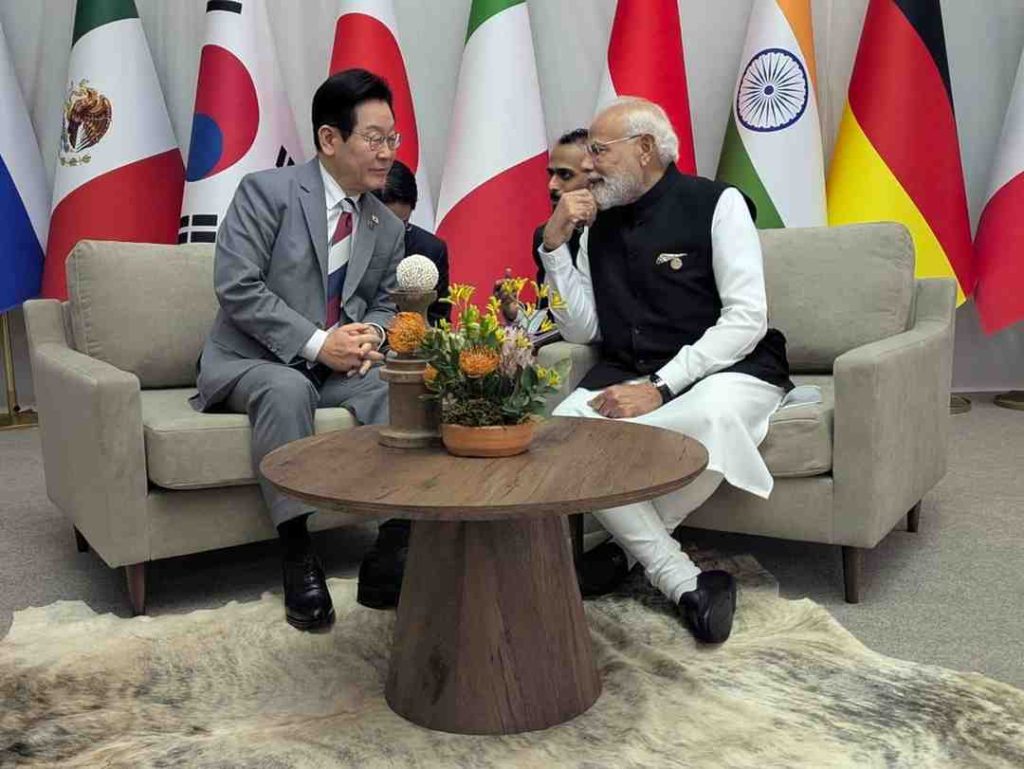
The timing is strategic. Lee began 2026 with a state visit to China in January, followed by summit talks in Japan, positioning Seoul strongly with two major Asian powers. A visit to India next would signal that Seoul views New Delhi not only as a political ally but also as a long-term partner in manufacturing, technology, and supply chains.
A strong foundation for high-level engagement already exists. Prime Minister Narendra Modi and President Lee have met twice since Lee took office: at the G7 Summit in Canada in June 2025 and the G20 Summit in South Africa in November 2025. According to India’s official notes, these meetings reaffirmed their commitment to deepen the Special Strategic Partnership and expand cooperation in trade, investment, and advanced technologies. A full bilateral visit would build on this momentum and seek more concrete outcomes.
 The primary focus of this visit is economic. India is positioning itself as the fastest-growing major economy, with official estimates of 7.4 per cent real GDP growth for FY26. South Korea seeks to diversify its supply chains and secure reliable production partners, while India offers scale, demand, and a commitment to industrial policy. In return, Korea provides advanced technology, manufacturing expertise, and experience in value chain advancement. This combination distinguishes their partnership.
Shipbuilding offers the most immediate potential for cooperation. India’s Union Budget 2025-26 proposed a ₹25,000 crore Maritime Development Fund, with the government contributing 49 per cent, and emphasised support for maritime clusters and easier financing. Maritime India Vision 2030 aims to place India among the top 10 global shipbuilders by 2030, while the Amrit Kaal vision targets a top-five position by 2047. This aligns with Korea’s shipbuilding strengths and provides India with opportunities for technology transfer, increased productivity, and accelerated development of higher-value vessels.
Shipbuilding is therefore more than a summit topic. In July 2025, HD Hyundai signed an MoU with Cochin Shipyard covering design, procurement, productivity, and workforce development. HD Hyundai later announced the agreement had expanded to include naval-vessel cooperation. These initial steps could gain political significance if leaders provide funding, faster approvals, and clear timelines.
Semiconductors represent another key area. India aims to move beyond chip assembly and develop deeper capabilities. The launch of India Semiconductor Mission 2.0 in February 2026 marked a new phase, focusing on equipment, materials, intellectual property, and supply-chain resilience. This aligns with Korea’s expertise in chips, displays, and related industries. Even a modest agreement on materials, equipment, skills, or R&D during Lee’s visit would be more meaningful than another general pledge of cooperation.
Artificial intelligence and clean energy are also expected to be on the agenda, as both governments have discussed collaboration on advanced technologies. Policymakers now view the partnership as encompassing semiconductors, defence, clean energy, and AI. While these are broad sectors, this approach enables targeted projects in data infrastructure, industrial AI, battery manufacturing, green hydrogen, and grid upgrades.
The main challenge for the upcoming visit is whether it can advance the relationship beyond previous disappointments. Despite longstanding political and business ties, the partnership has not reached its full potential. The term “Special Strategic Partnership” persists, but consistent industrial cooperation has been lacking. If Lee visits India, expectations will go beyond ceremonial gestures. Attention will centre on whether Seoul is prepared to invest capital, technology, and management, and whether New Delhi can provide the speed, clear policies, and support Korean companies require.
A visit by President Lee could therefore be more than a diplomatic event. It may become the moment when India-Korea ties are measured by actual progress in factories, shipyards, chip production, and energy projects, rather than by potential alone. If this shift occurs, the visit would mark the start of a stronger industrial partnership between two Asian democracies that have long awaited this opportunity.
ACN OPINION: The possible visit of President Lee to India could achieve even one more major milestone, in addition to talks about factories, shipyards, chip production, and energy projects. If talks are also centred on the Korean official development assistance (ODA) to India. The ODA has so far been a neglected element in the India-Korea bilateral relations, as India continues to depend heavily on Japan. India is the largest recipient of Japanese ODA globally, but it has not shown much interest in Korean ODA so far, despite the presence of KOICA and the Industrial Bank of Korea in New Delhi. Their efforts to push the Indian government to secure ODA from Korea have not yet yielded the desired results. If this breakthrough is achieved during the upcoming President’s visit to India, it might emerge as a turning point in bilateral cooperation between the two nations, and achieving the gigantic task of USD 50 billion in bilateral trade figures by 2030 would also seem possible.