
Suzuki sharpens India micro e-mobility push, positions SMILE Lab as launchpad for a new business pillar
From Gandhinagar, Suzuki R&D Center India is building a co-creation ecosystem with iACE, startups and MSMEs around its VmeM platform as the Japanese automaker links the India initiative to its longer-term goal of making new mobility businesses a pillar alongside its core operations by 2040.

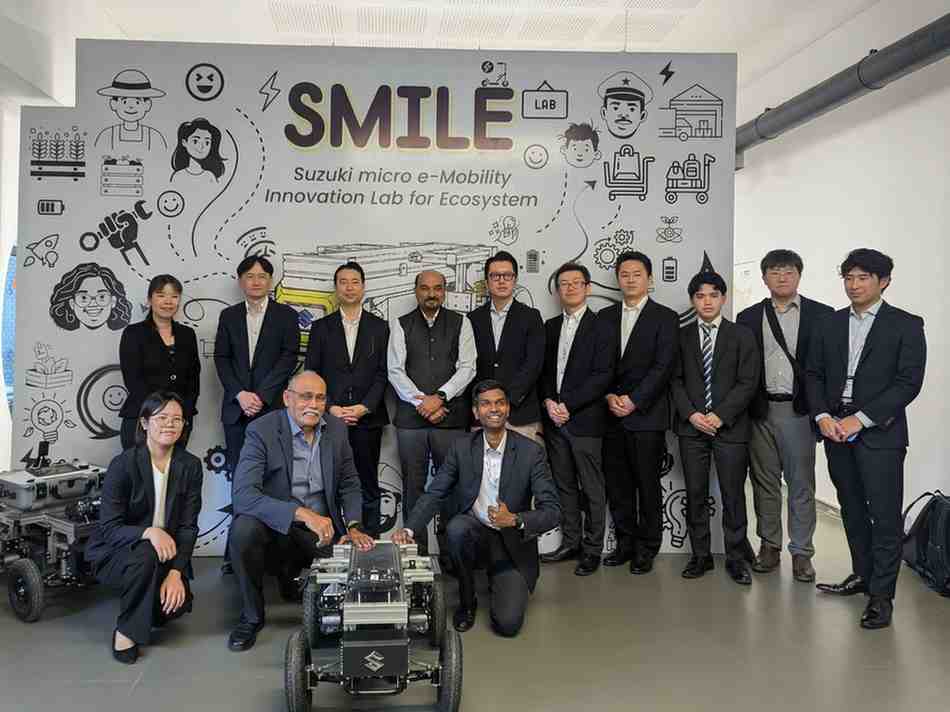
New Delhi: Taking the concept of Yaramaika (やらまいか ) forward, Suzuki R&D Center India Private Limited (SRDI) is deepening its India play in electric micro-mobility, positioning its recently launched Suzuki e-Micromobility Innovation Lab for Ecosystem, or SMILE, in Gandhinagar as a co-creation base for building what it sees as an entirely new business pillar beyond its traditional strengths in cars, motorcycles and outboard motors. Yaramaika means: Let’s Try.
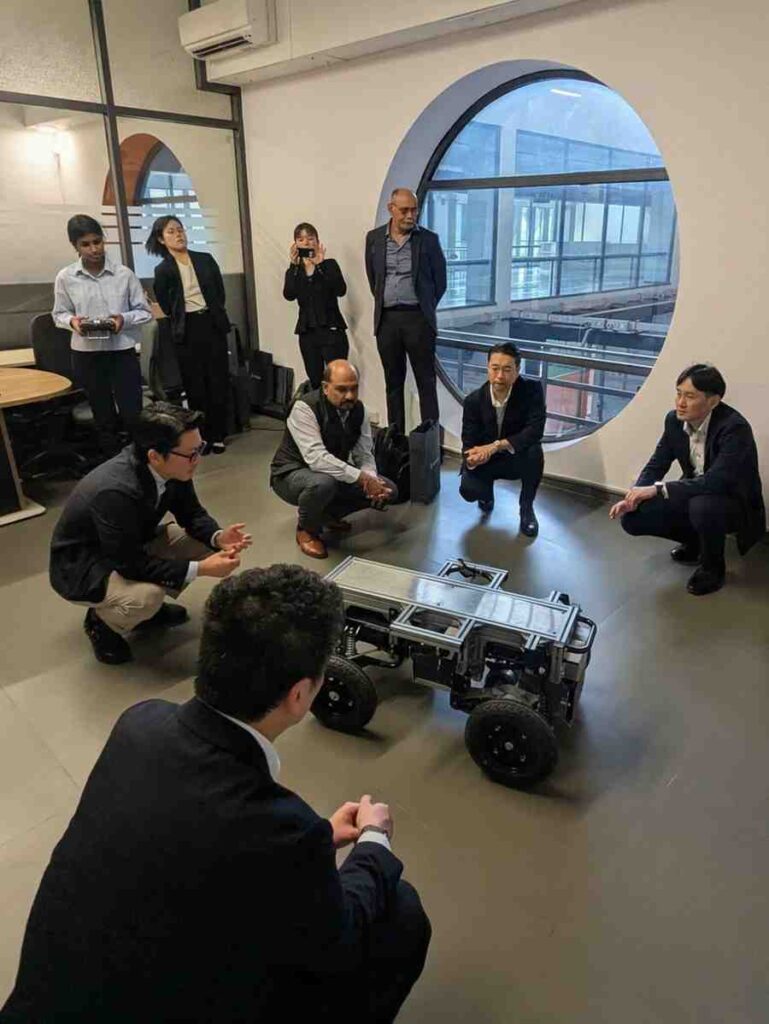 The lab, set up within the International Automobile Centre of Excellence (iACE) in Gujarat, is centred on Suzuki’s Versatile micro e-Mobility platform, or VmeM, and aims to develop infrastructure-focused mobility solutions in collaboration with Indian startups, component makers and industry partners.
The initiative marks a significant evolution in Suzuki’s India strategy. While the January launch of SMILE was initially presented as a co-create platform connecting Japanese electric mobility technology with Indian ideas, the company’s broader strategic direction now makes clear that such ventures are intended to grow into a major business line in their own right. In Suzuki Motor Corporation’s mid-term management plan, the company says it will launch new ventures in service mobility and energy, target sales revenue of 50 billion yen by FY2030, and aim for these businesses to stand alongside its existing operations in profitability by FY2040.
That longer-term ambition gives added weight to the work underway at SMILE, where Suzuki is trying to create not just a vehicle platform but an industrial ecosystem around micro e-mobility. The VmeM concept draws on Suzuki’s vehicle manufacturing expertise and is being adapted for Indian use cases across sectors such as logistics, air cargo, warehousing, municipalities, energy, real estate, manufacturing plants and agriculture. Suzuki has said the project is meant to explore new forms of utilization and create sustainable businesses that help address social issues while supporting its ambition of becoming a “lifestyle infrastructure company.”
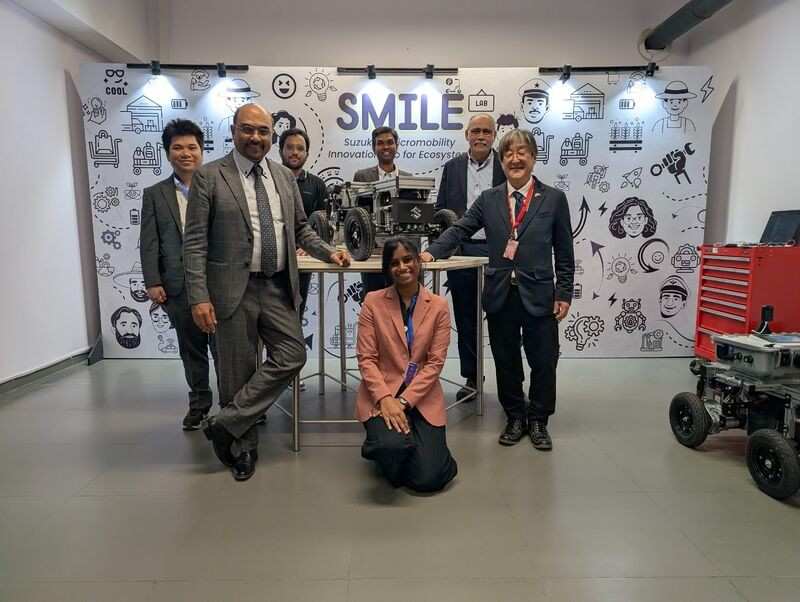 Operating from iACE, which was jointly established in 2015 by the Government of Gujarat and Maruti Suzuki India Ltd, the SMILE Lab is also leveraging an institution that already has a strong training and innovation base. According to Suzuki, iACE has trained more than 10,000 individuals from over 500 companies and organisations in areas including production technology, mobility systems and automotive engineering. The lab itself was established after iACE and SRDI signed a memorandum of understanding for Project VmeM on December 24, 2024.
The Indian context is central to the project’s pitch. Suzuki’s March 2026 India strategy presentation highlights the country’s “Viksit Bharat” vision, rising incomes, a stronger push on manufacturing through Make in India and Atmanirbhar Bharat, and a sustained government focus on infrastructure development. Within that framework, Suzuki is also exploring e-mobility platforms as work mobility solutions, suggesting that India is not merely a test market but a strategic base for applying micro e-mobility to industrial and infrastructure efficiency challenges.
SRDI’s recent messaging around the project has framed the effort in the spirit of “Yaramaika” — Suzuki’s entrepreneurial philosophy loosely translated as “Let’s try” or “Let’s do it” — underscoring a collaborative approach that seeks to bring startups, MSMEs, engineers, robotics enthusiasts and industrial partners into the same innovation chain. Suzuki’s own mid-term plan identifies “Yaramaika” as one of the company’s enduring operating principles, while SRDI’s recent public communication has explicitly linked that spirit to the Gandhinagar micro e-mobility push.
When SMILE was inaugurated in January, Suzuki Motor Corporation Director and Executive Vice President Katsuhiro Kato said the company would work closely with Indian industry, startups and government stakeholders to co-create valuable mobility solutions that support growth and sustainability, while also developing the India base as a key node for the global deployment of the VmeM platform. That makes Gujarat not just a local innovation centre, but potentially a springboard for Suzuki’s wider ambitions in infrastructure-linked electric mobility.
In effect, Suzuki’s India micro e-mobility programme is beginning to take shape as a bet on industrial efficiency at scale. With SMILE as the interface between Suzuki’s manufacturing strength and India’s fast-growing startup and MSME ecosystem, the company is signalling that the next chapter of mobility may be written less on highways and more inside warehouses, airports, solar parks, factories and urban service networks. For Suzuki, the clock on that new chapter has already started.