Lucky Eyes Korea Pitch for Yashobhoomi After Deep-Dive Visit to India’s Flagship MICE Venue
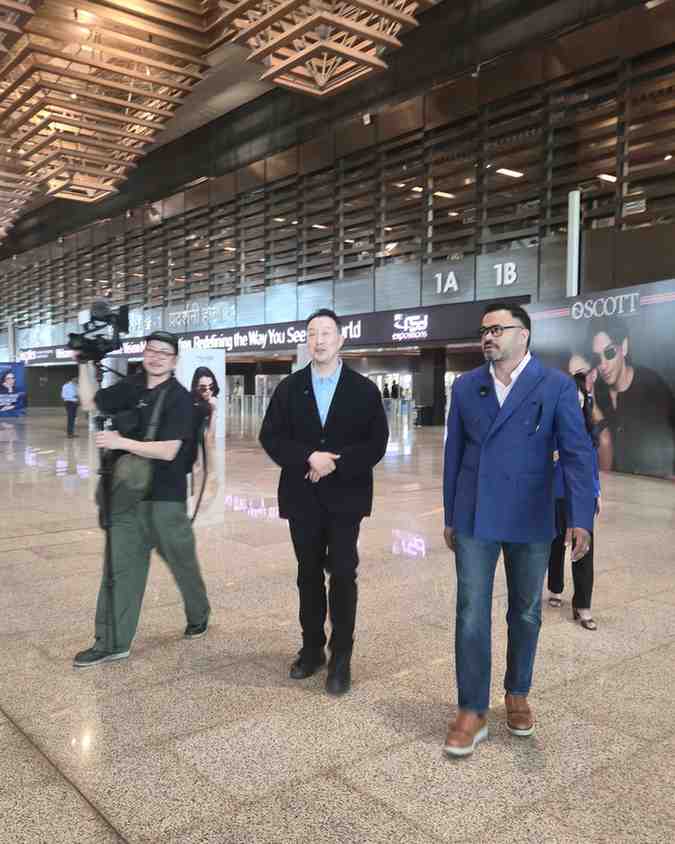
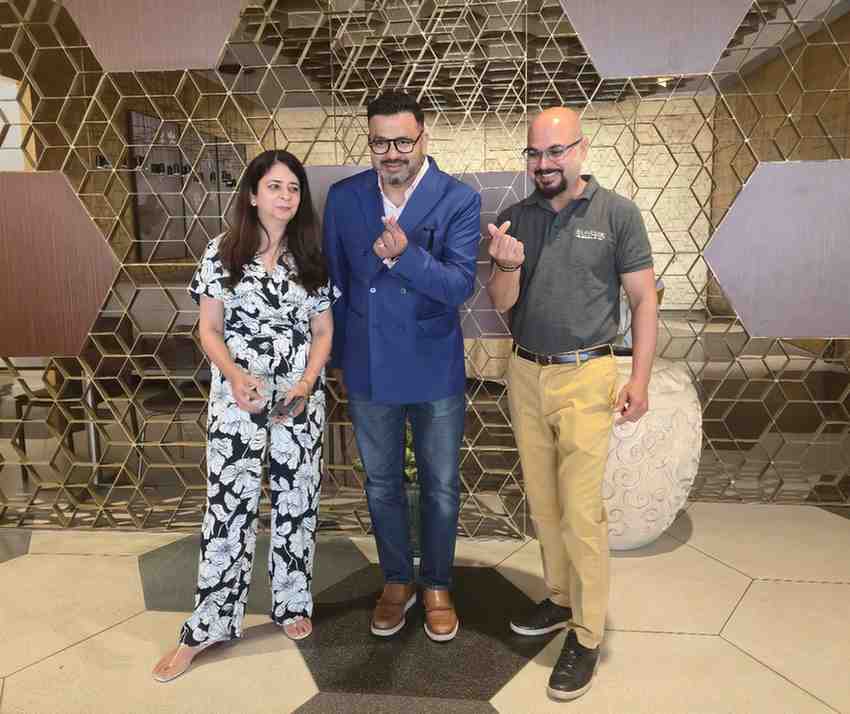
Escorted by KINEXIN Convention Management CEO Phil Chung, India-born Korean broadcaster and entrepreneur Abhishek Gupta, better known as Lucky, recently toured Yashobhoomi at IICC in New Delhi and shared plans to promote it in Korea as a premier MICE.

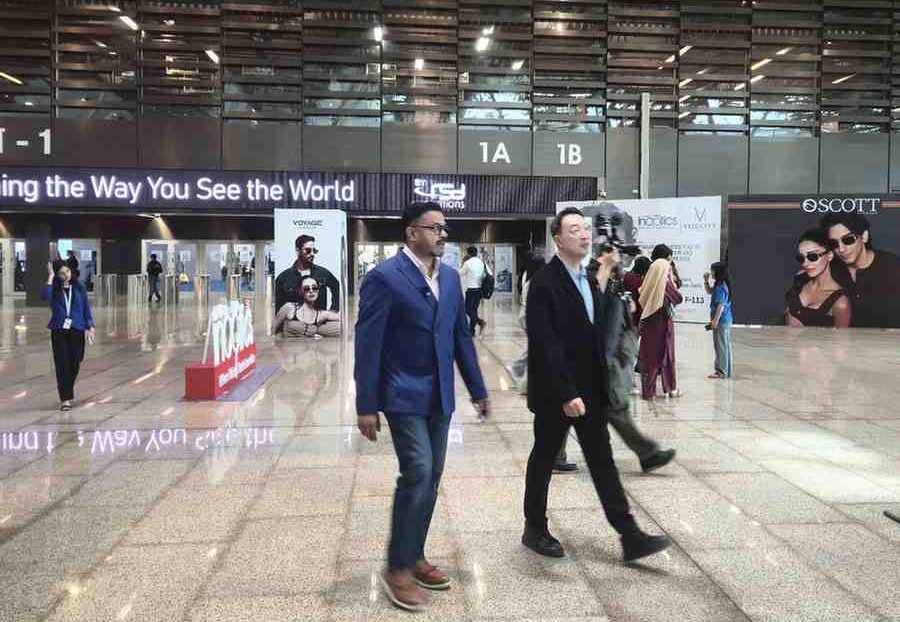
New Delhi: Abhishek Gupta, the India-born broadcaster and entrepreneur widely known in South Korea as Lucky, has returned from a close, high-level visit to Yashobhoomi at the India International Convention and Expo Centre (IICC) with a sharper mission: to tell Korea that India now has a world-class MICE platform worthy of serious global attention. During the visit, Phil (P.H.) Chung, CEO of KINEXIN Convention Management, which operates and promotes Yashobhoomi, personally took Lucky around the venue, explaining its scale, technical prowess, and its expanding global relevance through marquee events such as KOINDEX, Beautysum, and other internationally significant gatherings.
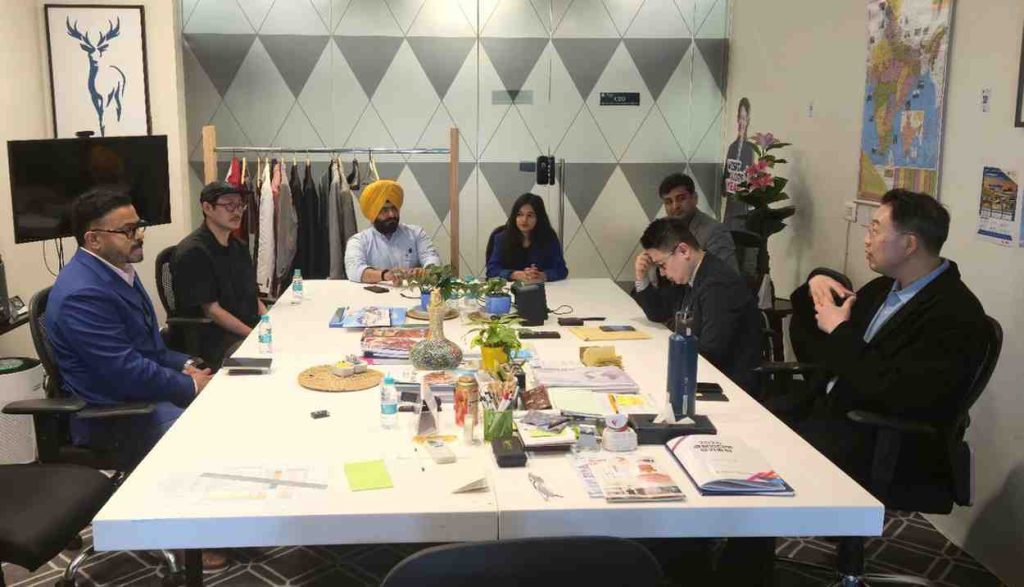
The visit was followed by intensive discussions with Chung and his team, giving Lucky a deeper understanding of the venue’s strategic importance in India’s fast-evolving conventions and exhibitions landscape.
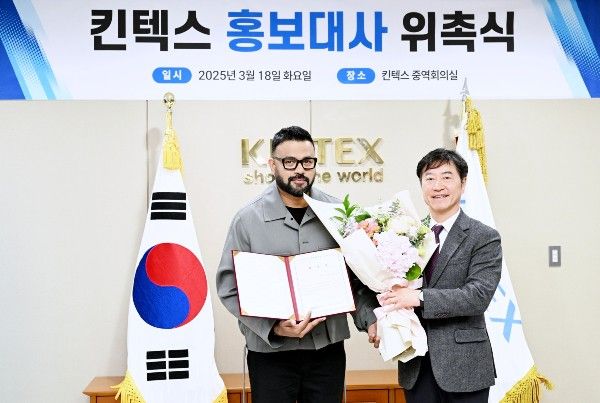
A familiar bridge for a new India story: Lucky’s interest in Yashobhoomi is not incidental. It is rooted in his long association with KINTEX, the parent company of KINEXIN, which formally appointed him as its ambassador for two years. In announcing the appointment, KINTEX highlighted his high visibility in Korea, his achievements across broadcasting and business, and his value as a figure capable of linking Korea and India in meaningful ways. The organisation noted that Lucky had already been actively promoting KINTEX through broadcasting and related activities following the development of a relationship with Yashobhoomi in India.
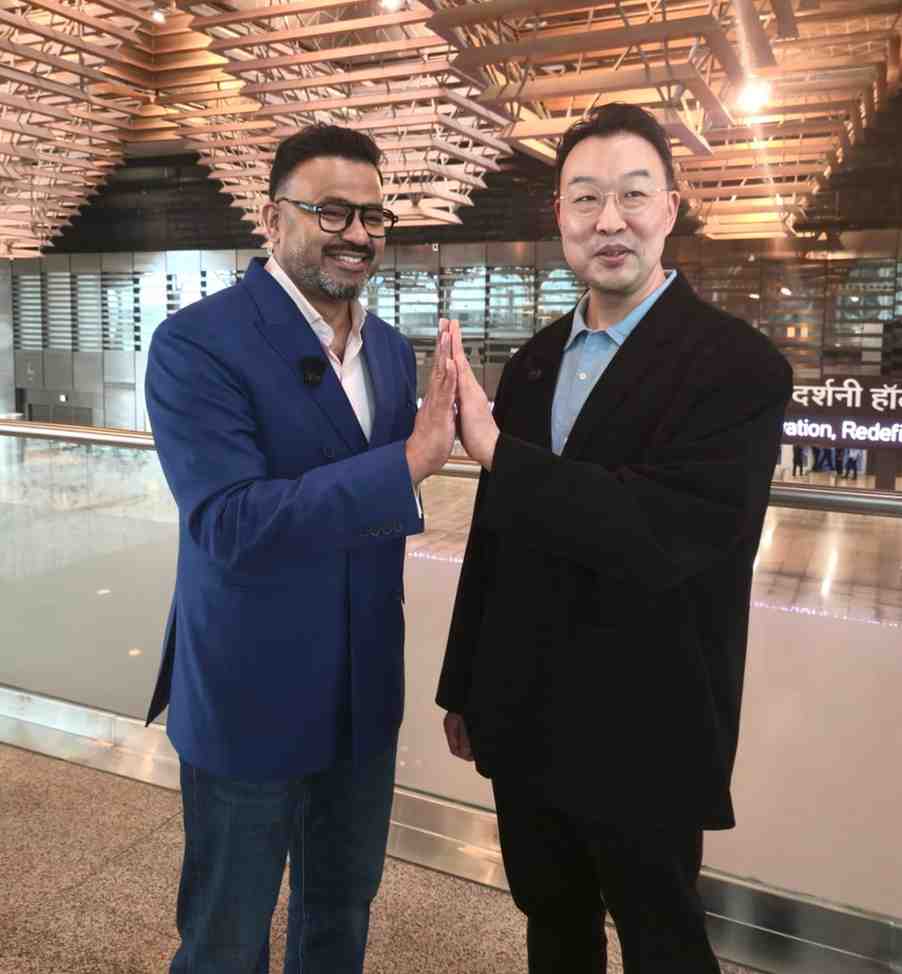
That institutional link sits naturally alongside Lucky’s life story. Born in Nagpur, he moved to Korea in 1996, studied at Seoul National University, built a successful media profile, entered business and gradually became one of the most recognisable Indian faces in Korea. Over time, he has come to see himself as part of a larger people-to-people bridge. In his interview with Asian Community News (ACN Network)’s Sanjeev K. Ahuja, he said he had come to believe that every Indian living abroad carries a responsibility to represent the country. “My job is to make the audience in Korea understand what is happening in India,” he said while discussing Yashobhoomi and KINTEX’s role in the project.
That conviction was reinforced during his latest visit to Yashobhoomi, where he closely examined the facility’s scale and its potential to serve as a gateway for Korean companies looking at India. Lucky has already described the KINTEX-Yashobhoomi collaboration as “a very, very good collaboration,” arguing that it brings together “a very strong manufacturer” in Korea and “a very strong consumer market” in India. He said the fact that KINTEX won the tender against other major global names reflected how important India is for Korea “as a partner, as a global partner.”
Why Yashobhoomi matters in Korea: Lucky’s pitch is expected to be shaped not merely by admiration for the venue but by his broader understanding of how Korea absorbs and responds to global narratives. In the ACN interview, he argued that India must tell its story to Koreans in formats they understand — through digital storytelling, sustained engagement, and contemporary media tools, rather than through occasional symbolic outreach. He has repeatedly stressed that Korea is a fast, modern, highly networked society, and that perceptions there are built through consistency and visibility.
It is in that context that Yashobhoomi could become, for Lucky, more than just a convention venue. It could serve as a demonstration of India’s seriousness, capacity, and readiness for global-scale business events.
Reflecting on his role, Lucky said many in Korea still do not know how significant KINTEX’s role in India through Yashobhoomi has become. “I want to tell them this is their platform too — a place to do business, hold B2B meetings and explore India with greater confidence,” he said.
Recalling the first KOINDEX forum, Lucky noted that he had seen firsthand how the platform brought together Korean participation across sectors, including K-pop-linked activities, kimchi-making, and cosmetics and food-and-beverage showcases. “There were around 200 Korean companies,” he said, adding that the platform has only grown since then. For him, that experience underlines Yashobhoomi’s ability not only to host exhibitions but also to foster familiarity and trust among Korean participants entering the Indian market.
According to Phil Chung, Lucky is the most well-known Indian in Korea today, and his journey itself reflects the deepening people-to-people connection between the two countries.
“Over the years, he has played the role of a natural ambassador, helping Koreans understand India better and strengthening goodwill between India and Korea.” This framing aligns with the documented view of KINTEX that Lucky has already been actively promoting its work and can generate meaningful synergy between the two countries,” Chung added.
 More than a venue tour: The Yashobhoomi visit also appears to have strengthened Lucky’s emotional investment in the project. In one of the most memorable lines from his ACN conversation, he said: “If you have one motherland, you are a lucky one. But if you have two motherlands, then you are Lucky like me.” He explained that India is his motherland and Korea has also become one, with his wife being Korean and his life deeply rooted in both societies. That dual identity helps explain why he views Indo-Korean institutional collaborations with unusual warmth and personal conviction.
He also believes Yashobhoomi can help counter hesitation among Korean businesses that may still be influenced by incomplete or negative impressions of India. Most Korean nationals know about India, but it was about 50 years ago. They need to be updated on India’s current stature and might in the global arena.
“A platform like Yashobhoomi can provide structure, confidence and visibility,” he said. “It can show them that India is not only a huge market, but also a serious destination for exhibitions, partnerships and long-term business engagement.”
According to Phil Chung, “We value Lucky not only for his popularity in Korea, but also for his credibility as a broadcaster, entrepreneur and bridge-builder. His efforts to promote closer India-Korea relations, including greater awareness of Yashobhoomi and India’s MICE potential in Korea, make him a very meaningful partner for us.” That would sit naturally with KINTEX’s own description of Lucky as a capable businessman, broadcaster and bridge figure in Korea-India relations.
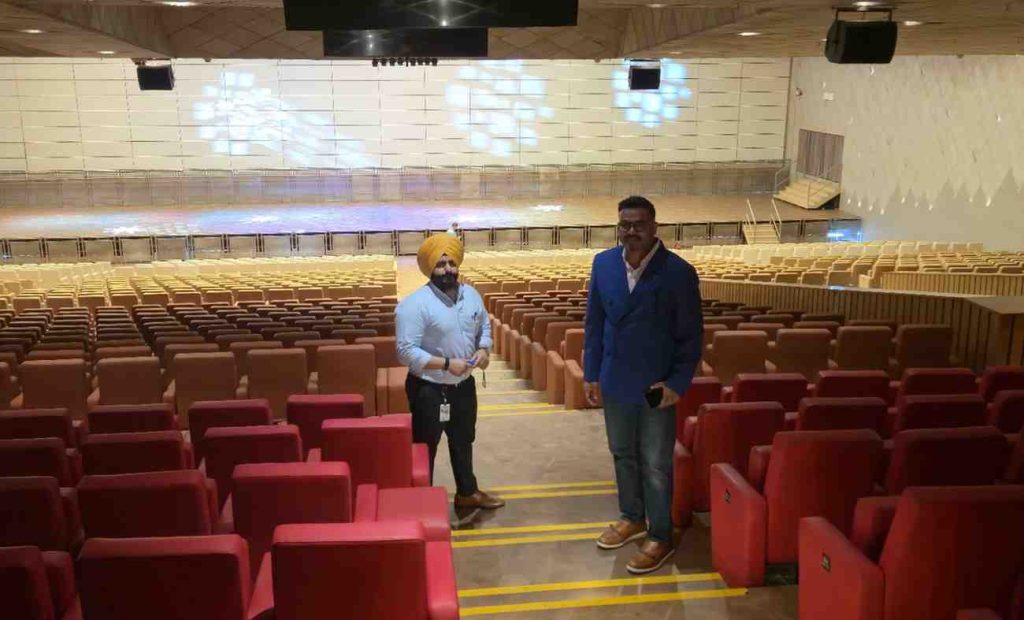
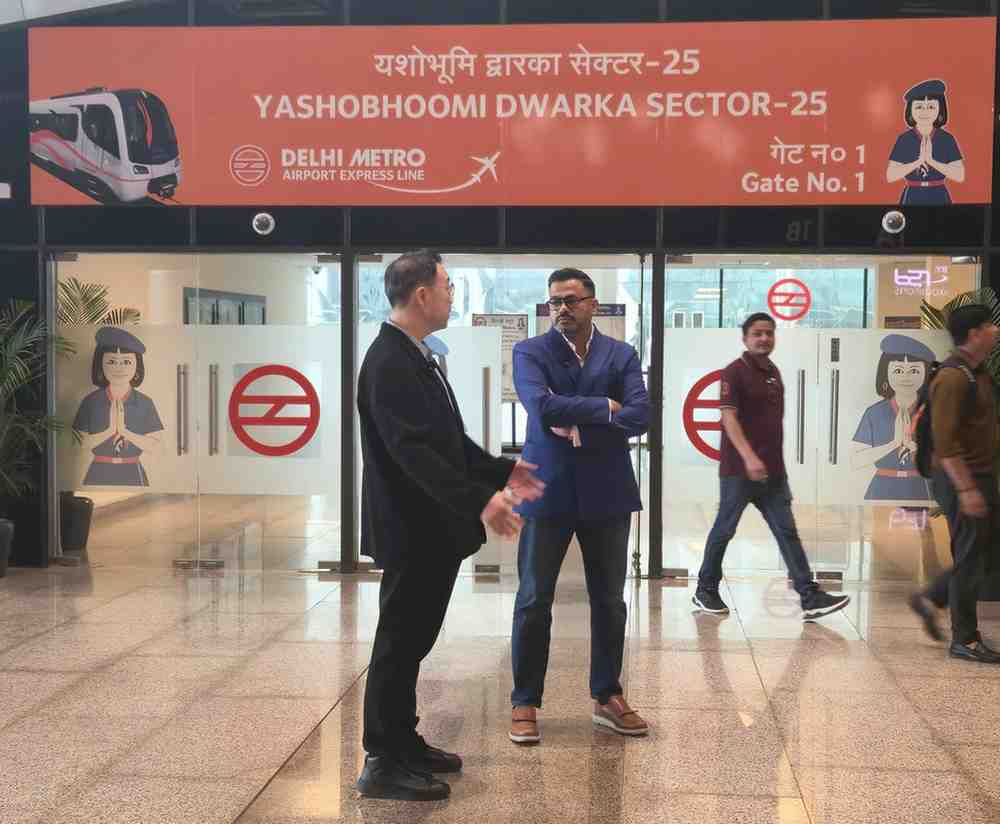
For Lucky, the assignment is now clear. He has said that being associated with the broader KINTEX-Yashobhoomi effort is “an immense honour” and that, out of India’s 1.4 billion people, being entrusted with this role carries special meaning. After his latest walkthrough of Yashobhoomi with Chung and the KINEXIN team, he appears ready to return to Korea not just with impressions of a massive venue, but with a sharper narrative: that India has built a platform capable of hosting the world, and Korea should be part of that story.