

New Delhi, India, July 15, 2025 — Over the past few years, Korean culture has taken root in India — from K-dramas and K-pop to skincare and street fashion. But one of the most delightful imports stealing Indian hearts (and taste buds) is Korean desserts. Once unknown to most Indians, treats like bingsu, hotteok, and Korean milk buns are now popping up in cafés across metro cities — and people can’t get enough.
Korean desserts offer a fresh twist for Indian palates that are already rich in sweet traditions. But unlike traditional Indian mithai, Korean sweets tend to be lighter, less sugary, and often paired with interesting textures — think fluffy shaved ice, chewy rice cakes, and creamy fillings. This subtlety is refreshing to a generation that is more health-conscious and adventurous.
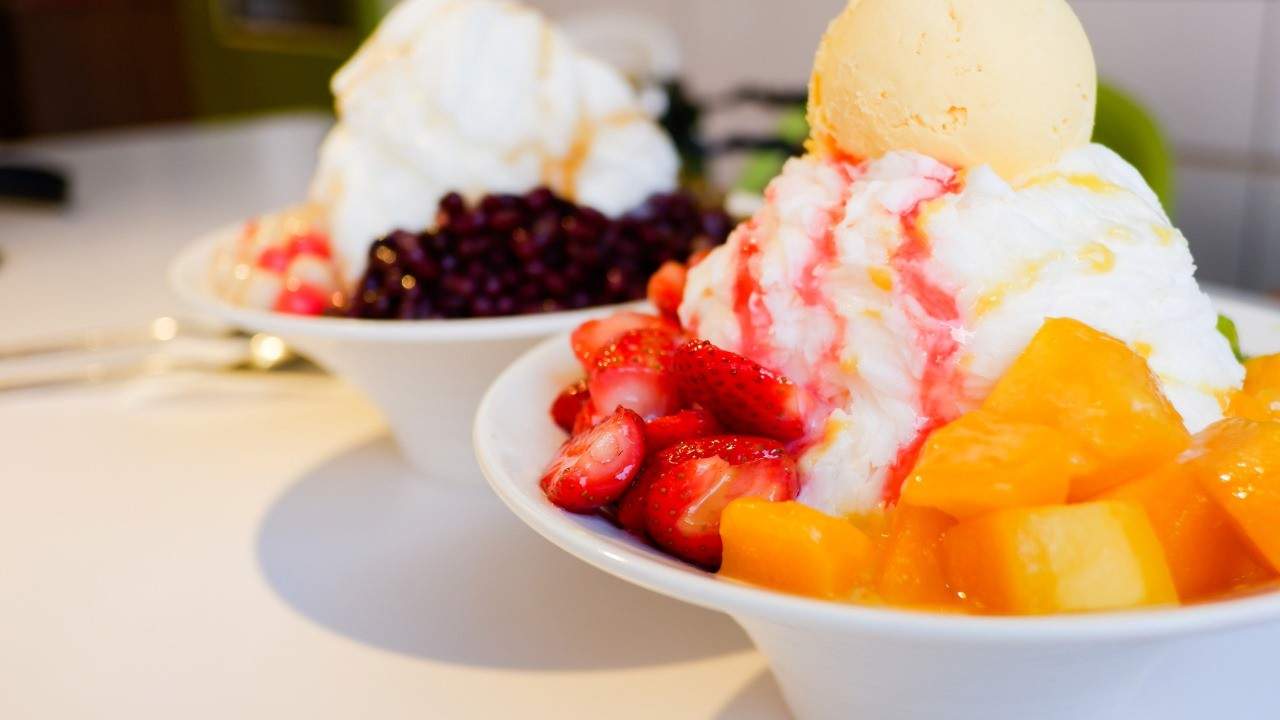
Bingsu, the Korean shaved ice dessert, has become the poster child of this trend. Made with finely shaved milk ice and topped with fruits, condensed milk, red beans, or matcha, bingsu is perfect for India’s warm climate. It’s not just delicious but also highly Instagrammable — making it a favorite among food bloggers and Gen Z diners.
What makes Korean desserts even more appealing is how easily they fuse with Indian ingredients. Cafés are now experimenting with gulab jamun bingsu, mango-filled mochi, and even masala chai bubble tea. This fusion allows Indian customers to explore something new without completely stepping away from familiar tastes.
Let’s face it — K-dramas have played a big role in sparking curiosity. Scenes with characters slurping on dalgona candy, baking sweet buns, or grabbing street-style hotteok after school have made fans curious to try them in real life. It’s food with emotion, nostalgia, and story — something Indian audiences connect with deeply.
Korean desserts aren’t just food — they’re an experience. Their cute shapes, soft pastel colors, and clean aesthetics are tailor-made for social media. From boba tea in heart-shaped cups to teddy bear-shaped mochi, these treats are designed to be photographed, shared, and adored. For a generation driven by reels and likes, that’s a big win.
What started as a curiosity is now becoming a staple in urban dessert culture. From specialized K-dessert cafés in Delhi and Mumbai to food stalls at anime and K-pop events, Korean sweets are finding their place in the Indian food scene. And with growing demand, local bakers and chefs are beginning to create Korean-style treats with homegrown ingredients — making them more accessible and affordable.
Korean desserts are not replacing Indian sweets — they’re expanding the menu. They’re giving Indians more ways to indulge, more stories to taste, and more reasons to smile.
In a country that already loves its sweets, it’s no surprise that these charming Korean confections are gaining fans by the day. Whether you’re a K-drama devotee or just a curious foodie, one bite is often all it takes to become a fan for life.