

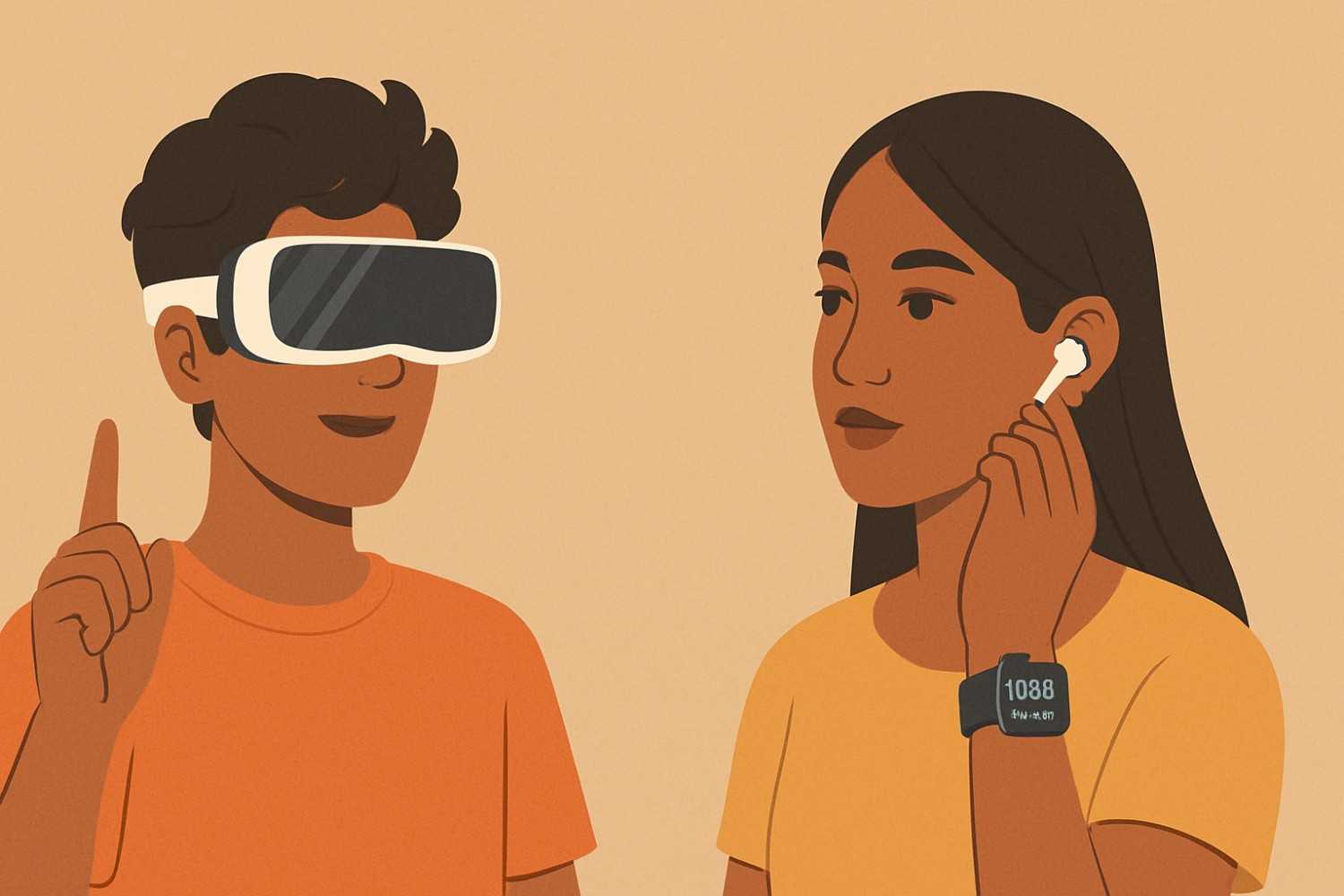
New Delhi, India, August 6, 2025 — Japanese wearable technology, once considered a niche segment confined to high-tech enthusiasts, is now making a strong foray into the Indian youth market. With a sharp rise in health awareness, tech-savviness, and style consciousness among India’s younger generation, Japanese brands are finding fertile ground to expand their footprint. Whether it’s smartwatches, fitness bands, or AI-powered health trackers, Indian youth are rapidly embracing the precision, innovation, and minimalism that Japanese wearables offer.
One of the key reasons for this surge is the increasing focus on health and fitness among Indian millennials and Gen Z. Japanese brands like Casio, Sony, and newer startups are producing wearables equipped with highly accurate biometric sensors, heart-rate monitors, sleep trackers, and stress-level analyzers. Unlike some Western alternatives that prioritize flashy features, Japanese wearables emphasize data accuracy and functionality—values that align with health-focused Indian consumers.
Another factor is the aesthetic and ergonomic appeal of Japanese wearables. Young Indians today are not just looking for gadgets but style statements that blend seamlessly into their daily fashion. Japanese designs, known for their sleek, minimalist beauty, resonate with this preference. The comfort and durability of these devices make them suitable for both urban lifestyles and more rugged rural use, giving Japanese brands a broader market scope.
Moreover, the rise of AI integration and IoT in wearable tech is fueling this demand. Japanese companies are at the forefront of embedding intelligent features that learn user behavior over time. Smartwatches that adapt fitness recommendations based on routines, wearables that suggest hydration breaks, or even ones that sync with smart home devices are increasingly sought after. This tech appeal perfectly matches India’s digitally driven youth culture that thrives on customization and intelligent automation.
The gaming and entertainment angle is another unexpected catalyst. Japanese brands like Nintendo and Sony have pioneered wearable tech that enhances gaming experiences through haptic feedback and motion tracking. With gaming becoming a booming industry in India, wearables that offer immersive entertainment experiences are gaining traction among young consumers. Whether it’s motion-sensitive controllers or VR-integrated glasses, the blend of fun and function is hitting the right chord.
The affordability factor is also shifting. Earlier, Japanese tech was perceived as premium and out of reach for average Indian users. But with brands now offering mid-range options tailored for emerging markets, these devices have become far more accessible. Bundled offers, student discounts, EMI options, and online availability through Indian e-commerce platforms are also helping Japanese wearables reach college students and first-jobbers who value quality and tech in their budget.
Cultural affinity plays a subtle yet important role too. Indian youth are increasingly exposed to Japanese pop culture—anime, J-pop, and tech-driven storytelling—through social media and streaming platforms. This has created a favorable perception of Japan as a land of innovation and style, translating into a growing trust in its technology products, including wearables. For many young Indians, using a Japanese wearable isn’t just about health—it’s about aligning with a global lifestyle identity.
Finally, collaborations with Indian tech influencers and athletes are amplifying visibility. Japanese brands are strategically partnering with Indian youth icons to promote their products on platforms like Instagram, YouTube, and tech review blogs. These endorsements add aspirational value and credibility, creating a buzz around product launches and features. Interactive campaigns, challenges, and giveaways are further deepening engagement.
In conclusion, Japanese wearables are no longer just luxury imports—they’re evolving into everyday essentials for the Indian youth. With a smart blend of tech innovation, affordability, and cultural resonance, these devices are bridging two dynamic markets. As health, fashion, and technology continue to merge, the relationship between Japanese wearables and Indian consumers is set to grow stronger in the years to come.