New KYCI President Sets Sights on Wider India–Korea Entrepreneurial Network
Greater Noida-based restaurateur wants to expand the association beyond traditional business centres, establish a senior advisory group and connect young Korean entrepreneurs with Indian start-ups, universities and institutions.

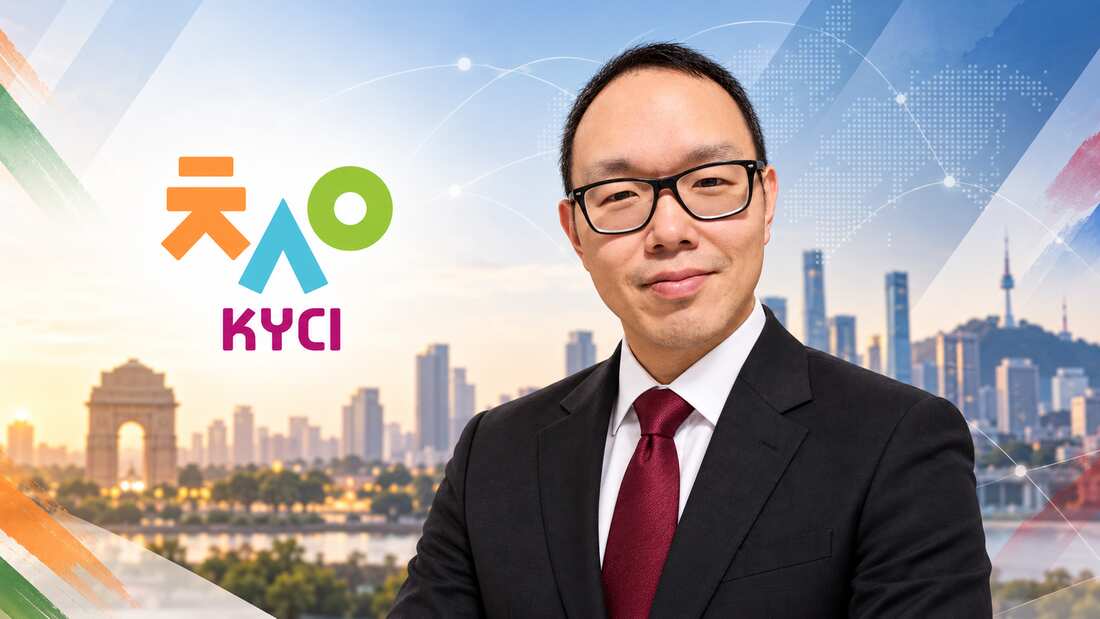
New Delhi: Young food and beverage professional Jooyoung Jeong has assumed charge as President of the Korean Youth Commerce Association in India (KYCI) for a two-year term covering 2026 and 2027, promising to build a more inclusive, connected and nationally representative organisation for young Koreans working and doing business in India.
Jeong has taken over the baton from outgoing president Jin Bum Kim, who runs the Gung The Palace chain of Korean restaurants and played a prominent role in building KYCI as a platform for young Korean entrepreneurs in India.
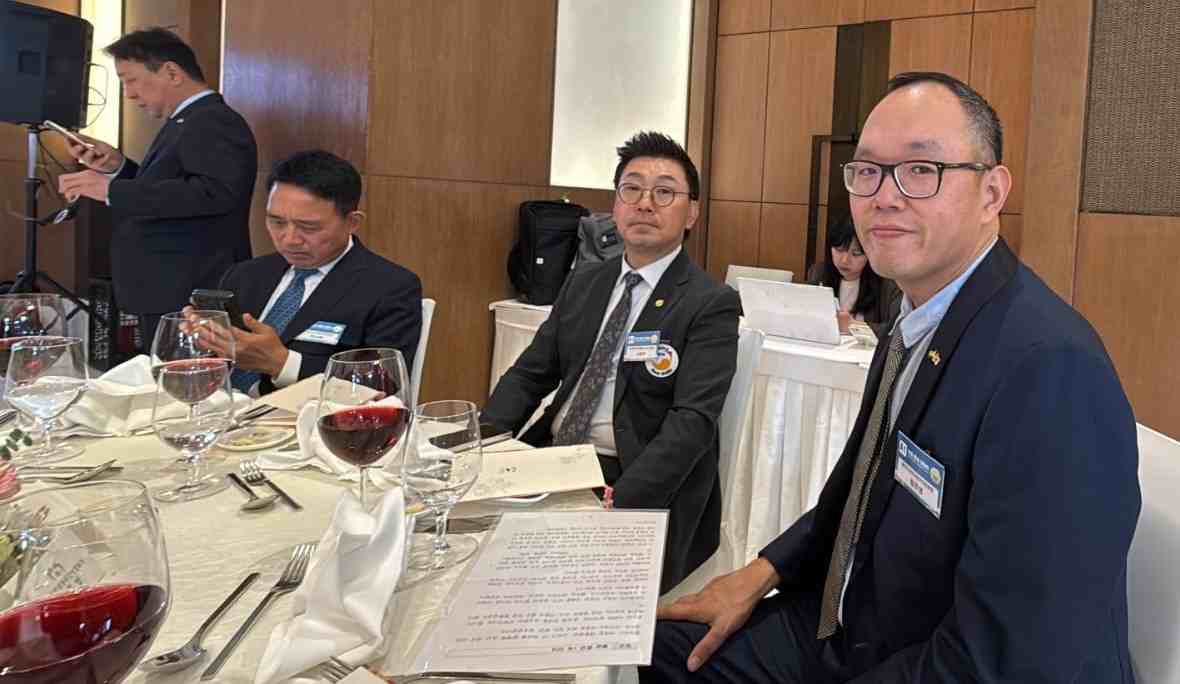 Jeong is associated with India’s food and hospitality sector and runs Hong Kong Korean Restaurant in Greater Noida. His experience of establishing and operating a consumer-facing business in India has given him direct exposure to the country’s regulations, workforce, market diversity and rapidly changing customer preferences.
KYCI is a business and networking platform representing young Korean self-employed professionals, micro-entrepreneurs, start-up founders and businesspeople operating across Delhi-NCR, Mumbai, Chennai, Bengaluru and other Indian cities. It helps members exchange information, develop professional networks and better understand India’s complex but opportunity-rich business environment.
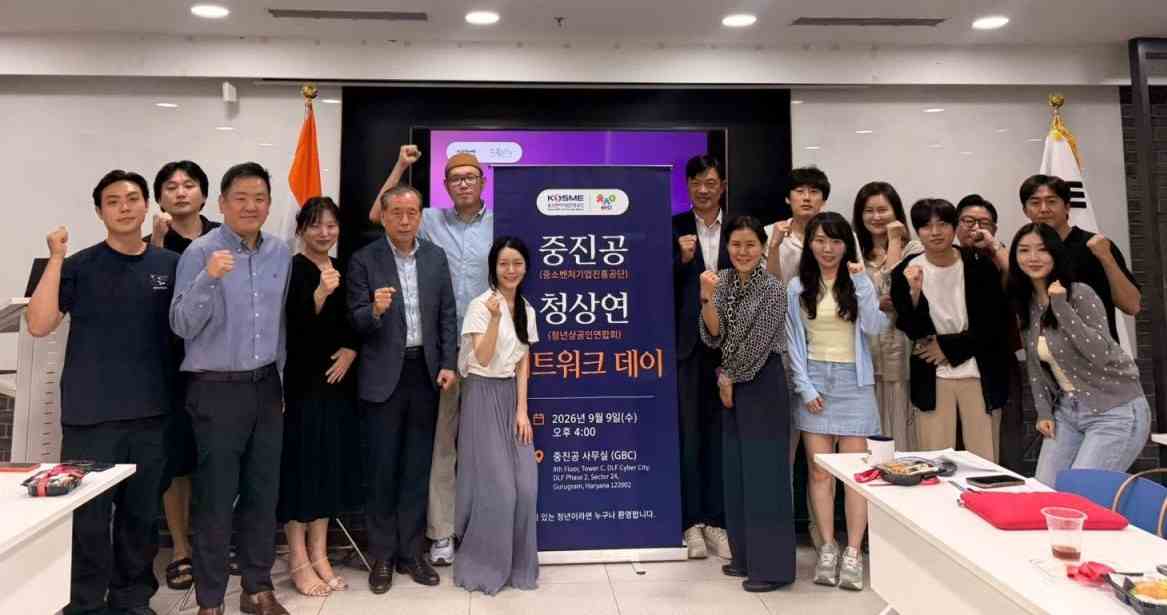 As president, Jeong wants to widen the association’s membership, establish regional networks, bring senior Korean business leaders closer to younger members and deepen cooperation with Indian companies, universities, start-up incubators and government agencies.
In an interview with Asian Community News (ACN) Network, he discusses his priorities for KYCI, the sectors offering opportunities to Korean entrepreneurs and the qualities required to build sustainable businesses in India.
Q1. Congratulations on assuming charge as president. What does this responsibility mean to you?
Jeong: It is both a great honour and a meaningful responsibility. KYCI has become an important platform connecting young Korean entrepreneurs and professionals in India. I do not see this position simply as a title; it is an opportunity to listen to members, bring people together and create conditions in which young Koreans can grow.
Our responsibility also extends beyond supporting our community. By sharing experiences, building business networks and contributing positively to India, we can help strengthen relations between Korea and India. I want KYCI to be an open and active organisation where every member can participate and contribute.
Q2. What are your principal priorities for KYCI during your term?
Jeong: My first priority is to make KYCI more valuable to its members by strengthening business networks and encouraging cooperation among Korean entrepreneurs and with Indian companies and institutions.
I also want to improve internal communication through regular networking events, knowledge-sharing sessions and programmes that allow members to learn from one another.
Another priority is to involve the next generation of Koreans living in India. Bringing together people with different experiences, professions and ideas will make KYCI stronger, more inclusive and sustainable.
Q3. Do you plan to introduce new programmes or structural changes?
Jeong: We plan to establish a Senior Advisory Group comprising experienced Korean business leaders who can share their knowledge, networks and practical experience with younger members. Connecting senior experience with youthful energy can significantly strengthen KYCI.
We also want to welcome young Koreans who may not yet be entrepreneurs. Anyone who wants to connect, learn and contribute should be able to participate.
In addition, we are preparing a major programme with Japan that could create a broader platform for young professionals and businesses to develop relationships beyond national boundaries.
![]() Q4. How would you describe the present ecosystem for young Korean entrepreneurs in India?
Q4. How would you describe the present ecosystem for young Korean entrepreneurs in India?
 Q4. How would you describe the present ecosystem for young Korean entrepreneurs in India?
Jeong: It is a period of considerable opportunity as well as change. India is growing rapidly, creating possibilities in manufacturing, technology, hospitality, services and consumer markets. However, understanding local regulations, regional differences and business practices takes time.
Young entrepreneurs should not have to navigate everything alone. KYCI can help by sharing information, contacts and practical experiences.
The ecosystem is also becoming more diverse. Young Koreans in India are working across many professions, not only as business owners. Connecting them with established entrepreneurs, Indian businesses and institutions can create a stronger support system.
Q5. Which sectors offer the greatest opportunities for young Korean entrepreneurs?
Jeong: Manufacturing and supply-chain businesses remain important as India strengthens its position as a global production hub. Technology, artificial intelligence, electronics, renewable energy and electric mobility also offer significant potential.
Consumer sectors should not be overlooked. India’s young population and expanding middle class are showing increasing interest in Korean food, beauty, entertainment, lifestyle products and hospitality.
The greatest opportunity lies where Korean experience meets Indian demand. Entrepreneurs who understand local consumers while offering distinctive Korean expertise can build sustainable and innovative ventures.
Q6. What are the principal challenges facing Korean entrepreneurs in India?
Jeong: India is extremely large and diverse. Regulations, customer behaviour, commercial practices and market conditions can differ considerably between regions. Adapting to these differences is one of the biggest challenges.
Building dependable local networks and finding the right employees, suppliers and partners are equally important. Effective communication between Korean and Indian teams requires patience and mutual understanding.
A Korean business model cannot simply be transferred unchanged to India. Long-term success requires respect for the local environment and the flexibility to adapt while retaining the strengths of the original business.
![]() Q7. How does KYCI help members understand regulations, taxation and business culture?
Q7. How does KYCI help members understand regulations, taxation and business culture?
 Q7. How does KYCI help members understand regulations, taxation and business culture?
Jeong: We operate a Naver Band community through which members exchange information, experiences, business updates and useful contacts. It allows entrepreneurs to ask practical questions and learn from situations faced by other members.
We also connect members with accountants, lawyers, consultants, government agencies and potential business partners when specialised assistance is required.
I want to make this support more systematic by organising expert sessions on taxation, regulations and business practices. KYCI cannot replace professional advice, but it can help members identify the correct information and the right people to consult.
Q8. How will you strengthen coordination among members based in different parts of India?
Jeong: Distance should not become a barrier to participation. We will use our online community more actively as a nationwide platform for sharing opportunities, contacts and regional experiences.
At the same time, I want members in different cities to organise smaller local meetings instead of concentrating every activity in Delhi-NCR. National networking events and joint programmes can then bring these regional groups together.
When members understand one another’s businesses, expertise and requirements, it becomes much easier to identify potential collaborations. My objective is to make KYCI feel like one connected community across India.
![]() Q9. Do you plan to expand KYCI’s presence in emerging business centres?
Q9. Do you plan to expand KYCI’s presence in emerging business centres?
 Q9. Do you plan to expand KYCI’s presence in emerging business centres?
Jeong: Yes. KYCI should represent young Koreans throughout India, not only those living in Delhi-NCR. Bengaluru, Hyderabad, Mumbai, Chennai, Pune and other growing centres offer different industries and business opportunities.
We would like to encourage local KYCI networks or chapters led by members who understand their respective markets. These networks can remain connected through digital platforms and nationwide events.
Expansion should not be measured only through membership numbers. We want meaningful regional communities in which people actively support one another and create professional and business opportunities.
Q10. What potential exists for partnerships with Indian start-ups and MSMEs?
Jeong: Indian start-ups and MSMEs understand local consumers, commercial conditions and distribution networks. Korean entrepreneurs can contribute technology, design, product development, branding and international experience.
Combining these strengths can produce stronger results than working separately. Opportunities exist in joint ventures, technology partnerships, co-branding, distribution, investment and collaborative product development.
KYCI can serve as a bridge by introducing members to appropriate Indian partners. I would particularly like to see Korean and Indian entrepreneurs jointly creating products and services not only for India but also for international markets.
Q11. How can Korean entrepreneurs contribute to Make in India, Startup India and Digital India?
Jeong: Under Make in India, Korean entrepreneurs can contribute through local manufacturing, supply-chain development, technology partnerships and skills creation. Producing in India can generate employment while supporting domestic industry.
Startup India provides opportunities to combine Korean technology and global networks with the local knowledge and agility of Indian start-ups.
Digital India also offers substantial scope in AI, fintech, e-commerce, smart technology and digital services. Korean entrepreneurs should view these programmes not merely as business incentives, but as opportunities to participate meaningfully in India’s long-term development.
Q12. Will KYCI collaborate with Indian institutions and industry bodies?
Jeong: Building stronger relationships with Indian industry associations, incubators, universities and government agencies will be an important part of KYCI’s future.
Such collaborations can provide members with market information, mentoring, training and access to Indian companies and start-ups. Some KYCI executives are already delivering lectures and sharing their experiences at Indian universities.
Universities can connect us with talent and new ideas, while industry bodies and government agencies can help members understand policies and support programmes. KYCI should function as a bridge to India’s wider business, academic and innovation ecosystem.
Q13. What qualities are essential for long-term success in India?
Jeong: Adaptability is essential because India is diverse and constantly changing. Entrepreneurs must be prepared to modify their business models according to local conditions.
Patience and perseverance are equally important. Establishing a company and earning trust can take time, and processes may work differently from what Korean entrepreneurs are accustomed to.
Strong relationships with employees, customers, suppliers and communities can make a major difference. Entrepreneurs must approach India with an open mind, respect its culture and remain willing to learn from Indian colleagues and partners.
Q14. What additional support would you like from the Indian and Korean governments?
Jeong: I would welcome more practical programmes connecting young entrepreneurs from the two countries, including business matching, start-up exchanges, mentorship and networking initiatives.
Korean entrepreneurs require easier access to reliable information about Indian regulations, business opportunities and government support. Indian start-ups could similarly benefit from greater access to Korean technology, investment and international networks.
Financial assistance is useful, but creating opportunities for people to meet, exchange knowledge and build businesses together can deliver longer-lasting results. KYCI can help connect such government programmes with entrepreneurs on the ground.
Q15. What would you like KYCI to accomplish by the end of your term?
Jeong: I want KYCI to have an active nationwide network extending beyond Delhi-NCR to India’s major business centres. It should welcome not only entrepreneurs but also young Korean professionals from different backgrounds.
I hope the Senior Advisory Group will establish a strong connection between generations and that KYCI will develop deeper relationships with Indian companies, universities, start-ups, industry bodies and government institutions.
Success should not be measured only by membership or the number of events. It should be reflected in stronger networks, meaningful opportunities and a greater sense of belonging among our members.