From Airport Arrivals to Everyday Conversations, ‘Pathfinder to Korea’ Helps Travellers Find Their Words
Co-authored by Arirang Korean Academy founder Banasmita Baruah, Lee Sungtaek and Jung Hyuna, the practical guide combines Romanised dialogues with an introduction to Korean grammar.

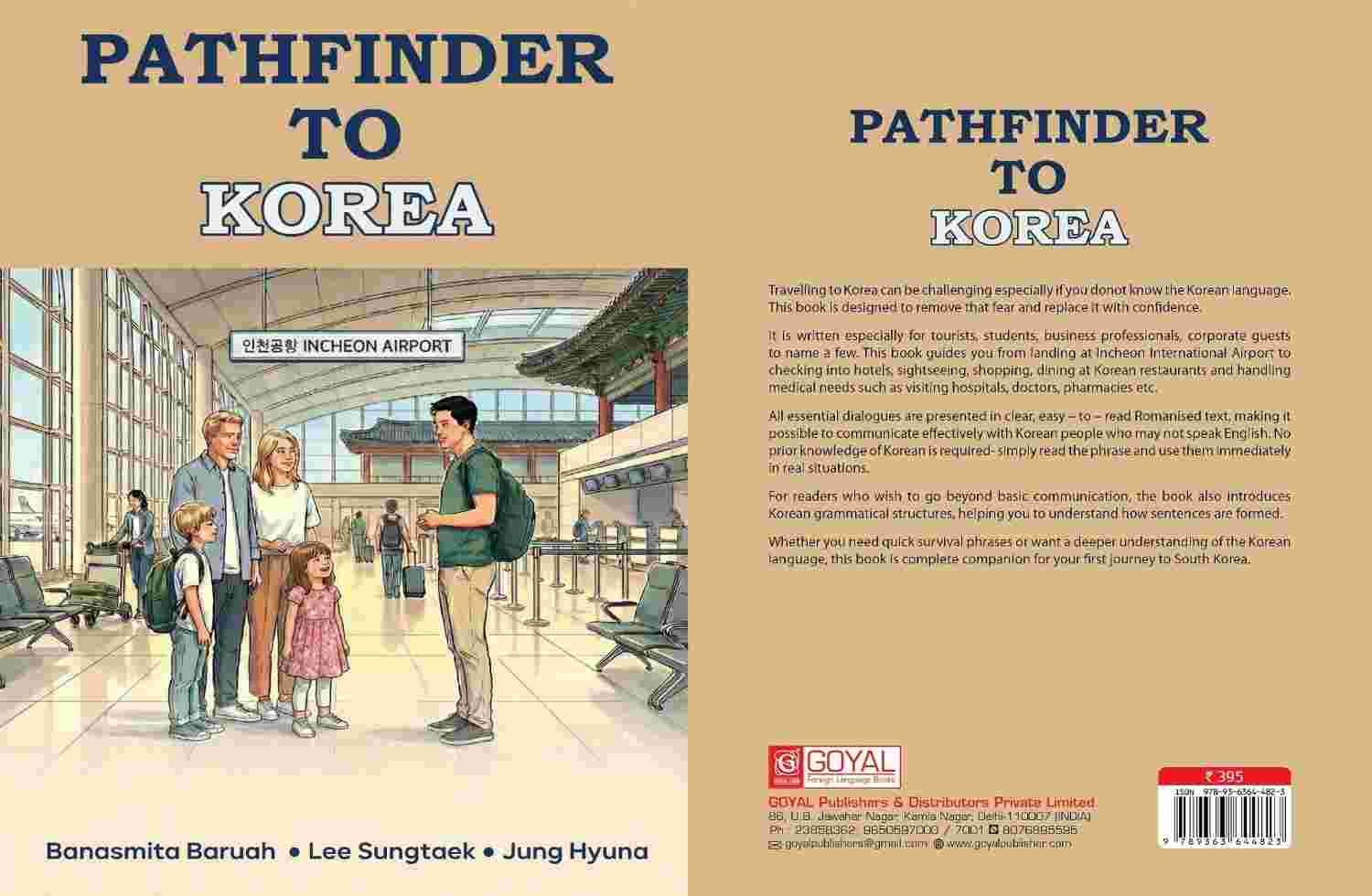
NEW DELHI: Landing in South Korea can mark the beginning of an exciting journey—and an immediate language challenge. Checking into a hotel, ordering a meal or explaining a need at a pharmacy can become daunting when a traveller knows little Korean. Pathfinder to Korea, co-authored by Banasmita Baruah, Lee Sungtaek and Jung Hyuna, sets out to make those first conversations more manageable.

Written for tourists, students, business professionals and corporate visitors, the book places everyday communication at the centre of its approach. Its starting point is straightforward: readers should be able to use essential Korean expressions even if they have never studied the language.
Published by Goyal Publishers & Distributors Private Limited, the book carries a cover price of ₹395. Its practical focus follows the traveller’s journey from arrival at Incheon International Airport to the situations encountered while exploring, studying or conducting business in an unfamiliar country.
“We wanted to help people approach their first journey to Korea with greater confidence. Even a simple conversation can feel difficult when the language is unfamiliar, so the book focuses on expressions readers can use in everyday situations,” says Banasmita Baruah, founder of Arirang Korean Academy and one of the book’s three authors.
 The guide covers hotel check-ins, sightseeing, shopping and dining at Korean restaurants. It also extends to conversations involving hospitals, doctors and pharmacies, recognising that a traveller’s communication needs may go beyond leisure and hospitality.
A central feature is the presentation of essential dialogues in Romanised text—Korean expressions written using the Roman alphabet. For readers unfamiliar with Korean script, this provides an accessible way to begin using phrases without first completing a course in reading the language.
The intention, according to the book’s description, is to help visitors communicate in situations where the person they are speaking to may not know English. By organising language around recognisable activities, the guide gives beginners a practical point of entry.
 Its intended readership also gives the book a broader purpose than a holiday phrasebook alone. A student arriving for an academic programme, a professional travelling for meetings and a family visiting Korea may have different itineraries, but all can encounter similar difficulties during their first few days. Finding the words for an ordinary request can make those early interactions less intimidating.
For readers who wish to progress beyond ready-to-use expressions, Pathfinder to Korea introduces Korean grammatical structures. This adds a learning element to its immediate travel function, offering an introduction to how sentences are formed rather than leaving readers entirely dependent on memorised phrases.
“Some readers may need a phrase they can use immediately, while others will want to understand how that sentence works. We have tried to address both needs, making the book useful for a first visit and a starting point for further learning,” Baruah says.
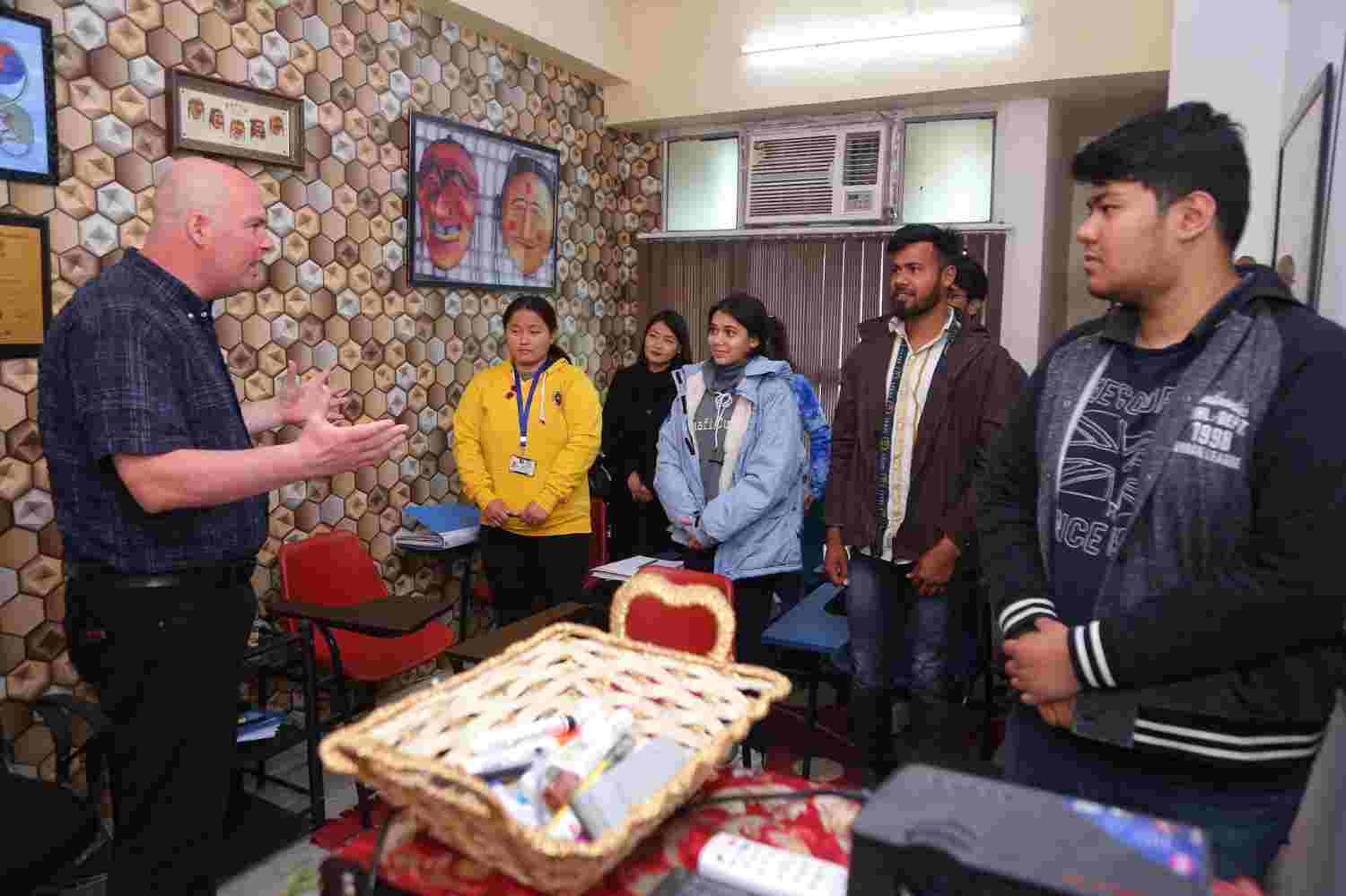
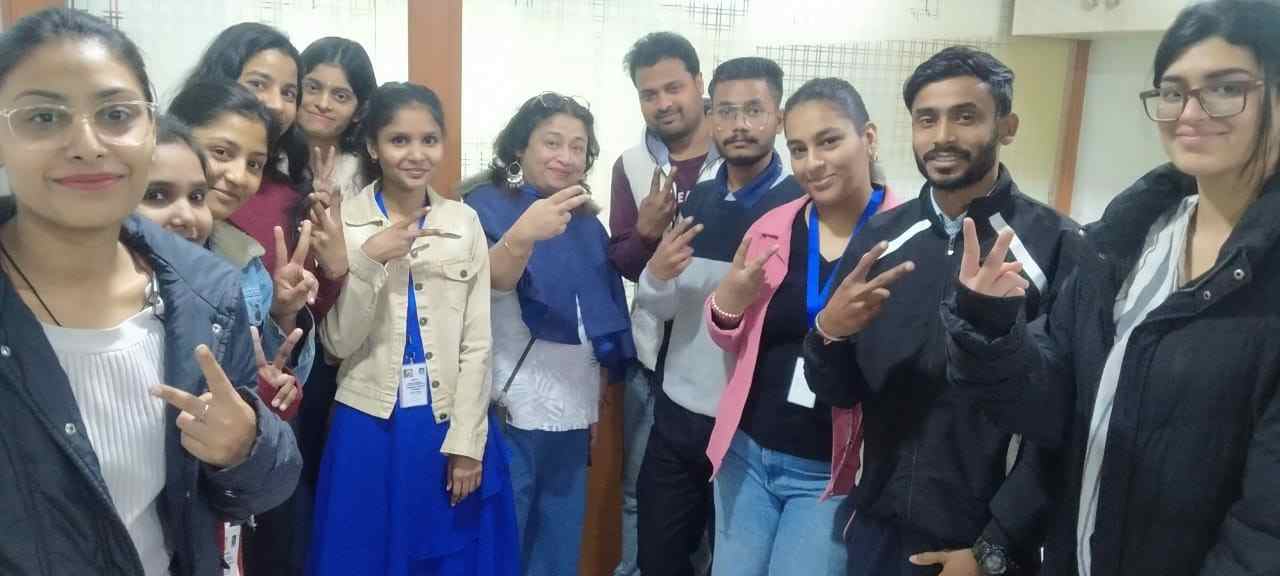 That approach sits naturally alongside the educational work of Arirang Korean Academy, which operates in Dwarka, New Delhi. The academy traces its establishment to 2008 and describes its guiding vision as making Korean-language education accessible to all.
Its teaching extends beyond vocabulary and grammar to aspects of Korean lifestyle, food and social customs. This background offers a relevant context for a book concerned with using language in everyday settings, where understanding the situation can matter alongside knowing the words.
According to the academy’s prospectus, Baruah studied at Hanyang University in South Korea and has provided Korean-language and cultural training to engineers and executives associated with companies including Wipro, Hyosung, Samsung, LG and Hyundai. Her experience places her work at the intersection of language education and practical communication.
For prospective travellers, the book’s appeal lies in that practical emphasis. The journey it describes begins at an airport but continues through the ordinary exchanges that shape a visit: speaking at a hotel desk, navigating a restaurant conversation or seeking assistance.
Pathfinder to Korea presents those exchanges as an achievable first step. Its promise is to give newcomers a usable starting vocabulary—and the confidence to begin engaging with the country through its language.