KEC India urges higher edn institutions to develop Korean programs, faculty opportunities and industry-linked cooperation
Growing Interest in Korean Studies Calls for Stronger University Support and India–Korea Talent Pathways.

New Delhi: Growing interest in Korean language education across India is creating an opportunity for higher education institutions to strengthen academic cooperation, develop qualified faculty and build pathways connecting language learning with professional skills and employment.
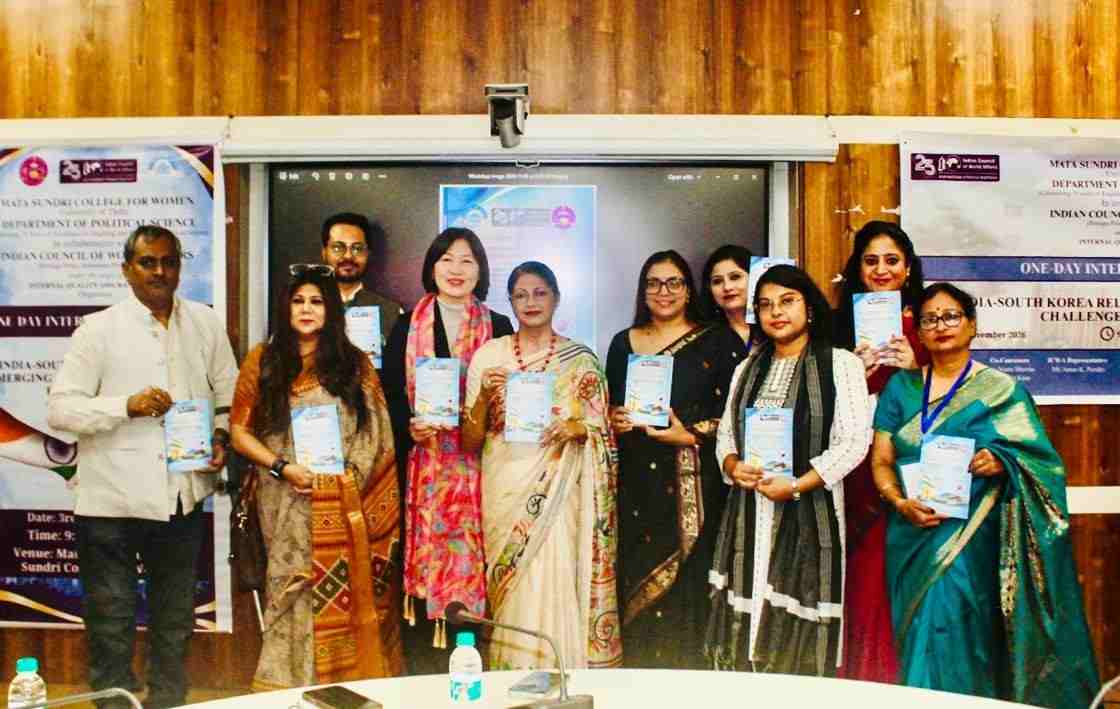
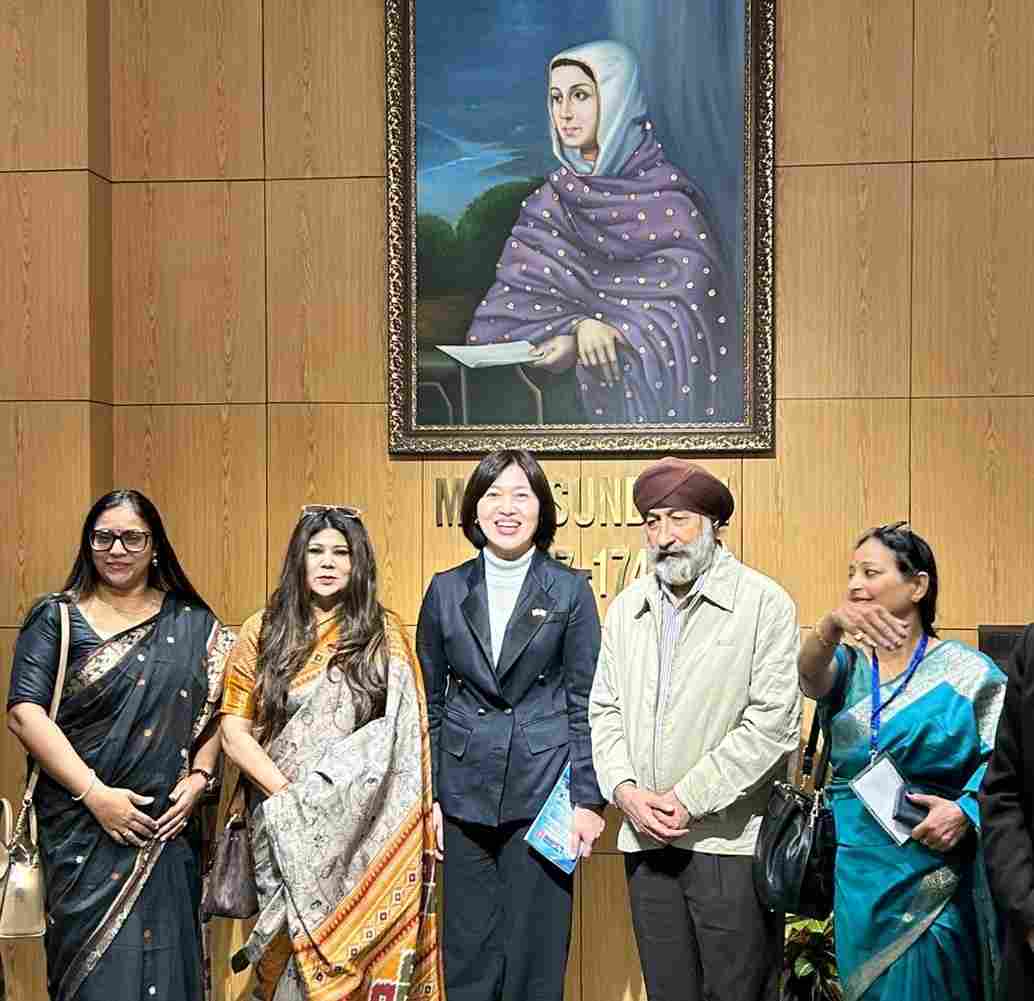
This opportunity came into focus following the one-day international seminar on “India–South Korea Relations: Emerging Issues and Challenges in the Indo-Pacific,” organised on 3 November by the Department of Political Science at Mata Sundri College for Women, University of Delhi, in collaboration with the Indian Council of World Affairs (ICWA). Ms. Hojeong Ko, Director of the Korean Education Centre (KEC), India, attended as Chief Guest.
Beyond the seminar’s discussions on bilateral relations, the engagement opened further dialogue on educational cooperation, including the possibility of introducing Korean language classes at the college.
According to Ms. Ko, KEC is receiving increasing enquiries about initiating Korean language courses or departments from institutions beyond Delhi and the National Capital Region, including Assam, Hyderabad, Pune, Mumbai, Andhra Pradesh and Goa. These enquiries reflect an expanding geographical interest, although individual proposals remain at different stages of discussion.
“The interest we are seeing deserves a sustained institutional response,” Ms. Ko said. “Universities can turn this demand into meaningful opportunities by developing Korean language programmes, creating faculty positions and connecting language education with academic and professional pathways.”
 A central challenge is the availability of qualified teachers. Indian scholars and professionals who have pursued Korean language, Korean studies or related qualifications in India and Korea represent a valuable resource for institutions seeking to establish programmes.
Ms. Ko encouraged universities and higher education authorities to consider policy measures supporting recognised Korean language electives, certificates and degree programmes, alongside transparent recruitment pathways for suitably qualified faculty. Such measures could help institutions move from expressions of interest to sustainable teaching and research.
“Qualified graduates need opportunities to bring their knowledge into Indian classrooms,” she said. “Investing in faculty will strengthen our capacity to educate the next generation and support closer cooperation between universities and industry in both countries.”
The emerging opportunity also extends to links between school education and higher education. For Indian students learning Korean from Grade 6 through Grade 12, a structured curriculum could help them work towards TOPIK Level 3 or above by school completion, strengthening their readiness for further study in Korea.
In this context, the Korean Government’s K-CORE—Korea College-to-Regional Employment—initiative offers a relevant model. It links education in designated departments at Korean colleges with Korean language development, technical training and employment pathways in regional industries.
Students who attain TOPIK Level 3 and meet the relevant academic and programme requirements may be positioned to apply to participating departments. Admission, employment and visa outcomes remain subject to the applicable institutional and government requirements.
“Our ambition should be to build a connected pathway—from Korean learning in Indian schools to higher education, technical expertise and professional opportunities,” Ms. Ko said. “K-CORE illustrates how language and vocational education can work together. Indian institutions can explore complementary partnerships that prepare students for these opportunities.”
KEC supports an approach to talent mobility that benefits both countries: preparing students for further study, enabling qualified professionals to contribute to Indian universities, and developing talent able to work with Korean and Indian businesses.
The Centre will continue dialogue with interested institutions on Korean language education, faculty networks, academic exchanges and industry-linked cooperation. The growing interest across India offers a timely opportunity for higher education leaders to take policy initiatives that translate educational demand into lasting institutional capacity.