Students Keen on Studying in Japan, but Lack Information: MOSAI
Master’s programmes drew the most enquiries as students sought clarity on English-taught courses, language requirements, scholarships and admission procedures.

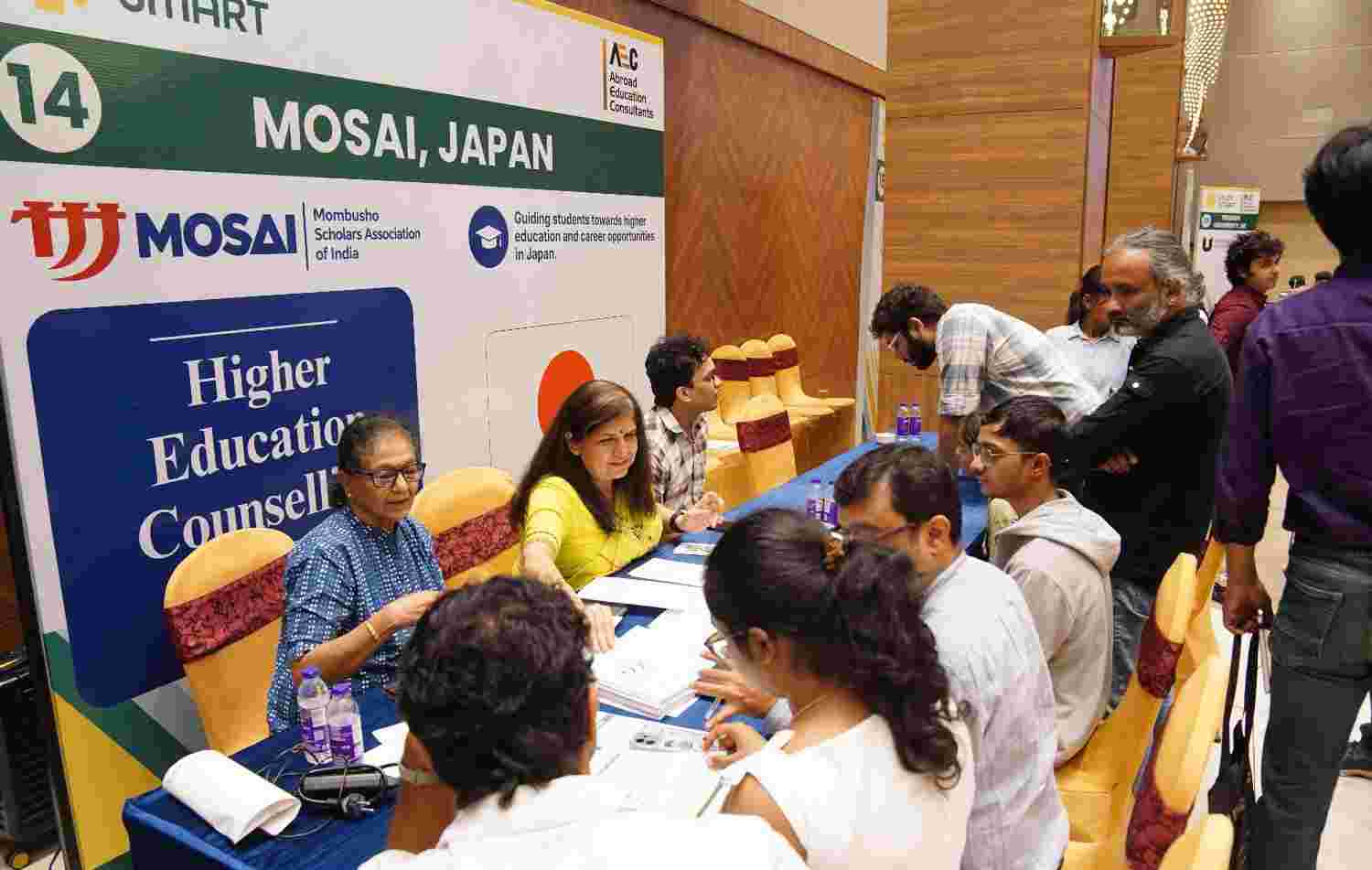
PUNE (INDIA): A strong desire to pursue higher education in Japan is running up against a practical hurdle: students know where they want to go, but many lack clear, consolidated information on how to get there. This emerged as a key observation during interactions by MOSAI’s Higher Education Counselling Cell at the Study Smart Global Education Fair in Pune.
Master’s-level programmes attracted the most enquiries, followed by undergraduate courses. Students and parents repeatedly sought clarity on English-taught programmes, Japanese-language requirements, application procedures and financial assistance, highlighting the need for structured guidance at the beginning of their study-abroad planning.
“One of the significant observations from the Education Fair was the strong aspiration among students to pursue higher education in Japan,” Sneh Lata Madan, Education Counsellor at MOSAI’s Higher Education Counselling Cell, wrote in her report on the event.
Held on September 12, 2026, at the Royal Connaught Boat Club, Study Smart – Abroad Education Consultant organised the fair. According to the report, approximately 50 universities and educational institutions representing around 15–20 countries participated, while about 250 students and parents attended.
Madan interacted with approximately 120 students during the fair. MOSAI’s participation focused on creating awareness about the Embassy of Japan’s Study in Japan programme and helping prospective applicants understand the educational opportunities and admission pathways available.
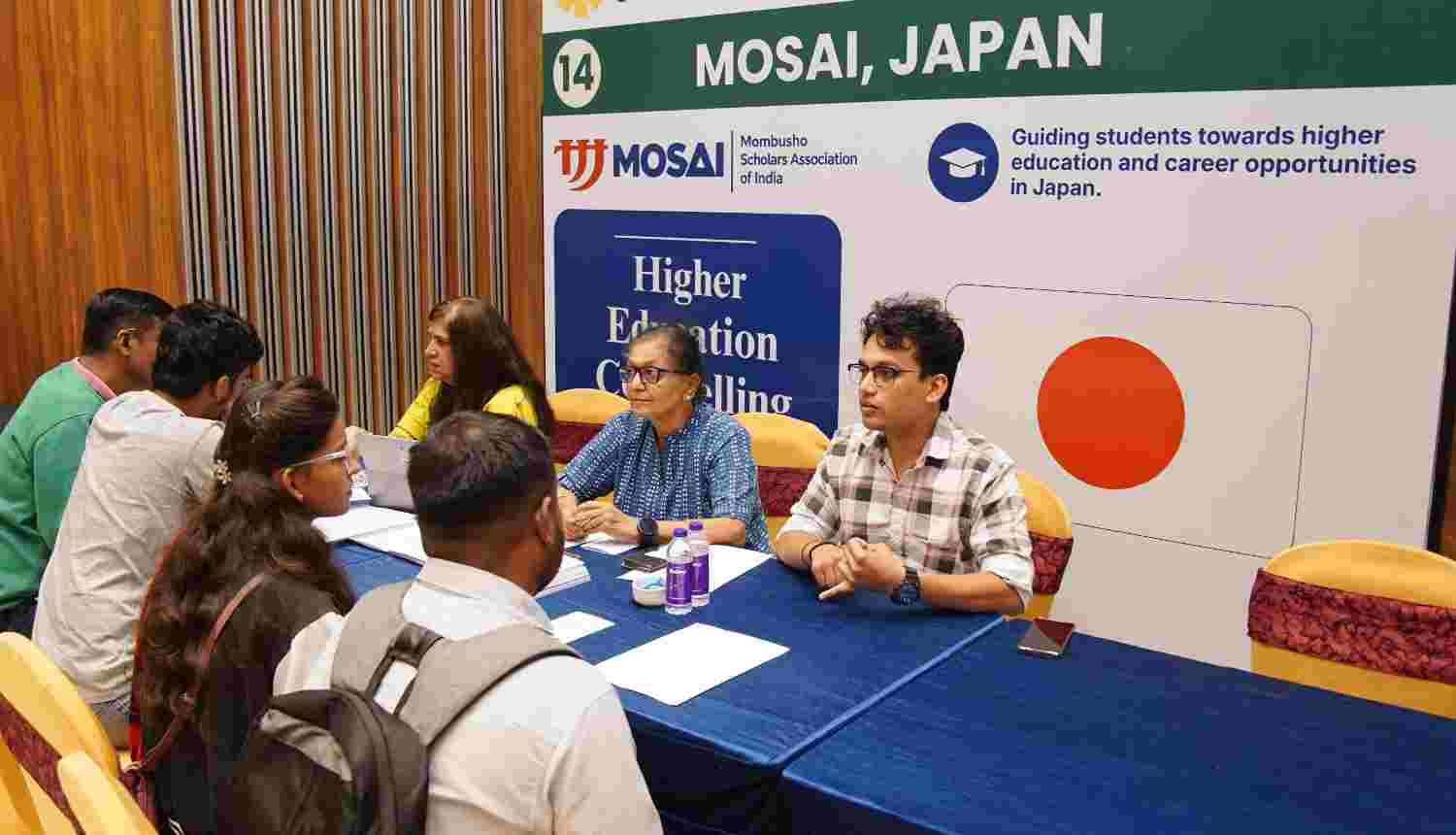 The discussions revealed that interest in Japan was accompanied by uncertainty over basic application decisions. Students wanted to know whether Japanese proficiency was mandatory, which programmes offered other language options, how to approach universities and what tuition fees and overall educational costs they should anticipate.
Several students were also willing to consider self-financed study. Some said they had previously contacted universities or sought information independently but had struggled to obtain sufficient details or responses. These experiences pointed to a need for clearer enquiry channels and guidance on selecting institutions and programmes.
“A number of students were aware of Japan as an attractive destination for higher education but were uncertain about the practical steps involved in applying to Japanese institutions,” Madan noted in the report.
MOSAI’s counselling covered courses, universities, eligibility, application routes, language requirements, fees and scholarships. Students were also introduced to the EJU—the Examination for Japanese University Admission for International Students—and its relevance to prospective applicants.
Informational leaflets were distributed, and contact details of interested students were collected to support continued counselling. The follow-up opportunity is particularly relevant for applicants who need guidance tailored to their preferred course and admission pathway.
Madan was supported at the fair by Vaijayanti Abhyankar, a teacher from the Indo-Japanese Association, Pune, and her student Aditya Thorat. She also exchanged views with Professor Gajanan Kulkarni of D.Y. Patil College of Engineering, Isha Anand, Head–Client Relations at AEC Overseas, and representatives of participating institutions.
The report’s central takeaway was that enthusiasm for Japan needs to be matched with accessible, reliable information. For MOSAI, the interactions identified specific areas where focused counselling can help students turn an aspiration into an informed application plan.