KIEP’s 3rd Visiting Scholar Workshop Charts New Pathways for a Stronger Korea–India Partnership
Experts, academics, and policy leaders examined India’s economic trajectory and regional dynamics, outlining opportunities and challenges for bilateral cooperation ahead of 2026.

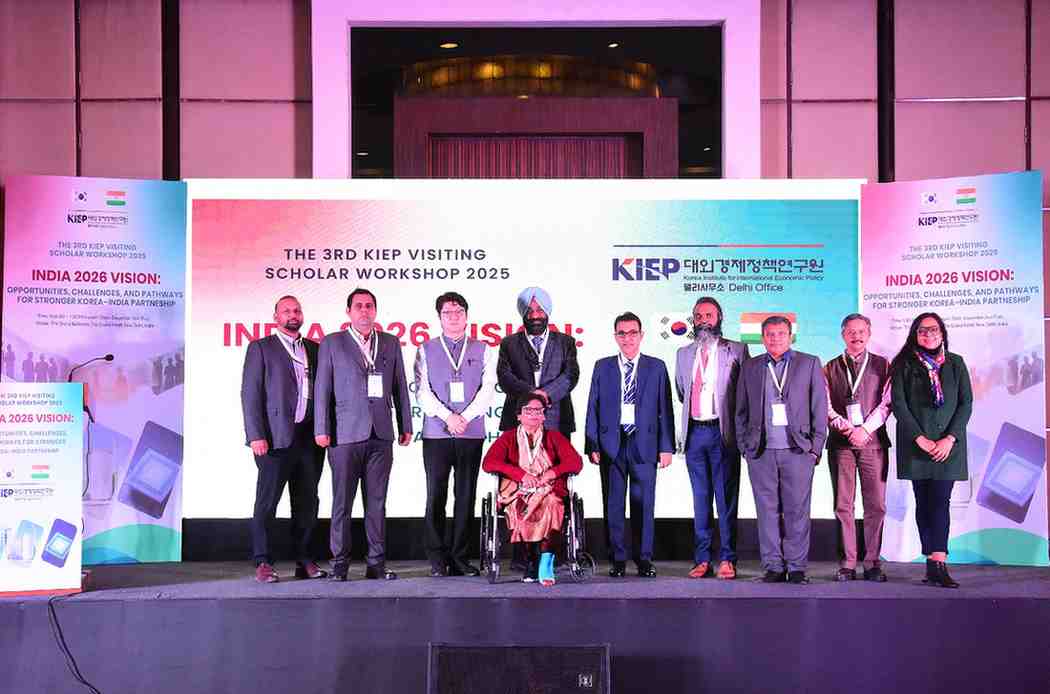
New Delhi, India – The Korea Institute for International Economic Policy (KIEP) Delhi Office successfully concluded the 3rd KIEP Visiting Scholar Workshop 2025 in the capital, bringing together a distinguished group of international relations experts, economists, and industry specialists to discuss India’s emerging economic landscape and its implications for Korea–India cooperation. The workshop, held at The Grand Ballroom of The Grand Hotel, served as a platform to explore the theme, “India 2026 Vision: Opportunities, Challenges, and Pathways for Stronger Korea–India Partnership.”
The half-day forum opened with a welcome and inaugural remarks by Dr Choongjae Cho, Director of KIEP’s Delhi Office, who emphasised the increasing relevance of India in Seoul’s global strategy for economic diversification and regional engagement. The event, which took place on December 2, included extensive discussions on India’s economic indicators, foreign direct investment (FDI) patterns, and geopolitical positioning.
A compelling keynote session set the tone for the workshop by addressing India’s evolving industrial framework and its growing role in global value chains. Notably, presentations explored India’s rising influence in technology, special economic zones (SEZs), and innovation-led development, laying out crucial areas where Korea and India could deepen cooperation.
The workshop unfolded through a series of specialised sessions, each exploring a distinct dimension of India’s evolving landscape.
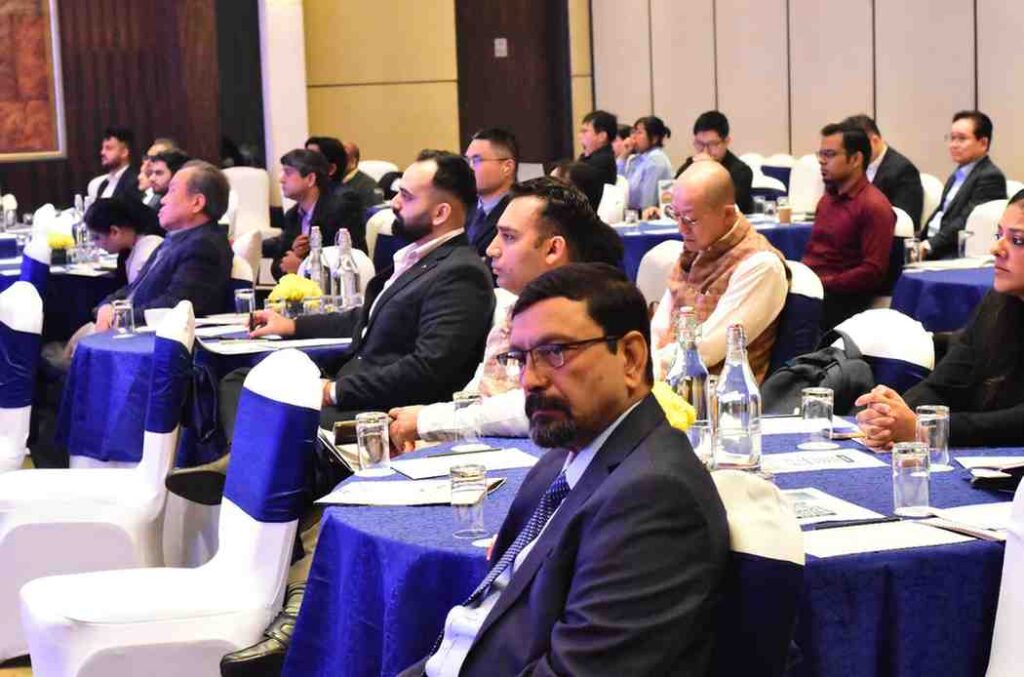
The first session explored India’s diplomatic equations with the United States, China, and Korea, delving into shifting Indo-Pacific geopolitics and their implications for strategic autonomy, security frameworks, and regional trade.
The second session focused on India’s economic fundamentals, assessing macroeconomic trends, financial sector stability, and patterns in foreign direct investment. Presenters underscored how ongoing policy reforms and India’s economic resilience have contributed to strengthening investor sentiment.
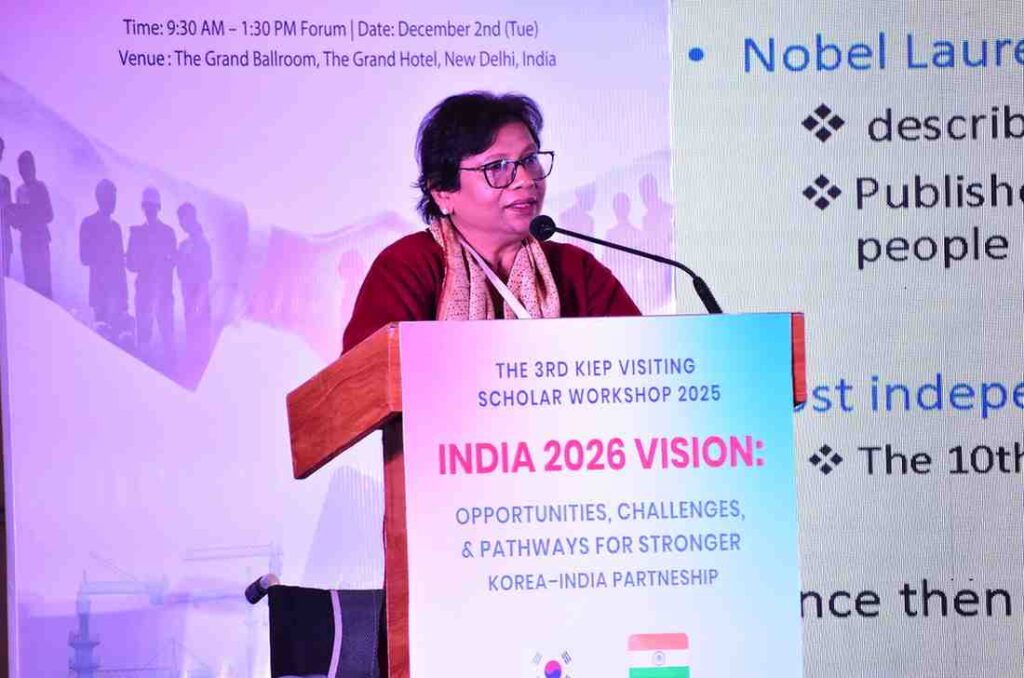 The third session turned attention to India’s push toward digital transformation, green industrial growth, and technological upgrades. Discussions spotlighted regulatory hurdles and emerging areas of cooperation, particularly those offering new avenues for Korean businesses to engage with India’s expanding innovation ecosystem.
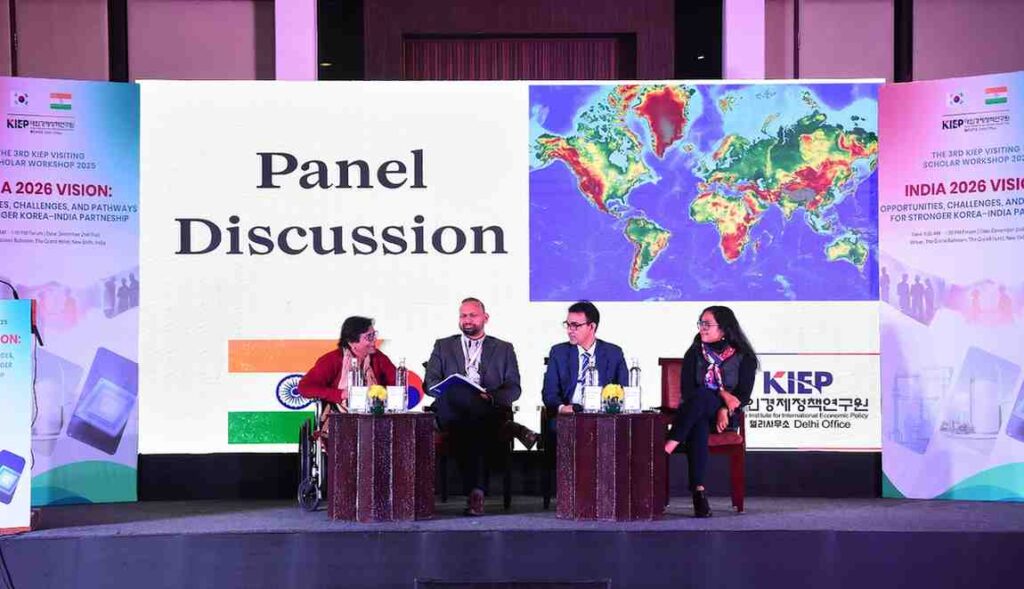
Each session culminated in panel discussions and open-floor interactions, enabling government officials, academics, and stakeholders to exchange insights. Participants explored policy recommendations that could help Korean policymakers, researchers, and businesses navigate India’s rapidly transforming economic environment.
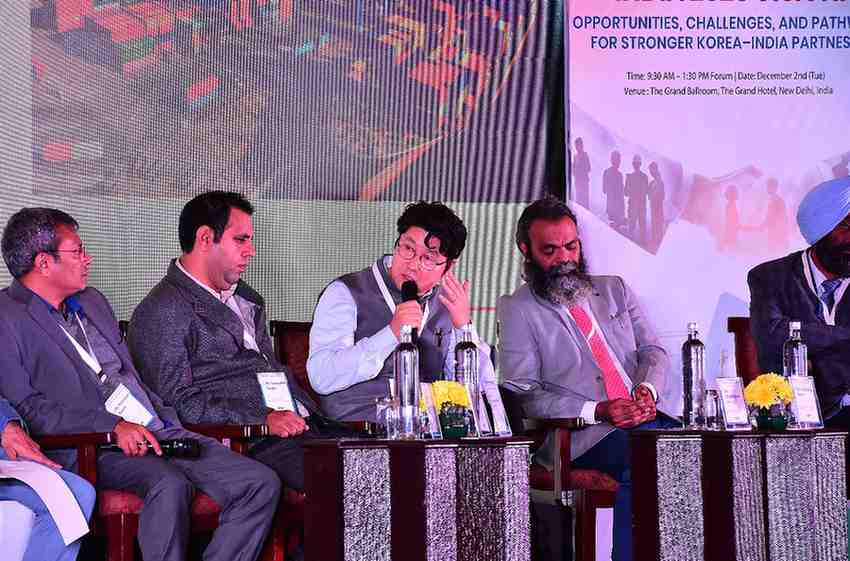
In line with KIEP’s mandate to advance Korea’s global economic diplomacy, the workshop also reinforced New Delhi’s position as a pivotal hub for bilateral research and policy engagement. The organisers noted that the outcomes of this workshop would help refine future strategies for Korea’s engagement with India and strengthen cross-border knowledge-sharing frameworks.
The event concluded with lunch and networking, allowing delegates to build professional connections and deepen institutional linkages—further consolidating the workshop’s commitment to fostering sustainable Korea–India partnerships.