Sealed Papers, Phone-Free Halls and Continuous Vigil: How MOSAI Conducted Record JLPT
Strict Japan-prescribed procedures governed the examination of 6,061candidates across three New Delhi centres.

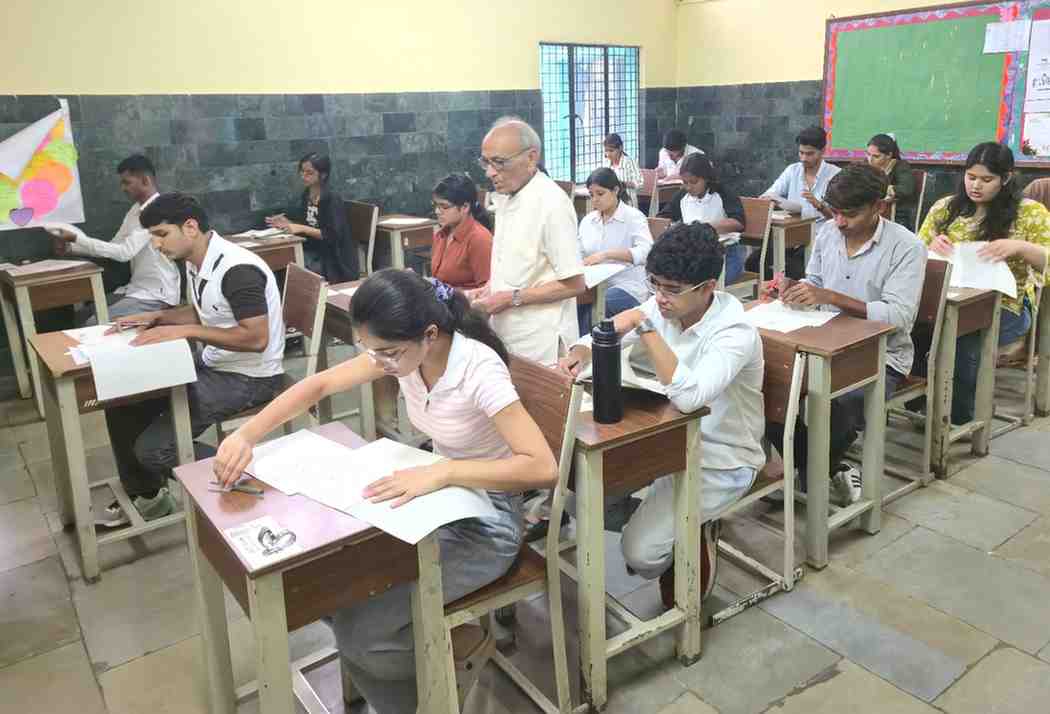
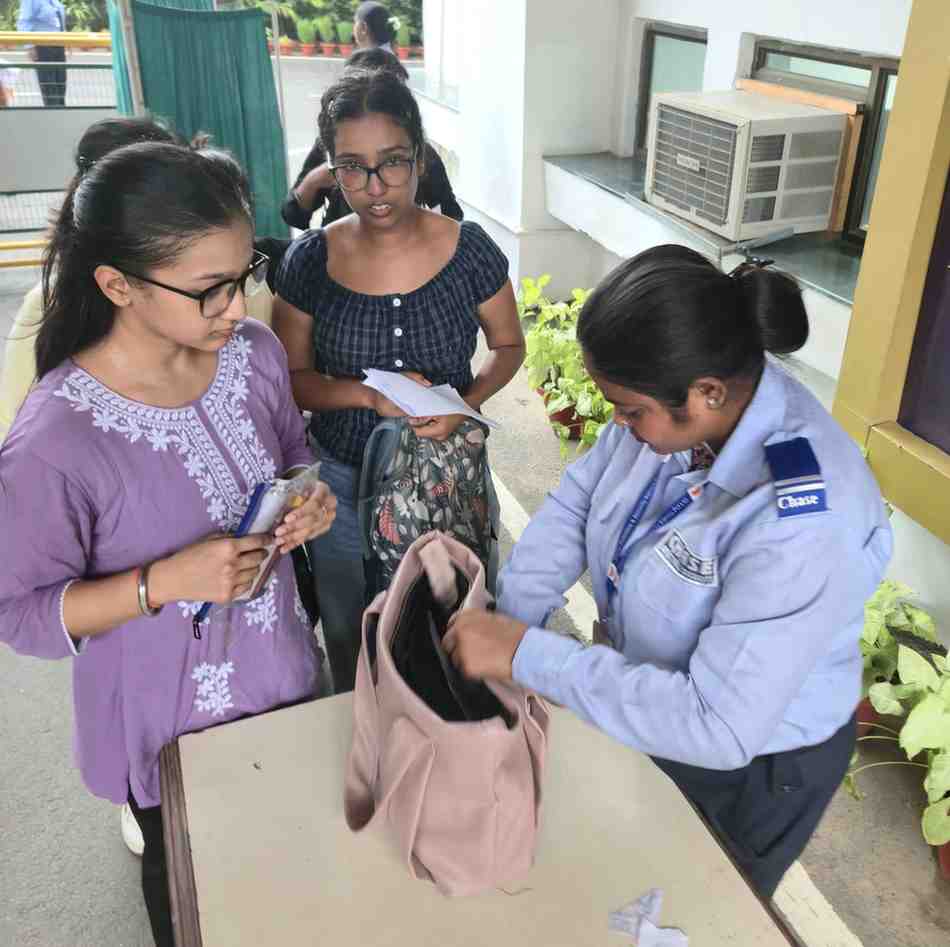
New Delhi: Behind the record participation of 6,061 candidates in the July 5 Japanese-Language Proficiency Test was a tightly controlled examination operation involving sealed question papers from Japan, repeated and rigorous staff training, tested audio systems and strict restrictions on electronic devices.
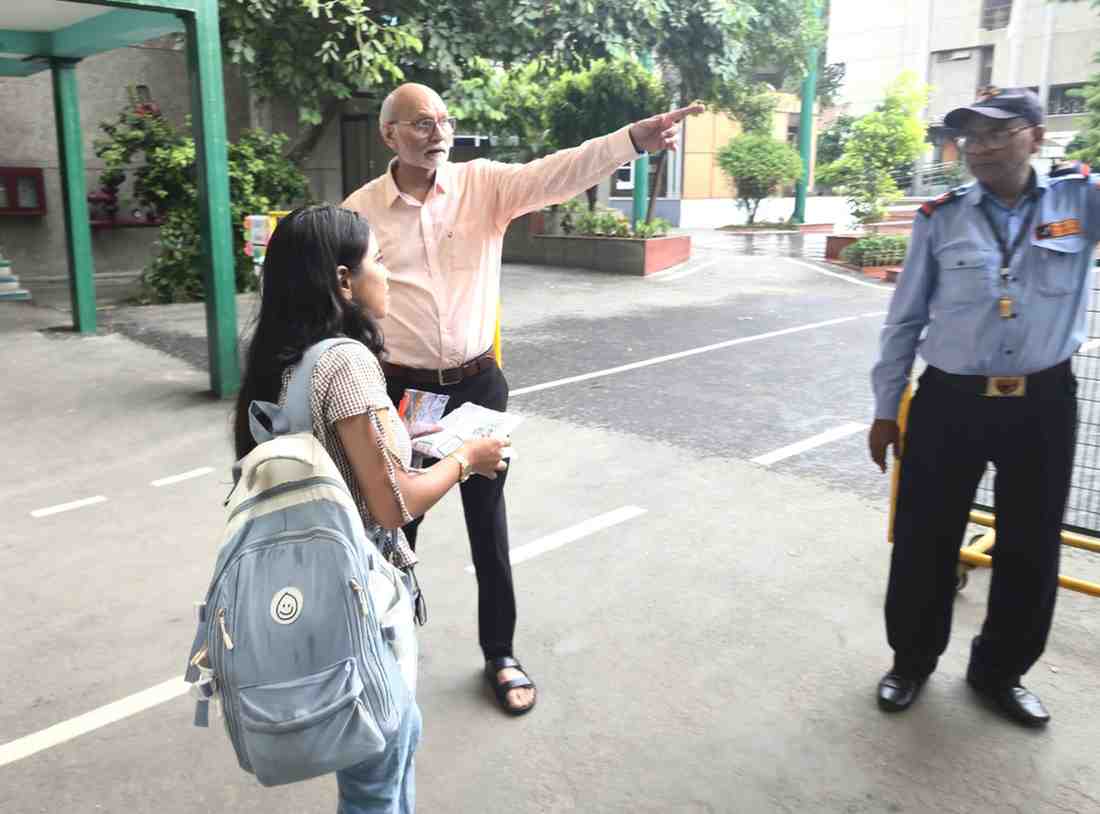
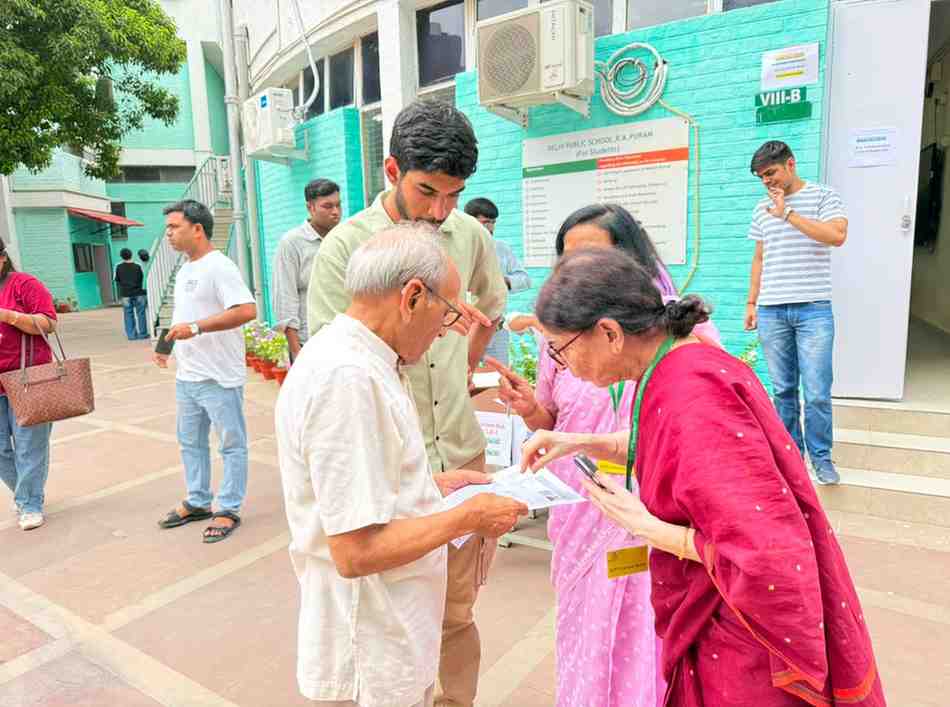
In an exclusive arrangement with MOSAI, the Asian Community News (ACN) Network team had a close look at the examination process at the DPS International School, R.K. Puram, one of the three centres in Delhi. Ramjas College; and Vivekananda Institute of Professional Studies, were two other centers.
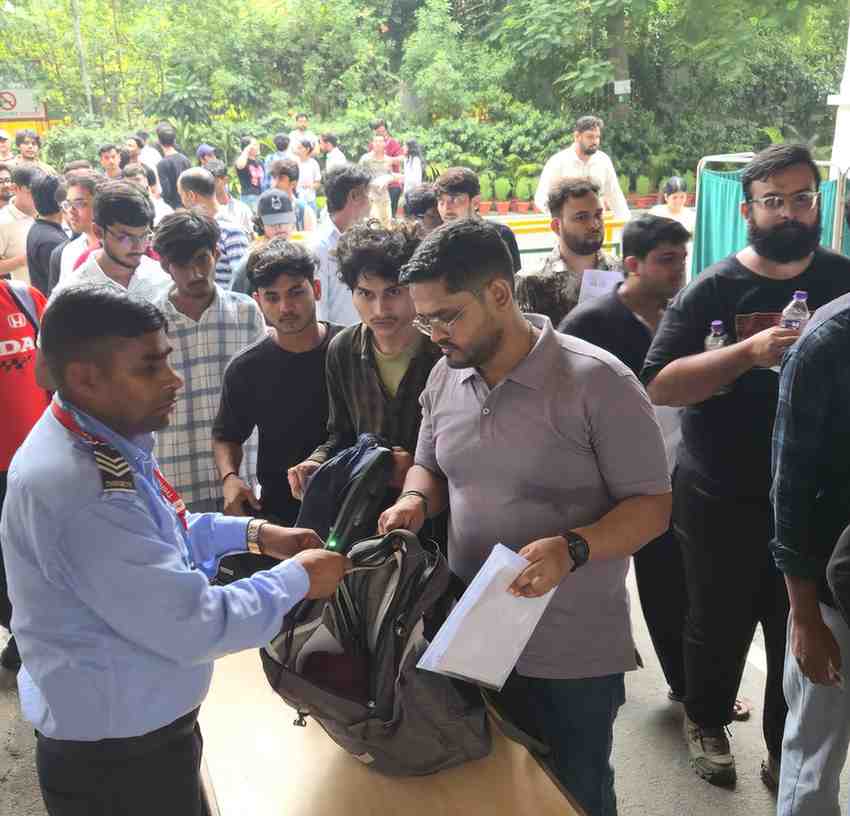 Approximately 50 MOSAI staff members were deployed, supported by personnel from the examination venues and professionals associated with Jawaharlal Nehru University.
The large-scale exercise covered all levels from N1 to N5 and required precise coordination of candidate verification, seating, paper distribution, listening tests, supervision and collection of answer sheets.
MOSAI Chairman Prof. (Dr.) Ashok Jain said the JLPT is administered worldwide according to common standards designed to protect its credibility and ensure equal conditions for candidates. “The examination is conducted across the world on the same day to maintain transparency and uniformity,” Dr Jain said.
 The question papers are prepared in Japan and dispatched to authorised centres in sealed packets. After reaching India, the packets are kept in secure locations away from public access and are opened at the examination centres only immediately before the test begins.
The listening component requires equally rigorous preparation. Speakers were installed or inspected in advance in every designated room, and multiple trials were conducted to check sound clarity, volume and reliability.
Dr Jain said the tests were necessary to ensure that candidates in different rooms did not face unequal conditions because of technical problems.
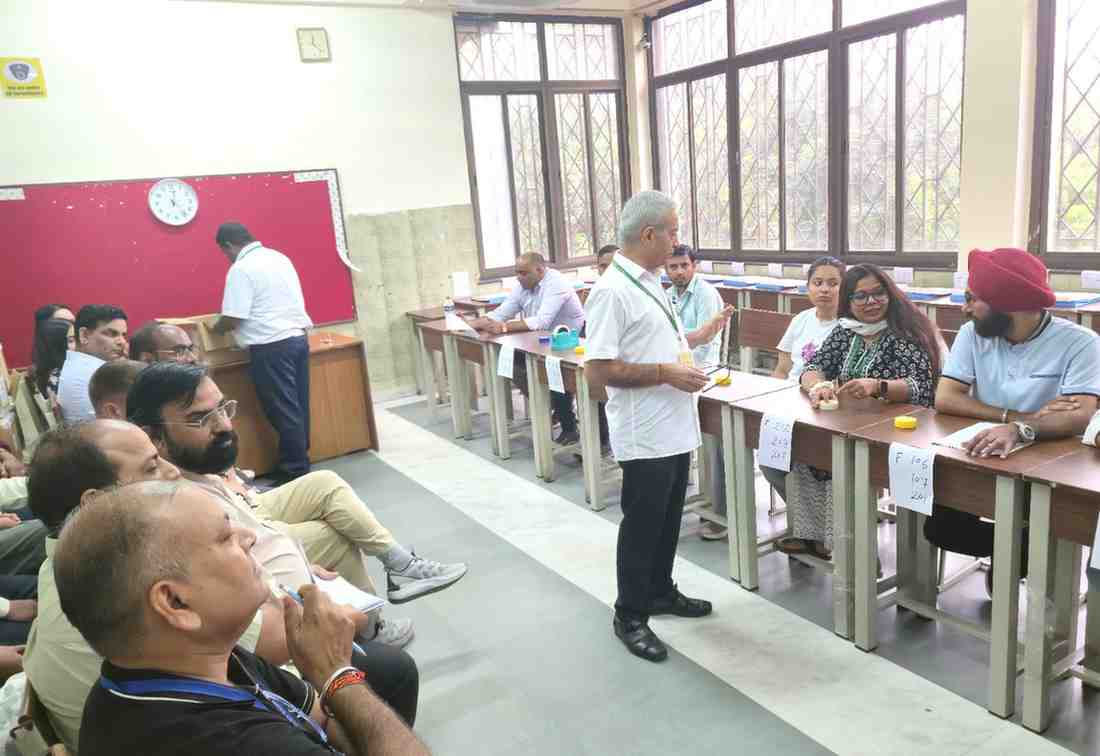
 Training of proctors began well before examination day. Dr Jain personally conducted three to four virtual meetings with those assigned to supervisory duties. Participants were required to keep their cameras switched on, and each meeting included detailed instructions followed by rigorous question-and-answer sessions.
The training covered candidate identification, permitted material, examination timings, distribution and collection of papers, management of the listening section and procedures for reporting irregularities or emergencies.
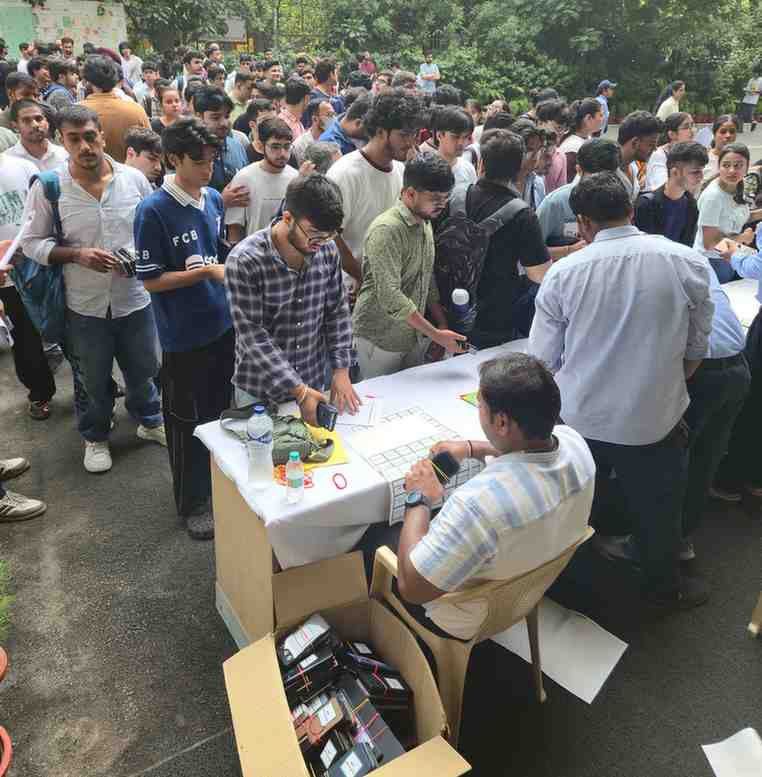
Mobile phones belonging not only to candidates but also to proctors were deposited before entry into the examination halls. The measure was intended to eliminate the possibility of unauthorised communication, photography, recording or even accidental disruption caused by a ringing device.
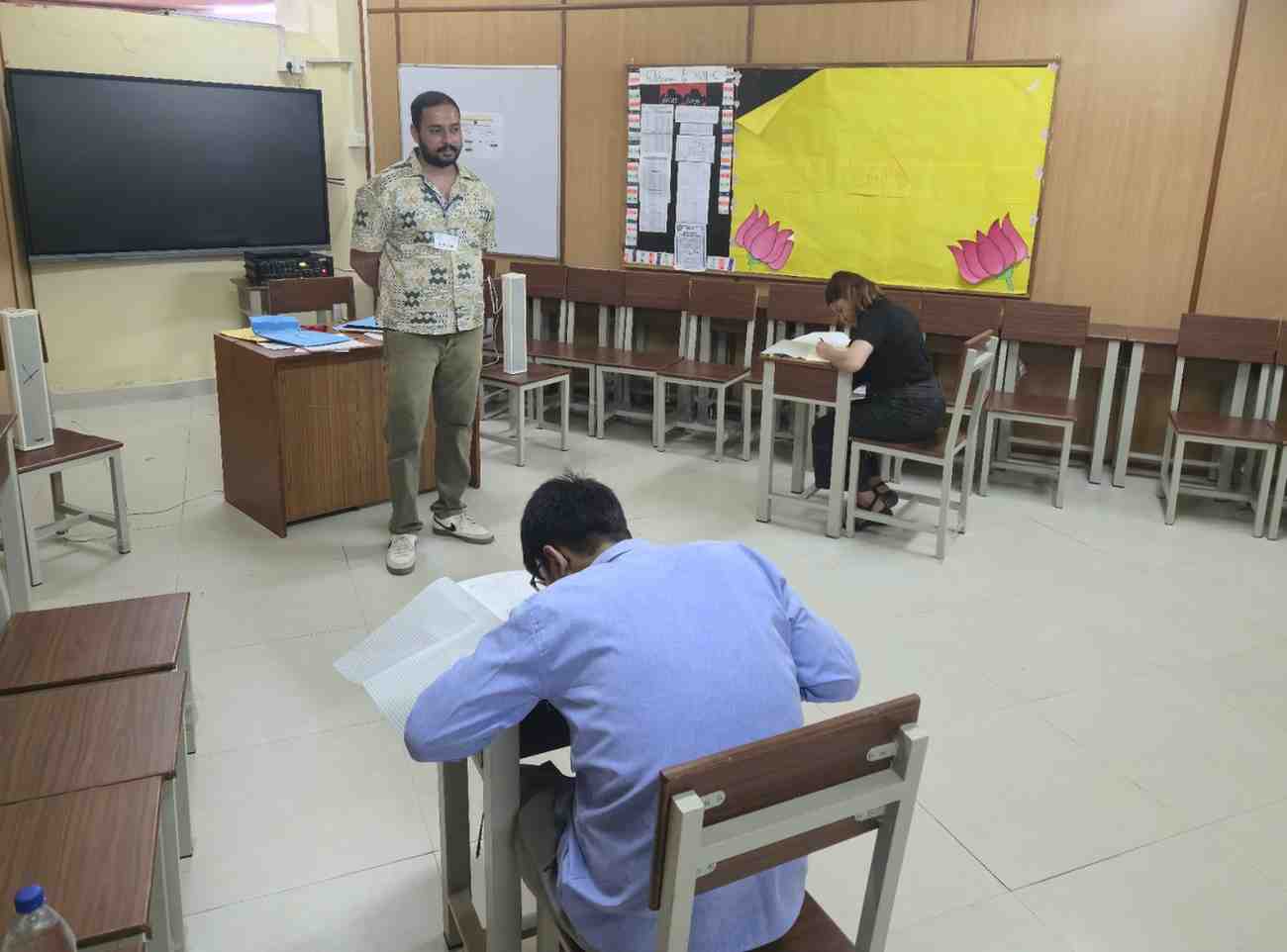 Special arrangements were made for Special Testing Applicants, including candidates requiring approved disability-related accommodation. Dedicated rooms and invigilators were assigned to them while maintaining the academic and security standards applicable to the wider examination.
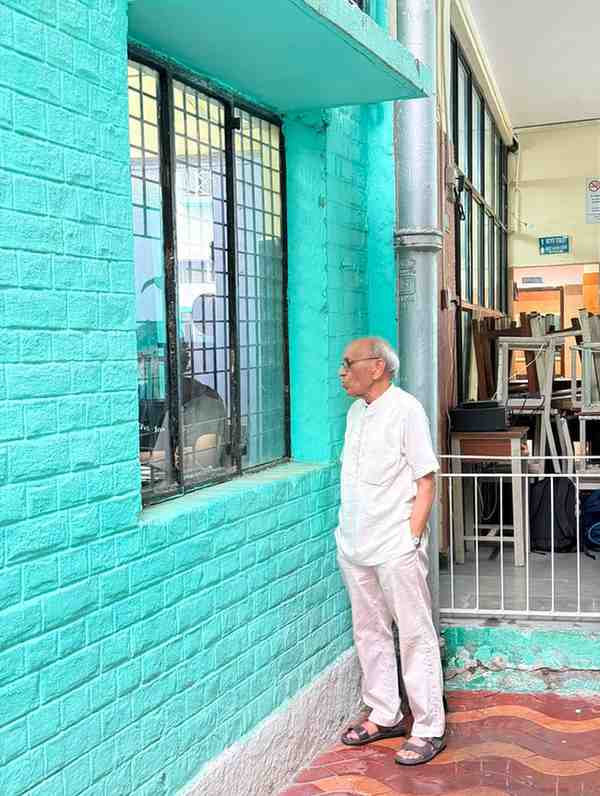
Dr Jain remained on continuous vigil during the test, moving from one examination room to another instead of supervising solely from a central control area.
A former director of the CSIR’s National Institute of Science, Technology and Development Studies, Dr Jain has had a decades-long association with Japan. A former Japanese Government scholarship recipient, he studied at Kyoto University and later served as Science Attaché at the Embassy of India in Tokyo.
 His academic and official background, and his long-standing involvement in India-Japan educational relations, have earned him considerable respect within Japanese institutional circles.
MOSAI’s association with Japanese-language education also has deep roots. In 2002, it took over the Japanese-language teaching programme that had earlier been conducted by the Embassy of Japan and subsequently developed the MOSAI Institute of Japanese Language. It later assumed responsibility for administering the JLPT in New Delhi as the local institution.
Experienced Japanese-language specialists were also assigned important operational roles. Veteran interpreter and scholar Dr Ashok Kumar Chawla headed one of the examination centres at DPS International School, R.K. Puram. Others centers were overseen by Prof. Sushama Jain, a retired. Professor of Jawaharlal Nehru University, and Dr. Janashruti Chandra, Associate Professor at the Centre for Japanese Studies (CJS), School of Language, Literature and Culture Studies, JNU.
 Dr Chawla has more than four decades of experience in Japanese-language teaching, research and interpretation. He served for many years as a visiting faculty member at Jawaharlal Nehru University and has worked in fields ranging from automobiles, steel, and energy to pharmaceuticals, defence, and industrial standards. His assignments have also included high-level India-Japan official engagements.
Dr Jain said MOSAI’s emphasis on synchronisation once led the Japan Foundation to delay the start of the examination in neighbouring Bangladesh by half an hour to align it with India’s timing and protect the confidentiality of the process.
 For MOSAI, the successful handling of 6,061 candidates was not merely a logistical accomplishment. It was a test of institutional credibility involving the reputation of the JLPT, the confidence of Japanese authorities and the interests of thousands of candidates relying on the qualification for education and employment.