Korean Envoy Draws Parallel Between Diwali and Chuseok, Highlights Shared Family Values
Ambassador Lee Seong-ho says India's festival of lights and Korea's harvest festival share the spirit of family, togetherness and community as Korea Culture Day 2026 connects New Delhi and Hyderabad through cultural celebrations.

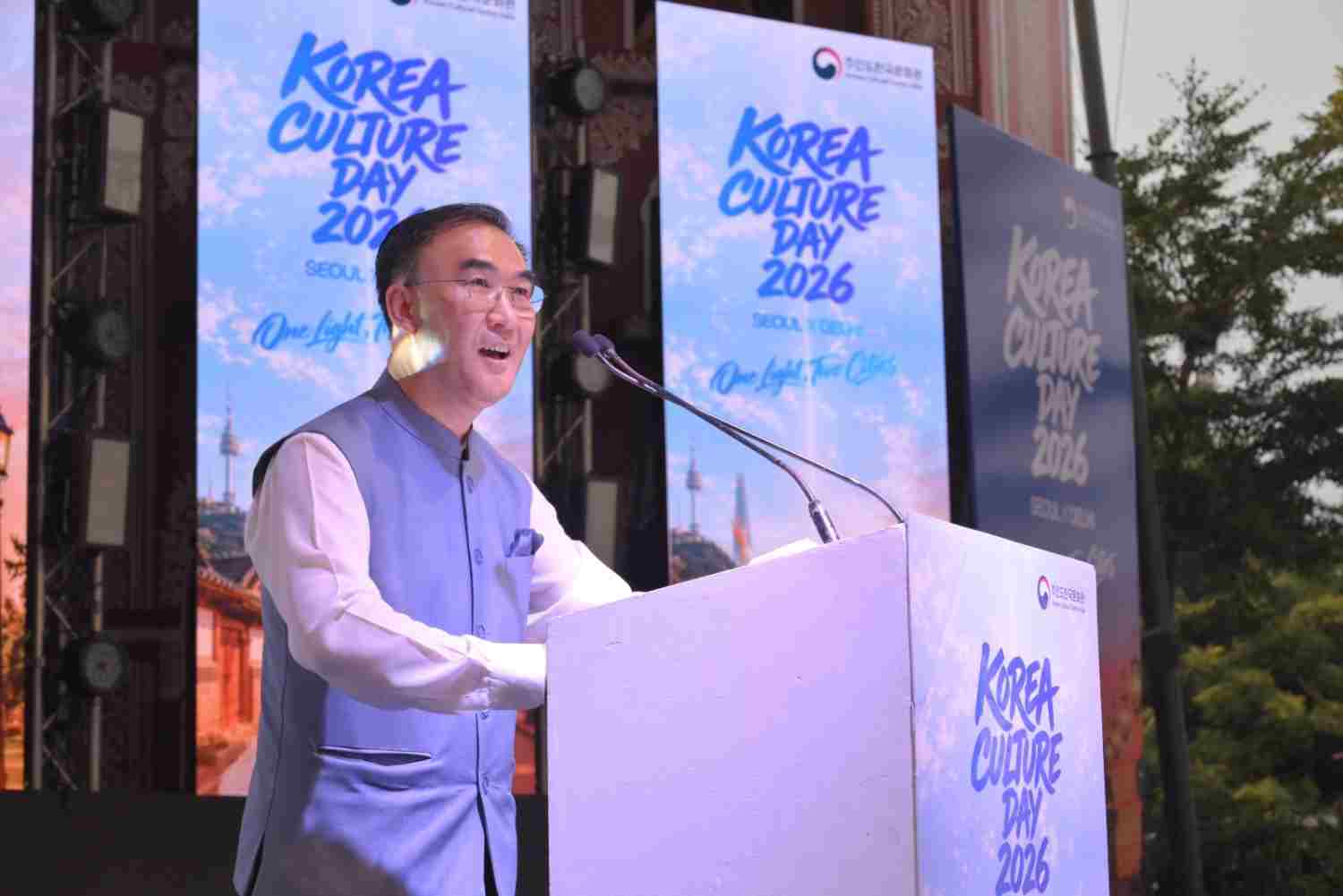
NEW DELHI: Drawing a striking cultural parallel between India’s Diwali and South Korea’s Chuseok, Ambassador Lee Seong-ho said that despite their distinct traditions, both festivals shared the same fundamental spirit of cherishing family, strengthening community bonds and sharing light and happiness with one another.
The Korean envoy’s observation became the central message of Korea Culture Day 2026, which celebrated the cultural bonds between India and South Korea through music, traditional performances, martial arts and interactive experiences at Select CITYWALK in Saket, New Delhi, on October 23–24.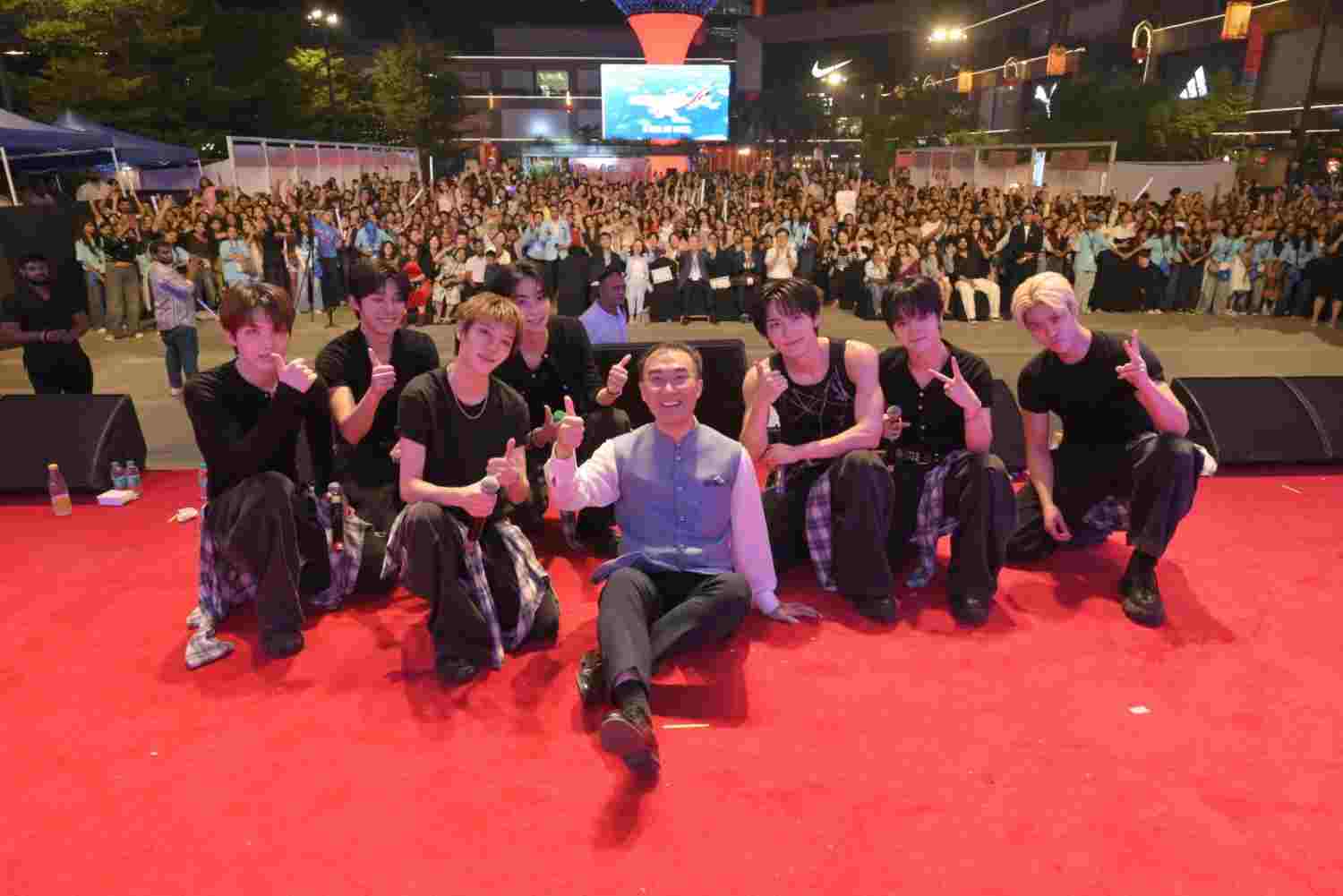
Addressing the opening ceremony, Ambassador Lee emphasised that although Diwali and Chuseok had evolved from different cultural and historical backgrounds, they reflected similar human values that transcended national boundaries.
While Diwali celebrates the triumph of light over darkness and brings Indian families and communities together through festivities, Chuseok, one of Korea’s most important traditional holidays, revolves around family reunions, gratitude, the harvest and honouring ancestors.
The Ambassador observed that these shared values provided a meaningful foundation for strengthening friendship between India and the Republic of Korea.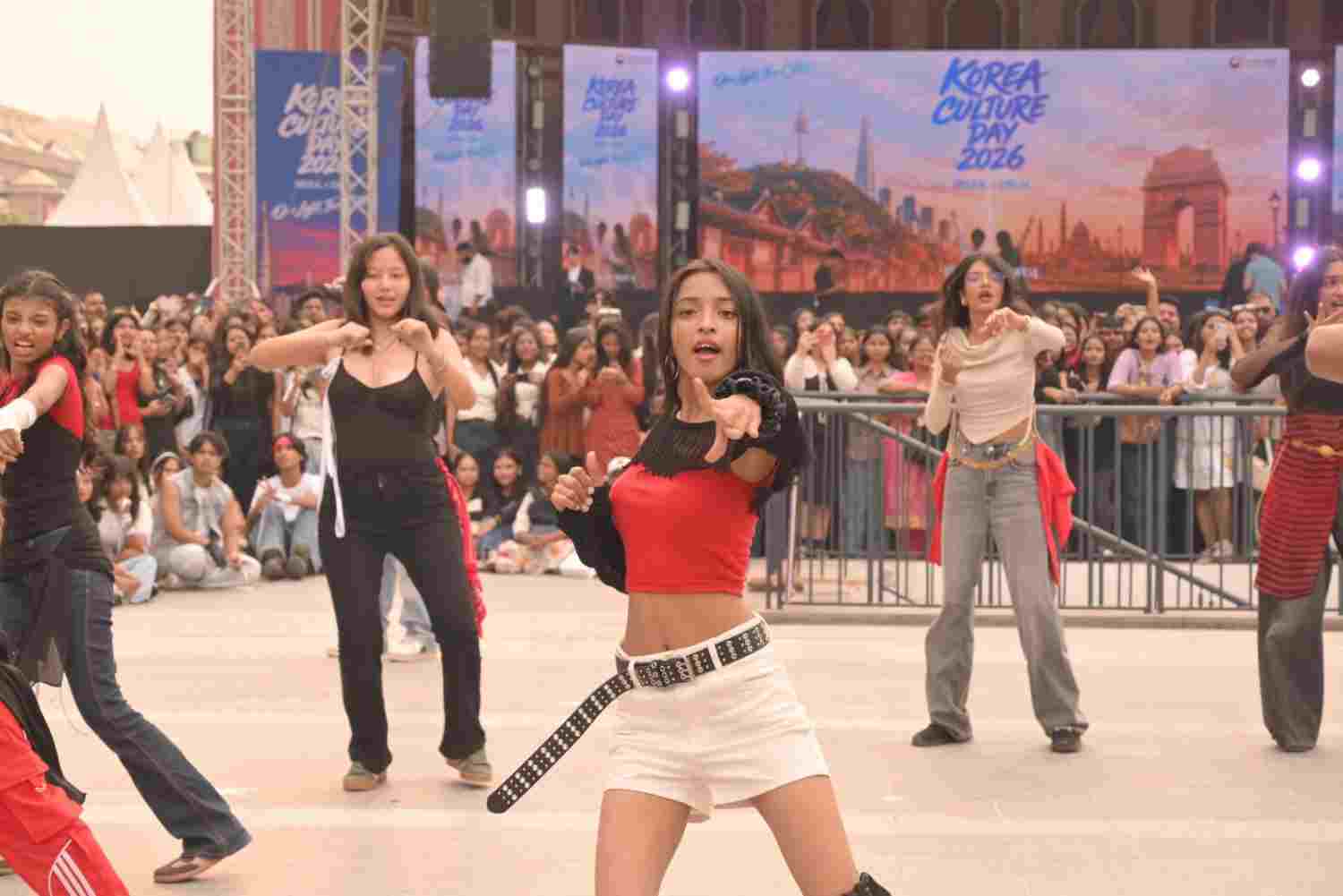
He particularly underlined that cultural exchange was not merely about presenting one country’s traditions to another. Rather, it was about developing mutual understanding, establishing new human connections and building lasting relationships between people from different societies.
His message resonated with the central theme of this year’s celebration, **”One Light, Two Cities,”** which symbolised the common cultural spirit of Diwali and Chuseok while connecting audiences in New Delhi and Hyderabad through a broader celebration of Korean culture.
Organised by the Korean Cultural Centre India under the Embassy of the Republic of Korea, the festival integrated the popular annual *Rang De Korea* celebration into the wider Korea Culture Day initiative, reflecting an expanding effort to deepen India–Korea cultural engagement.
The theme was brought alive through a specially designed corridor-of-light installation, which emerged as one of the festival’s prominent visual attractions. Symbolising shared hope, friendship and cultural harmony, the illuminated installation offered visitors a visual representation of the connections between the two countries.
The celebration came at an important juncture in bilateral relations. During their summit in April 2026, the leaders of India and South Korea had agreed to expand cultural and people-to-people exchanges alongside economic and strategic cooperation, recognising the importance of greater understanding of each other’s societies and traditions.
Against this backdrop, Korea Culture Day demonstrated how cultural diplomacy could complement the growing economic and political relationship between the two countries.
The festival also provided opportunities for visitors to experience Korean culture firsthand through interactive zones featuring traditional games, food, popular entertainment and lifestyle products.
Kang Kwon Su, Director of Korean Cultural Centre India, emphasised that the festival had been designed as an inclusive cultural platform for people from different backgrounds.
“This event has been designed to give a diverse range of visitors, including young people in India, the opportunity to experience Korean culture firsthand and deepen mutual understanding between the two countries,” he said.
Highlighting the Centre’s commitment to taking Korean cultural experiences beyond the national capital, Kang added, “We will continue to expand cultural exchange programmes in major Indian cities, creating more opportunities for local and Korean cultures to come together in diverse ways.”
### Cultural Friendship Extends to Hyderabad
The wider Korea Culture Day 2026 initiative also brought Korean performances and interactive experiences to Hyderabad, extending the celebration beyond the national capital.
While New Delhi hosted *Rang De Korea* on October 23–24, Hyderabad became the venue for *K-Harmony Festa* on October 25 at Shilpakala Vedika in HITEC City.
The Hyderabad edition marked an important geographical expansion of the celebration, introducing the broader Korean cultural festival to one of southern India’s major urban centres.
The programme incorporated traditional cultural performances from Telangana, reflecting the festival’s emphasis on bringing Korean and Indian artistic traditions onto a shared platform.
By combining Korean performances with local Indian cultural expressions, the initiative sought to demonstrate that meaningful cultural engagement involved not just introducing Korean traditions to India but also recognising and celebrating India’s own cultural diversity.
For the organisers, this approach represented an important dimension of people-to-people diplomacy, particularly at a time when India–South Korea relations were expanding across business, education, technology, tourism and cultural cooperation.
Ultimately, Korea Culture Day 2026 went beyond being a colourful cultural festival.
Through the symbolism of Diwali and Chuseok, it conveyed a deeper message about the shared values that connect the people of India and Korea despite differences in language, geography and cultural customs.
Ambassador Lee’s comparison between the two festivals offered a fitting reflection of the growing relationship: while the countries might celebrate their traditions differently, the human emotions underlying those celebrations—love for family, gratitude, togetherness, hope and community—remained remarkably similar.