Farewell to a Titan: Former PM Lee Hae-chan’s Final Journey Honored in Korea and India
Ex‑PM's Vietnam Heart Attack Sparks 5‑Day Social Funeral in Seoul; Indian Diaspora Pays Tearful Tributes Amid Korean Community Mourning

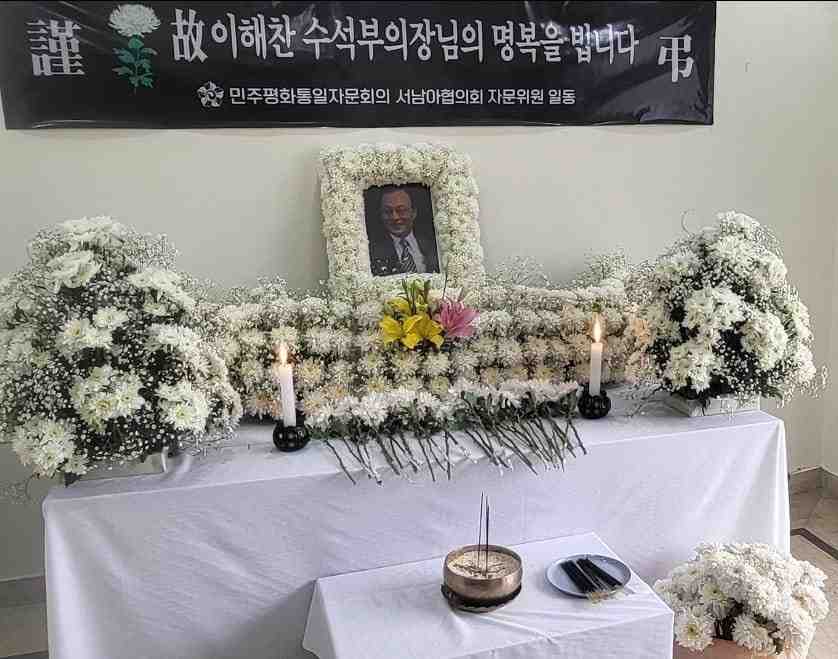
New Delhi/Seoul, January 31, 2026 – South Korea bade a poignant goodbye to former Prime Minister Lee Hae-chan on Saturday, capping a five-day “social funeral” that drew leaders, comrades, and admirers. The 73-year-old veteran Democrat, who succumbed to a cardiac arrest in Vietnam on January 25, was cremated and laid to rest near his parents, capping a legacy of fiery politics and unification advocacy.
 Lee, Senior Vice President of the Peaceful Unification Advisory Council (PUAC), collapsed from a myocardial infarction during a Hanoi trip on January 23.
Rushed to Ho Chi Minh City’s hospital, doctors inserted a stent, but he slipped into unconsciousness, passing on January 25. Vietnam’s Foreign Ministry aided repatriation; his remains arrived at Incheon Airport on January 27, ferried to Seoul National University Hospital’s funeral hall.
A five-day rite—longer than Korea’s standard three—honored his societal impact. Hosted by PUAC and the Democratic Party, the proceedings unfolded January 27–31. President Lee Jae-myung and First Lady attended Saturday’s National Assembly rite; cremation hit Seoul Memorial Park at 11 a.m., procession to Sejong’s Eunhasu Park by 3:30 p.m. Democratic Party observed mourning; PM Kim Min-seok chaired.
 Lee’s odyssey: Democratic activist, multiple PM stints (2017, 2020), party leader. Post‑2020 retirement, PUAC role. Tributes lauded his push for democracy and his sharp oratory.
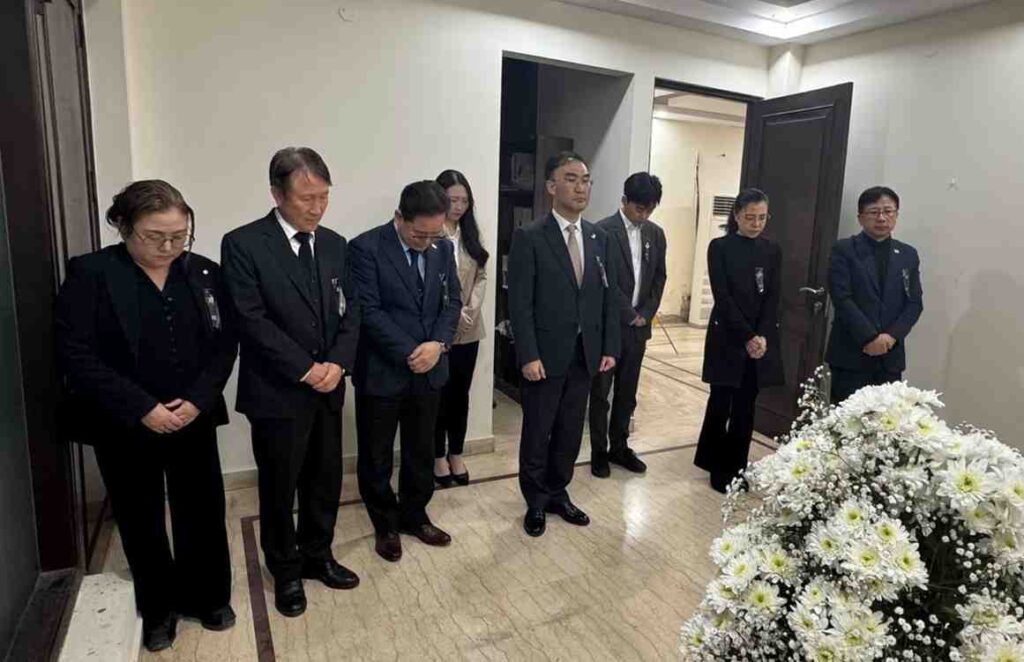
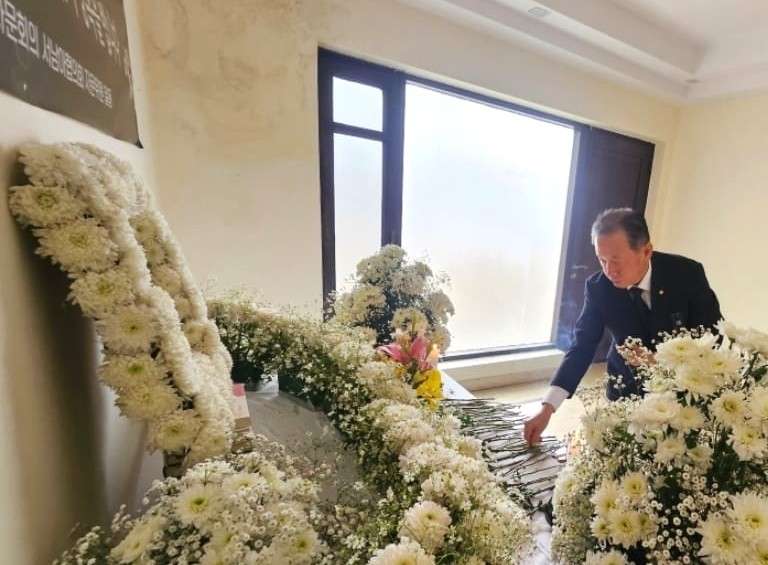
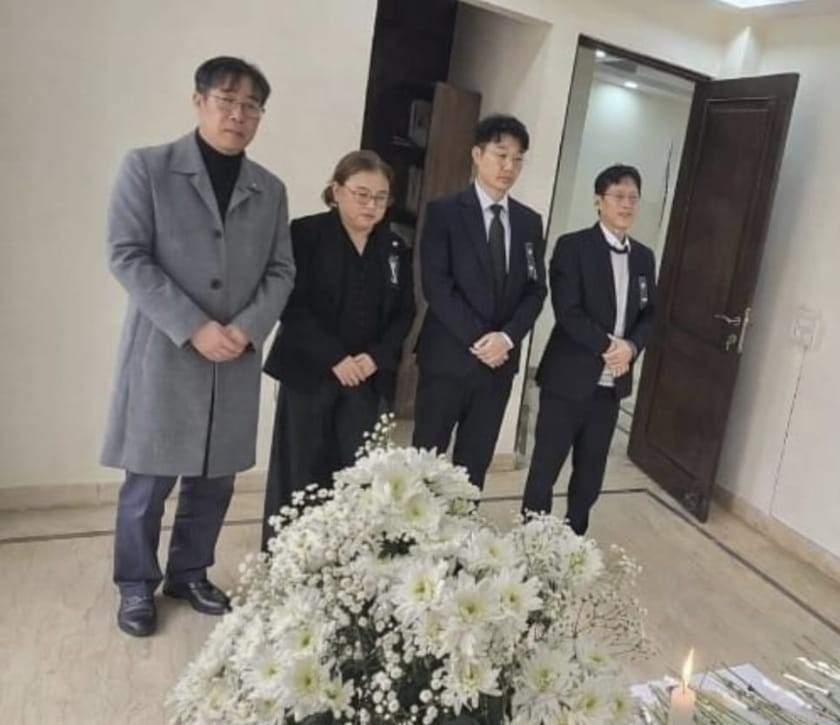
Indian Diaspora Echoes Grief: Ripples hit India at the Korean Association in India office, New Delhi. Ambassador Lee Seong-ho, Southwest Asia PUAC Chairman Park Euy Don, Korean Association President Lee Kwang-il, and diaspora luminaries gathered for tributes.
Floral wreaths, candles, and prayers marked solemnity; Korean hymns mingled with silent bows. “A unifier lost,” Ambassador Lee mourned, noting Lee’s Indo-Korea ties via PUAC outreach.
 Lee Hae-chan (1952–2026) was a towering South Korean progressive politician, known for his fiery pro-democracy activism, education reforms, and pivotal roles in key administrations. He won seven straight National Assembly terms (1988–2016), first upsetting heavyweight Kim Chong-in in Gwanak, Seoul.
Born July 10, 1952, in Cheongyang, Chungcheongnam-do, Lee shone in the May 18 Gwangju Uprising probes post-1988 election, grilling witnesses incisively. As Seoul deputy mayor (1995), he backed Kim Dae-jung’s 1997 bid, then chaired the New Millennium Democratic Party policy.
Kim Dae-jung’s Education Minister (1998–1999), Lee, overhauled rigid systems: college entrance revamp, teacher retirement age cuts, and anti-corruption drives. Roh Moo-hyun’s PM (2004–2006)—post-impeachment powerhouse—Lee steered crises, advanced Sejong City (admin hub despite court blocks), sited Gyeongju nuclear waste repo (2005 resolution).
Post-2020, Senior VP Peaceful Unification Advisory Council (PUAC), championing North ties. Seven-term record, democracy torchbearer—endured jail under dictatorships.
Nicknamed “Bulldozer” for tenacity, Lee’s legacy is education modernisation, administrative decentralisation, and party reforms.