I Have Two Motherlands: Abhishek Gupta aka Lucky on Bridging India, Korea
ACN INTERVIEW

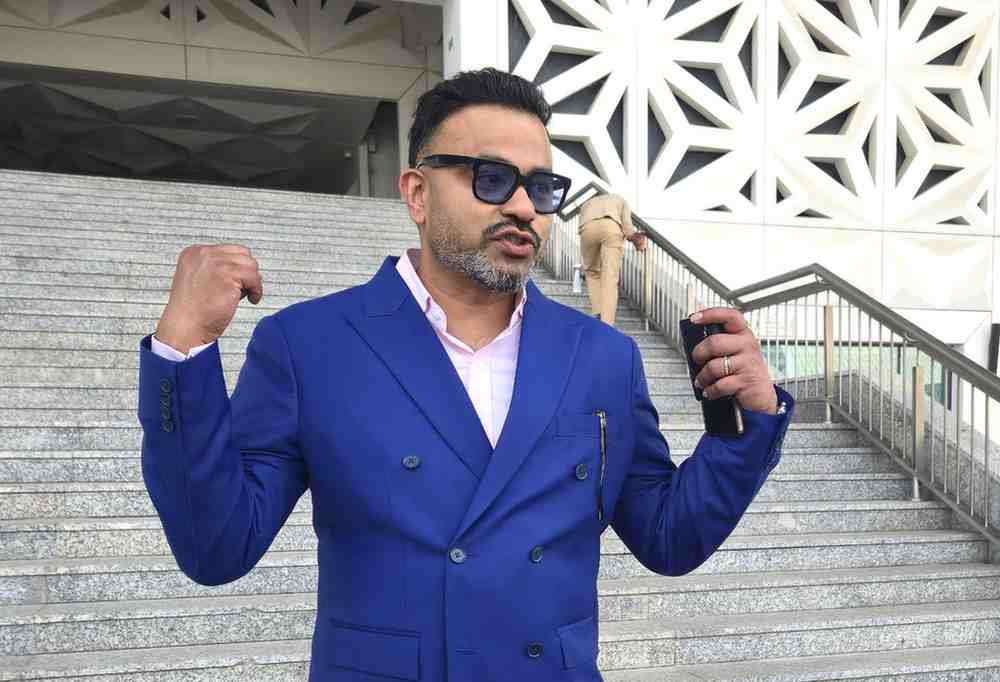
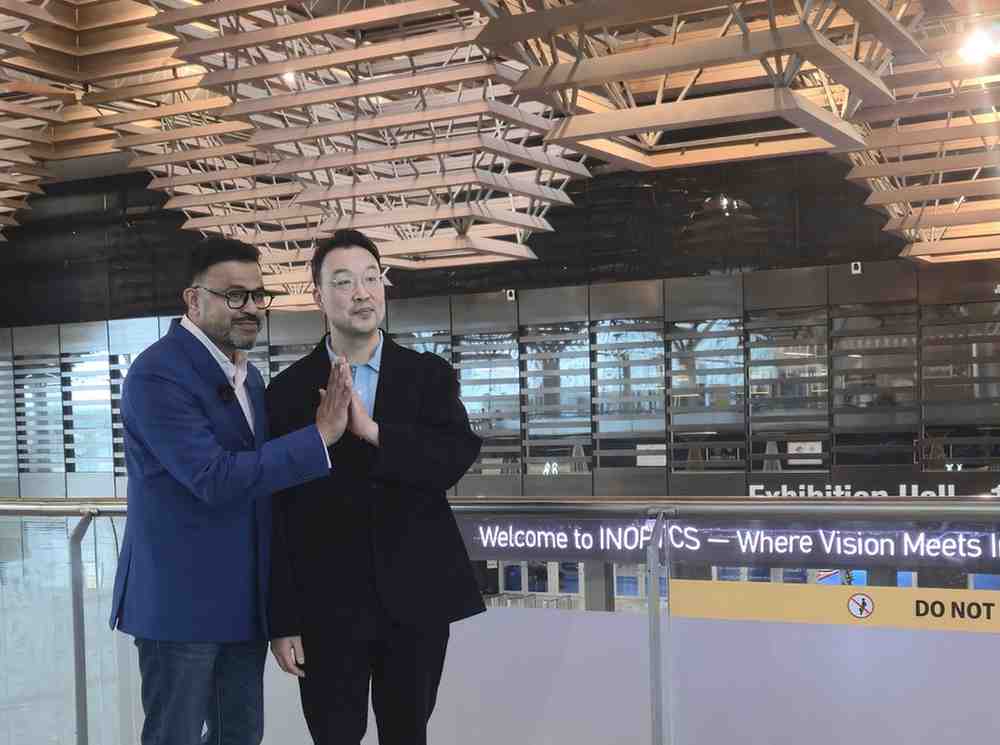
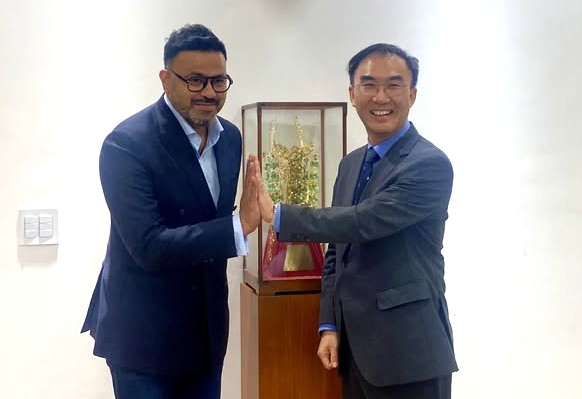
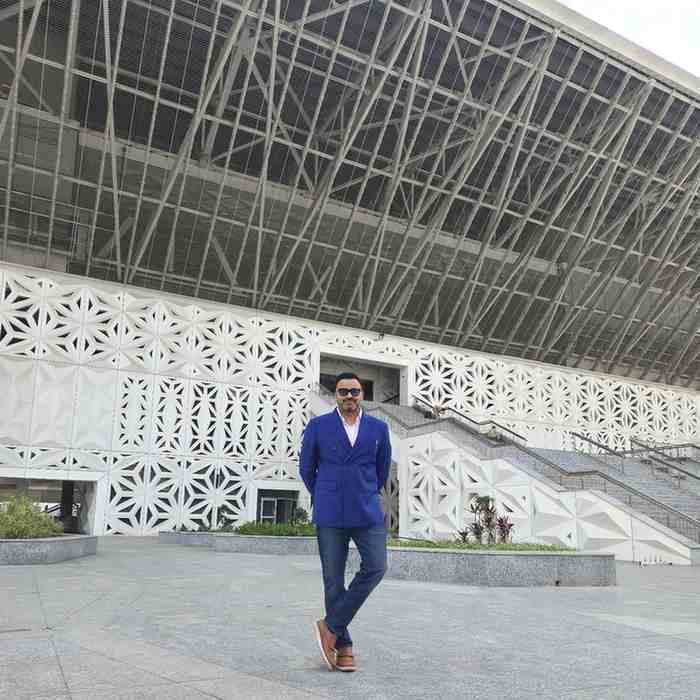
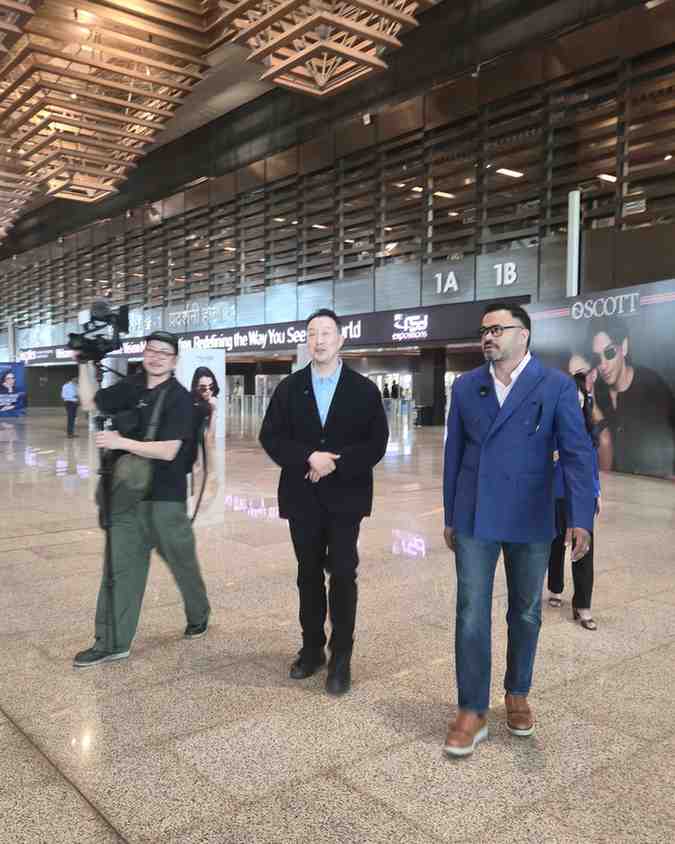
In an exclusive interview with ACN Network’s Sanjeev K. Ahuja, India-born Korean broadcaster and entrepreneur Abhishek Gupta, popularly known as Lucky, speaks about his journey from Nagpur to Seoul where he first visited almost three decades ago in 1996, Korea’s rise over the past three decades, India’s image in Korea, Yashobhoomi’s potential, and why he sees himself as belonging deeply to both countries. The most popular Indian in Korea, Lucky, who recently visited Yashobhoomi IICC, New Delhi, was appointed an Honorary Ambassador by KINTEX last year.
Q: Which part of India do you belong to, and how did Korea enter your life so early?
Lucky: I was born in Nagpur. My father was in the coal business and learned about Korea around 1993-94, when Hyundai was exploring India. In 1996, he decided to send both his sons, my elder brother and me, to Korea. That decision changed my life.
Q: You still remember the exact date you landed in Korea?
Lucky: Very clearly. I landed on March 24, 1996, by Korean Air. At that time, there was no Incheon Airport; flights came to Gimpo. Korea was already advanced, but far more closed and inward-looking than it is now. I often say the biggest change came before and after 2002, when Korea hosted the FIFA World Cup and opened itself more confidently to the world.
Q: What took you to Korea at such a young age?
Lucky: I studied language and culture at Seoul National University. I think I learned Korean well because life was very different then. There were no smartphones, no Netflix, and fewer distractions. I went to school, studied, came back and did my homework. That environment helped me immerse myself fully in the language.
Q: How did “Abhishek Gupta” become “Lucky”?
Lucky: The nickname actually came from India. In many Indian families, children have pet names. Because I was the youngest in the family and things were going relatively well in the family business, they started calling me Lucky. Later, I realised Abhishek was a little difficult for many Koreans to pronounce, so Lucky became the name people remembered.
Q: Going to Korea in 1996 must have been unusual for an Indian student.
Lucky: Absolutely. Most Indian students then aspired to go to the UK or the US. In that sense, I credit my father for being very farsighted and finding a blue ocean for us. It was not easy explaining this choice even to my Indian friends, but in hindsight, it gave me a unique life path.
Q: Did you see yourself as a cultural ambassador from the beginning?
Lucky: Not consciously. At 18, you do not think in such big terms. But over time, I realised that whenever I explained India to Koreans, or Korea to Indians, I was doing a kind of ambassador’s work. The challenge was that people in both countries often carried incomplete or inaccurate images of the other.
Q: Why do Indians seem to know more about Korea than Koreans know about India?
Lucky: Korea has worked hard to tell its story to the world. It has invested systematically in culture, content, sports, business and branding. K-culture, K-content, K-drama and K-pop created powerful identities. India has a much older and richer civilisational story, but we need to communicate it in ways Korean audiences can relate to.
Q: Then what should India do to improve its image in Korea?
Lucky: The issue is not that India is not trying. The issue is the medium and method. Korea is a fast, modern and highly connected society. If you use old formats or infrequent cultural showcases, you lose attention. We need a younger approach using Instagram, hashtags, digital storytelling, media collaborations and regular engagement. It has to be a process, not a one-off annual event.
Q: So digital communication matters much more than many people in India assume?
Lucky: Very much so. Korea is next level when it comes to internet and smartphone usage. People consume OTT, digital media and social media very actively. So if India wants to shape perceptions in Korea, it must understand the speed and style of Korean media consumption.
Q: How do you see your own role now?
Lucky: I have been doing this seriously for nearly a decade, and I feel every Indian living abroad carries responsibility. A former Indian ambassador to Korea once told me that while he was the official ambassador, every Indian living overseas is also an ambassador of India. That stayed with me. My Indian identity remains original and central, but I believe India must be introduced to Koreans step by step, just as Korea steadily built its image in India.
Q: You also mentioned your association with Sejong Language Center. How does that shape your thinking?
Lucky: I am a brand ambassador of Sejong Language Center, which has an impressive global footprint. I saw in Italy how cultural influence is built patiently. At one Korean cultural centre, I was told that 10 years ago there was just one student, and now there are queues of students wanting to learn the Korean language and culture. That taught me this kind of impact does not happen overnight.
Q: Let us come to Yashobhoomi and India’s MICE potential. How do you see the collaboration with Korea’s KINTEX?
Lucky: I see it as a very strong and meaningful collaboration. Korea is a manufacturing powerhouse, and India is a massive consumer market. That is a natural combination. When I learned that KINTEX had won the tender for this project against other major global names, I felt it reflected how important India is to Korea as a strategic and global partner. Being associated as a brand ambassador with this broader KINTEX-Yashobhoomi effort is a matter of immense pride for me.
Q: You said you have “two motherlands.” What did you mean by that?
Lucky: I said that if you have one motherland, you are lucky. But if you have two motherlands, then you are Lucky like me. India is my motherland, and Korea has also become my motherland. My wife is Korean, and I have spent half my life deeply connected to both countries. So whenever I see India or Korea doing well, I feel proud of both sides.
Q: What will your role be in promoting Yashobhoomi and India to Korean audiences?
Lucky: My role is to help Korean audiences understand what is happening in India. Many people in Korea still do not know how significant this development is, or how big KINTEX’s role in India through Yashobhoomi can become. I want to tell them this is their platform too — a place to do business, hold B2B meetings and explore India with greater confidence.
Also read: Lucky Eyes Korea Pitch for Yashobhoomi After Deep-Dive Visit to India’s Flagship MICE Venue
Q: Can this platform also help change negative perceptions about India among Korean businesses?
Lucky: Yes. Many excellent Korean companies want to come to India, but sometimes they are discouraged by negative media or misleading content. A platform like Yashobhoomi can provide structure, confidence and visibility. It can show them that India is not only a huge market, but also a serious destination for exhibitions, partnerships and long-term business engagement.
Q: What else are you working on now?
Lucky: We are also setting up a company in Korea around the K-wedding as a destination concept. Many Indians go to Thailand and Bali for weddings. I want them to consider Korea too — beautiful weddings on the Han River, with Korean and Indian cuisine and everything well arranged.
Q: How do you see the road ahead?
Lucky: I am only 49 and still have a lot I want to do. I believe there is a long future ahead in building stronger people-to-people understanding between India and Korea. If I can contribute through media, business, language and cultural storytelling, I will consider it worthwhile.