
DENSO Haryana Upgrades Government Schools in Pelpa under CSR Initiative
New classrooms, sanitation facilities, solar power, rainwater harvesting, computers, library and sports infrastructure aim to strengthen rural education in Jhajjar.

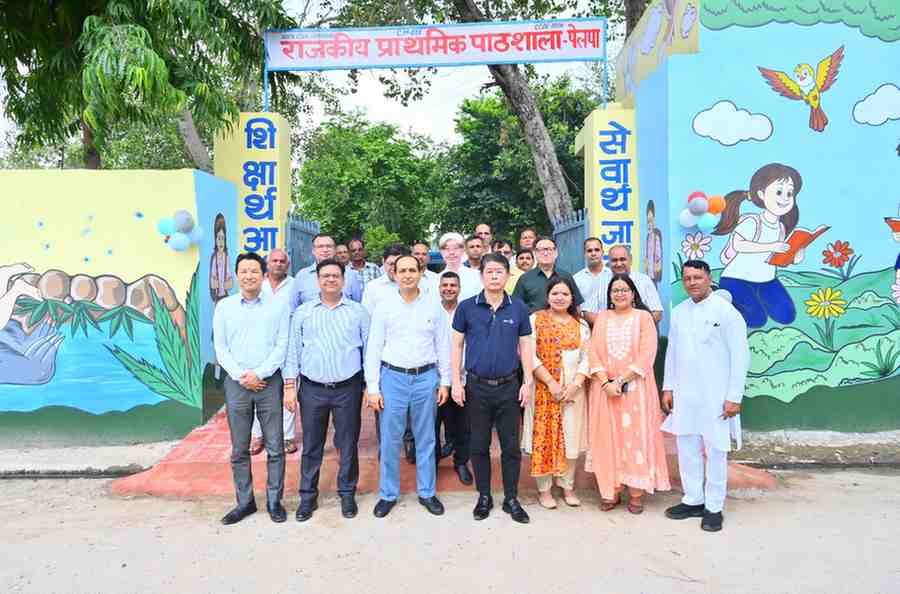
Pelpa, Jhajjar, July 23, 2026: DENSO Haryana Private Limited inaugurated a series of infrastructure and educational-development projects at the Government Primary School and Government Senior Secondary School in Pelpa village, Jhajjar, as part of its Corporate Social Responsibility initiative.
Undertaken under the theme “Promoting Education, Empowering Futures,” the programme focused on improving the schools’ physical infrastructure, learning facilities, sanitation, access to clean drinking water, renewable energy systems and recreational resources.
 The inauguration ceremony was attended by senior executives of DENSO, officials from the Education Department, representatives of the two schools, members of the School Management Committee and local community leaders.
Among those present were Kitamae, Managing Director; Akaba and Ajay Dhall, Directors at DENSO Haryana; Ureshino, Director at DENSO International; Pushpender Dahiya and Kurauchi, Vice Presidents; Ruchi Arora and Anju from the CSR team; and Ratinder Sharma, District Education Officer, Jhajjar.
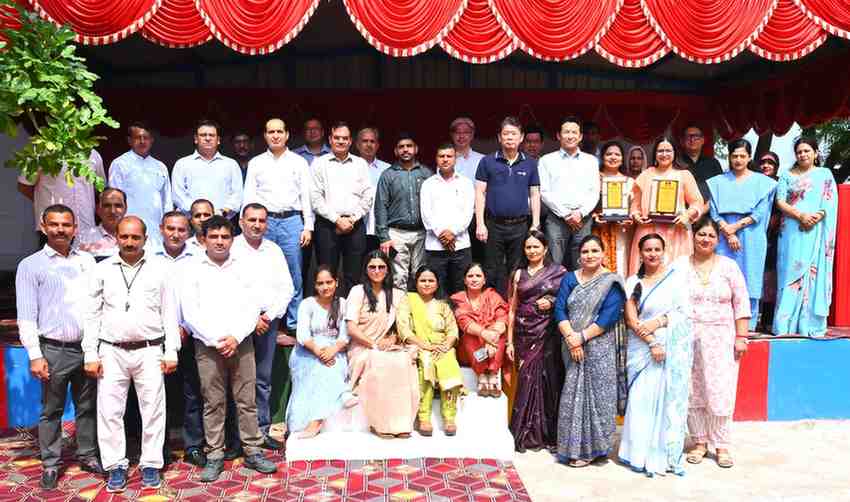
 The principals of the schools, members of their School Management Committees and the local sarpanch also participated in the ceremony.
Extensive improvement of school infrastructure: As part of its commitment to strengthening educational infrastructure in rural communities, DENSO Haryana undertook extensive repair, renovation and development work across the school premises.
The completed projects included the repair and maintenance of classrooms, comprehensive painting and refurbishment of the school buildings and renovation of the Mid-Day Meal kitchen.
New toilets were constructed for students and members of staff, while clean drinking-water facilities were installed to improve health, hygiene and sanitation standards on the campuses.
 The company also installed a solar-power system, providing the schools with access to a cleaner and more sustainable source of energy. A rainwater-harvesting tank was constructed to support water conservation and encourage responsible use of natural resources.
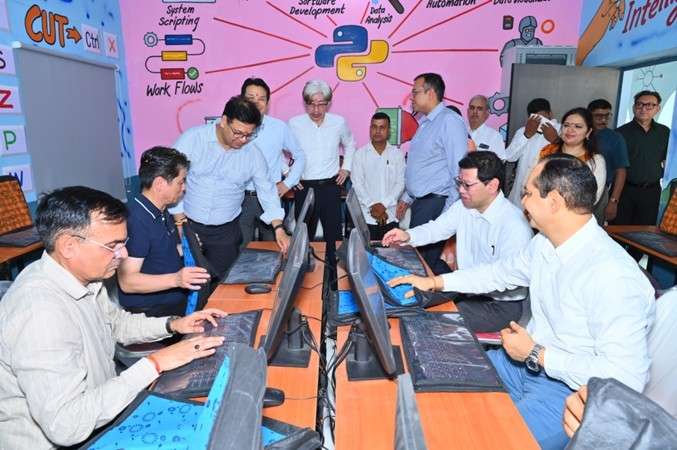
The initiative also covered the development of the school library, improvement of the playground and sports facilities, and renovation of the computer laboratory.
New computers were distributed for students, strengthening their access to technology and creating opportunities for digital learning.
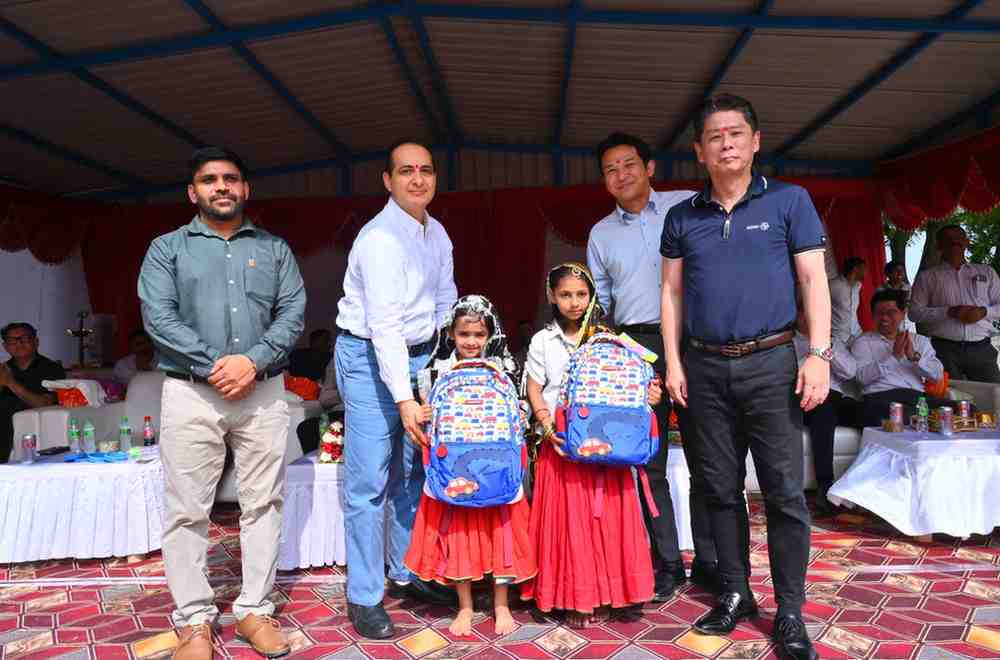
Educational materials distributed to primary students: In addition to the infrastructure projects, DENSO Haryana distributed school bags, water bottles and lunch boxes among students of the Government Primary School.
The distribution generated enthusiasm among the children and added a celebratory element to the inauguration programme.
The company said the initiative was designed not only to improve the appearance and functionality of the schools but also to create a safer, healthier and more encouraging learning environment for students.
Education remains central to DENSO’s CSR vision: Addressing the gathering, representatives of DENSO Haryana reiterated that education remained one of the principal pillars of the company’s CSR vision.
The management emphasised that access to better infrastructure and modern learning facilities could have a direct impact on students’ academic performance, confidence and overall development.
The company said government schools in rural areas played an essential role in expanding educational access and that corporate participation could help such institutions overcome infrastructure and resource-related challenges.
By combining classroom improvements with sanitation, renewable energy, water conservation, sports and digital-learning facilities, the initiative sought to support the holistic development of students.
Ratinder Sharma, District Education Officer, Jhajjar, appreciated DENSO Haryana for its contribution to the schools.
He described the development projects as a significant gift to the students and school community, observing that such initiatives could help improve educational standards and strengthen infrastructure in government schools.
He also acknowledged the importance of cooperation between the education authorities, corporate organisations and local communities in creating better learning conditions for children.
School authorities welcome transformation: The school principals and members of the School Management Committees also expressed appreciation for DENSO Haryana’s intervention.
They said the wide-ranging improvements had transformed the school environment and created better opportunities for students to learn, participate in sports and develop digital skills.
The renovation of the computer laboratory and distribution of new computers were seen as particularly important at a time when digital literacy is becoming increasingly essential to education and future employment.
The upgraded library is expected to encourage reading habits among students, while the improved playground and sports facilities will support their physical development and participation in extracurricular activities.
The renovation of the Mid-Day Meal kitchen, construction of toilets and installation of drinking-water facilities are also expected to improve students’ daily experience at school.
Pelpa residents applaud initiative: Residents of Pelpa village welcomed the projects and applauded DENSO Haryana’s efforts to support local education.
Community members expressed hope that the partnership would continue and eventually include additional initiatives for educational advancement and wider community development.
The participation of the local sarpanch, school committees and residents reflected the community-based character of the initiative and the importance of local involvement in maintaining the newly developed facilities.
Model of industry-community partnership: DENSO Haryana’s contribution represents an example of how corporate social responsibility can support government institutions and strengthen essential services in rural communities.
The project brought together the company, the Education Department, school authorities, local representatives and community members around the shared objective of creating better educational opportunities for children.
Through investments in classrooms, sanitation, technology, renewable energy, water conservation, libraries and sports, the initiative demonstrated that school development requires a comprehensive approach extending beyond conventional academic infrastructure.
The programme also highlighted the potential of industry-community partnerships to complement government efforts and promote sustainable rural development.
With the newly upgraded facilities, the Government Primary School and Government Senior Secondary School in Pelpa are expected to provide their students with a more secure, inclusive and future-oriented learning environment.