
A Bridge Built with Tears, Sweat and Trust: Gyeongsangbuk-do Businesses Head to India
Ahead of KoINDEX and BeautySum India 2026, a ten-company Korean delegation will hold B2B meetings in New Delhi—carrying with it the story of Helen Lee’s decade-long commitment to India–Korea relations.

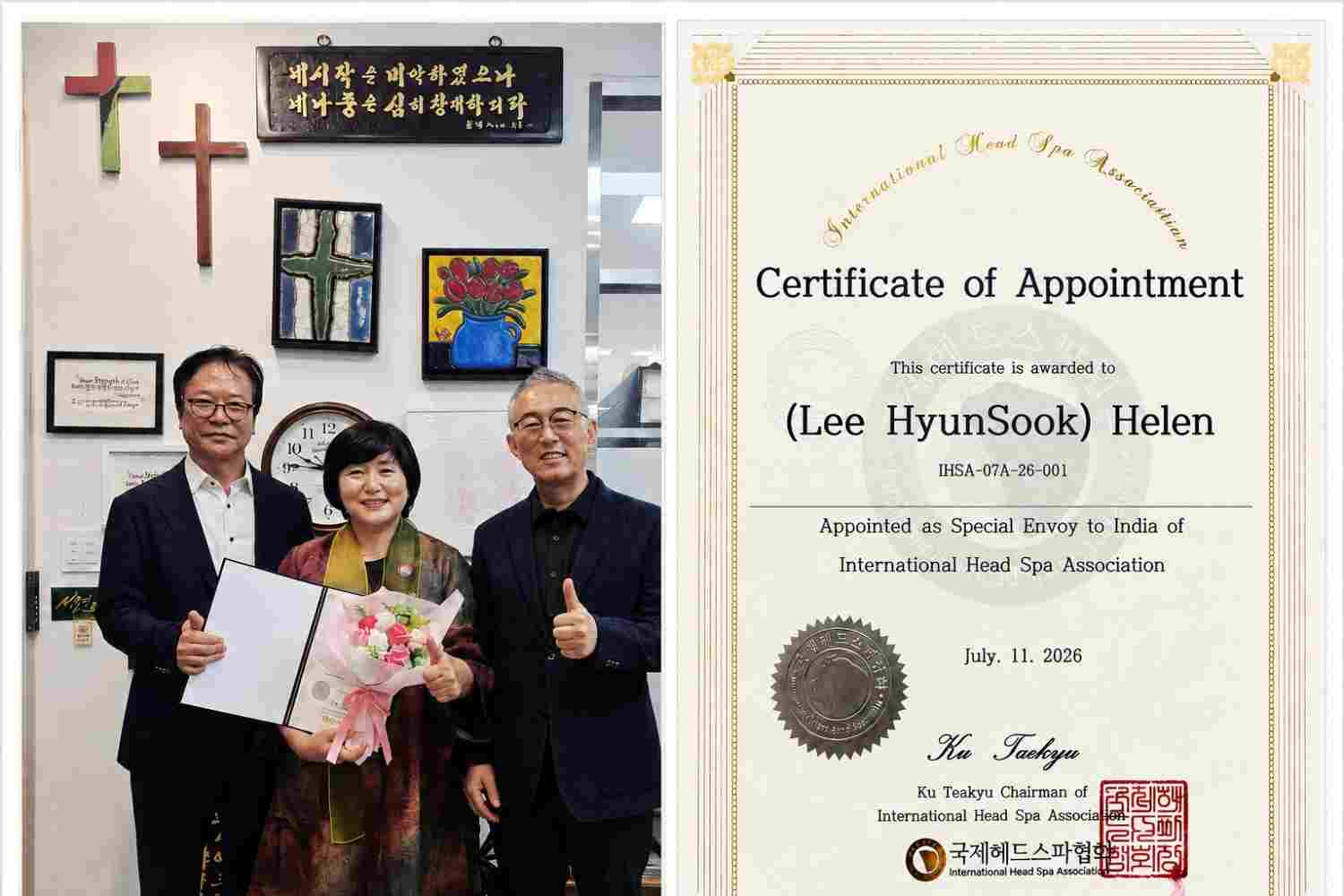
NEW DELHI/SEOUL: When ten companies from Gyeongsangbuk-do arrive in New Delhi this August, they will bring more than products, presentations and business proposals. Behind the delegation lies a decade-long story of perseverance, personal trust and relationships painstakingly built between India and Korea.
Supported by Saehan Global Consulting, the Gyeongsangbuk-do (Economic Promotion Bureau) delegation will hold business-to-business meetings in New Delhi on August 25. The programme will be followed on August 26 by a roundtable with the Federation of Indian Industry, bringing Korean companies face-to-face with Indian manufacturers, entrepreneurs and industry representatives.
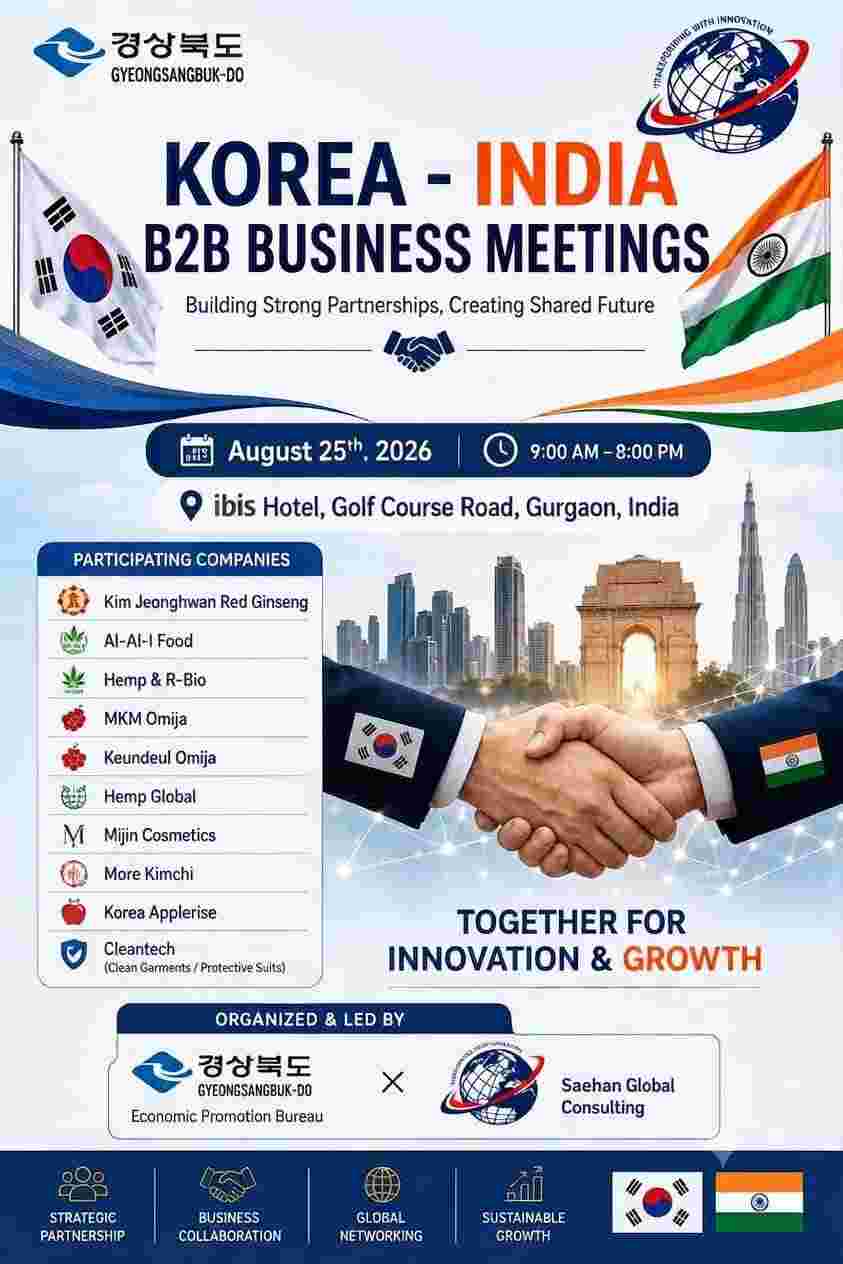 The meetings will take place immediately before KoINDEX and BeautySum India 2026, being held at Yashobhoomi, New Delhi, from August 27 to 29. At the centre of this initiative is Saehan Global Consulting founder and CEO Lee Hyunsook, affectionately known throughout her Indian network as Ms Helen Lee.
For Lee, the August programme cannot be measured merely by the number of meetings conducted or agreements announced. “I sincerely hope that the B2B meetings and the main exhibitions this August will not merely be presented as formal achievements of an organising institution,” Lee said.
“I hope they will be recognised as the fruit of a network that I, as CEO of Saehan Global Consulting, have cultivated with tears, sweat and unwavering faith over the past ten years. Every relationship behind this delegation has required time, sincerity and the courage to continue even when there was no immediate result.”
 India was never just another market: Long before India became an obvious destination for Korean small and medium-sized enterprises, Lee was helping Korean companies understand the country beyond its population figures and economic projections.
She learnt that succeeding in India required far more than exporting products or appointing a distributor. It demanded presence, cultural understanding, patience and, above all, trust.
Over the years, she built relationships with Indian entrepreneurs, institutions, advisers and community leaders while helping Korean companies navigate the complexities of the Indian market. Saehan gradually became a bridge for market entry, B2B matchmaking, regulatory guidance, technology exchange and cross-border partnerships.
 Its approach goes beyond conventional exports. Korean companies are being encouraged to explore local sourcing, manufacturing, joint ventures and eventual participation in global supply chains through the Make in India initiative.
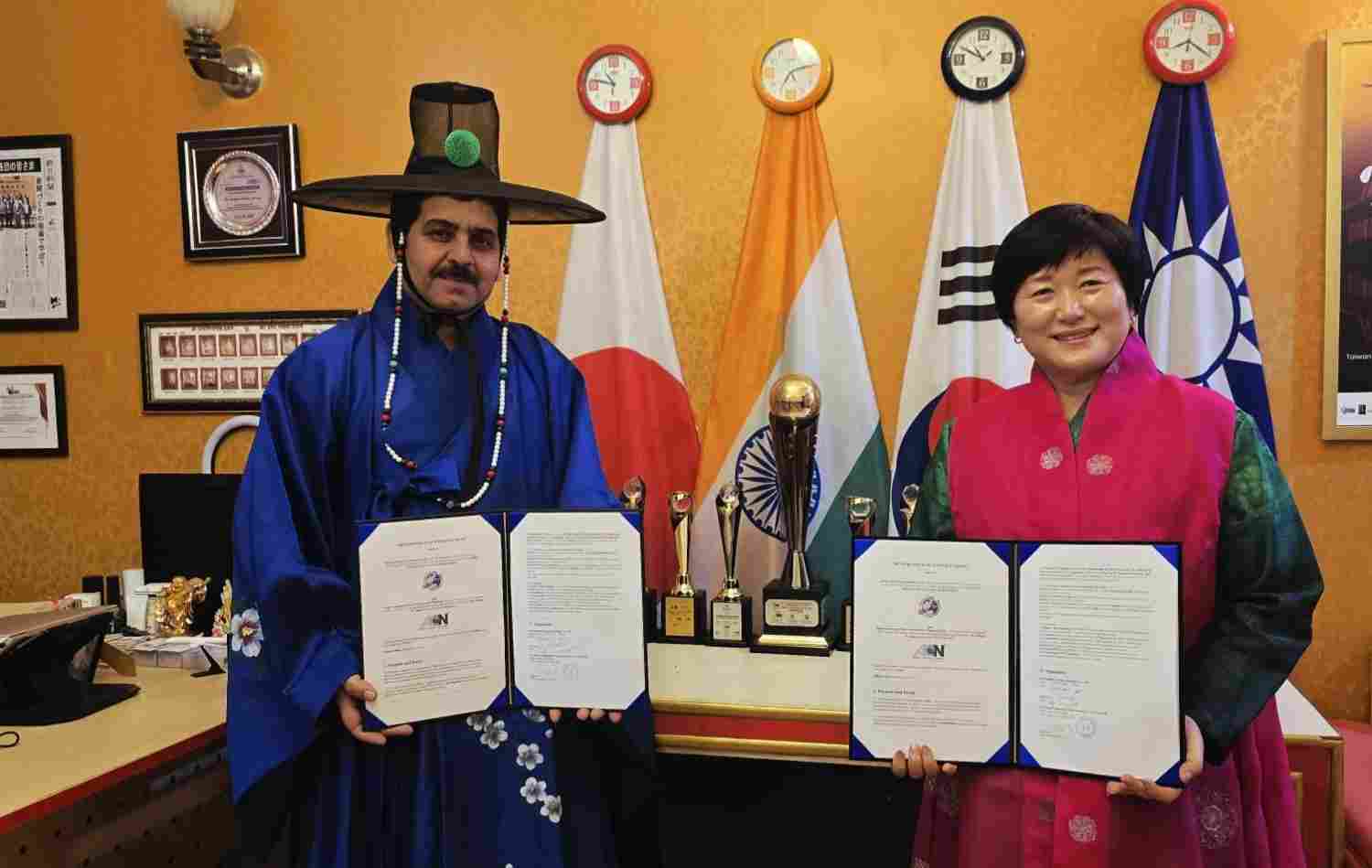
This journey also brought Lee into a close working relationship with Sanjeev K Ahuja, founder and CEO of Asian Community News Network. Their association developed around a shared belief that India–Korea relations must extend beyond governments and major corporations to include regional enterprises, SMEs and committed individuals.
Saehan Global Consulting and ACN have entered into an MoU to promote meaningful India–Korea business collaboration. Saehan brings its Korean business network and market-development experience, while ACN contributes its understanding of India’s institutions, industries and India–East Asia relations.
“I especially hope that our partner, ACN CEO Sanjeev K Ahuja, will help refine the strategy throughout this process with cool-headedness and thoroughness,” Lee said.
“Our responsibility is not simply to create visibility. We must secure tangible benefits matching the years of work invested in these relationships and create lasting value for both Korean companies and their Indian partners.”
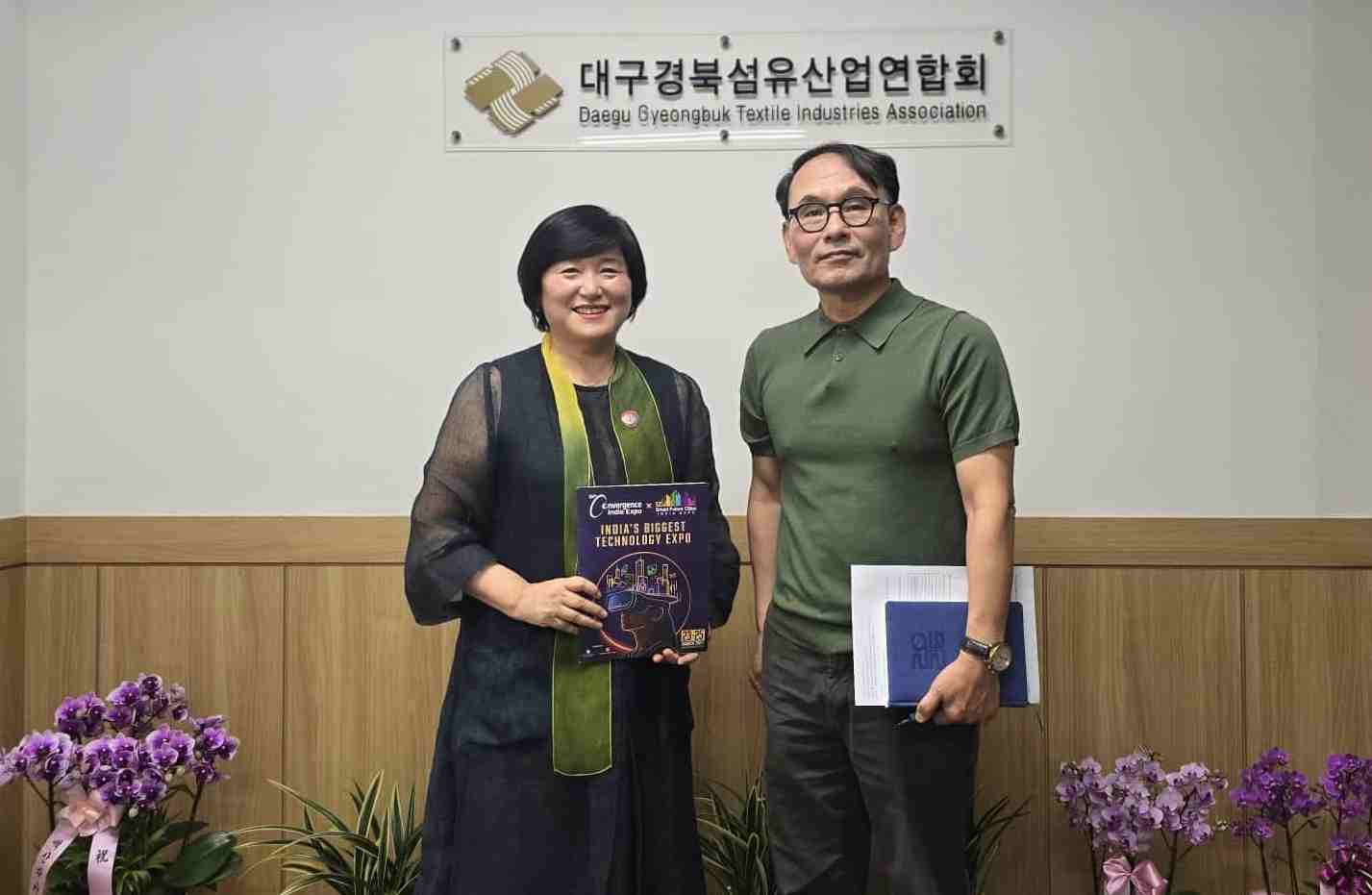
 Helen Lee will lead the Korea Technologies delegation for the 34th Convergence India Expo and the 12th Smart Future Cities India Expo next year in March in New Delhi. She said that Saehan Global Consulting will also lead another business initiative for PID (Preview in Daegu) next year.
Ahuja described their association as one founded on trust rather than a single event.
“Helen Lee did not begin by asking what India could buy from Korea. She began by asking how Korean capabilities and Indian potential could grow together,” Ahuja said.
“The Saehan–ACN MoU is a commitment to turn relationships into responsible outcomes—local production, employment, knowledge exchange and sustainable partnerships between our two countries.”
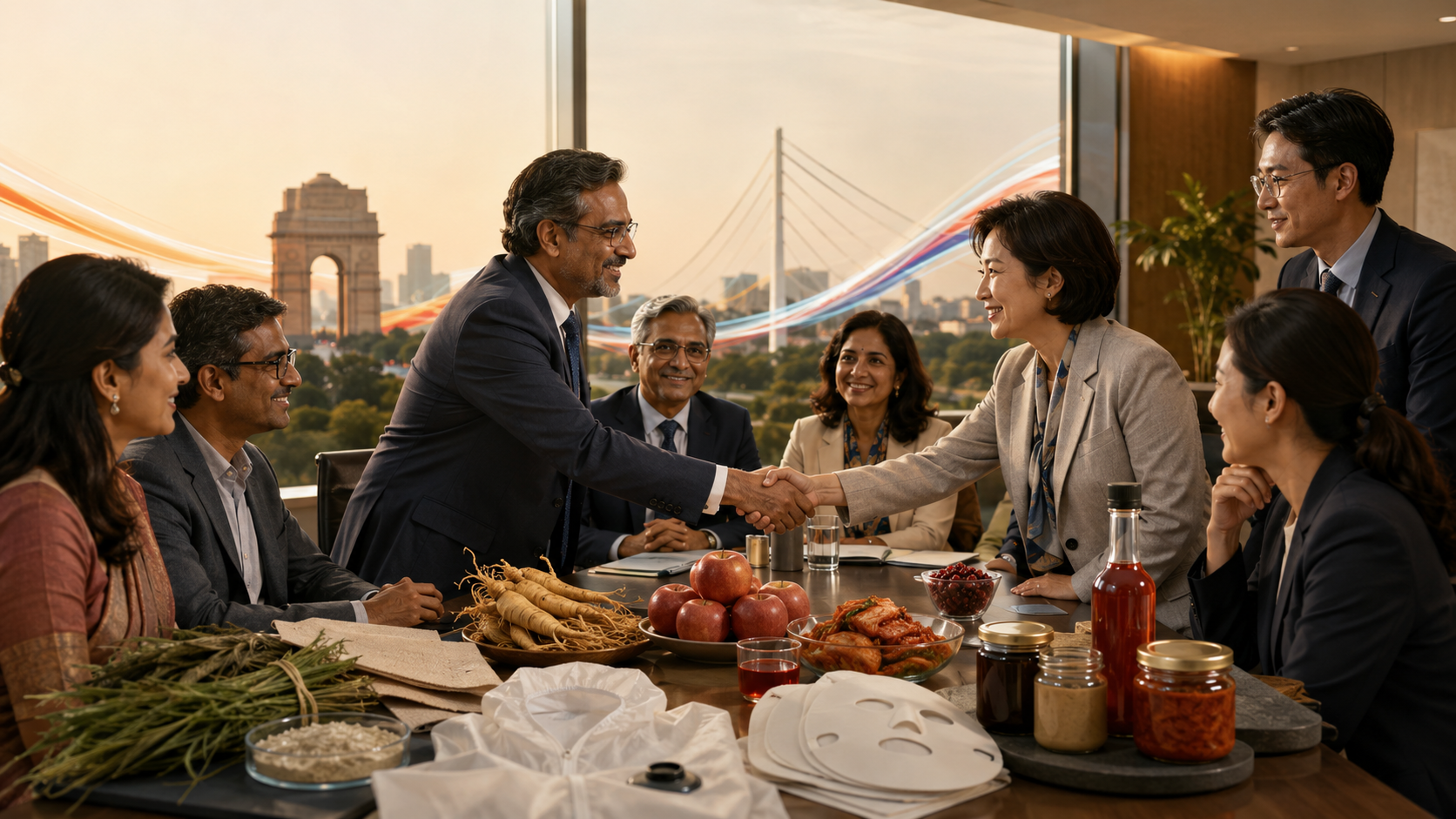
A delegation looking beyond exports: The companies represent healthcare, premium food, wellness materials, beverages, cosmetics and advanced industrial infrastructure. Although their portfolios differ, they share an ambition to view India as a production and global supply-chain partner—not simply a market for finished Korean goods.
Kim’s Red Ginseng will target India’s premium healthcare and wellness segment with processed red-ginseng products. Saehan, in collaboration with India’s KD RAY VENTURES LLP, led by CEO Dinkar Kumar, will also exclusively introduce Kim Jeong-hwan Red Ginseng, created by a Korean ginseng master. The initiative is expected to become a strategic India–Korea wellness and biohealth project.
Hemp & R Bio/Hemp Global plans to explore hemp-based biomaterials and wellness ingredients through Indian sourcing and processing, creating opportunities within the country’s eco-friendly bio-industrial infrastructure.
In the K-Food segment, AI-AI-I Food will present gochujang, doenjang and convenient grain-based products prepared primarily from ten Korean grains. MKM Omija/Keundeul Omija will introduce beverages made from Mungyeong’s distinctive five-flavour omija berry, with the longer-term possibility of producing in India for domestic and overseas markets.
Korea Applerise will explore demand for premium apples and products including apple soju and apple wine. More Kimchi hopes to connect Korea’s celebrated fermented food with Indian consumers, whose own culinary culture has a strong understanding of fermentation.
In beauty, Mijin Cosmetics, a specialist in facial masks and K-skincare, will target India’s rapidly expanding e-commerce and offline cosmetics markets.
The delegation also includes Cleantech, which supplies cleanroom garments and protective suits for semiconductor, pharmaceutical, biotechnology and other high-technology industries. Its strategy is aligned with India’s expanding advanced-manufacturing infrastructure and Make in India ambitions.
Ten years distilled into three days: The meetings from August 25 to 27 occupy only three days on the calendar. Yet, for Lee, they contain the emotional weight of a ten-year journey—unanswered proposals, repeated visits, difficult negotiations and relationships that survived because people on both sides continued to believe.
“India has never been just another overseas market for me,” Lee said. “It is a country where I have received friendship, trust and the opportunity to build something meaningful. My dream is for Korean companies to come here with humility, stay with commitment and grow with Indian partners.”
The delegation will therefore arrive not merely to sell to India, but to listen, collaborate and build with India.
And that may be the most touching achievement of all: a bridge between two nations, constructed not through ceremony, but one trusted relationship at a time.