Japanese Learning in India Must Move Beyond Jobs to Serious Scholarly Work: MOSAI
Calling for deeper engagement with Japan’s history, society, economy and literature through original Japanese sources, MOSAI urges philanthropists and industry to support fellowships, research centres and long-term academic initiatives.

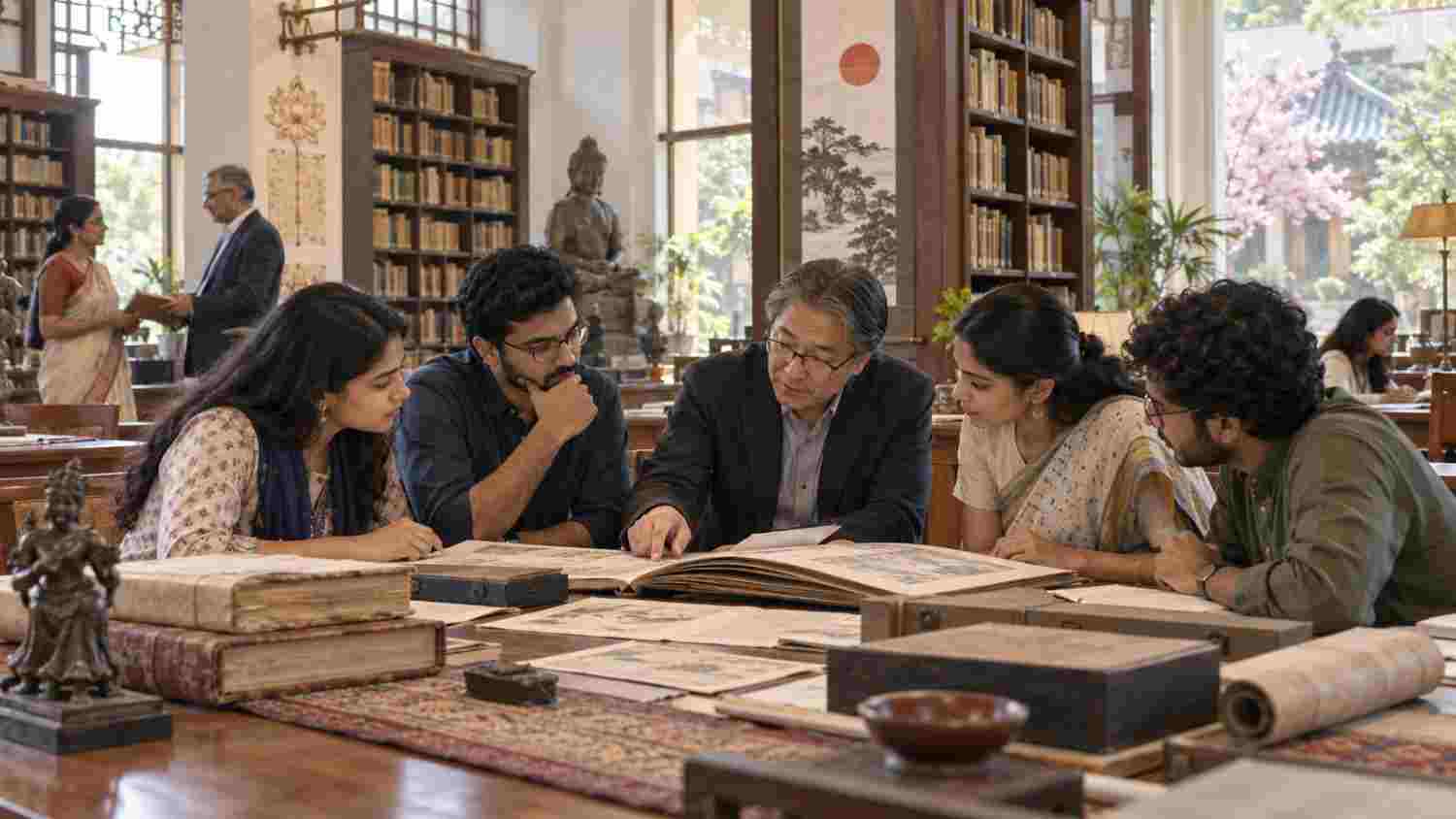
New Delhi: India’s rapidly expanding engagement with Japan requires more than a growing pool of professionals learning Japanese to clear proficiency tests or secure jobs. It needs a new generation of scholars capable of studying Japan through original Japanese sources and developing a deeper understanding of the country’s history, society, economy, sociology and literature.
In an interview with Asian Community News (ACN) Network on the future and potential of Japanese-language learning in India, MOSAI Chairman Dr Ashok Jain cautioned that the impressive rise in learner numbers should not conceal a critical academic deficit. While employment opportunities in Japanese companies and India–Japan joint ventures have considerably strengthened interest in the language, he said India must now take Japanese education beyond its predominantly employment-oriented approach.
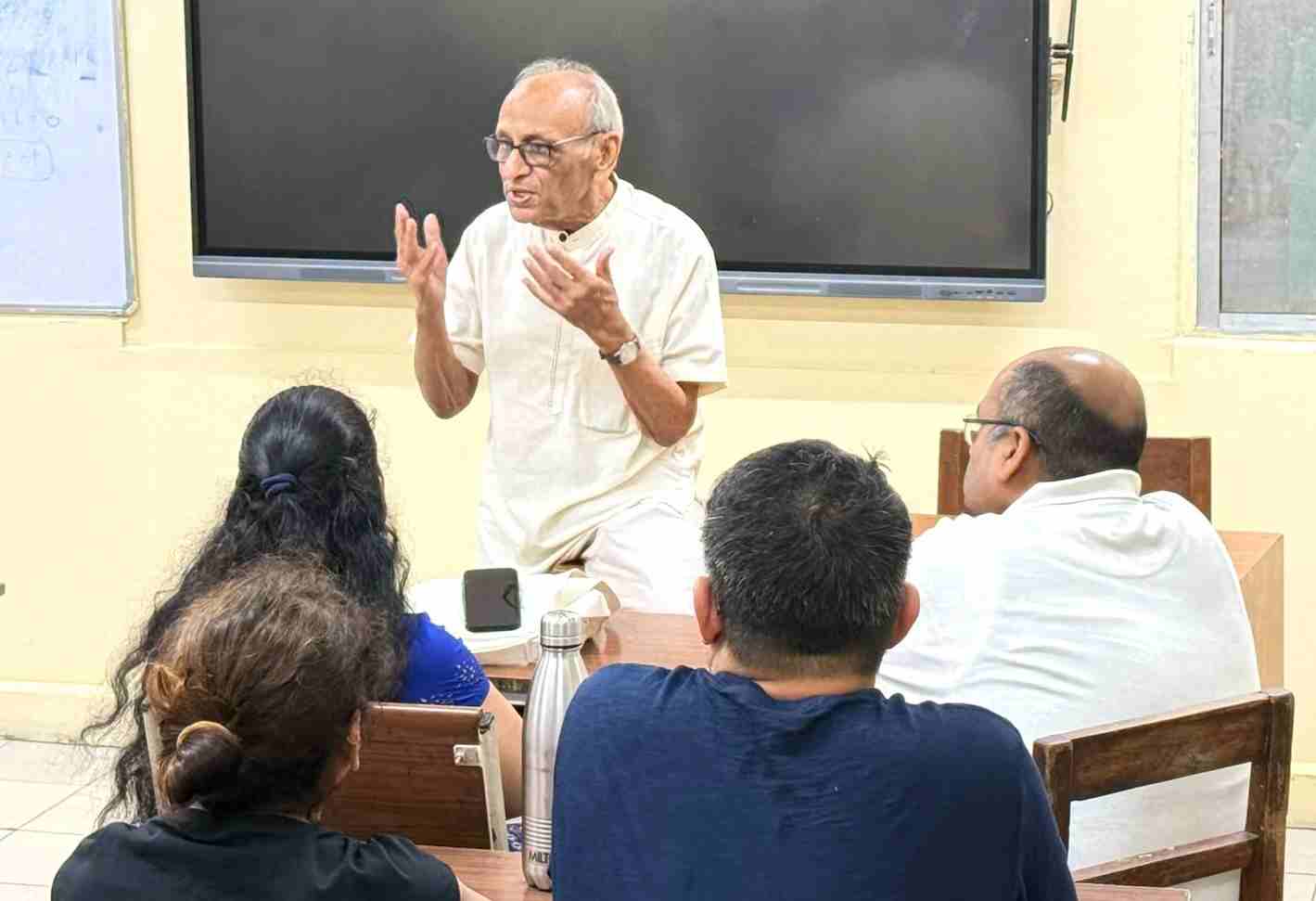 “Numbers are required, but these numbers alone should not make us complacent,” Dr Jain said. “The academic gap, in my view, needs to be filled.”
He called for sustained investment in scholars who could acquire advanced Japanese-language skills, work directly with original materials, engage meaningfully with Japanese academics and translate literature and deep research work between Japanese and Indian languages. Such long-term institution-building, he stressed, would require philanthropic organisations, visionary industrialists and companies—including those using their corporate social responsibility programmes—to support fellowships, research centres, translation projects and other forms of serious scholarship.
“If the future of India–Japan relations is to grow, we must prepare Indian scholars with a high level of Japanese. They can translate Japanese literature into Indian languages to bring forth the centuries-old historical relationship between the two nations,” Dr Jain said. “Without that, this relationship through language and culture is not going to take deep roots.”
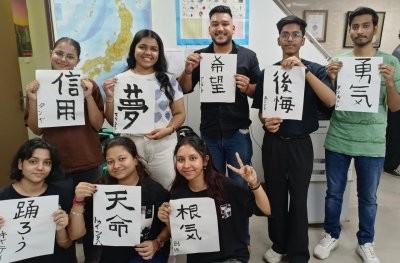 Dr Jain said Japanese-language education in India has expanded significantly—from a period when only a few institutions offered instruction to the present, when language skills had become closely connected with employment in Japanese companies and India–Japan joint ventures.
MOSAI had initially helped popularise Japanese through its speech contest and later took over Japanese-language teaching from the Embassy of Japan in 2002, developing it as the MOSAI Institute of Japanese Language. Prior to this, the Japan Cultural & Information Centre of the Embassy of Japan had been offering a Japanese Language Teaching programme since 1958. That is how the MOSAI Institute of Japanese Language (MIJL) was established by MOSAI.
Dr Jain said the growth of industry demand and the Japanese-Language Proficiency Test (JLPT) had encouraged many more students to study Japanese. However, he cautioned that numerical growth should not obscure the need for deeper academic capability.
 According to Dr Jain, India now needed a stream of scholars capable of working with original Japanese sources and engaging seriously with Japan’s history, society, economics, sociology and literature.
“Hardly anybody is doing a serious study of original Japanese sources—whether it is the Japanese social system, Japanese history, sociology or economics,” he said.
He argued that language education aimed primarily at clearing proficiency examinations or securing employment, though valuable, could not by itself create the intellectual depth required for a mature India–Japan relationship.
“If the future of India–Japan relations is to grow, we must prepare Indians with a high level of Japanese,” Dr Jain said. “Without that, this relationship through language and culture is not going to take deep roots.”
Need for scholars and original-source research: Dr Jain said India required scholars who could examine Japanese sources directly, hold academic conversations with Japanese counterparts and translate literature between Japanese and Indian languages.
He pointed out that several Japanese scholars had devoted years to learning Indian languages such as Hindi, Telegu and Gujarati and studying India through original materials. Comparable India-based scholarship on Japan remained limited.
He cited an example of one Japanese scholar Tanaka san who learnt Gujarati language to study Mahatma Gandhi’s autobiography “The Story of My Experiments with Truth”. It was in his native language, Gujarati, under the title Satya na Prayogo athva Atmakatha.
“Are we investing in creating Japanese-knowing scholars who can work with original sources?” he asked. Such scholars, he said, would also be needed to translate Japanese literature directly into Indian languages and Indian literary works into Japanese.
This gap could not be addressed only through conventional university structures, he added. Dr Jain advocated sustained fellowships or dedicated centres where selected researchers could devote several years to language acquisition, translation and original scholarship without being driven entirely by annual publication or promotion requirements.
He called upon Indian philanthropists and companies to consider supporting such long-term scholarship, including through corporate social responsibility programmes.
“There are enough philanthropists and industrialists in India who have vision. It is just a question of presenting the case to them and making them aware of this need,” he said.
ACN to connect academia, industry and the public: Dr Jain said the media partnership with ACN could help create a common platform on which academics, businesses and other India–Japan stakeholders could discuss these gaps and develop possible solutions.
“ACN is one platform where at least the corporate sector looks at what is happening elsewhere. Otherwise, there is not even a common platform where this kind of dialogue can take place,” he said.
Through its specialised coverage of India’s engagement with Japan and other East Asian countries, ACN will help translate academic discussions into accessible public narratives and bring them before companies, educational institutions, policymakers, students and community organisations.