South Korea’s K-CORE Program Opens New Study-to-Employment Pathway for Indian Students
Korean initiative offers two-year technical education, easier visa documentation and opportunities for skilled employment; delegation of five Korean universities explores Indian student recruitment from 2027, signs MoUs in Manipur.

NEW DELHI: Indian students aspiring to study, acquire specialised technical skills and eventually build professional careers in South Korea could soon benefit from a new education-to-employment pathway under the Korean government’s K-CORE programme, launched earlier this year to address skilled workforce shortages in the country’s industrial sector.
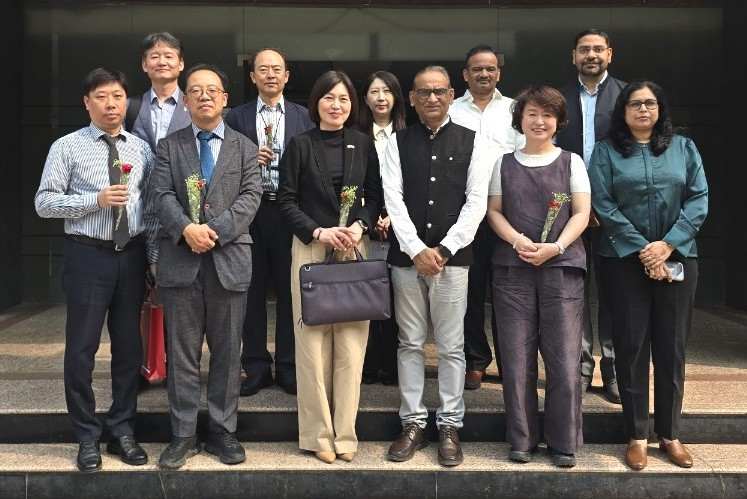
The initiative combines two-year technical degree courses, Korean-language proficiency training and opportunities for employment with Korean companies, offering an alternative to conventional overseas higher education programmes. In a significant development, a delegation of five South Korean universities and colleges visited India to explore student recruitment and academic partnerships, with the first regular intake of Indian students on November 2 and 3.
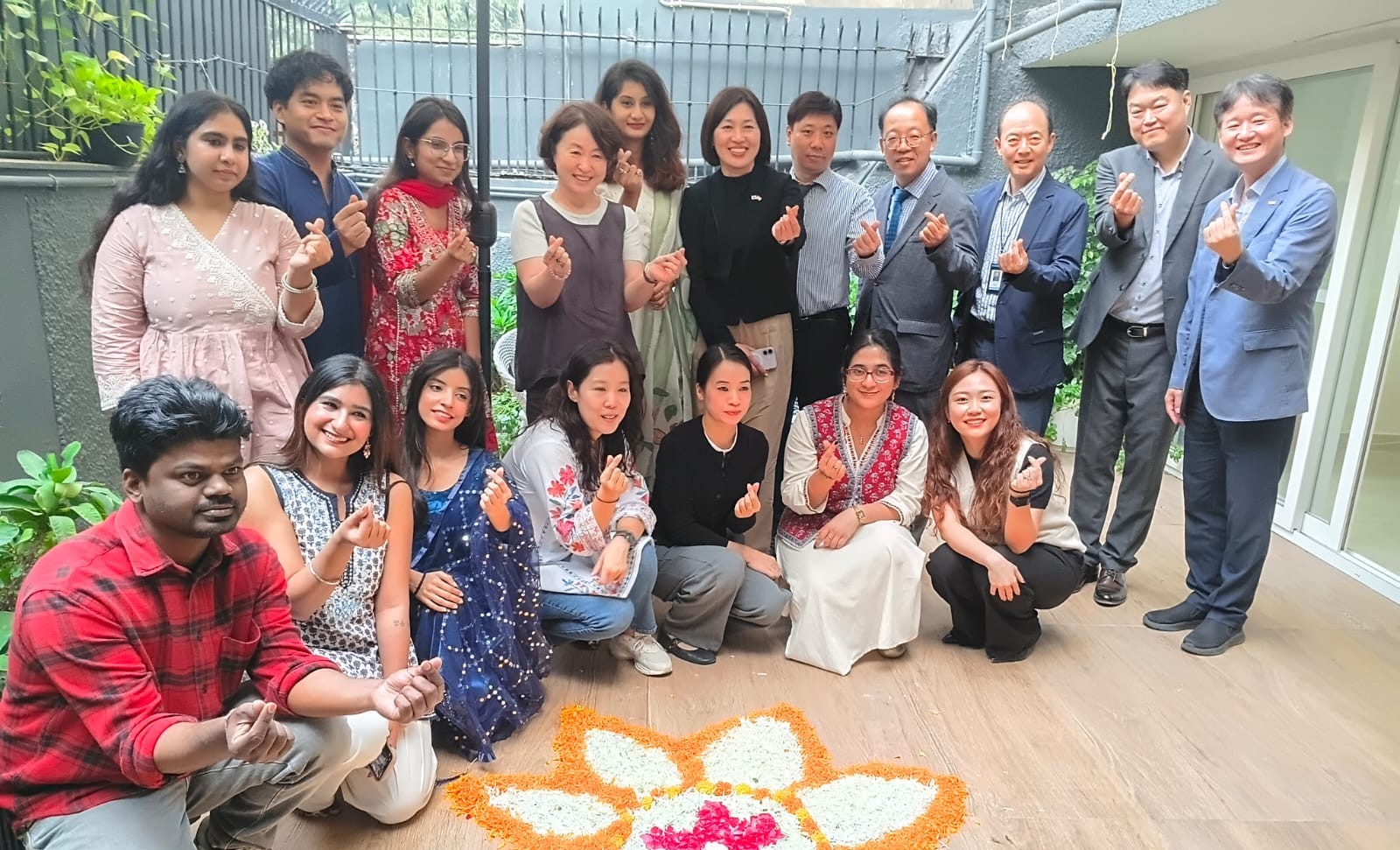
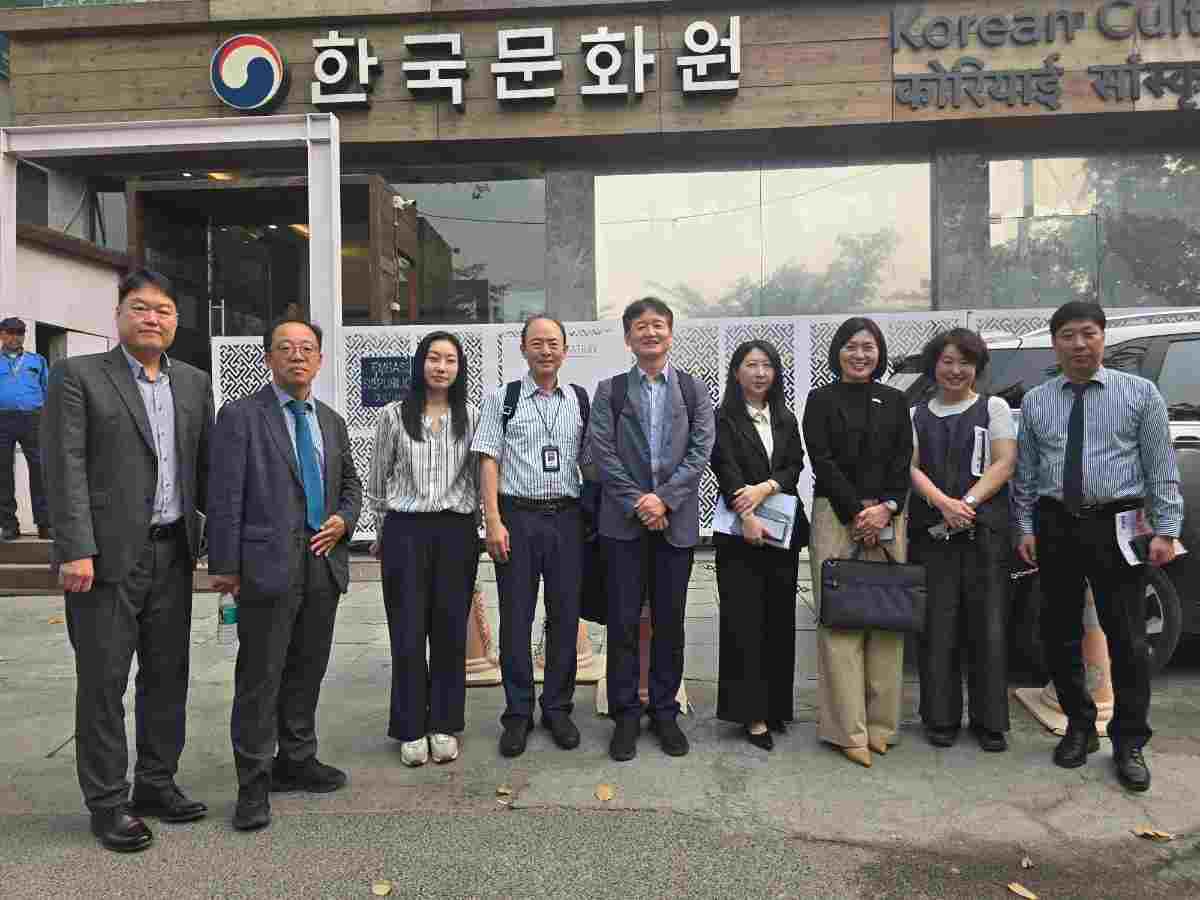
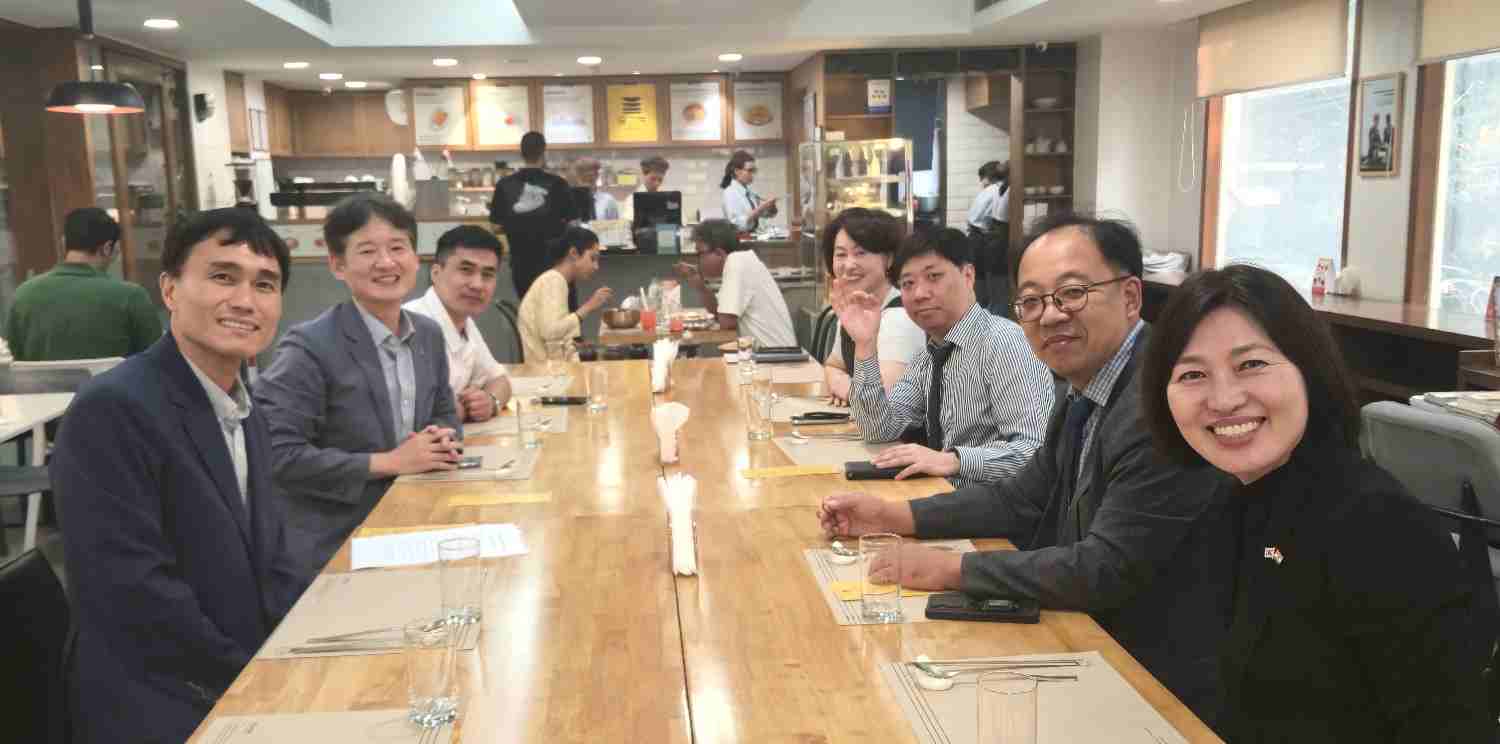 Later on November 5 in New Delhi, Ms Hojeong Ko, Director of the Korean Education Centre (KEC) India, facilitated a meeting between representatives of these Korean institutions and K. S. Upadhyay, Additional Director, Directorate of Education, New Delhi, exploring future educational pathways for Indian students. The discussion focused on connecting Korean language learning at secondary school with technical higher education and potential careers in Korea. The delegation also visited the KEC India office and the Korean Cultural Center in India (KCCI).
Speaking to Asian Community News (ACN) Network, Prof. Cha Yong Doo of Yeungjin University explained that the programme was designed for international students worldwide, with students from Vietnam, Mongolia, Uzbekistan and Nepal already entering or exploring the educational pathway following its introduction in 2026.
He indicated that Indian students possessing the necessary qualifications and Korean-language proficiency could potentially be considered for admission as early as March 2027, although September remained the principal recruitment target.
 Technical Education Linked to Employment: The K-CORE (K-College to Regional Employment) initiative, introduced under South Korea’s Ministry of Justice, seeks to create a structured connection between technical education and employment, particularly in regional manufacturing industries experiencing shortages of qualified professionals. The programme operates through 16 designated Korean junior colleges, offering specialised courses aligned with the workforce requirements of Korean industries.
Unlike conventional four-year university education, the proposed pathway focuses on two-year technical programmes, enabling students to acquire practical industrial skills before seeking employment related to their qualifications. The government envisages developing up to 800 skilled international professionals annually through the initiative, contributing to regional industrial growth while providing career opportunities for foreign graduates.
According to Hojeong Ko, Director of KEC India, one of K-CORE’s major attractions is the relaxation of certain financial documentation requirements, which often present difficulties for international students seeking admission to Korean universities.
 Eligible students with Level 3 proficiency in the Test of Proficiency in Korean (TOPIK) may qualify for exemption from the usual financial-capacity documentation requirement associated with the D-2 student visa.
The exemption does not eliminate tuition or living expenses but can remove a significant procedural hurdle for eligible applicants. Students may also receive permission to work part-time for up to 35 hours weekly, subject to immigration regulations. After graduation, candidates securing employment related to their technical qualifications, with an annual starting salary of at least 26 million Korean won, may become eligible for the E-7-M employment visa.
However, they must fulfil additional requirements, including TOPIK Level 5 or Level 4 of the Korea Immigration and Integration Programme. Employment and visa approval are not automatic.
Specialised Courses Across Korean Universities: The programme encompasses diverse technical disciplines, ranging from mechanical engineering and precision manufacturing to textile technology, electrical engineering and renewable energy.
Yeungjin University’s Smart CAD/CAM Department specialises in mechanical design, mould manufacturing, computer-aided manufacturing, CNC machining, 3D printing and precision engineering.
 Seojeong University’s Global Textile & Fashion Business Department offers courses in textile manufacturing, dyeing, finishing, textile management and international business, complemented by Korean-language training.
Similarly, Dong-Eui Institute of Technology focuses on mechanical engineering, manufacturing technology and production engineering, while Mokpo Science University offers technical education in renewable energy, electrical engineering and related industrial technologies.
These four institutions have departments identified under the K-CORE initiative, although specific admission conditions and course availability must be confirmed individually.
Korean Universities Explore Opportunities in India: As part of efforts to introduce the programme to Indian students, representatives of five South Korean institutions visited Manipur on November 2–3 and subsequently engaged with education authorities in New Delhi.
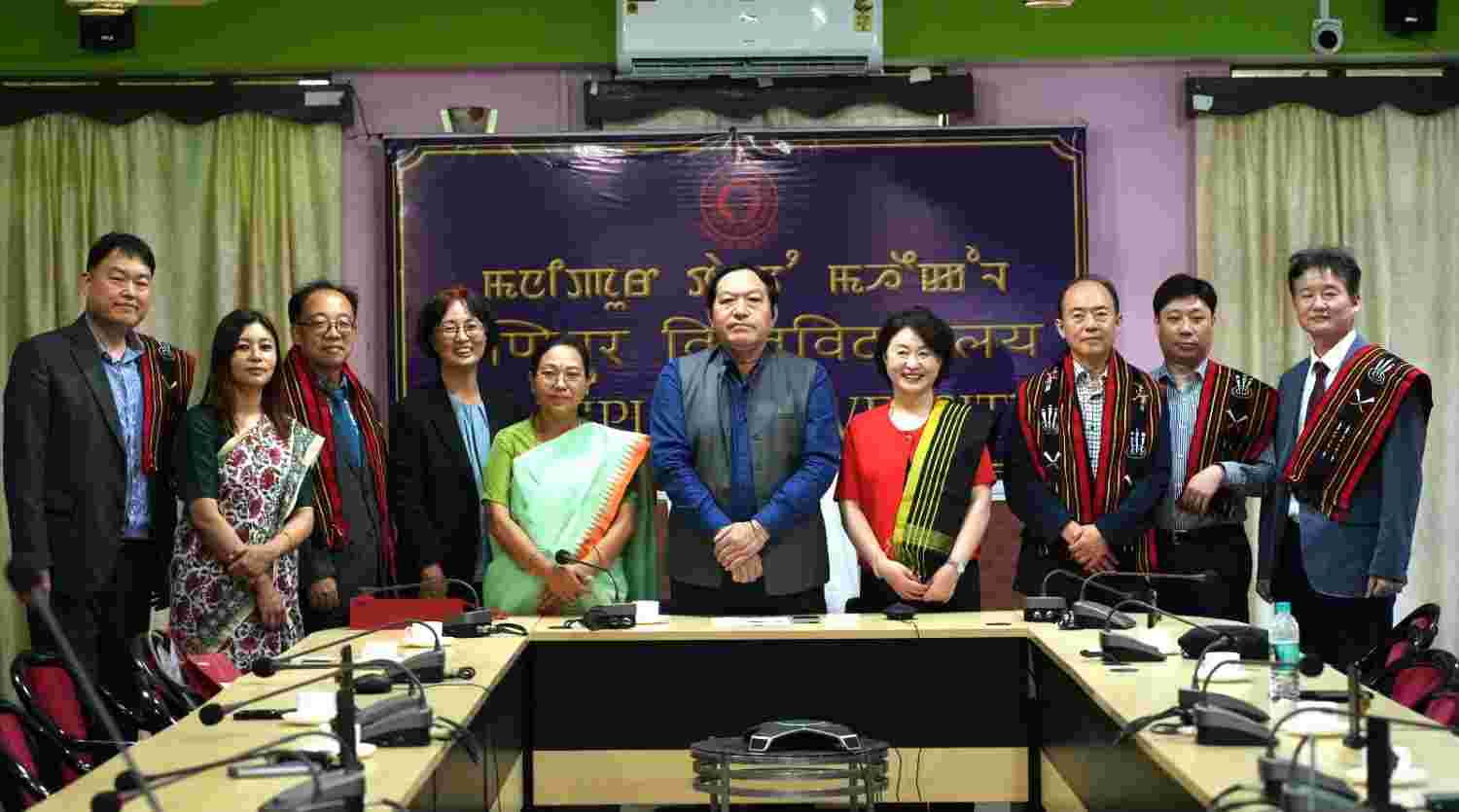
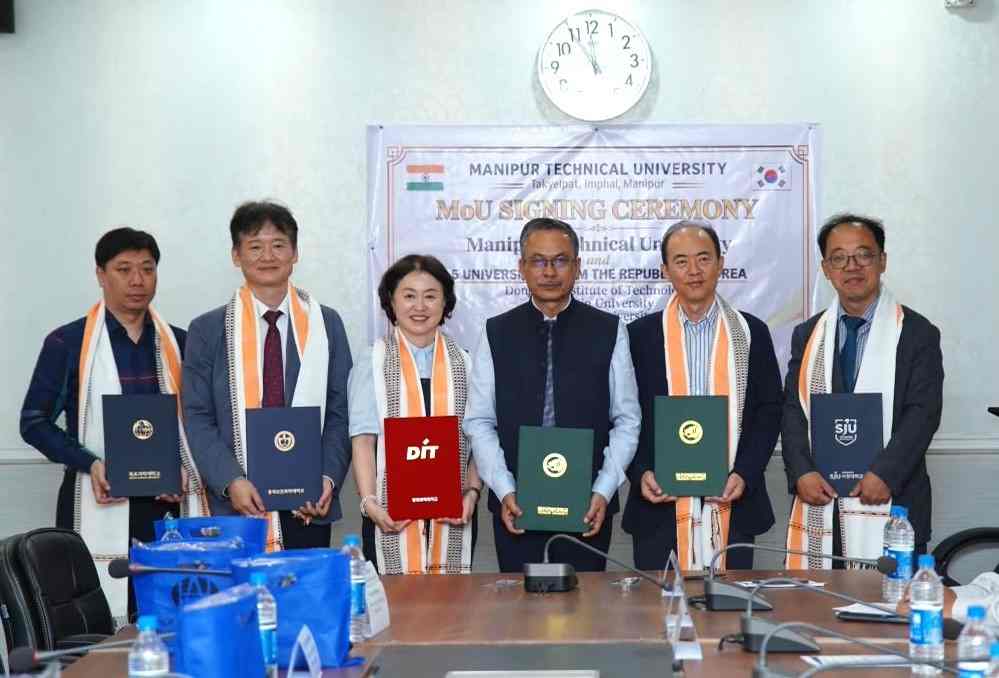
In Manipur, Yeungjin University, Seojeong University, Dong-Eui Institute of Technology, Chungbuk Health and Science University and Mokpo Science University signed Memoranda of Understanding with Manipur Technical University (MTU) on November 3.
MTU Vice-Chancellor Prof. W. Chandbabu signed the agreements with Korean university representatives, opening avenues for academic cooperation, technical training, student exchanges and Korean-language education.
Prof. Chandbabu expressed interest in introducing Korean-language classes at MTU and strengthening institutional cooperation.
Prof. Cha’s delegation also held discussions with education officials in New Delhi, where the initial response was encouraging, according to the interpreter accompanying the delegation.
The meetings explored ways to familiarise Indian students with the Korean programme and develop institutional arrangements for future recruitment.
 Korean-Language Education to Play a Crucial Role: K-CORE’s success in India will depend largely on preparing students with appropriate Korean-language skills, a prerequisite for admission and subsequent employment opportunities.
The Korean Education Centre (KEC) India, which promotes Korean-language education and academic exchanges, could play an important role in creating awareness of educational opportunities in South Korea.
Emphasising the Centre’s broader commitment to bilateral educational cooperation, Hojeong Ko, stated, “We will also continuously expand the promotion of studying in Korea and educational cooperation and exchange between Korea and India. For students already learning Korean, these emerging pathways offer a practical reason to continue their studies: language skills developed at school could become a foundation for further qualifications, international experience and future careers.”
“Students are more motivated when they can see where their learning may take them. We want to help them connect Korean language study with opportunities to develop professional skills and build their futures,” said Hojeong Ko.
She said that following the meeting, the five visiting colleges expressed interest in returning for a KEC-organised education expo in 2027, potentially alongside other K-Core institutions. Preliminary discussions envisaged an event in April or May, with a view to the September 2027 intake.
KEC will seek detailed information from participating colleges and continue discussions with education partners to help students and families understand the available pathways. Admission and programme requirements will be shared once confirmed.