Korea-India Forge Strategic Semiconductor Alliance at 3rd Future Economy & Industry Forum
The High-level KIEP forum explores policy, investment, and industrial collaboration to position India as a global semiconductor hub with Korea as a key partner

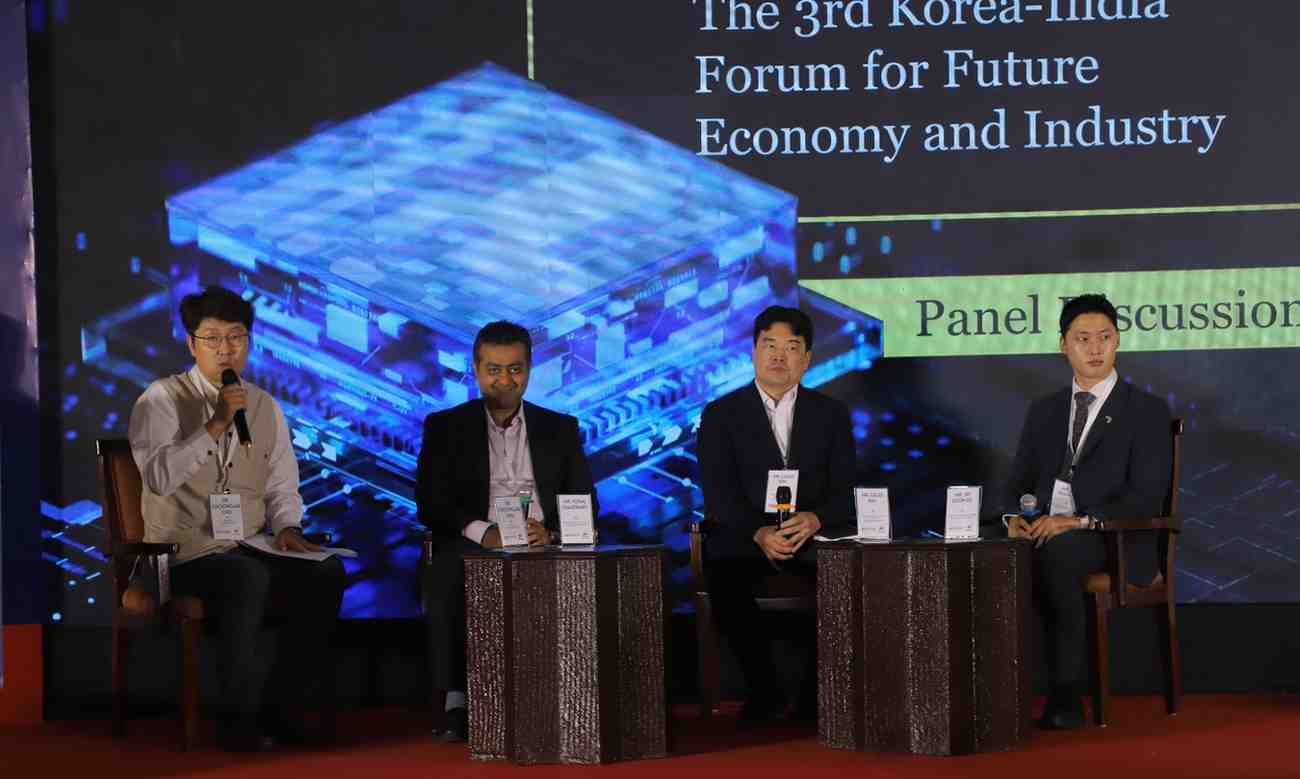
New Delhi, India – In a major push to bolster technological collaboration between South Korea and India, the 3rd Korea-India Future Economy and Industry Forum (KI-FEIF) was successfully held on June 5 at The Grand Hotel in New Delhi. Co-hosted by the Korea Institute for International Economic Policy (KIEP) Delhi Office and Ernst & Young (EY) India, the forum brought together high-level government officials, industry leaders, policy experts, and academic researchers from both nations.
 Focusing on the theme “Navigating the Present and Future of India’s Semiconductor Industry: Pathways for Korea–India Cooperation,” the event served as a platform for comprehensive dialogue on India’s emerging semiconductor sector and the growing potential for bilateral strategic collaboration in this high-stakes industry.
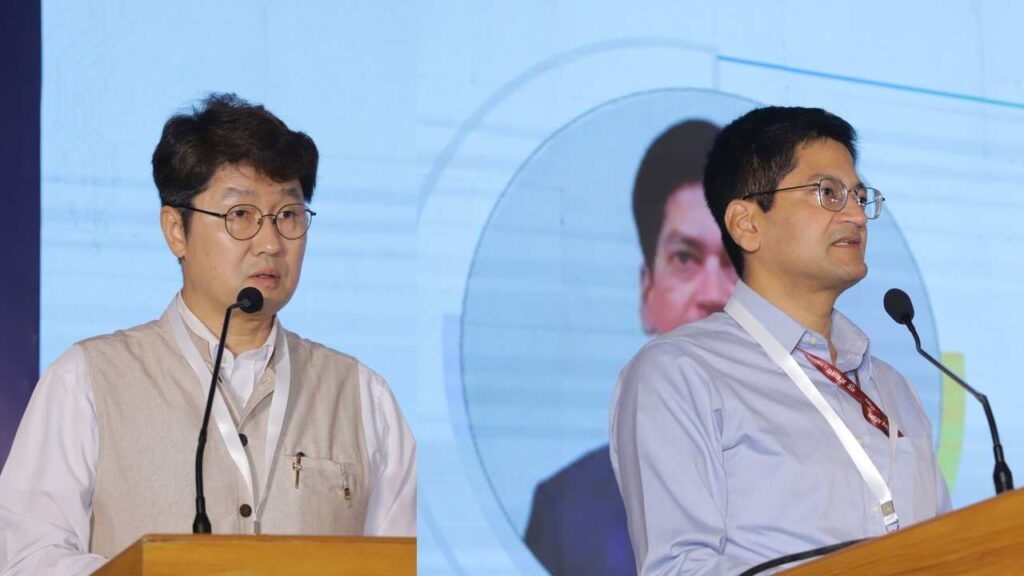
Delivering the opening address, Dr. Choongjae Cho, Director of KIEP’s Delhi Office, emphasized that Korea and India have shared a Special Strategic Partnership for over a decade. He noted that in the face of a fast-evolving global technological environment, stronger industrial and policy linkages—especially in semiconductors—have become more crucial than ever. He further described semiconductors as the “backbone of the digital age,” noting that the sector is no longer a niche but a foundational pillar of both national economies and global supply chains.
Mr. Saurabh Agarwal, Partner at EY India, also addressed the gathering, underlining the role of policy incentives and collaborative frameworks in driving semiconductor manufacturing in India. He highlighted India’s investment-friendly reforms and EY’s role in facilitating cross-border collaboration in technology and manufacturing.
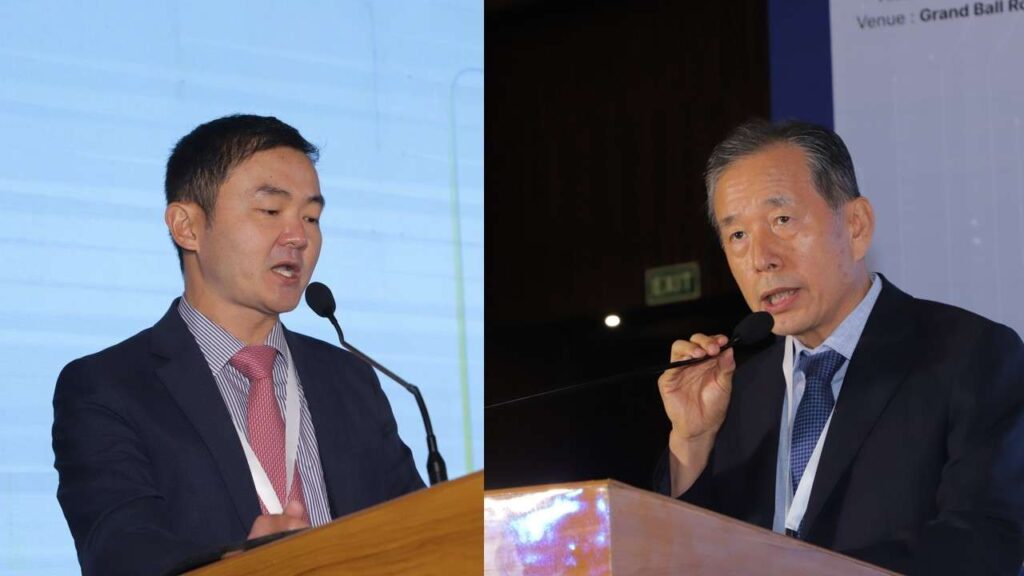 Dr. Euy Don Park, President of the Federation of Korean Associations in India, and Mr. Sungjoong Cho, Commercial Counsellor at the Embassy of the Republic of Korea, delivered congratulatory remarks, reinforcing the commitment of the Korean government and community toward strengthening industrial ties with India.
Dr. Park said that India is witnessing an unprecedented digital transformation. With over a billion digital consumers, surging demand for smartphones, automobiles, and industrial electronics is fueling a sharp increase in semiconductor requirements. He said that Korean firms are increasingly recognizing India’s potential, not just as a lucrative export destination but as a strategic base for manufacturing and R&D expansion.
“South Korea is a global powerhouse in semiconductor manufacturing, home to industry giants like Samsung and SK Hynix. Korean companies have mastered advanced processes such as sub-10nm fabrication and 3D chip stacking—capabilities that can help India leapfrog into next-generation technologies,” Dr. Park added.
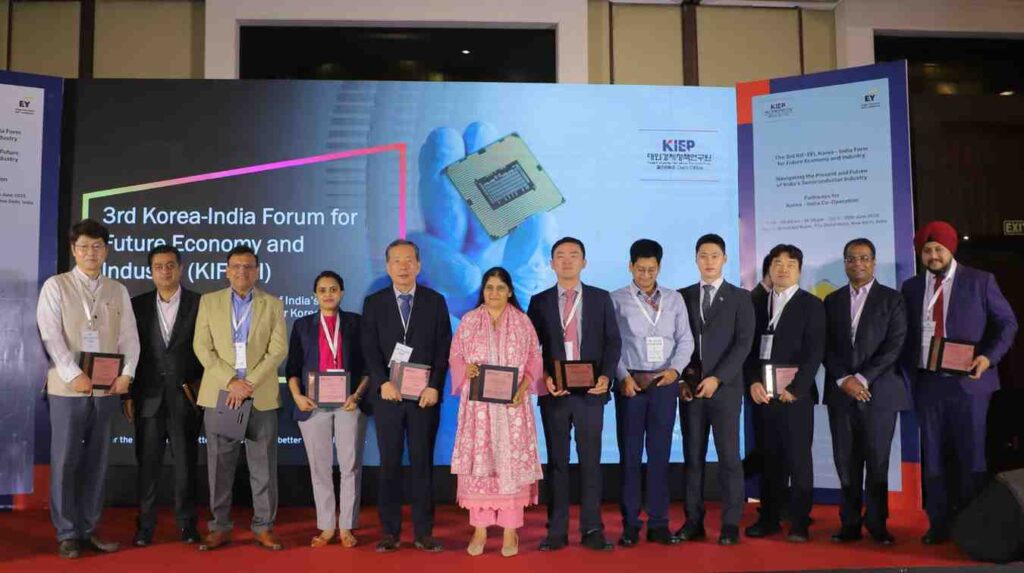 The first session of the forum, titled “India’s Semiconductor Industry – Current Status, Future Prospects and Policy Direction,” featured prominent speakers including Amitesh Kumar Sinha, Additional Secretary at the Ministry of Electronics & Information Technology (MeitY) and CEO of the India Semiconductor Mission; Anku Jain, Managing Director of MediaTek India; Ms. Mona Khandar, Principal Secretary, Department of Science & Technology, Government of Gujarat; and Ms. Shruti Singh, Assistant Vice President, Invest India.
The session examined India’s semiconductor manufacturing potential, key policy initiatives such as the India Semiconductor Mission, and regional hubs like Gujarat poised to become future industry anchors.
The second session, “Business Incentives & Regulation and Korea–India Corporate Potential Collaboration in Semiconductors,” delved into business-friendly regulatory frameworks and highlighted real-world corporate experiences. Key contributions were made by Jongwan Ko, Director at the Korea Semiconductor Industry Association (via a pre-recorded presentation); Kunal Chaudhary, Partner at EY India; Lucas Kim, General Manager at Seoul Semiconductor India; and Jin Soon Lee from Daiichi Jitsugyo India Pvt. Ltd. The discussions explored joint ventures, technology transfers, foreign direct investment (FDI) incentives, and ways to bridge cultural and operational gaps between Korean and Indian firms.
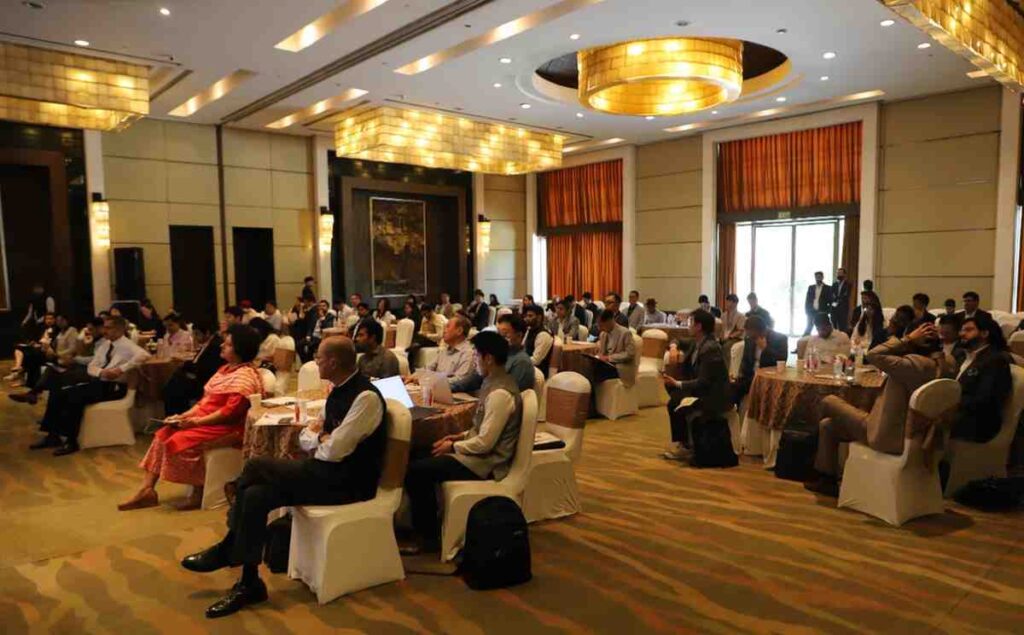 Both sessions were moderated by Dr. Choongjae Cho and concluded with interactive panel discussions offering sharp insights into the practical realities and emerging prospects of semiconductor collaboration.
As Dr. Cho summed up in his concluding remarks, the forum marks a pivotal point in the Korea–India industrial relationship, with semiconductors forming a new strategic axis for cooperation. With participants committing to deepening bilateral engagement, the 3rd KI-FEIF has laid a strong foundation for turning policy dialogue into concrete industrial partnerships.
The event concluded with a networking lunch, fostering informal yet meaningful exchanges among participants from both sides.