KOCHAM India AGM Highlights Budget Outlook, Trade Risks and Expansion Plans for Korean Firms
Ambassador Lee Sung-ho, industry experts and trade bodies outline evolving India strategy at Gurugram gathering.

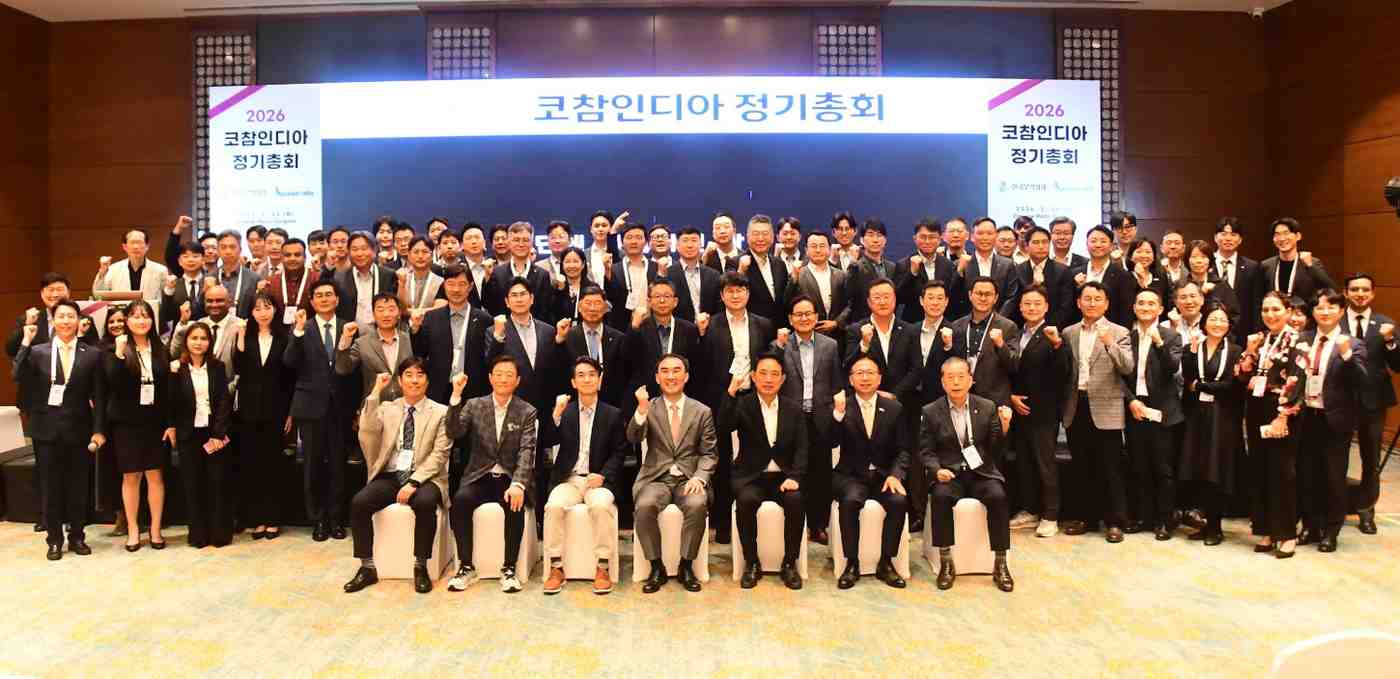
Gurugram, India – The Korean business community in India convened for the KOCHAM India Annual General Meeting 2026 in Gurugram, where diplomats, policy experts, and industry leaders reviewed the evolving business landscape in India and mapped priorities for Korean companies operating in the country.
Held on February 24 at the Crowne Plaza, the meeting brought together senior representatives of Korean corporations, trade bodies and institutional partners. The event was organised by the New Delhi office of the Korea International Trade Association (KITA), which serves as the secretariat for KOCHAM India.
The programme opened with remarks by KOCHAM India Chairman Lee Si-yeon, who reflected on the chamber’s expanding role in supporting Korean enterprises in India. In a congratulatory address, Ambassador of the Republic of Korea to India, Lee Sung-ho, emphasised the strengthening economic partnership between the two countries and encouraged deeper engagement by Korean businesses in India’s fast-growing market.
Review of KOCHAM Activities: A detailed review of KOCHAM’s 2025 performance and 2026 roadmap was presented by Lee Seung-won, Team Leader at KITA New Delhi. The presentation outlined initiatives such as policy advocacy, member networking, business facilitation and knowledge forums aimed at strengthening the operational ecosystem for Korean firms in India. The chamber also outlined plans to deepen collaboration platforms and expand support services in the coming year.
Market Trends and Consumer Insights: One of the highlights of the event was a keynote presentation by Professor Kim Nan-do of Seoul National University, who analysed global and Asian consumer trends from the perspective of “Trend Korea 2026.” He examined the implications of emerging consumption patterns, digital transformation and lifestyle shifts for Korean companies operating in India, underscoring the need for localisation and agile market strategies.
India Budget and Investment Climate: A session on the India Union Budget 2026–27 was delivered by Kim Gyu-jin, Accountant at PwC Samil, who outlined major policy directions and their implications for Korean investors. The presentation highlighted India’s continued focus on infrastructure expansion, manufacturing incentives, and supply-chain resilience, along with regulatory changes that could affect taxation, compliance, and capital deployment strategies.
Customs and Trade Risk Advisory: Providing a policy and compliance perspective, Choi Young-hoon, Customs Counsellor at the Korean Embassy in India, delivered a session on tariff and customs risk management. He described tariffs as both a cost factor and a strategic tool and cautioned businesses about rising scrutiny from customs audits, classification disputes and post-clearance investigations. Companies were advised to adopt proactive compliance mechanisms and optimise supply chains in response to evolving trade dynamics.
Institutional Support Ecosystem: The AGM also featured institutional briefings from key Korean agencies operating in India, including KOTRA, the Korea SMEs and Startups Agency (KOSME), the Korea Trade Insurance Corporation (K-Sure), KOICA, and the Korean community organisations. These sessions outlined available programmes in trade promotion, SME expansion, export financing, development cooperation and community support, aimed at reinforcing the broader Korean business ecosystem in India.
Strengthening Korea–India Economic Linkages: The discussions reflected growing confidence among Korean businesses in India’s long-term growth trajectory, even as companies remain cautious about compliance complexities and evolving policy frameworks. Participants emphasised the need for closer coordination among industry, government and institutional stakeholders to fully leverage emerging opportunities in manufacturing, infrastructure, mobility and technology sectors.
The KOCHAM India AGM once again served as a key platform for dialogue among policymakers, industry leaders, and support institutions, underscoring the deepening of Korea–India economic engagement amid shifting global trade dynamics.