
Think Beyond Tokyo: India, Japan Turn to Regional Powerhouses to Drive Next Phase of Economic Ties
Newly constituted India–Japan Governors’ Network signals a strategic shift toward prefecture–state partnerships in trade, talent mobility, technology, and investment.

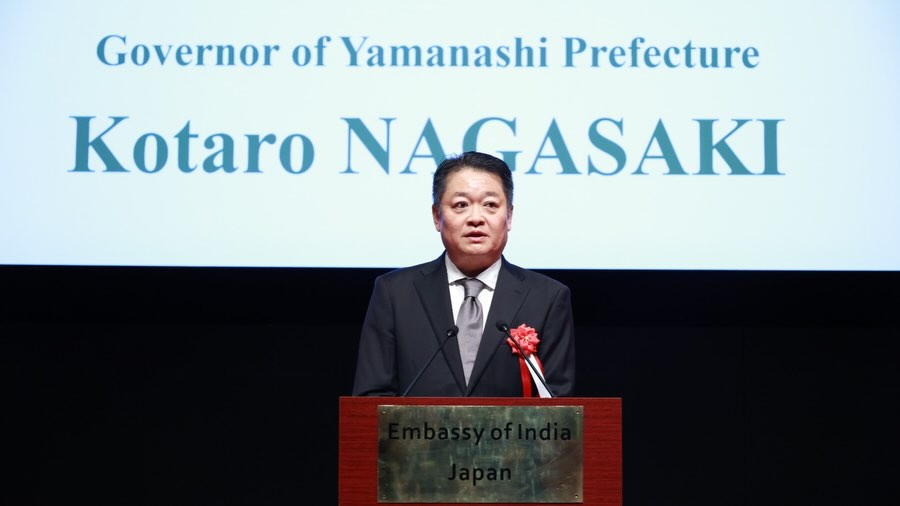
Tokyo, (Japan) – “In recent years, this partnership has expanded beyond the national level, with direct connections growing between Indian states and Japanese prefectures. To fully harness this potential, multiple local governments must collaborate,” Yamanashi Governor Kotaro Nagasaki said as India and Japan formally launched the India–Japan Governors’ Network, a new platform that could redefine how businesses and institutions engage with Japan in the years ahead.
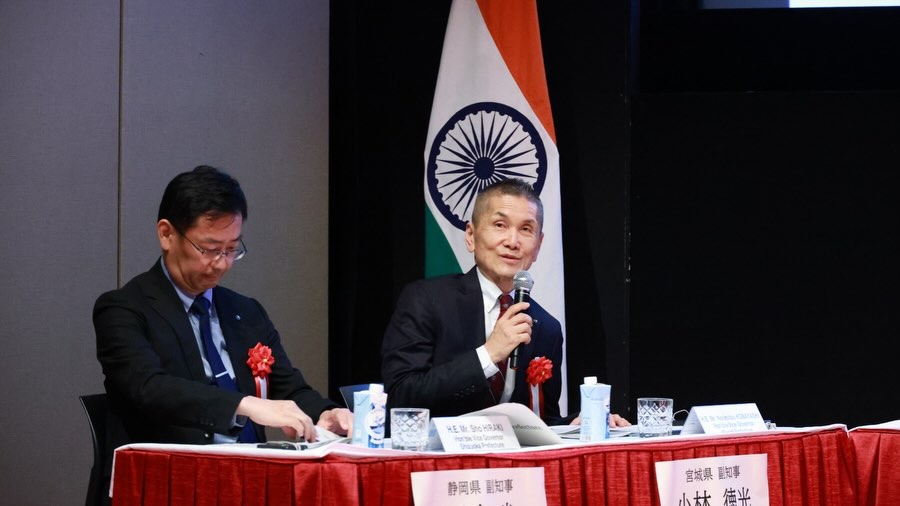
The message from the launch was both strategic and timely: the future of doing business with Japan is no longer confined to Tokyo. Instead, a new geography of opportunity is emerging across Japan’s prefectures, where industrial clusters, small and medium-sized enterprises, technology ecosystems, labour needs, and local governments are increasingly central to the next phase of India–Japan cooperation.
A New Chapter Beyond the Capitals: Held at the Embassy of India in Tokyo on February 16, the launch brought together governors, senior officials, and representatives from both countries to institutionalise a trend that has already been gathering momentum. Japanese prefectures have, over the past few years, steadily deepened direct ties with Indian states in areas ranging from manufacturing and investment promotion to academic exchange, workforce development, green energy, and market access.
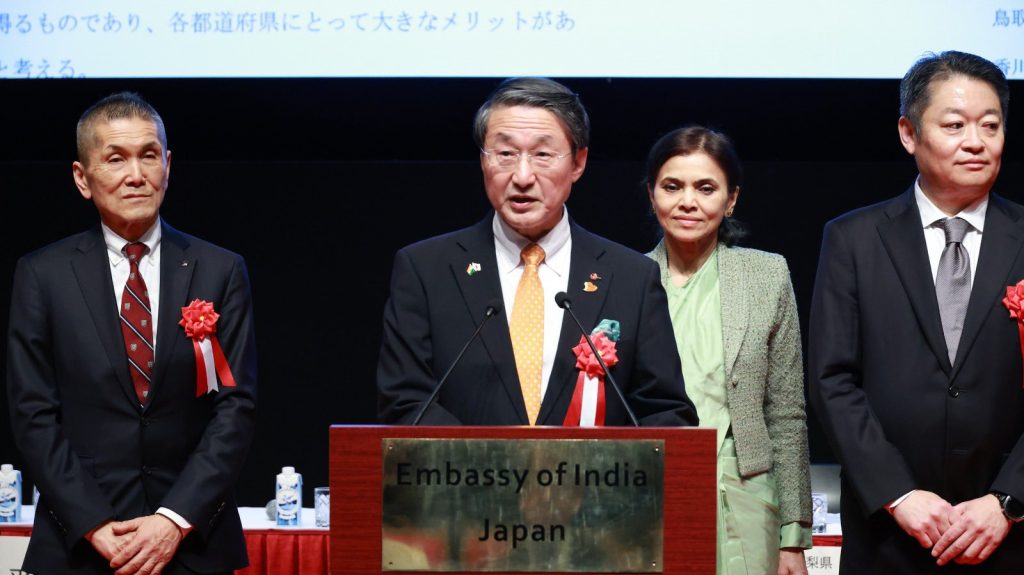
Participants in the new network included Yamanashi, Tottori, Miyagi, Toyama, Iwate, and Shizuoka prefectures, each of which is at a different stage of building practical partnerships with Indian counterparts. Together, they represent a significant shift in the architecture of Japan–India ties—from a capital-centric framework to a more decentralised and opportunity-driven model anchored in local strengths.
Prefecture–State Ties Gain Strategic Importance: India’s Ambassador to Japan, Nagma Mohamed Mallick, placed the development within the wider arc of bilateral engagement, noting that India and Japan have shared a Special Strategic and Global Partnership since 2014. She said the relationship has grown far beyond traditional diplomacy and now spans defense, economic security, culture, and robust people-to-people exchanges.
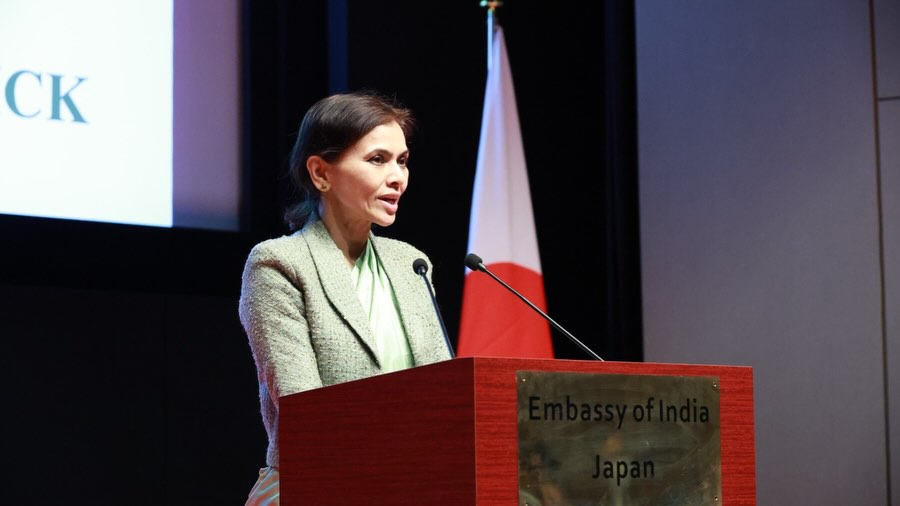
She described ties between Indian states and Japanese prefectures as one of the most valuable and forward-looking dimensions of the relationship. According to her, Prime Minister Narendra Modi has treated such cooperation as a key pillar of the next-generation India–Japan partnership. That emphasis was visible in 2025, when Modi met 16 Japanese governors, while chief ministers from eight Indian states also visited Japan.
Why Regional Japan Matters More Than Ever: The new governors’ network effectively formalises a concept that may increasingly define bilateral business strategy: Think Beyond Tokyo.
For Indian stakeholders, that means looking not just at Japan’s national institutions or metropolitan corporate centres, but also at regional Japan, where much of the country’s industrial depth actually resides. Japan’s manufacturing competitiveness is heavily rooted in prefectural economies, many of which are home to specialised SME clusters, export-oriented firms, advanced component makers, and innovation-led local industries. These are precisely the ecosystems that could find strong complementarities with India’s rising market scale, digital capabilities, talent pool, and industrial ambitions.
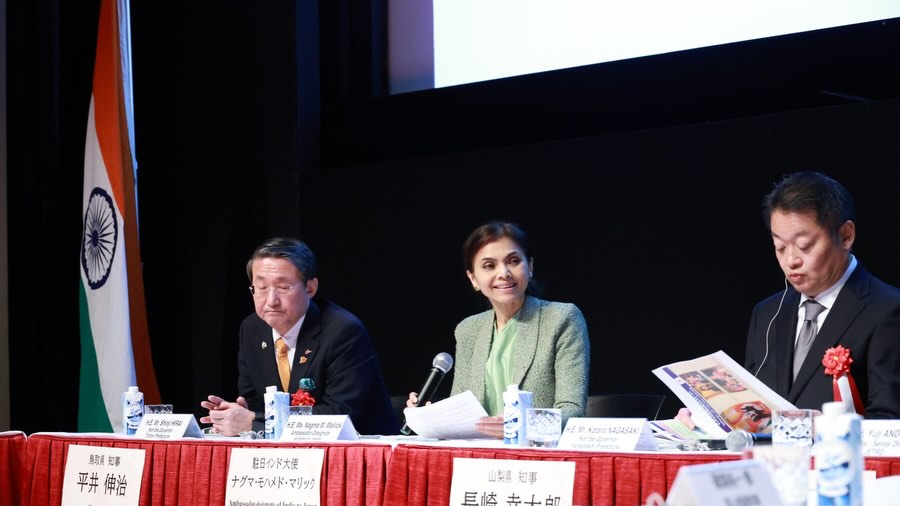 The Rise of the ‘Gateway’ Model: Governor Nagasaki, who played a central role in conceptualising the initiative, said the network was designed to move beyond the limitations of traditional one-to-one sister-city or sister-state arrangements. Instead, it seeks to create a collaborative framework in which opportunities emerging from one India-linked prefecture can be shared across the network.
This “gateway” approach could prove especially important for business. A company located in one Japanese prefecture may now gain access to investment leads, project opportunities, or institutional relationships generated through another prefecture’s engagement with an Indian state. In effect, the network multiplies the commercial value of each regional partnership by making it visible and usable for others.
Trade, Technology and Green Growth Opportunities: Examples of this model are already visible. Yamanashi has entered into cooperation with Uttar Pradesh on green hydrogen and is planning a joint centre of excellence with IIT Kanpur. Tottori Prefecture, meanwhile, is exploring collaborative approaches with other prefectures to promote Japanese sake exports in India.
Labour Mobility Emerges as a Key Driver: Labour and human resource mobility emerged as another major driver of the network. Japan’s ageing population and shrinking workforce continue to create acute shortages across sectors such as manufacturing, agriculture, construction, and care services. India, with its young workforce and expanding skill ecosystem, is increasingly being seen not just as a market, but as a long-term talent partner.
Mallick captured this complementarity in clear terms, saying that while Japan brings advanced manufacturing and technological capability, India contributes skill, talent, and market scale in a way few countries can. That convergence of needs and strengths is now shaping regional strategies across Japan.
Regional Japan’s SMEs Look Toward India: Different prefectures are approaching India through their own sectoral priorities. Shizuoka has developed ties with Gujarat, including linkages between Hamamatsu and Ahmedabad and academic arrangements with Indian institutions. Iwate and Miyagi are exploring cooperation linked to India’s growing semiconductor ecosystem, while Toyama has established a dedicated India Economic Desk to support companies looking to enter or expand in the Indian market.
The shift toward prefectural diplomacy also mirrors changes in the private sector. Yuji Ando, Senior Director for Global Strategy (Southwest Asia) at JETRO, noted that Japanese companies are increasingly viewing India not just as a destination for sales, but as a long-term base for production, collaboration, and innovation.
Private Sector Sees India as a Long-Term Base: Importantly, many of these firms are not headquartered in Tokyo but in Japan’s regional prefectures. That makes closer coordination between Indian state governments and Japanese prefectural authorities even more relevant, as it lowers operational barriers, improves local understanding, and speeds up decision-making.
Ando acknowledged that enthusiasm toward India may still vary across regions, but noted that labour shortages are now a near-universal concern in Japan. Combined with India’s ongoing infrastructure upgrades and regulatory reforms, this is drawing a broader range of Japanese businesses to look more seriously at India than before.
Beyond Business: Tourism and Community Links: The launch also hinted at a wider future agenda. Ambassador Mallick suggested that cooperation should go beyond trade, technology, and manufacturing, and increasingly include sectors that resonate with local communities more directly, including tourism and region-specific cultural assets. That would help broaden the India–Japan partnership from a strategic and economic relationship into one with deeper social visibility and local ownership.
A Stronger Grassroots Foundation for India–Japan Ties: Governor Nagasaki framed the network’s ambition in practical terms: building multi-layered and durable linkages between prefectures and states that produce tangible outcomes—investment, institutional collaboration, and stronger person-to-person ties. Echoing that sentiment, Tottori Governor Shinji Hirai invoked Prime Minister Modi’s phrase “Vasudhaiva Kutumbakam”—One World, One Family—to express hope that stronger local leadership ties would anchor the partnership’s next stage.
The launch of the India–Japan Governors’ Network may therefore be remembered as more than a diplomatic event. It signals a strategic restructuring of how India and Japan see each other’s economic geography.
Think Beyond Tokyo: The New Business Message: For businesses, investors, universities, and regional governments, the takeaway is clear: the next big opportunities in Japan–India cooperation may well lie beyond the capitals.
In other words, to do business with Japan in the coming decade, India may first need to think beyond Tokyo.
InfoBox 1: India–Japan Governors’ Network at a Glance
- Launched on: February 16
- Venue: Embassy of India, Tokyo
- Purpose: To deepen structured cooperation between Indian states and Japanese prefectures
- Focus Areas:
- Trade and investment
- Talent and labour mobility
- Technology and innovation
- Academic exchange
- Industrial collaboration
- Key Idea: Moving beyond capital-centric engagement to stronger subnational partnerships
InfoBox 2: Why ‘Think Beyond Tokyo’ Matters
- Much of Japan’s industrial strength lies in its regional prefectures
- Prefectures host major SME clusters, manufacturers, and innovation ecosystems
- Indian states can directly engage these regions for:
- Investment promotion
- Skilled workforce partnerships
- Green energy collaboration
- Semiconductor and technology tie-ups
- Tourism and cultural exchange
- Emerging message: The next phase of India–Japan business ties will increasingly be shaped by regional Japan, not just Tokyo