Japanese-Language Boom Draws Record 6,061 Candidates to New Delhi JLPT
July 2026 turnout reaches its highest level in the capital as Japanese gains ground among Indian students, professionals and independent learners.

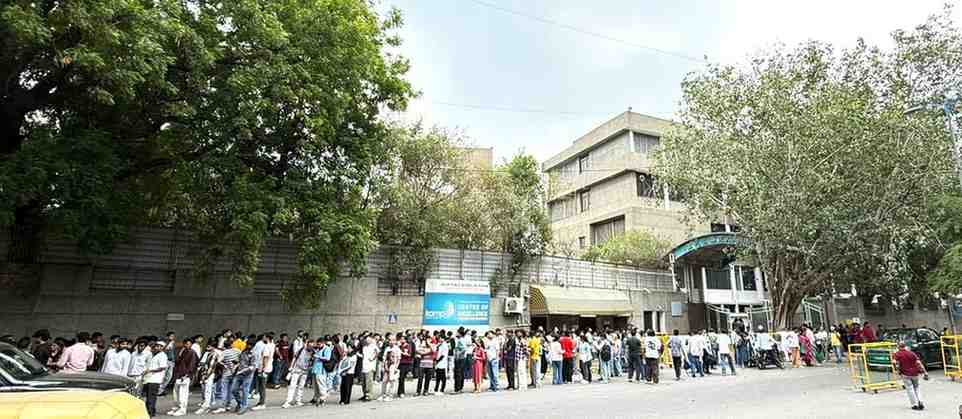
New Delhi: The growing popularity of the Japanese language in India reached another milestone on July 5, 2026, when a record 6,061 candidates appeared for the Japanese-Language Proficiency Test at the New Delhi centre. It is the first time in the history of the JLPT exams that the number has crossed the six-thousand mark.
According to the latest data provided by the Mombusho Scholars Association of India (MOSAI), the turnout was the highest recorded for a July JLPT session in New Delhi. It represented an increase of 161 candidates, or about 2.7 per cent, over July 2025, when 5,900 candidates took the examination.
 Conducted by MOSAI, led by its octogenarian President Dr Ashok Jain, in collaboration with the Japan Foundation, New Delhi (JFND), the examination covered all five proficiency levels—from the introductory N5 to the advanced N1.
The largest number of candidates appeared for N5, the entry-level examination, which attracted 2,105 examinees. It was followed by N4 with 1,498 candidates, N3 with 1,348, N2 with 911, and N1 with 199. Actually, the number of candidates who applied for the JLPT in July 2026 was 7498, the highest ever.
The strong turnout at the beginner and intermediate levels demonstrated that a growing number of Indian learners were entering the Japanese-language education system and progressing towards higher proficiency.
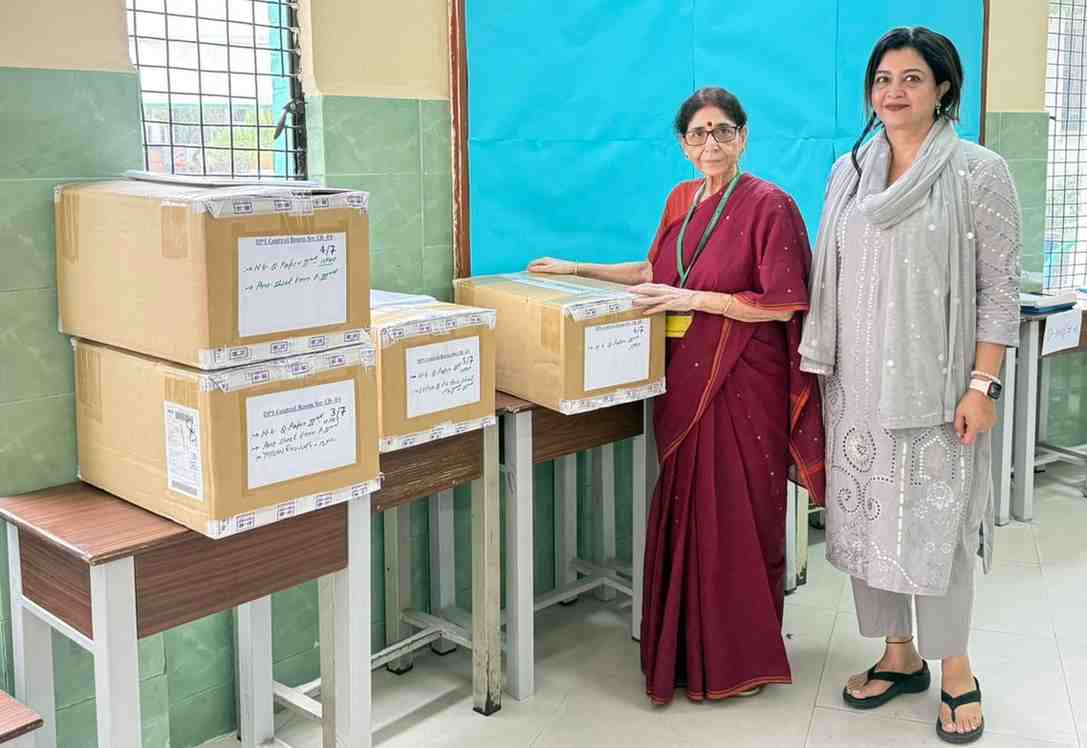
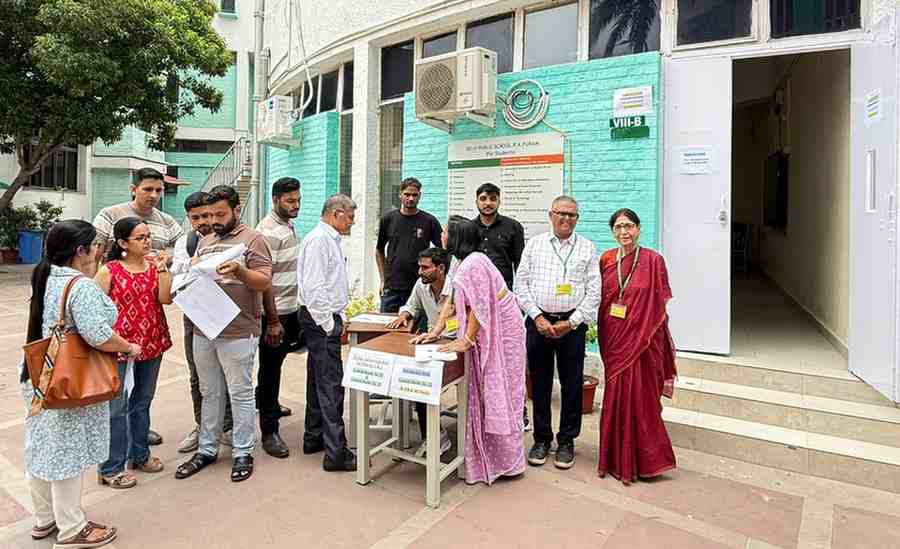
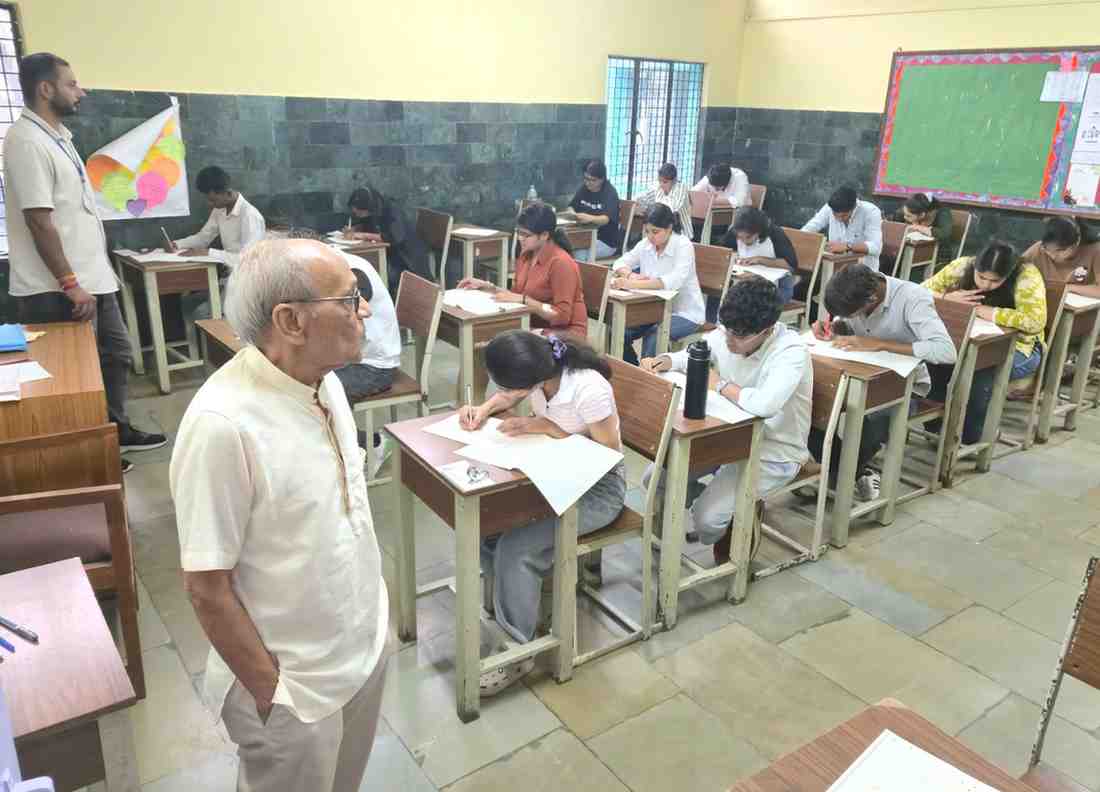 The examination was held at three venues—DPS International School, R.K. Puram; Ramjas College; and Vivekananda Institute of Professional Studies—to accommodate the large number of candidates.
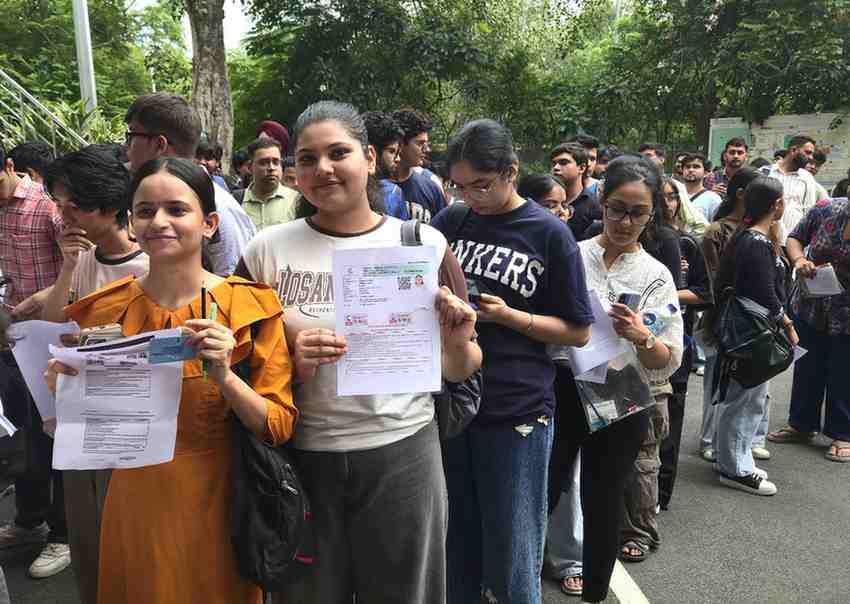
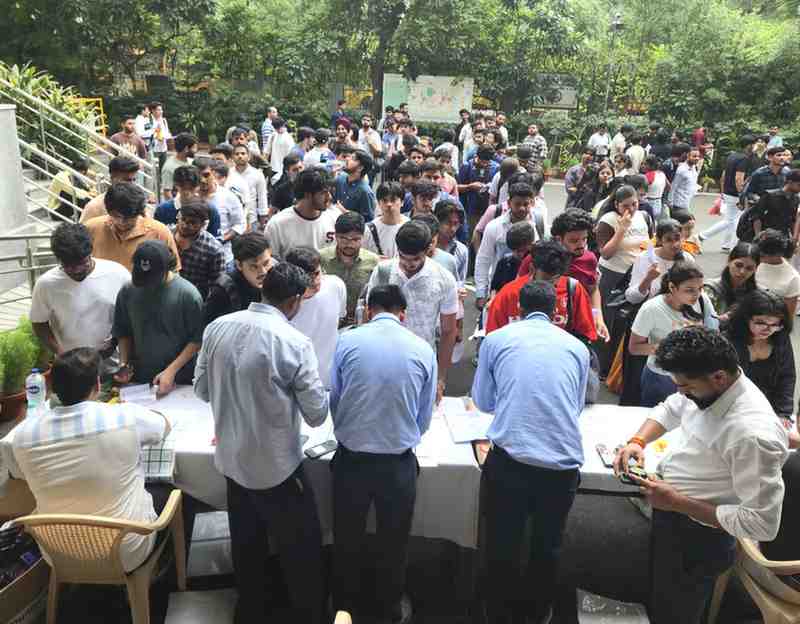
Long queues formed outside the centres early in the morning despite rainfall in Delhi. Many candidates were accompanied by parents, guardians and other family members, but the wet weather did not diminish the enthusiasm surrounding one of the world’s most widely recognised Japanese-language examinations.
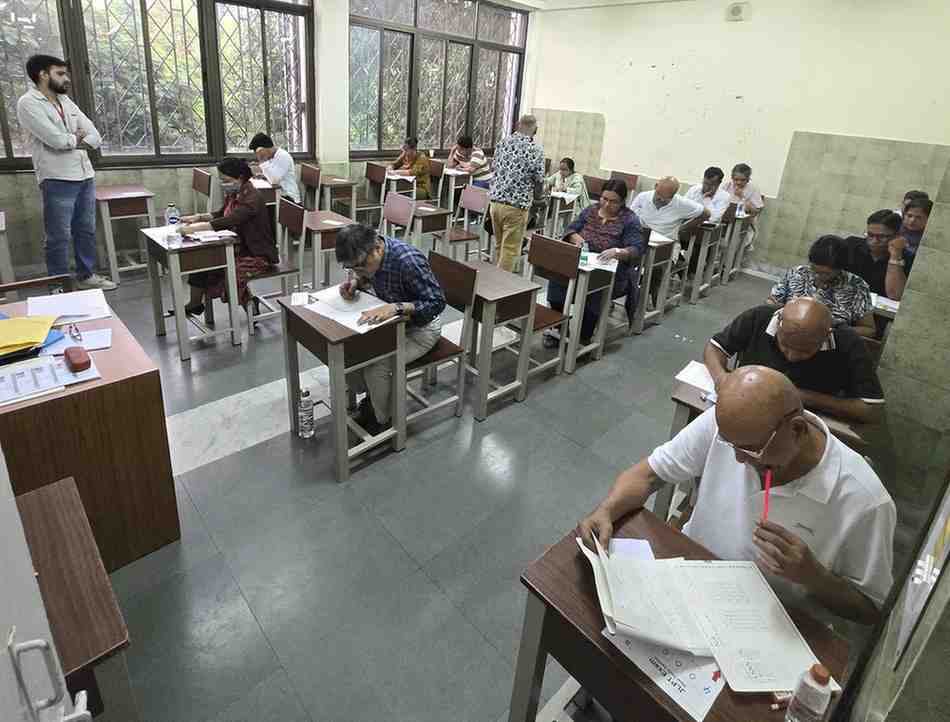
The participation profile also reflected the broadening appeal of Japanese in India. Candidates included school and college students, working professionals, researchers, businesspeople and independent learners. A 75-year-old candidate was among those who appeared, underlining that interest in Japanese was no longer limited to young people seeking their first academic or employment opportunity.
 The rising numbers indicated a significant shift in how Japanese was perceived in India. Once pursued primarily by a relatively small group of language specialists, it was increasingly being viewed as a professional qualification capable of supporting careers in manufacturing, technology, international business, translation, interpretation, tourism, education and research.
India’s expanding economic relationship with Japan has contributed to this trend. Japanese companies operating in sectors such as automobiles, electronics, engineering, infrastructure, logistics, finance and information technology require professionals capable of communicating across linguistic and cultural boundaries.
At the same time, Indian companies working with Japanese clients and partners increasingly value employees who understand not only the language but also Japanese business practices and workplace culture.
 For students, proficiency in Japanese can open pathways to higher education, technical training, research programmes and employment opportunities in Japan. Language ability can also help Indian students adapt more effectively to academic, professional and everyday life in the country.
Cultural interest has emerged as another important factor. The popularity of Japanese animation, cinema, literature, food, tourism, and traditional culture has encouraged many young Indians to begin learning the language, sometimes well before they consider its professional applications.
Participation Nearly Triples in a Decade: The New Delhi figures demonstrate the sustained expansion of Japanese-language learning. In July 2016, 2,090 candidates appeared for the examination. The number rose to 2,644 in July 2017, 3,334 in 2018 and 4,057 in 2019.
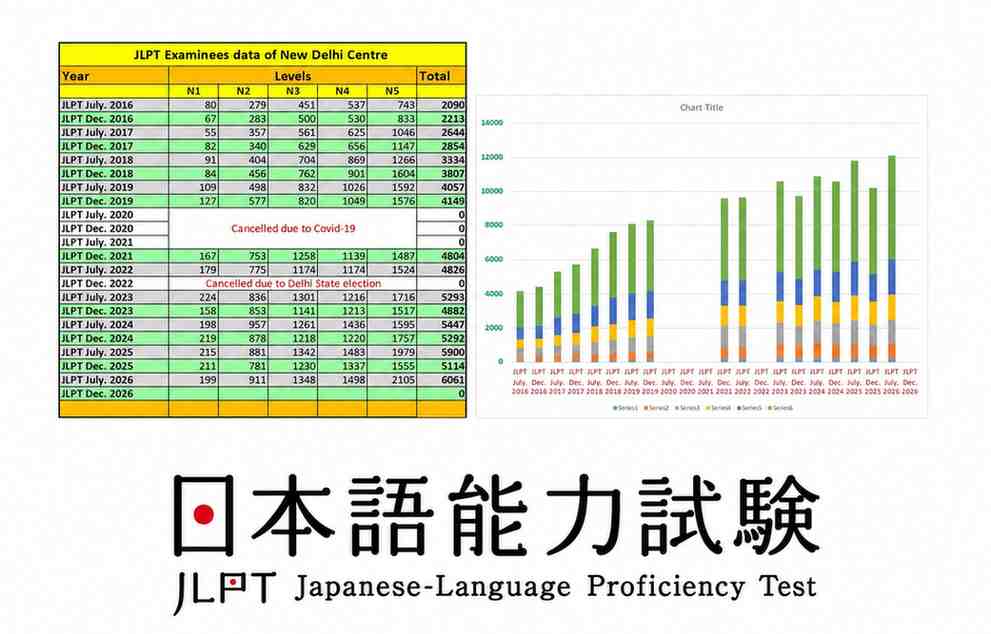 After examinations were disrupted during the Covid-19 period, participation recovered strongly. The July turnout reached 4,826 in 2022, 5,293 in 2023, 5,447 in 2024 and 5,900 in 2025 before climbing to 6,061 in July 2026.
The latest figure was almost 2.9 times the July 2016 turnout, representing an addition of 3,971 candidates over a decade.
The combined July and December totals also reflected strong long-term growth. New Delhi recorded 4,303 examinees in 2016, 5,498 in 2017, 7,141 in 2018 and 8,206 in 2019.
The examination was cancelled in 2020 because of the Covid-19 pandemic. Only the December session was conducted in 2021, drawing 4,804 candidates, while the December 2022 examination was cancelled due to the Delhi state election.
 Annual participation crossed the 10,000 mark in 2023, when the two sessions attracted a combined 10,175 candidates. The total increased to 10,739 in 2024 and reached a new annual high of 11,014 in 2025.
With 6,061 candidates already appearing in the July 2026 session, the year appeared set to maintain the strong momentum in Japanese-language learning, subject to participation in the December examination.
MOSAI Chairman Prof. (Dr.) Ashok Jain said the JLPT’s growing reach reflected the seriousness with which Indian learners were approaching Japanese-language education.
 The examination’s five-level structure enables beginners to establish a formal learning path while providing advanced learners with an internationally recognised assessment of their reading, listening, vocabulary and grammatical abilities.
The record participation, therefore, represented more than a statistical increase. It demonstrated the expanding human dimension of India-Japan relations and the emergence of Japanese as an increasingly important foreign language for Indian learners across professions and generations.
 About MOSAI & KIZUNA India-Japan Study Forum: The Mombusho Scholars Association of India (MOSAI), chaired by Dr Ashok Jain, is a leading organisation dedicated to strengthening academic, educational and cultural ties between India and Japan. Bringing together former recipients of Japanese government scholarships, scholars, teachers, professionals and friends of Japan, MOSAI has developed into an important platform for sustained people-to-people engagement. The association promotes Japanese-language education, supports students seeking higher studies in Japan, and organises lectures, conferences, cultural programmes and the All India Japanese Language Speech Contest. It also encourages research into the historical and contemporary dimensions of India–Japan relations through initiatives such as the KIZUNA India-Japan Study Forum. Under Dr Jain’s leadership, MOSAI has expanded opportunities for dialogue among universities, researchers, government institutions, and civil society partners in both countries. Its work continues to nurture young talent, deepen mutual understanding and build enduring networks that contribute meaningfully to the evolving India–Japan special strategic and global partnership today.
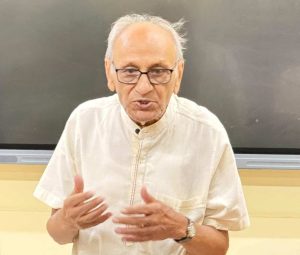 About Dr. Ashok Jain: Dr Jain is a Fellow of the National Academy of Sciences, India, is the President of Japanese Universities & Research Institutions’ Alumni Association (Mombusho Scholars Association of India, MOSAI) and is a recipient of the Emperor of Japan’s medal of honour.
His career started in physics research and teaching at the Universities of Delhi, Kyoto University (Japan) as a MOMBUSHO Scholar, at Bristol University (UK) and the International Centre for Theoretical Physics (Italy) as a Commonwealth Scholar. Dr Jain then moved on to S & T policy, planning & management, first on a diplomatic assignment as Science Attaché, Indian Embassy, Tokyo, then as Principal Officer in the International Division and as Director, Science & Engineering Research Council in the Department of Science & Technology, Government of India.
For the last several years, his main interest has been in interdisciplinary studies at the interface of science, technology and society (STS) and on innovation studies, beginning as Director, National Institute of Science Technology and Development Studies (NISTADS), then as CSIR Emeritus Scientist, Coordinator of EU-India Cross-Cultural Innovation Project, Vice President (Research), EMPI Business School, etc. Dr Jain has visited several countries in Africa and Asia as a member of the Commonwealth Science Council’s S&T advisory committees.
Dr Jain has been a Member of the Indian Council of Social Science Research (ICSSR), Chairman of the ICSSR Research Institutes, Chairman of several Delhi University Colleges, President of the Indian Social Science Academy, etc. He is a founding member of the Forum for Global Knowledge Sharing and of Kizuna India-Japan Study Forum.
He has published more than a hundred research papers in Physics, STS, Innovation, and India-Japan relations, in addition to editing and co-editing several books.