Delhi and Gwangju discuss proposed school exchange for 2027
The proposed activities include joint projects and hackathons in automation, smart manufacturing, software, artificial intelligence and the Internet of Things

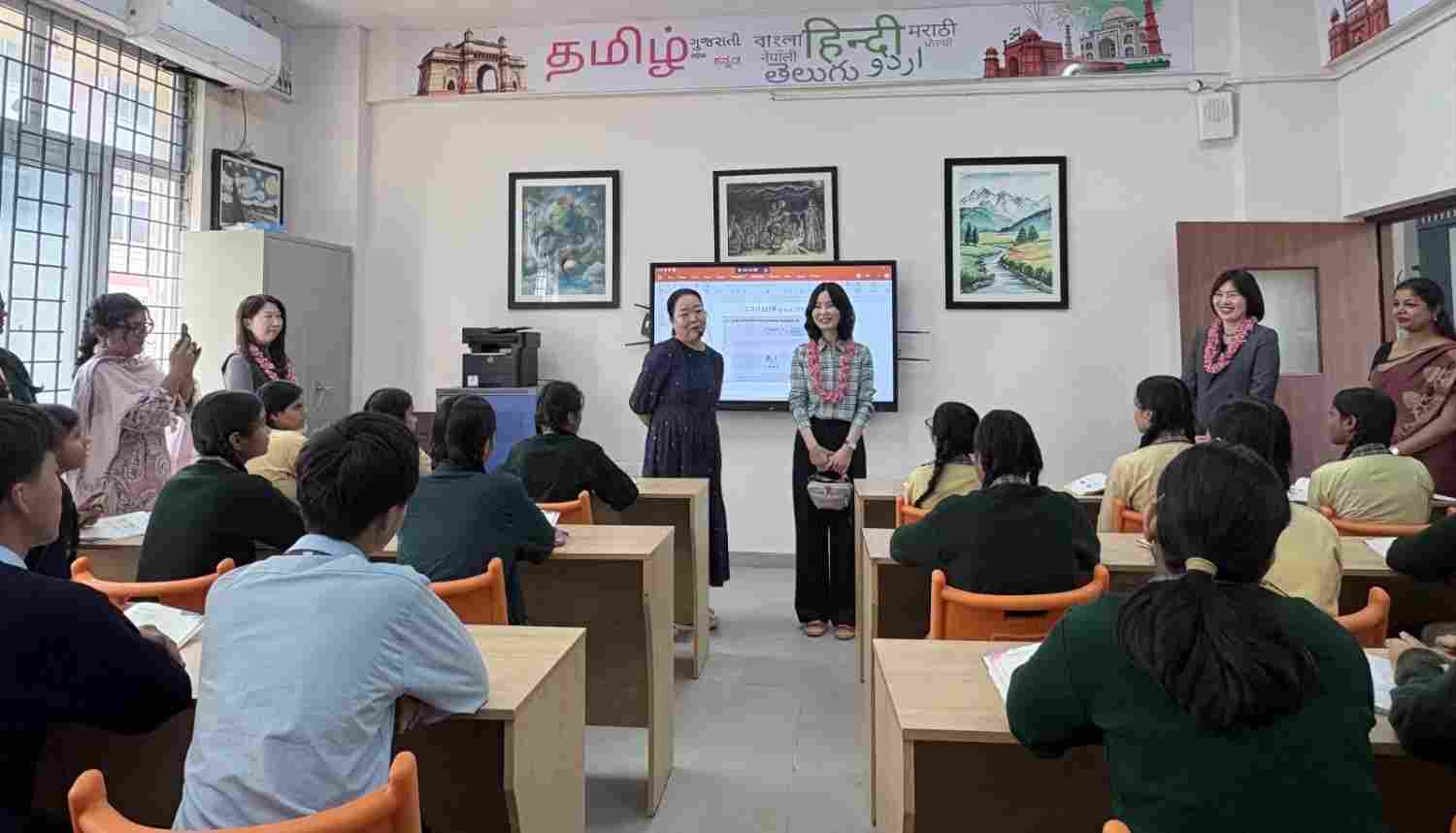
New Delhi, 18 November 2026 — Delhi’s Directorate of Education and a visiting education delegation from Gwangju, Republic of Korea, discussed a proposed school exchange that would begin with virtual activities for students and teachers and build towards in-person visits in 2027. Delhi’s Directorate of Education will help identify local partner schools, with the selection still to be confirmed.
Delhi Director of Education Ankita Anand and Additional Director of Education Krapa Shankar Upadhyay met the visiting delegation at the Korean Education Centre India (KEC India) following a visit to the CM SHRI school in Sarojini Nagar. Senior Education Supervisor Kim Seong-ja and Education Supervisor Lee Kyung-jin represented the Jeonnam Gwangju Special Metropolitan Office of Education, where they lead work on international exchanges.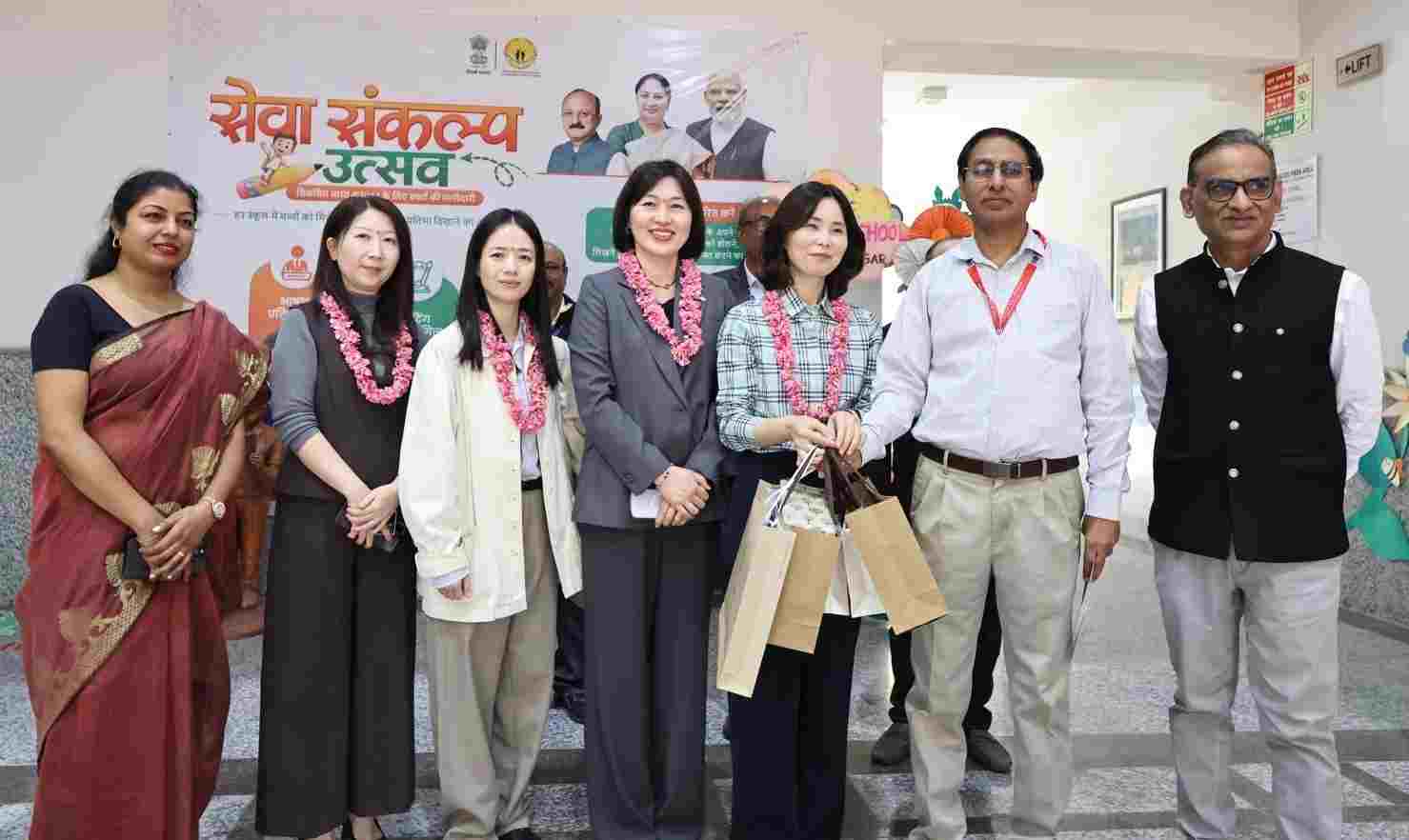
“The Directorate of Education is pleased to welcome the delegation from the Jeonnam Gwangju Special Metropolitan Office of Education and to support this initiative,” said Anand. “Exposure to practical, industry-focused learning, whether in automation, software or artificial intelligence, can open new pathways for our students.” She said joint projects and hackathons would give students a chance to develop technical skills, while the exchanges would help students and teachers learn from one another and appreciate each other’s cultures.
The proposed exchange would involve technical high schools in Gwangju that offer practical, industry-focused education.
The proposed activities include joint projects and hackathons in automation, smart manufacturing, software, artificial intelligence and the Internet of Things. The proposal also includes online exchanges, reciprocal school visits, language and cultural activities, and opportunities for teachers to share approaches to practical instruction.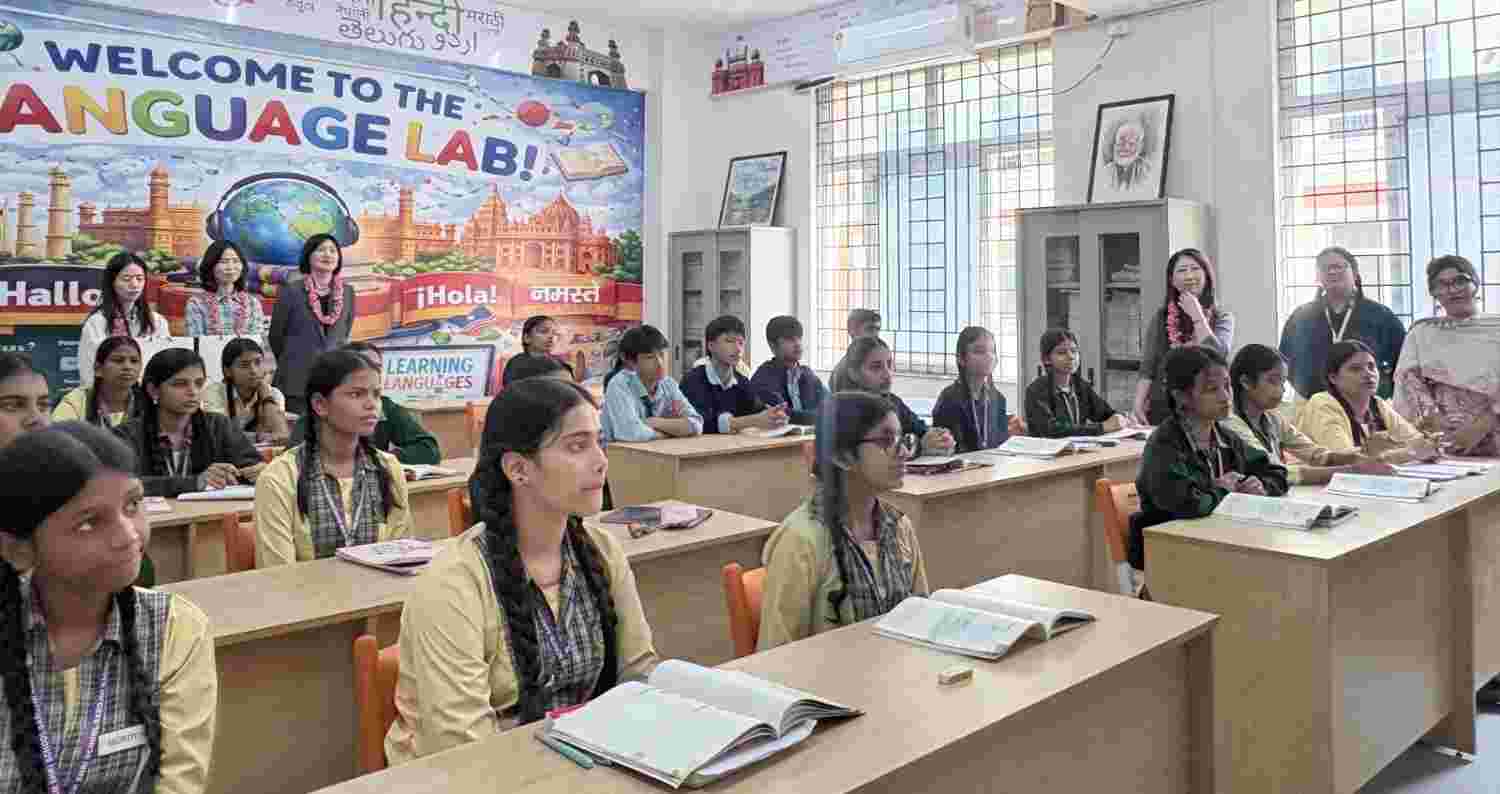
“Before coming to India, we weren’t sure how the exchange would take shape. Visiting the CM SHRI school in Sarojini Nagar, speaking with staff, observing classes and seeing students learning Korean gave us a much clearer picture. Our discussions with the Delhi Directorate of Education gave us confidence that we can move forward,” said Kim Seong-ja. “I was struck by the talent of Indian students in IT and engineering. I believe the proposed 2027 exchange would give Indian and Korean students a chance to grow as global citizens in the age of AI. Through hands-on, skills-based projects, students from both countries could learn together, discover each other’s cultures and see how their peers approach new technologies.”
The Directorate proposed joint classroom projects, cultural presentations and teacher exchanges. The Korean delegation outlined an initial online exchange for two to three classes, with applications from interested Korean schools expected to open in March 2027. KEC India would help coordinate school matching and exchange activities.
In its discussion note, the Directorate proposed that both sides designate lead officers and develop a phased plan with timelines, responsibilities, estimated costs and measurable outcomes. It also proposed sharing information on language learning, vocational education, internships, apprenticeships and higher education, and exploring a formal agreement subject to approval.
“I was proud that KEC India could bring Delhi’s Directorate of Education and the Jeonnam Gwangju Special Metropolitan Office of Education together,” said Hojeong Ko, Director of KEC India. “I look forward to KEC India serving as a platform for these exchanges, helping schools build partnerships and work together.”
After signing a memorandum of understanding with KEC India in April 2026, the Korean education office provided prizes worth KRW 6 million for the inaugural K-Quiz India in May. The prizes, which included books from Korea and traditional Korean game materials, went to the three winning schools.
The Korean office also helped arrange two online school partnerships in 2026. Arwachin Bharti Bhawan Senior Secondary School partnered with Yongdu Elementary School, and Rainbow English School partnered with Wolbong Elementary School. The office’s 2026 in-person programme involved five schools, with exchanges in Japan, Singapore, Hong Kong, Malaysia and Denmark. In 2027, the office and KEC India plan to expand their partnership by continuing online exchanges and working towards reciprocal school visits.