
Japanese Language Boom in India Driven by Jobs, Education and Tourism, Says Prof. Ashok Chawla
In an exclusive ACN interview, the veteran Japanese-language scholar traces his journey since 1977, recalls MOSAI’s pioneering role, and explains why growing opportunities in Japan are creating unprecedented demand for language proficiency, qualified teachers and practical communication skills.

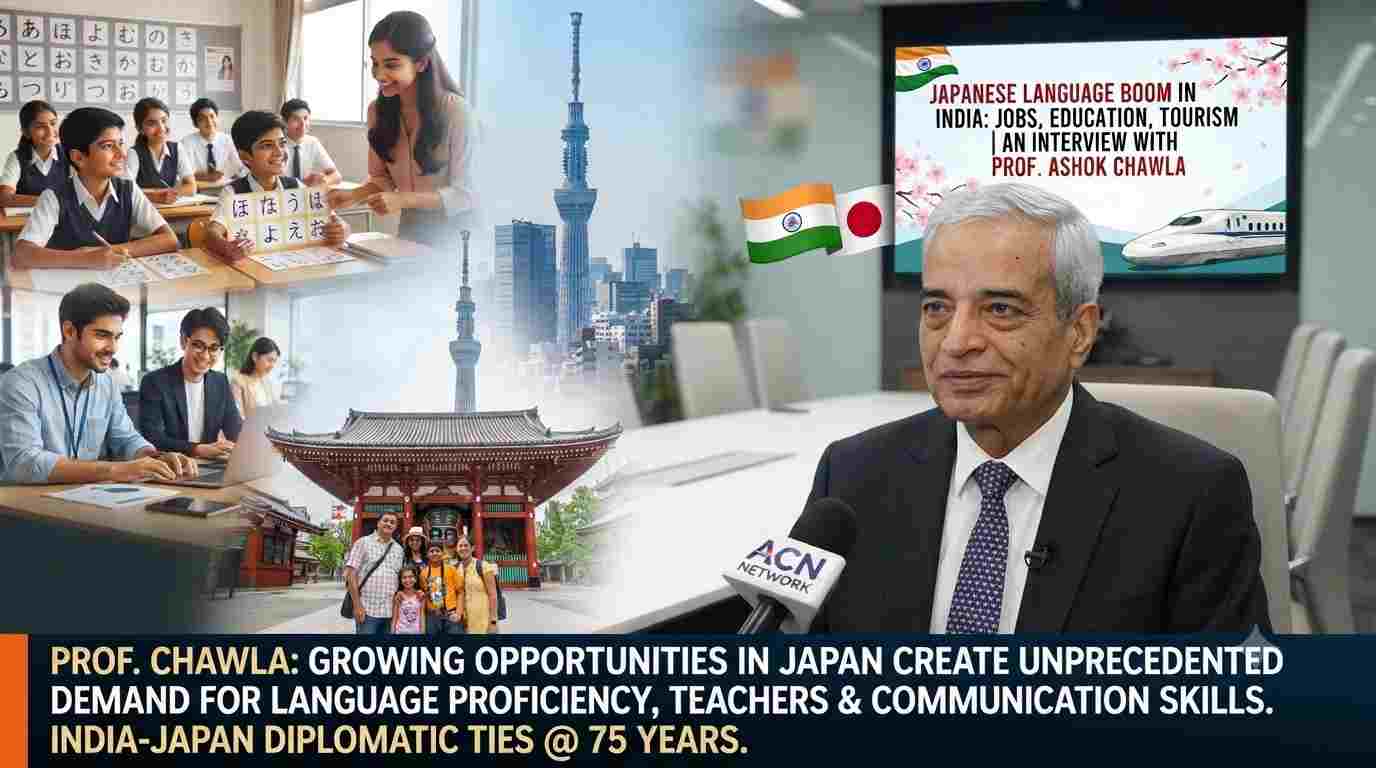
NEW DELHI: Japan’s growing popularity among Indian youths is no longer limited to anime, manga, automobiles and technological innovations. Increasing numbers of young Indians are showing interest in learning Japanese, pursuing higher education and professional careers in Japan, and exploring the country as tourists, signalling a significant shift in the people-to-people dimension of India-Japan relations.
This expanding interest has brought Japanese-language education and the need for qualified teachers into sharper focus, according to Prof. Ashok Kumar Chawla, former Advisor (Japan) at India’s Ministry of External Affairs, who has spent more than four decades promoting Japanese-language education, research and bilateral cooperation.
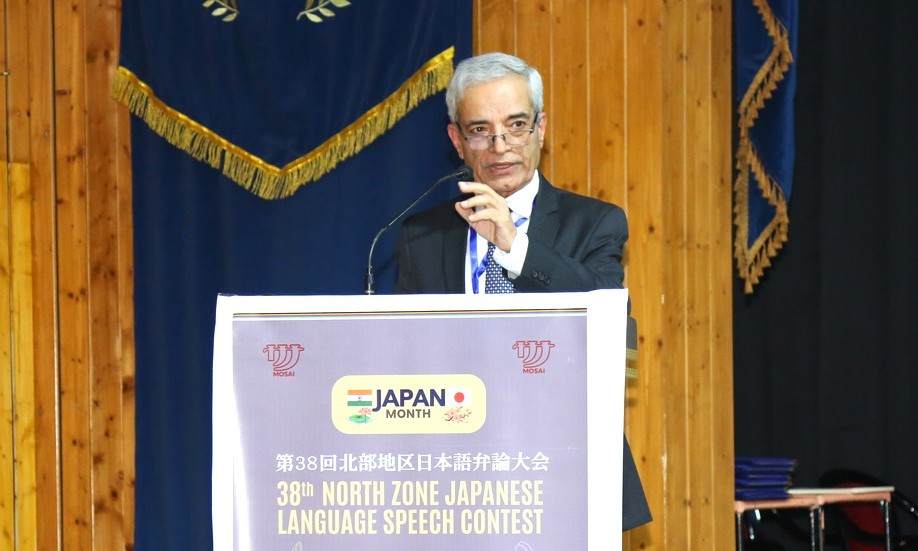 In an exclusive conversation with Asian Community News (ACN) Network, Prof. Chawla, one of the founding members of the Mombusho Scholars Association of India (MOSAI), discussed the growing attraction of Japan among Indian youths, the opportunities emerging through educational and professional exchanges, and the importance of developing a stronger institutional framework to support Japanese-language learning.
Currently serving as Senior Fellow for India-Japan Security Studies at the Delhi Policy Group, Prof. Chawla has witnessed the evolution of Japanese-language education in India from a relatively specialised academic pursuit into a field attracting students from diverse educational and professional backgrounds. The changing scenario is particularly significant as both countries prepare to celebrate the 75th anniversary of their diplomatic relations in 2027.
Japanese companies laid the foundation for growing language demand: Tracing the growing interest in Japanese among Indians, Prof. Chawla identified the expansion of economic cooperation between India and Japan after 2000 as an important turning point.
“As cooperation between India and Japan increased after 2000, many Japanese companies entered India while existing companies expanded their operations. Manufacturing companies such as Suzuki, Honda, Toyota and Yamaha played an important role in this expansion,” he explained.
The growing presence of Japanese companies also brought more Japanese expatriates to India, creating a corresponding demand for professionals capable of communicating effectively in both Japanese and English or Indian languages.
“With more Japanese companies and expatriates in India, the requirement for bilingual human resources increased significantly,” Prof. Chawla observed.
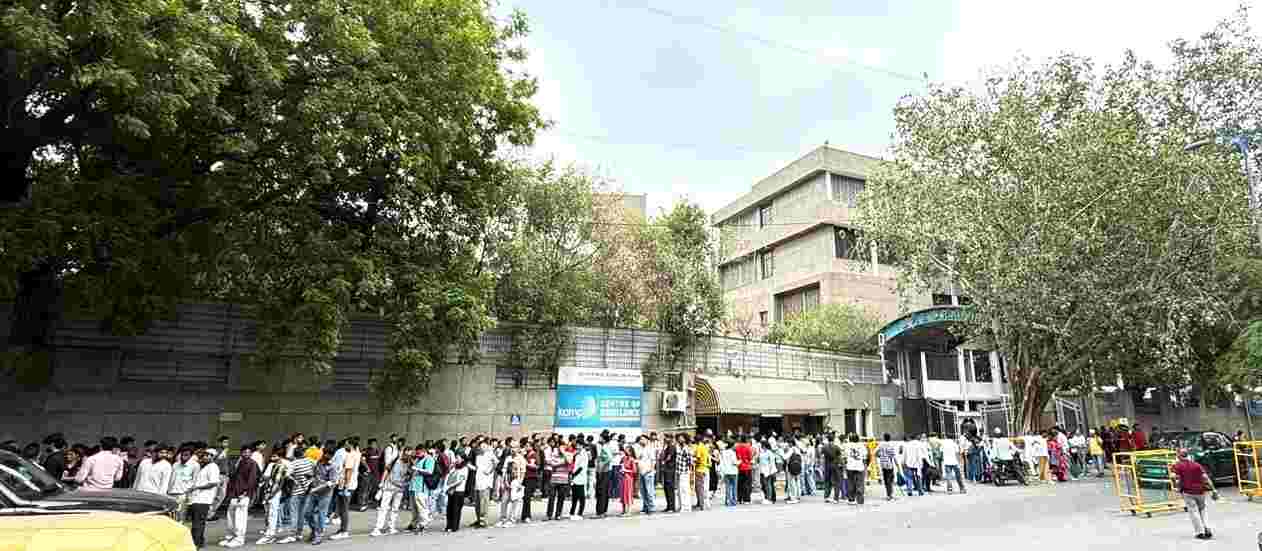 However, the employment landscape has subsequently undergone another transformation. While Japanese companies operating in India initially generated much of the demand, increasing opportunities in Japan itself are now encouraging Indian professionals to learn the language.
“The number of skilled Indian professionals going to Japan has increased. The Japanese government is also promoting employment opportunities for Indians, and Japanese people living there are increasingly welcoming Indian professionals,” he said.
According to Prof. Chawla, these developments are encouraging young Indians to view Japanese-language proficiency not simply as an academic qualification but as a practical professional skill that can open doors to international careers.
From Delhi University in 1977 to MOSAI’s language movement: Prof. Chawla’s perspective is shaped by his personal involvement in Japanese-language education spanning nearly five decades.
“I started my journey with the Japanese language in 1977 at Delhi University, where I joined an intensive Japanese-language course. Subsequently, I moved to Jawaharlal Nehru University for my MA and later went to Japan for two years as a research scholar,” he recalled.
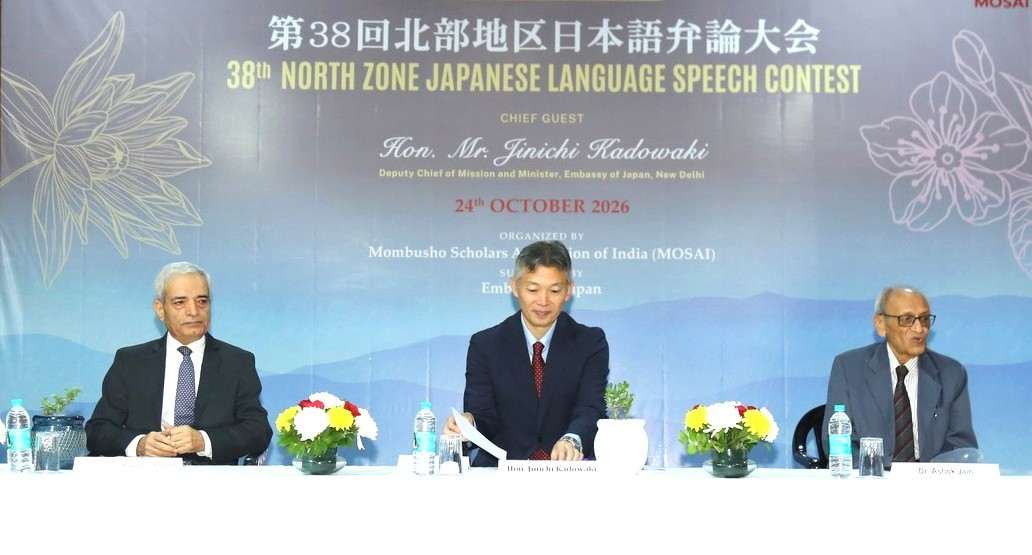 During the early stages of his career, he became associated with MOSAI, which was then among the foremost organisations promoting Japanese-language learning in India.
“In the 1980s, I received a scholarship from MOSAI. Around that period, I was also associated with the Ministry of Science and Technology and began teaching Japanese alongside my other professional responsibilities,” he said.
Recalling MOSAI’s formative years, Prof. Chawla highlighted how its Japanese-language speech competitions gradually developed from regional events into national-level platforms.
“MOSAI initially started with the North Zone Japanese Language Speech Contest and subsequently expanded to the All India Japanese Language Speech Contest. There were several challenges involving coordination, arrangements and organisational responsibilities, but dedicated MOSAI members worked together to overcome them,” he recalled.
Over the years, the organisation’s activities expanded considerably, requiring a larger team and more systematic procedures.
“Today, the team has grown along with the volume of work, and standard operating procedures are in place. What began with comparatively limited resources has developed into an organised and sustained effort,” he added.
His association with MOSAI has continued through its language-promotion initiatives, particularly speech competitions that encourage students to demonstrate practical Japanese communication skills.
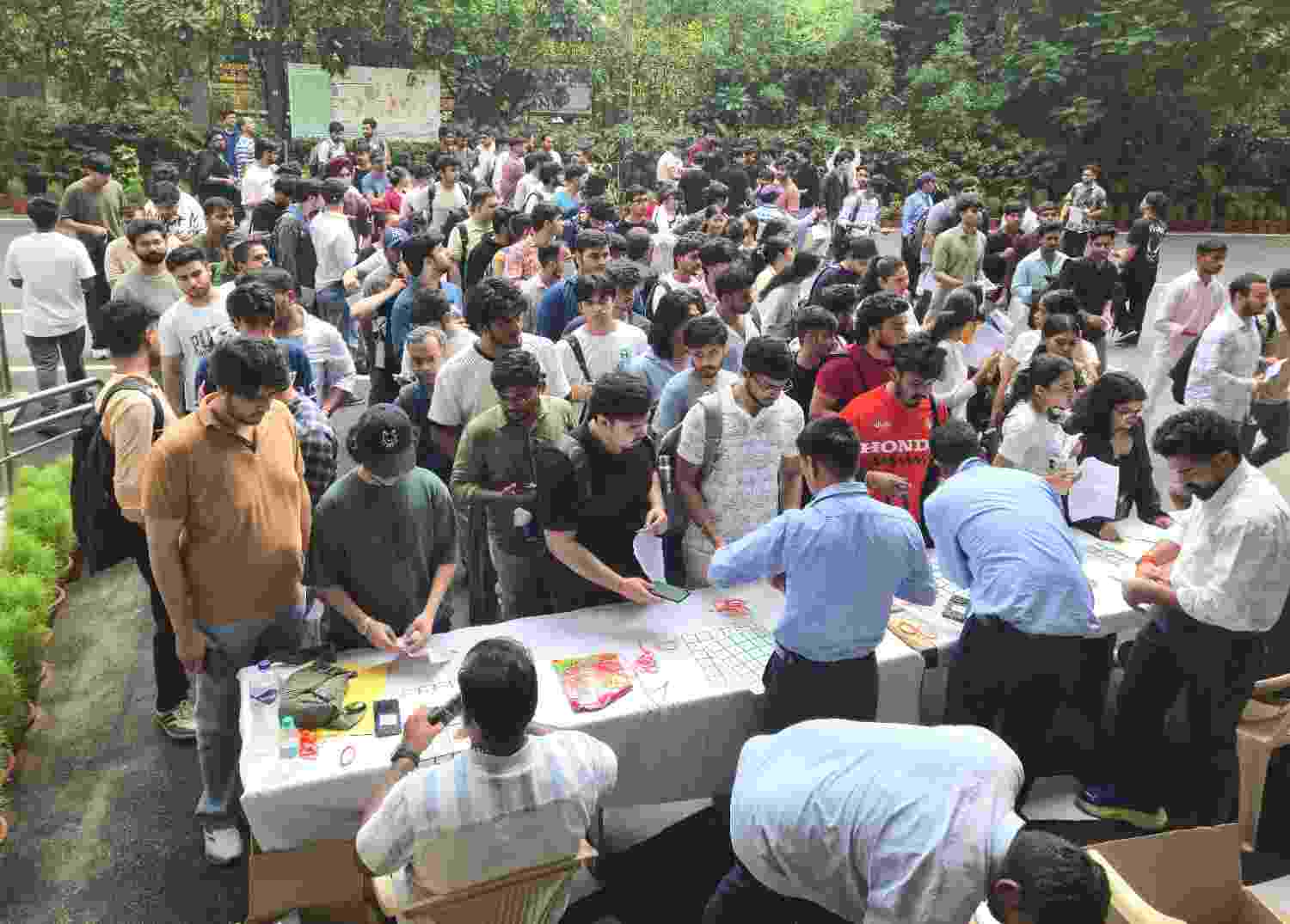 JLPT qualifications alone are not enough: While growing numbers of Indians are pursuing Japanese-language qualifications, Prof. Chawla emphasised that acquiring meaningful proficiency is essential for those seeking opportunities in Japan.
“Students and professionals planning to go to Japan should aim for at least the N3 level of Japanese proficiency. They have to compete with candidates from countries such as Vietnam and Nepal, where Japanese-language training is also widespread,” he advised.
He described the Japanese-Language Proficiency Test (JLPT) as a distinctive international examination because of its standardisation and rigorous assessment process.
“The JLPT is unique because candidates across the world face the same standard of examination. The quality of its questions is very high, and the answer sheets are sent to Japan for evaluation,” Prof. Chawla explained.
However, he pointed to an important limitation: the examination assesses language knowledge, reading and listening comprehension but does not directly test speaking or writing abilities.
This is where MOSAI’s Japanese-language speech competitions serve a complementary purpose.
“The JLPT does not test speaking and writing skills. MOSAI’s Japanese-language speech contests give students an opportunity to speak publicly, express themselves and develop confidence in communicating in Japanese,” he said.
He believes this practical exposure becomes particularly useful during employment interviews, where candidates must demonstrate their ability to converse rather than merely present an examination certificate.
“Speech contests complement the JLPT. Students who participate gain confidence, and that confidence helps them when they face interviews,” he observed.
Prof. Chawla linked the continuing growth in JLPT participation to the expanding educational and professional opportunities associated with Japanese-language proficiency.
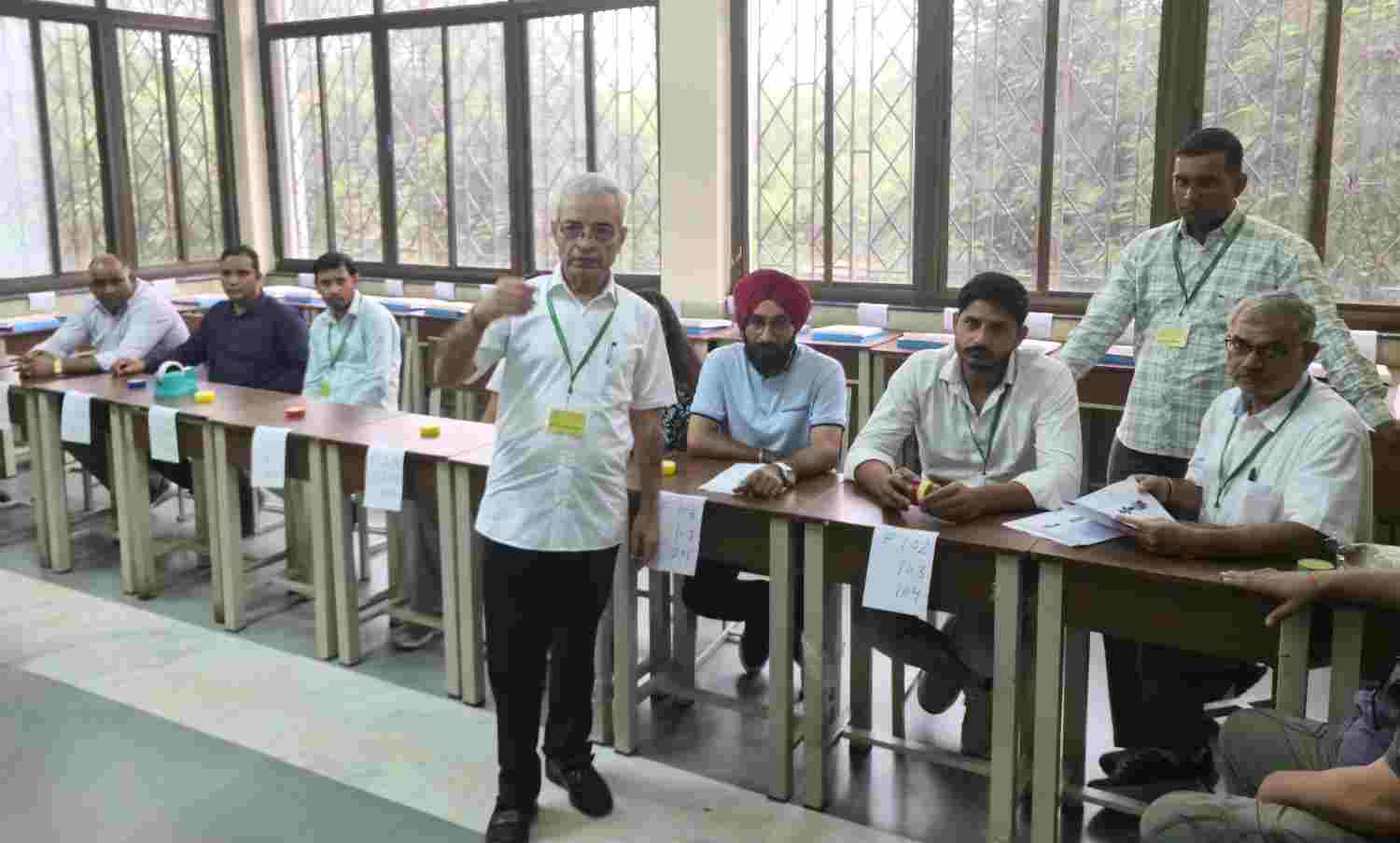 More Indian parents looking towards Japanese universities: Higher education represents another important dimension of India’s growing engagement with Japan.
According to Prof. Chawla, Indian parents are increasingly willing to send their children to Japan for university education, reflecting greater awareness of the country’s academic opportunities.
“Earlier, around 20 years ago, there was hardly one university in Japan offering courses in English. Now the number of universities providing English-medium courses has increased considerably,” he recalled.
However, the expansion of such programmes has also been accompanied by growing interest among international applicants, including Indians.
“More Indian students are applying to Japanese universities, and parents are increasingly encouraging their children to study in Japan. But competition for admission has also increased, so students have to prepare themselves well,” he explained.
He stressed that prospective students should not assume that the availability of English-taught courses eliminates the importance of learning Japanese, particularly if they intend to pursue employment and build long-term careers in the country.
Tourism and social media creating new familiarity with Japan: Prof. Chawla also drew attention to the remarkable growth in Indian tourism to Japan, which he believes is contributing to greater cultural familiarity between the two countries.
“Earlier, only a few thousand Indians would visit Japan annually. Today, the number has grown to a couple of lakh visitors,” he observed, referring to the substantial expansion in travel over the years.
He attributed part of this growing enthusiasm to social media platforms and travel influencers, who have made Japanese destinations, lifestyles and cultural experiences more accessible to Indian audiences.
“Social media and influencers are also contributing to the increasing interest in Japan. More people are travelling there, experiencing the country and developing an interest in its language and culture,” he said.
The growing movement of tourists, students and professionals, he suggested, has created a broader foundation for India-Japan relations beyond traditional government and corporate interactions.
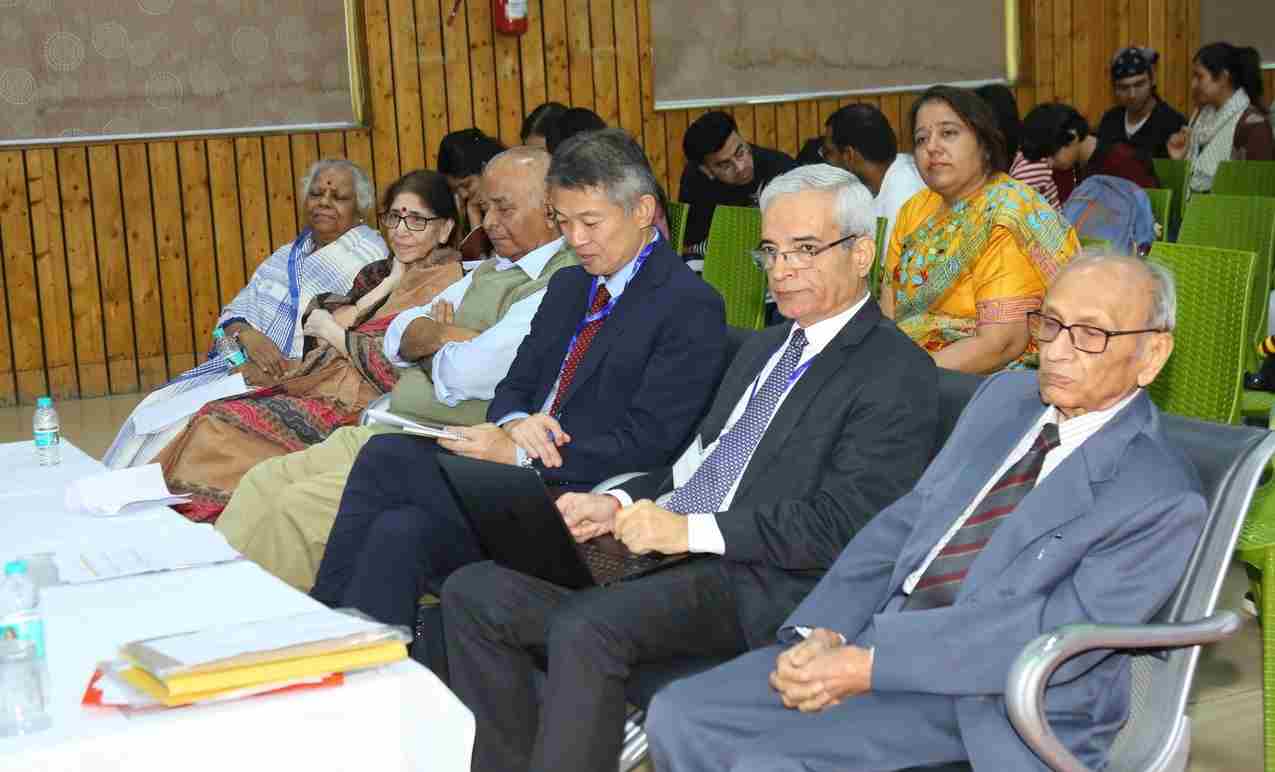 Teacher shortage remains a major challenge: Despite the encouraging trends, Prof. Chawla identified the shortage of qualified Japanese-language teachers as a significant challenge.
He referred to the Japanese Language Teachers Training Course (JL-TTC), launched in 2018, as an important initiative to strengthen teaching capacity.
“The programme has been producing around 20 trained Japanese-language teachers annually. This is certainly a positive contribution, but the requirement is much greater than the number being trained,” he explained.
An additional challenge is retaining trained professionals within the teaching profession.
“Some of those who undergo teacher training may prefer to join the corporate sector because salaries and career prospects there can be more attractive than in teaching,” Prof. Chawla pointed out.
He welcomed the introduction of a master’s-level programme at Bengaluru University aimed at preparing higher-level Japanese-language teachers, describing it as a useful development for strengthening teaching expertise.
On whether native Japanese teachers are increasingly willing to work in India, he offered a cautiously optimistic assessment.
“More Japanese native teachers are now willing to come to India, but their numbers are still not sufficient. Their decisions about working in India or other countries also depend on individual preferences and personal considerations,” he said.
For Prof. Chawla, strengthening teacher training, improving practical communication skills and creating stronger connections between education and employment are essential if India is to fully benefit from the expanding opportunities.
His reflections underline how Japanese-language education has evolved since he began studying the language in 1977—from a specialised academic pursuit supported by a small community of enthusiasts into an increasingly important pathway connecting Indian students and professionals with Japan.
As more young Indians explore opportunities to study, work and travel in Japan, he believes that the ability to communicate confidently in Japanese, supported by quality teaching and practical exposure, will remain the decisive factor in turning growing enthusiasm into meaningful opportunities.