
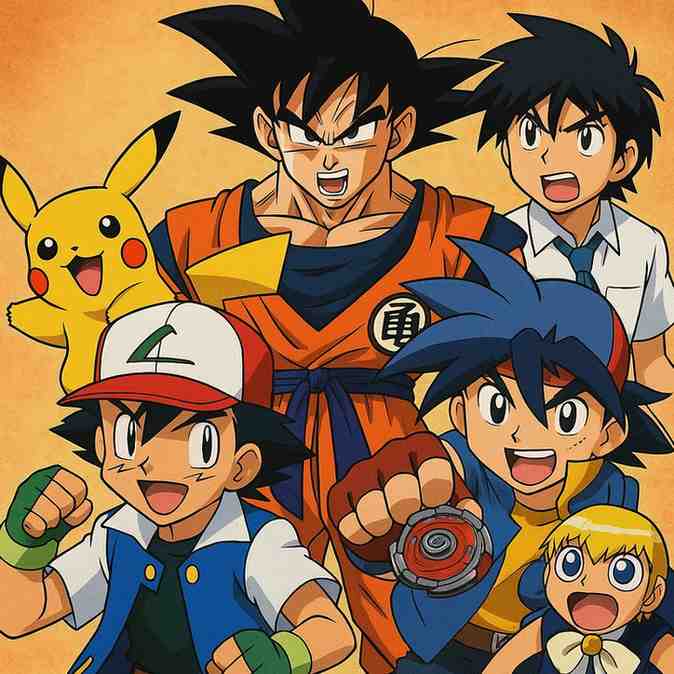
Pokémon, Beyblade, and Beyond: The Shows That Shaped 2000s India

0

New Delhi, India, July 29, 2025 — The early 2000s in India marked a golden age of children’s television, especially with the advent of cable TV and dedicated cartoon channels like Cartoon Network, Hungama TV, and Jetix. For many Indian kids growing up during this time, afternoons and weekends weren’t complete without their favorite shows—most notably Pokémon, Beyblade, and a lineup of unforgettable animated adventures that left a lasting cultural impact.

Pokémon wasn’t just a cartoon—it was a full-blown movement. Ash Ketchum’s tireless quest to become a Pokémon Master, joined by his loyal Pikachu, resonated deeply with children who saw reflections of their own dreams and friendships in the journey. The Hindi-dubbed version, with its catchy theme song (“Main hoon Pokémon master!”), became a sensation. Schools buzzed with Pokémon cards, children drew their favorite Pokémon on notebooks, and “Pikachu” became a household name. It introduced Indian kids to concepts like evolution, strategy, and adventure in a way that was both fun and emotionally rich.

Around the same time, Beyblade spun into the scene—literally. With its intense battles, character-driven storylines, and the famous catchphrase “Let it rip!,” Beyblade inspired an entire playground culture. Kids saved up to buy plastic beyblades, built makeshift arenas from steel plates, and mimicked battle stances of their favorite characters like Tyson, Kai, and Ray. What made Beyblade so addictive was not just the spinning tops, but the spirit of competition, camaraderie, and personal growth each episode highlighted.

Beyond these two giants, a range of other shows added depth to this golden era. Dragon Ball Z brought epic action and martial arts, introducing Indian viewers to characters like Goku and Vegeta, whose battles were as philosophical as they were powerful. Digimon offered an alternative digital adventure with deeper emotional arcs, often exploring themes of friendship, loneliness, and growing up. Shinchan and Doraemon, while less action-oriented, became cornerstones of comedy and family-friendly content. Shinchan, with his mischievous antics, broke conventional norms of children’s behavior on screen, while Doraemon’s futuristic gadgets and heartwarming stories offered imaginative solutions to everyday problems.

What made this era truly special was its accessibility and relatability. Unlike western cartoons, many of these Japanese anime and Asian-origin shows were dubbed in Hindi and other regional languages, making them more approachable for children across India. They weren’t just watching foreign characters—they were seeing heroes who spoke their language, used familiar cultural expressions, and yet took them on journeys far beyond their daily lives.

In a time before smartphones and high-speed internet, television was the primary portal to the wider world, and these shows served as a form of cultural bridge. They introduced Indian children to global narratives, values, and storytelling techniques, often inspiring creativity, discipline, and resilience. These shows didn’t just pass the time—they shaped perspectives, taught lessons, and created lifelong memories.

Even today, decades later, millennial Indians fondly recall trading Pokémon cards during recess, spinning beyblades in school corridors, or laughing uncontrollably at Shinchan’s antics. The impact of these shows goes far beyond nostalgia—they formed a shared language for an entire generation. And in doing so, they helped define what it meant to grow up in India in the 2000s—one cartoon episode at a time.

Ask ChatGPT
Asian Logo After Post
Leave A Reply

Your email address will not be published.