Korean Peninsula Peace Linked to Indo-Pacific Stability: PUAC Southwest Asia Chapter
At the Korea-India Peaceful Unification Forum, Lee Kwang-il stressed that close cooperation between Korea and India was vital not only for the future of the two nations but also for regional and global stability.

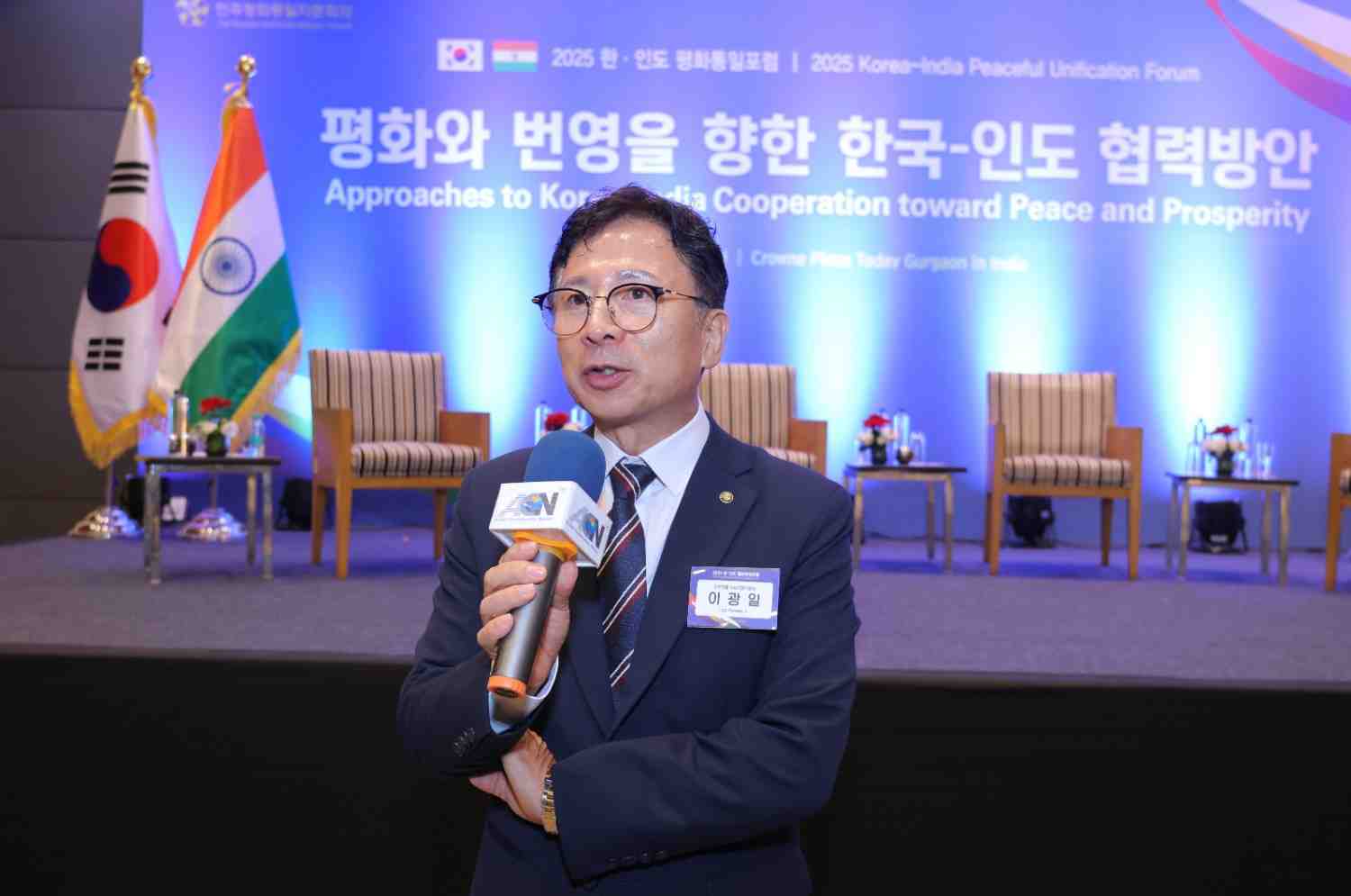
Gurugram, India – The peace and stability of the Korean Peninsula are inextricably linked to the security of the Indo-Pacific region, making close collaboration between Korea and India crucial not only for the two nations but also for the broader international order. This was the central message delivered by Lee Kwang-il, Head of the Peaceful Unification Advisory Council (PUAC) Southwest Asia Chapter, at the 2025 Korea-India Peaceful Unification Forum held in Gurugram on Wednesday.
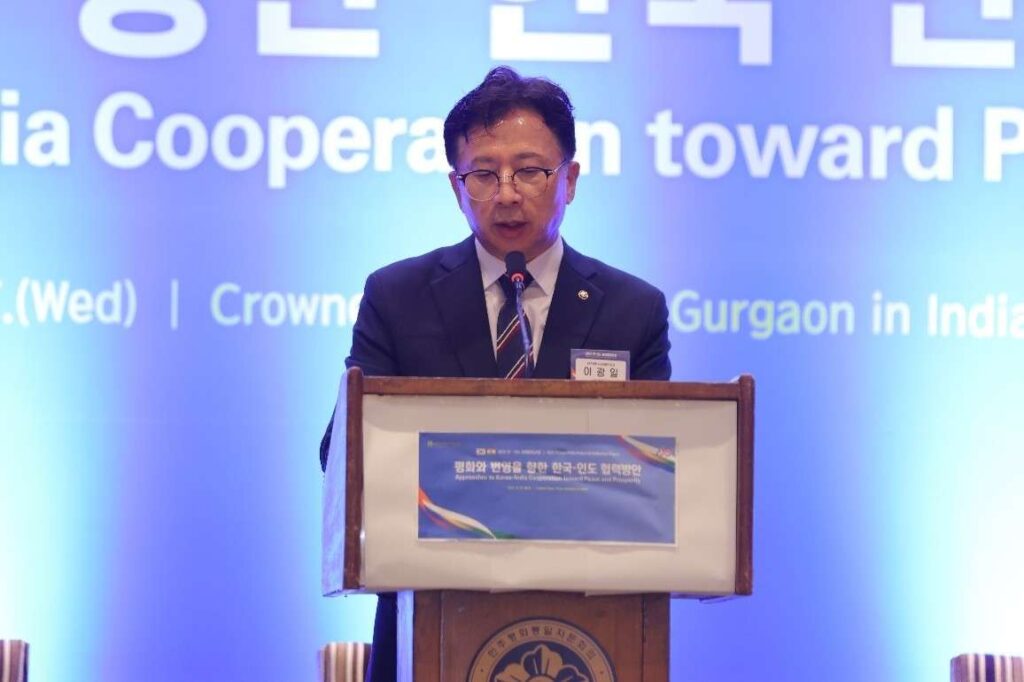
The forum, organised by PUAC’s Southwest Asia Chapter, carried the theme “Approaches to Korea-India Cooperation toward Peace and Prosperity.” It brought together diplomats, academics, and policy experts to deliberate on strengthening bilateral ties and envisioning strategies for regional stability.
Indo-Pacific at the Heart of Global Peace: Lee highlighted the Indo-Pacific as a vital axis of global peace and prosperity, pointing out that more than half of the world’s trade flows through the region. This, he said, makes it not only the backbone of global supply chains but also a critical theatre for security cooperation.
“The peace of the Korean Peninsula is closely tied to the stability of the Indo-Pacific, and therefore, close collaboration between Korea and India in this region is significant not only for the future of our two nations but also for the stability of the international order,” Lee said in his keynote address. 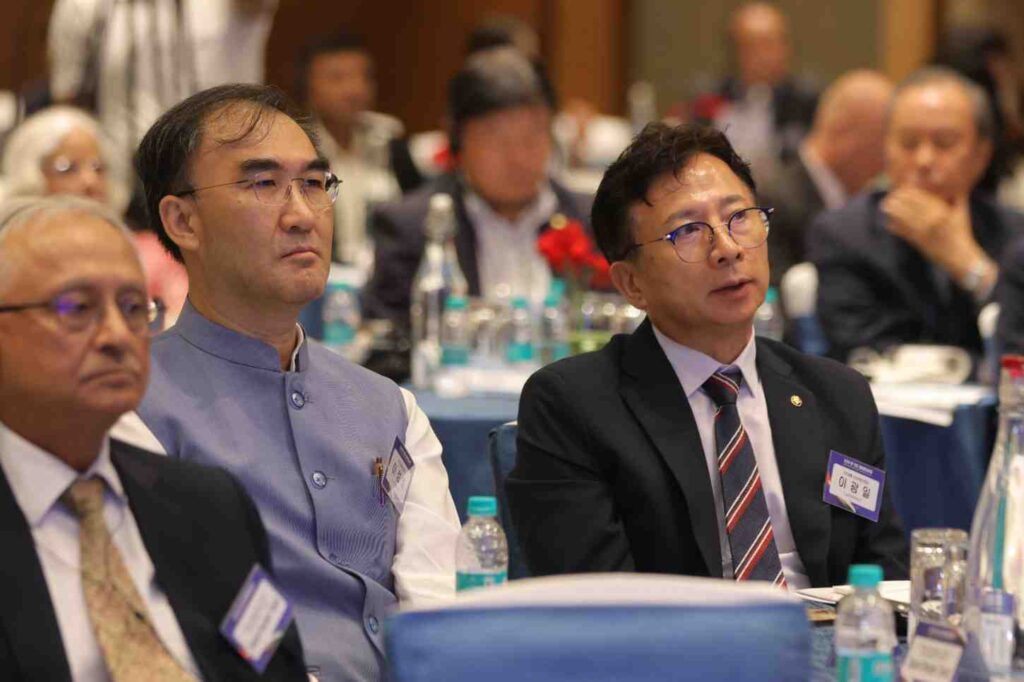
India’s Role as a Strategic Partner: Praising India’s global rise, Lee observed that the country’s stature as the world’s largest democracy and one of the fastest-growing economies resonated deeply with Korea. He stressed that India’s progress was not just economic but also ideological, as it advanced values of democracy and diversity—principles that Korea shares.
He emphasised that building cooperation across economic, social, and cultural spheres was crucial to shaping a path toward peace and the eventual unification of the Korean Peninsula.
Beyond the Peninsula – A Global Vision: Calling the Gurugram forum more than just a discussion platform, Lee described it as “a space to share wisdom for the common peace and prosperity of the entire world.” He urged both nations to further strengthen mutual trust and cooperation to address the challenges of a rapidly changing international landscape.
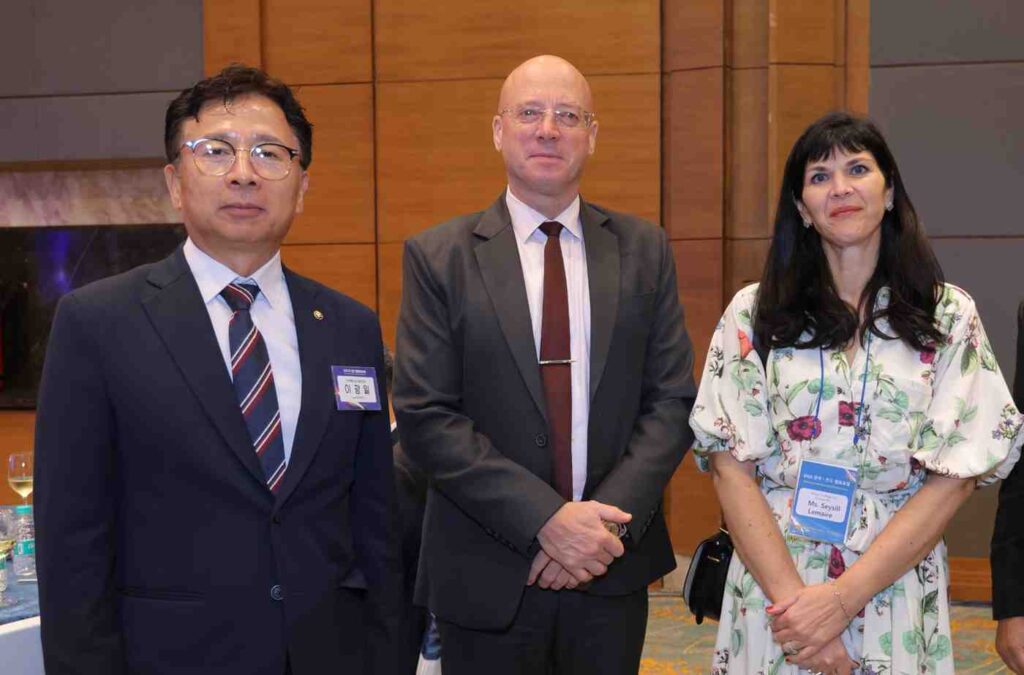 “This is the very path that will bring lasting peace and eventual unification to the Korean Peninsula while also contributing to the stability of the Indo-Pacific and global peace,” he noted.
A Forward-Looking Partnership: Lee expressed hope that the forum would open new avenues for practical collaboration between Korea and India. He emphasised the importance of Indian society gaining a deeper understanding of the Korean Peninsula’s journey toward peace and unification.
“I also expect that by sharing your expertise and experiences, today’s discussions will open up more concrete and practical avenues for collaboration,” he said.
The event concluded with calls for sustained academic, diplomatic, and cultural engagement to foster stronger Korea-India cooperation—anchoring the two nations as strategic partners in shaping peace and prosperity in the Indo-Pacific.
Related story:Korea-India Peaceful Unification Forum explores paths towards peace & cooperation