
India Could Leapfrog from Anti-Ageing to Preventive Aesthetics: JETEMA
Korean pharmaceutical and aesthetics company sees India as a largely untapped market but says scientific education, doctor training and a deeper understanding of its diversity will be critical to successful entry

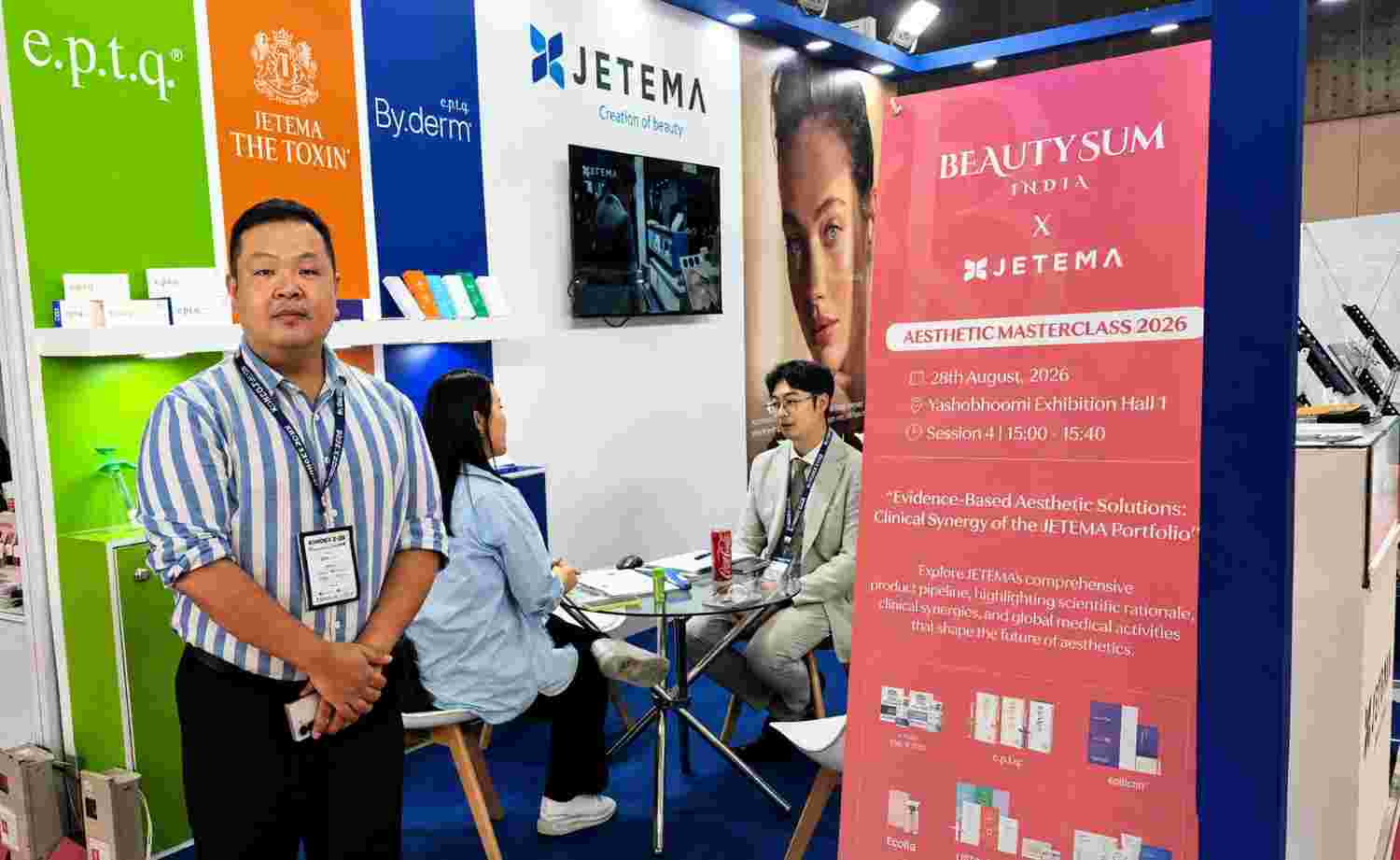
New Delhi: India could bypass several stages experienced by mature beauty markets and move directly towards preventive, natural-looking aesthetic treatments, according to Pablo Kim, Executive Director, Global Business Department at Korean pharmaceutical and aesthetics company JETEMA.
The company, which has a presence in more than 70 countries, is studying India before establishing a formal presence there. Kim described India as exceptionally promising, although far more diverse and complex than many markets JETEMA has previously entered.
“India is quite different compared with the rest of the countries where we operate,” Kim said, while talking to Asian Community News (ACN) Network at Yashobhomi IICC, where JETEMA has set up a stall to showcase its expertise at the BEAUTYSUM INDIA 2026 coinciding with KOINDEX India 2026 running in Delhi on August 27-29.
“It is not necessarily difficult—it is diverse. We first need to understand the market, its professional ecosystem and even how terms such as ‘distributor’ are defined and applied here.”
Established in 2009, JETEMA specialises in medical-aesthetic products and operates manufacturing facilities in South Korea. Its portfolio includes hyaluronic acid dermal fillers, botulinum toxin products, collagen boosters, lifting threads and cosmetics.
 Kim said Korea’s aesthetic industry had evolved dramatically over the past two decades. Treatments once restricted to wealthy consumers had become significantly more accessible as competition expanded, techniques improved and procedure costs declined.
The market’s objective had also changed—from correcting visible signs of ageing to delaying and ultimately preventing them.
“Twenty years ago, people generally sought aesthetic procedures after ageing became visible,” he said. “Today, younger consumers start taking care of their skin much earlier. The trend has moved from anti-ageing to slow ageing and now towards prevention.”
India, he believes, could make that transition much faster instead of following Korea’s entire 20-year development cycle. Comparing it with the rapid adoption of mobile technology in emerging markets, Kim said countries could “cross generations” and move directly towards the newest practices.
However, unlocking that potential would require extensive education based on scientific evidence.
“We need to educate doctors, clinics, sales professionals and consumers,” he said. “If doctors receive appropriate training and more clinics enter the sector, competition will increase, prices can come down and aesthetic treatments will become accessible to a much wider population.”
During his market study, Kim visited clinics and interacted with Indian doctors. He found that procedure costs at some Indian establishments were higher than those in South Korea. Korean treatments, he said, were often less expensive than comparable procedures in India, China, Japan and several other East Asian markets despite Korea’s higher per-capita income.
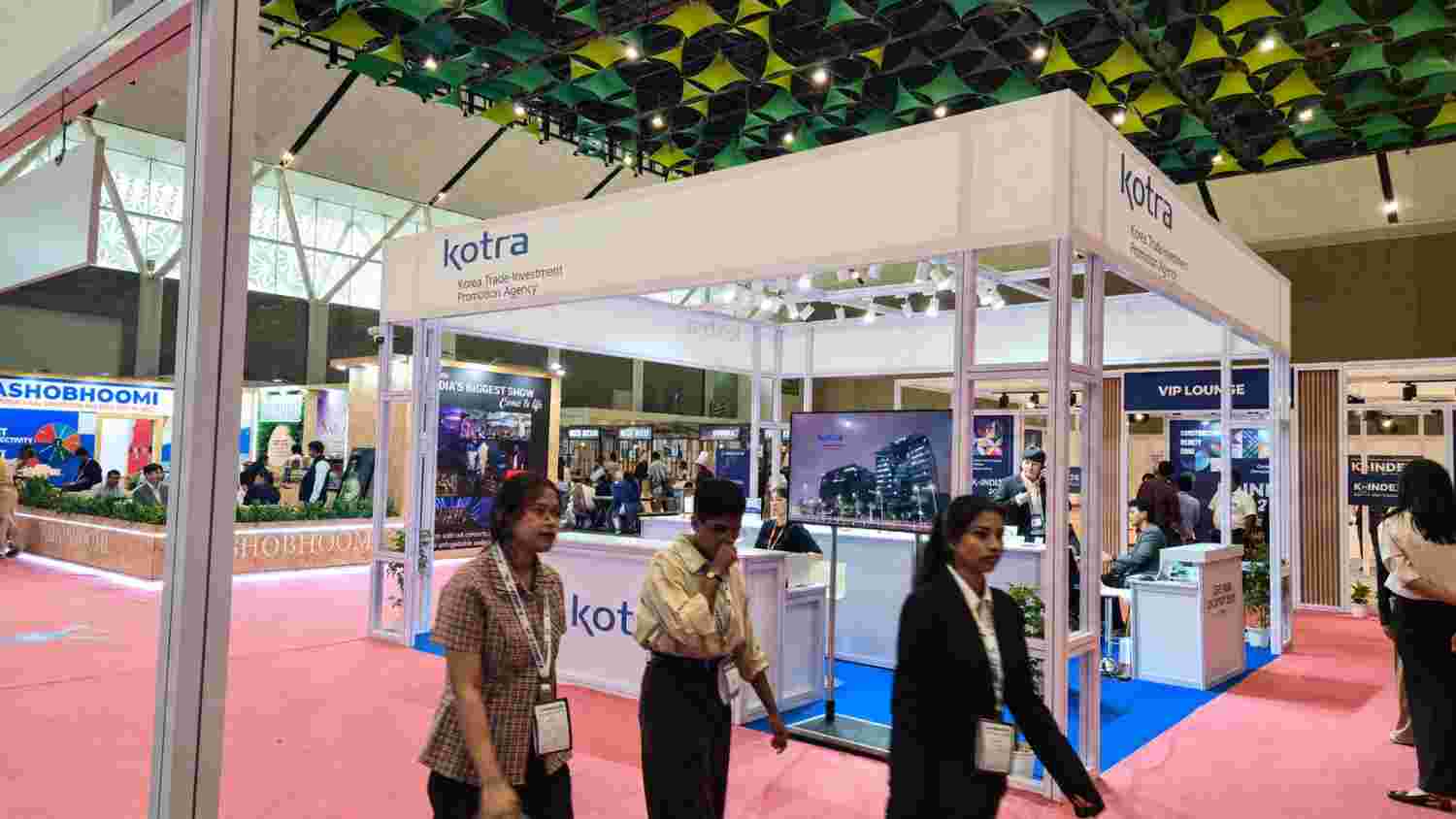 This combination of competitive prices and advanced expertise has made South Korea a major destination for international aesthetic tourism.
Kim identified Korea’s emphasis on subtlety as one of its strongest differentiators. While patients two decades ago often wanted visibly altered facial features, contemporary consumers increasingly prefer results that make them look fresher without revealing what procedure they underwent.
“The latest trend is natural-looking improvement,” he said. “People should notice that you look better, but they should not be able to identify exactly what you have done. Korean practitioners are particularly strong in achieving that balance.”
While Korean cosmetics and skincare already enjoy considerable recognition among Indian consumers, awareness of Korea’s medical-aesthetic capabilities remains limited. That creates an opportunity for Korean companies, but Kim cautioned that market development must precede aggressive selling.
He described India’s 1.4-billion-strong population as a potential “gold mine” for the aesthetic sector, provided the industry is developed responsibly through doctor engagement, clinical education and credible information.
“The Indian aesthetic market has not yet been fully explored,” Kim said. “The potential is enormous, but the approach must be scientific. We need to understand India properly, build the right professional relationships and educate the market. If that is done well, the opportunity could be more valuable than gold.”