20 Korean Content Companies Court India’s Entertainment-Hungry Market
K-content producers pursue distribution, licensing and co-production opportunities as three-day New Delhi marketplace generates hundreds of business meetings and MoUs with Indian companies

New Delhi: Twenty South Korean content companies spanning animation, broadcasting, gaming, character intellectual property and AI-powered production converged in New Delhi to tap India’s rapidly expanding appetite for digital entertainment and explore partnerships with local producers, distributors and technology companies.
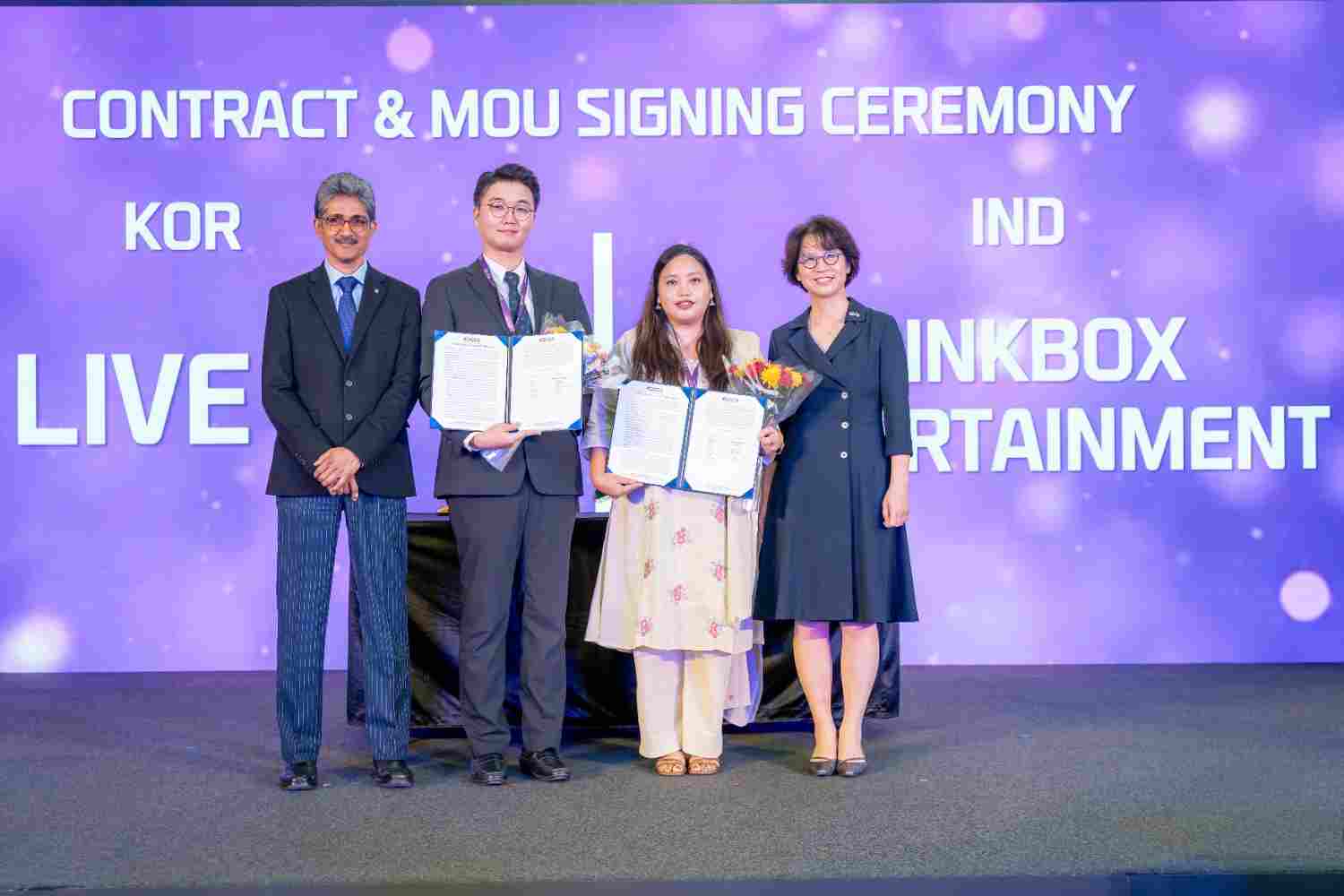
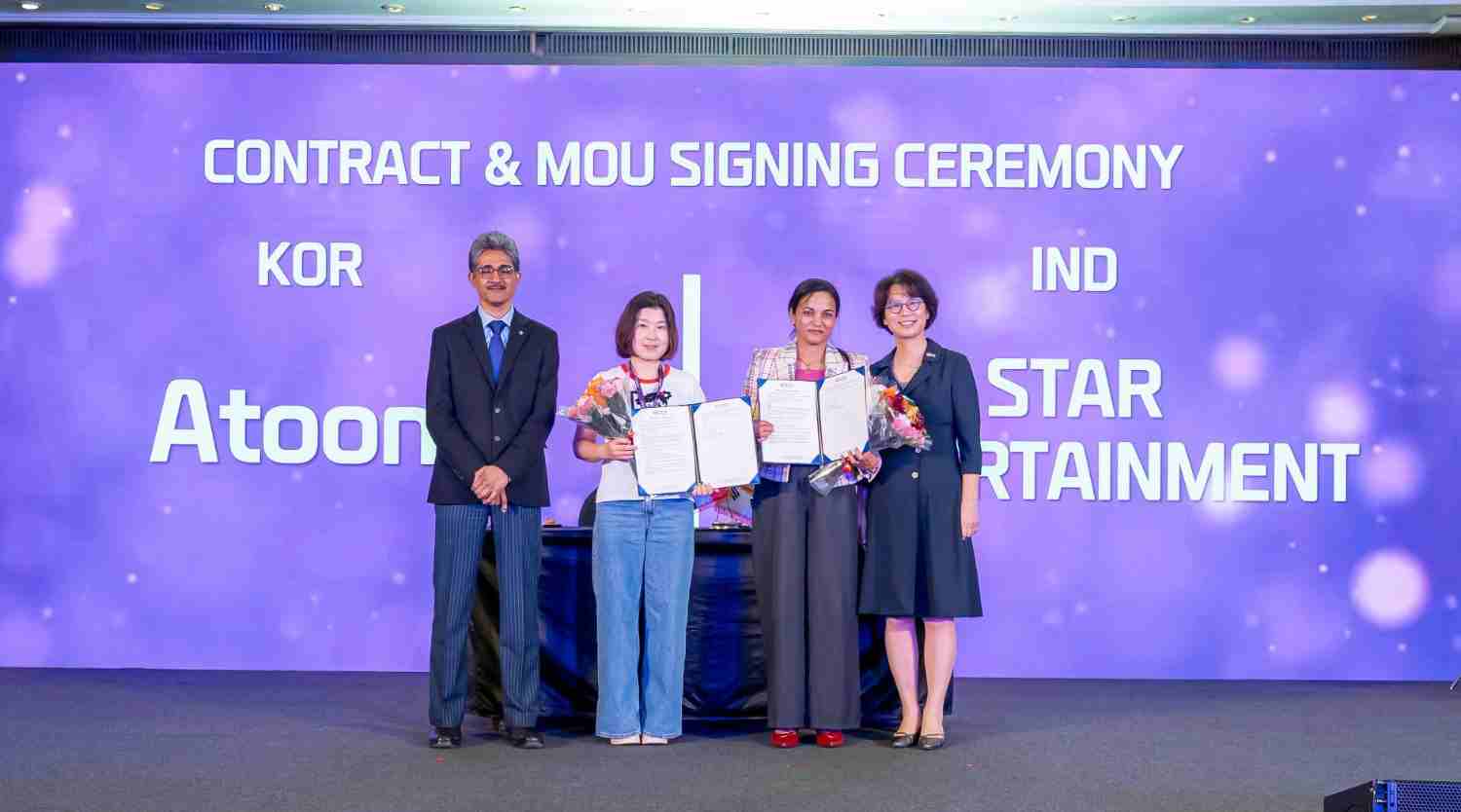
The Korean delegation included Content Saero, NewUniverse and Sharebox, which presented AI-enabled approaches to short-form content, animation, drama production and immersive experiences. Business discussions during the programme also led to memoranda of understanding with Indian counterparts, including PINK BOX Entertainment and Star Entertainment, signalling the Korean companies’ intent to move beyond content exports towards licensing, co-production and longer-term market partnerships.
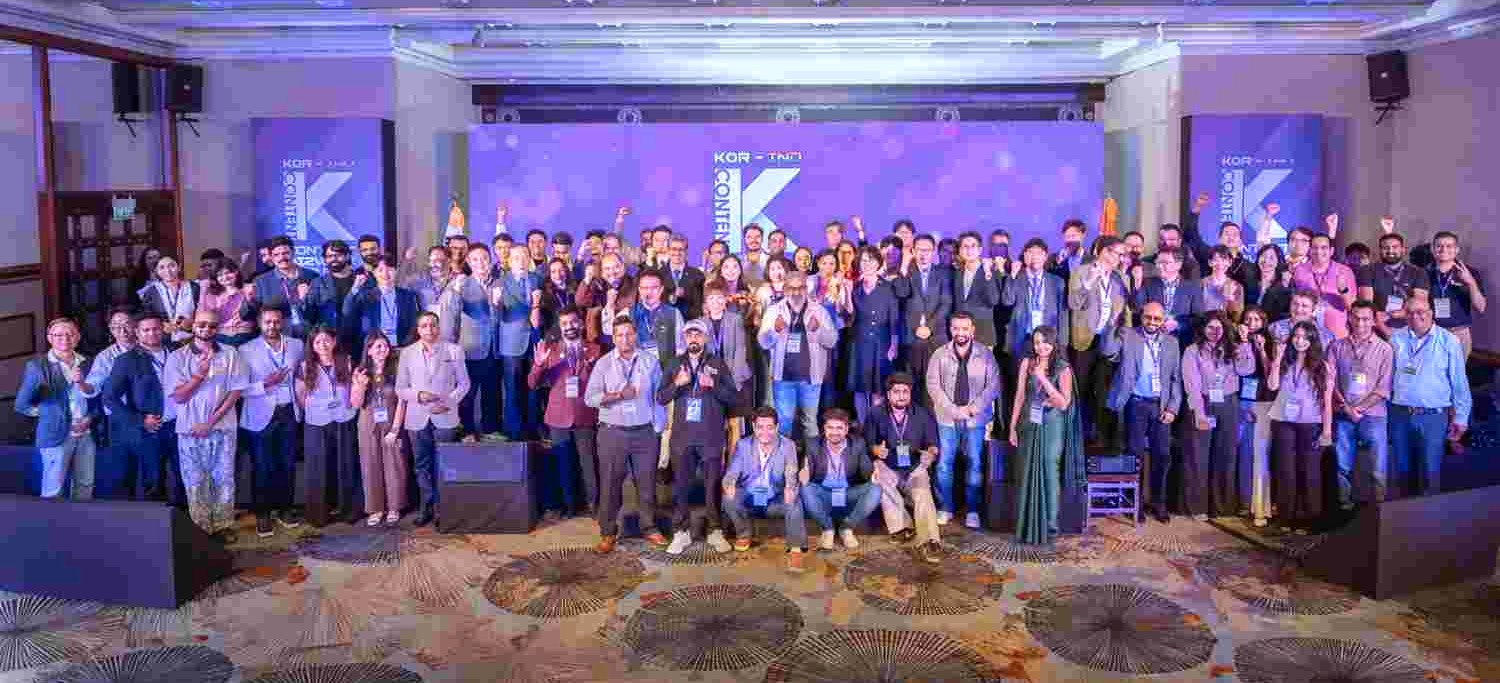 The companies participated in the 2026 Korea–India “Namaste K-Content” BizWeek, organised by South Korea’s Ministry of Culture, Sports and Tourism and the Korea Creative Content Agency, or KOCCA, from August 31 to September 2 at Hyatt Regency Delhi.
The dignitaries present included Oh Jin-hee, Minister at the Embassy of the Republic of Korea in India; Prabhat, Additional Secretary in India’s Ministry of Information and Broadcasting; Kim Young Soo, Director of the KOCCA India Business Center; Ashish Kulkarni, Director at the Indian Institute of Creative Technologies; and M. Balaji Mani Khumaran, Deputy General Manager at the National Film Development Corporation of India.
India was selected as one of KOCCA’s target markets for 2026, reflecting its large young audience, rapid digital adoption, expanding streaming ecosystem and growing demand for international entertainment.
 The event brought together 20 Korean and 73 Indian content companies, providing a direct business platform for an industry relationship that has so far been driven largely by Indian consumers’ growing interest in K-dramas, Korean music, webtoons, animation and gaming.
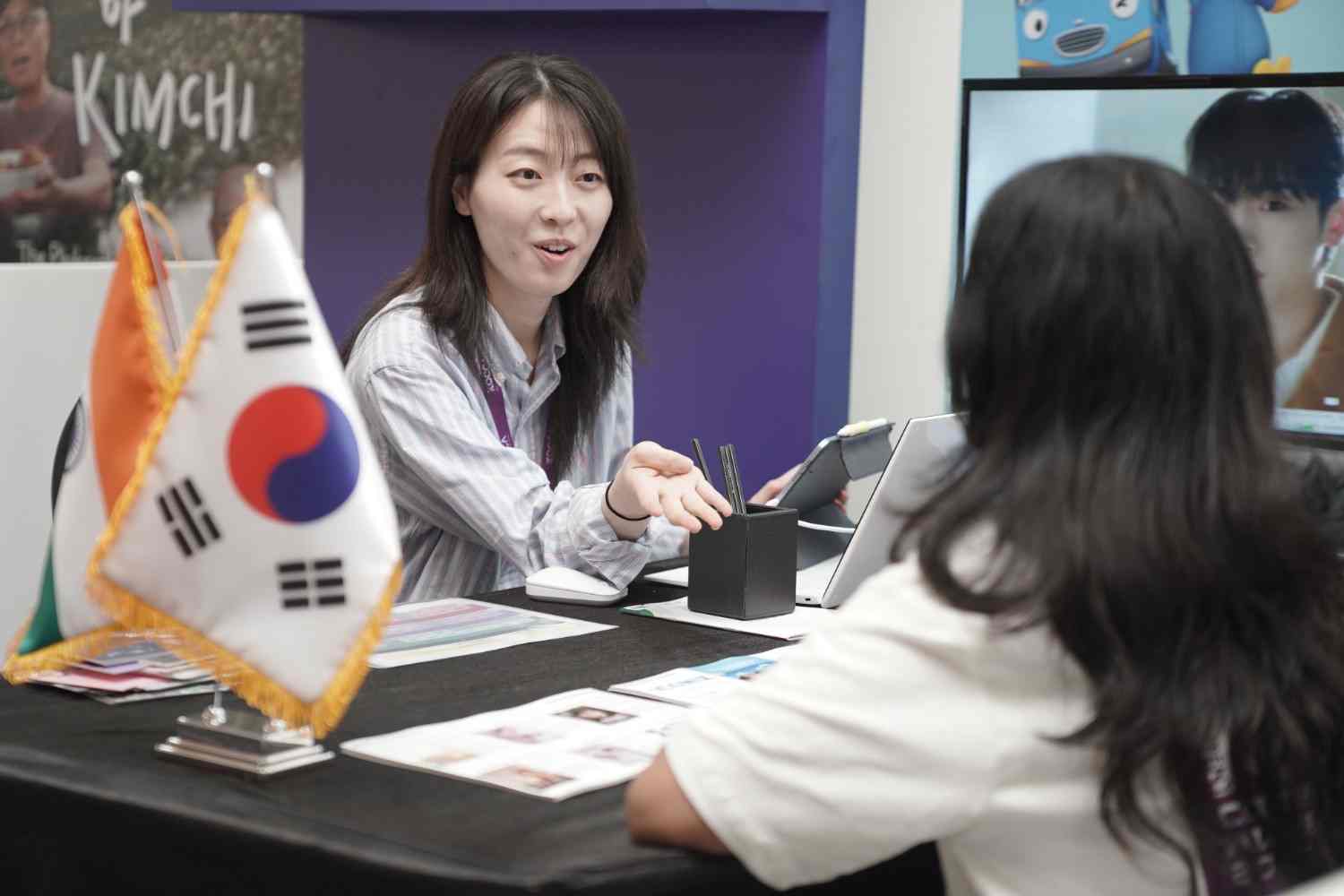
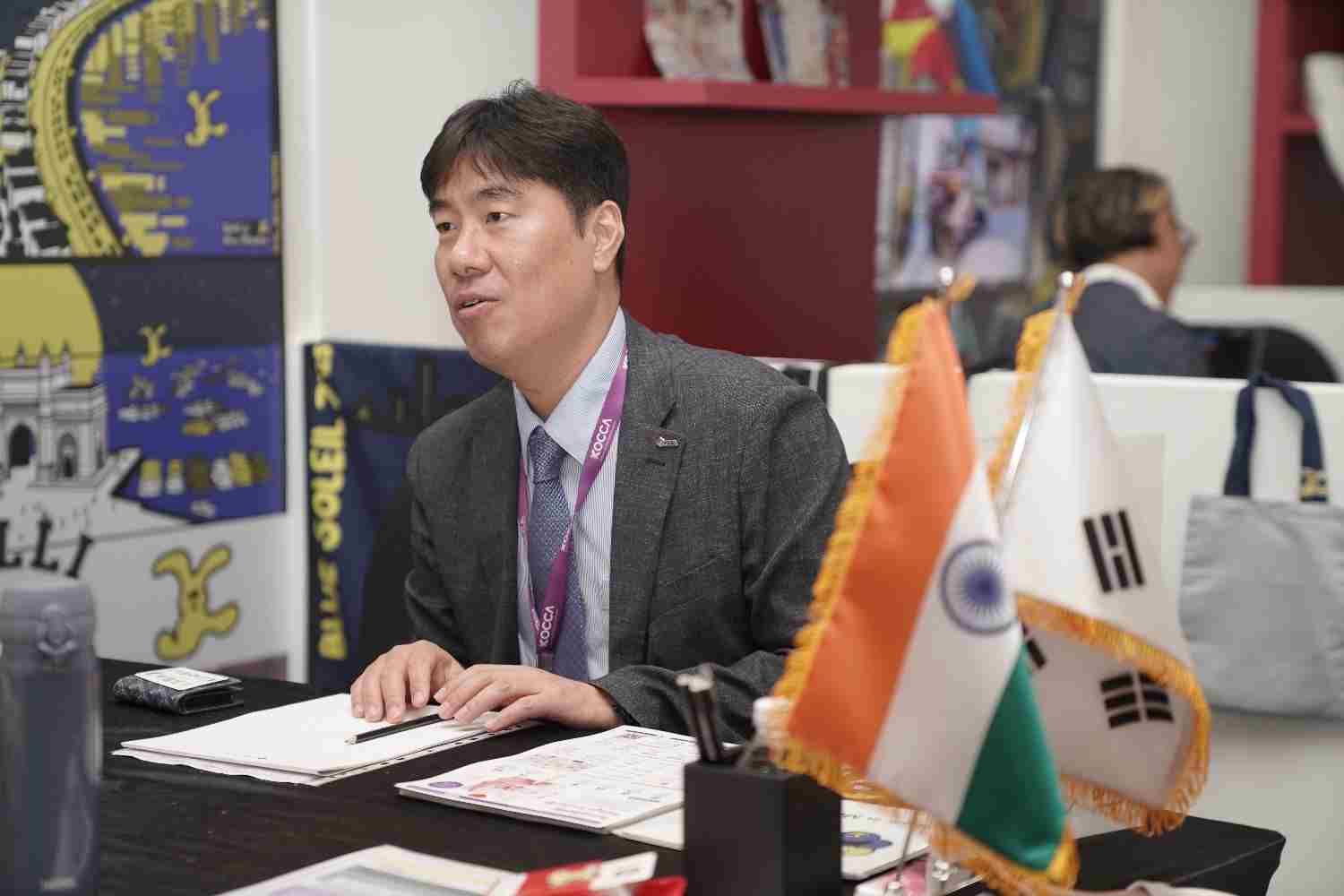
The organisers reported 320 one-to-one export consultations, while the business-matching framework had the capacity to facilitate as many as 360 meetings, with each Korean company eligible for up to 18 pre-arranged interactions.
Indian participants represented the wider AVGC-XR ecosystem, including broadcasting, over-the-top platforms, content production and distribution, animation, gaming, character IP and licensing. The discussions covered content acquisition, Indian distribution rights, intellectual-property licensing, co-production and local market-entry partnerships.
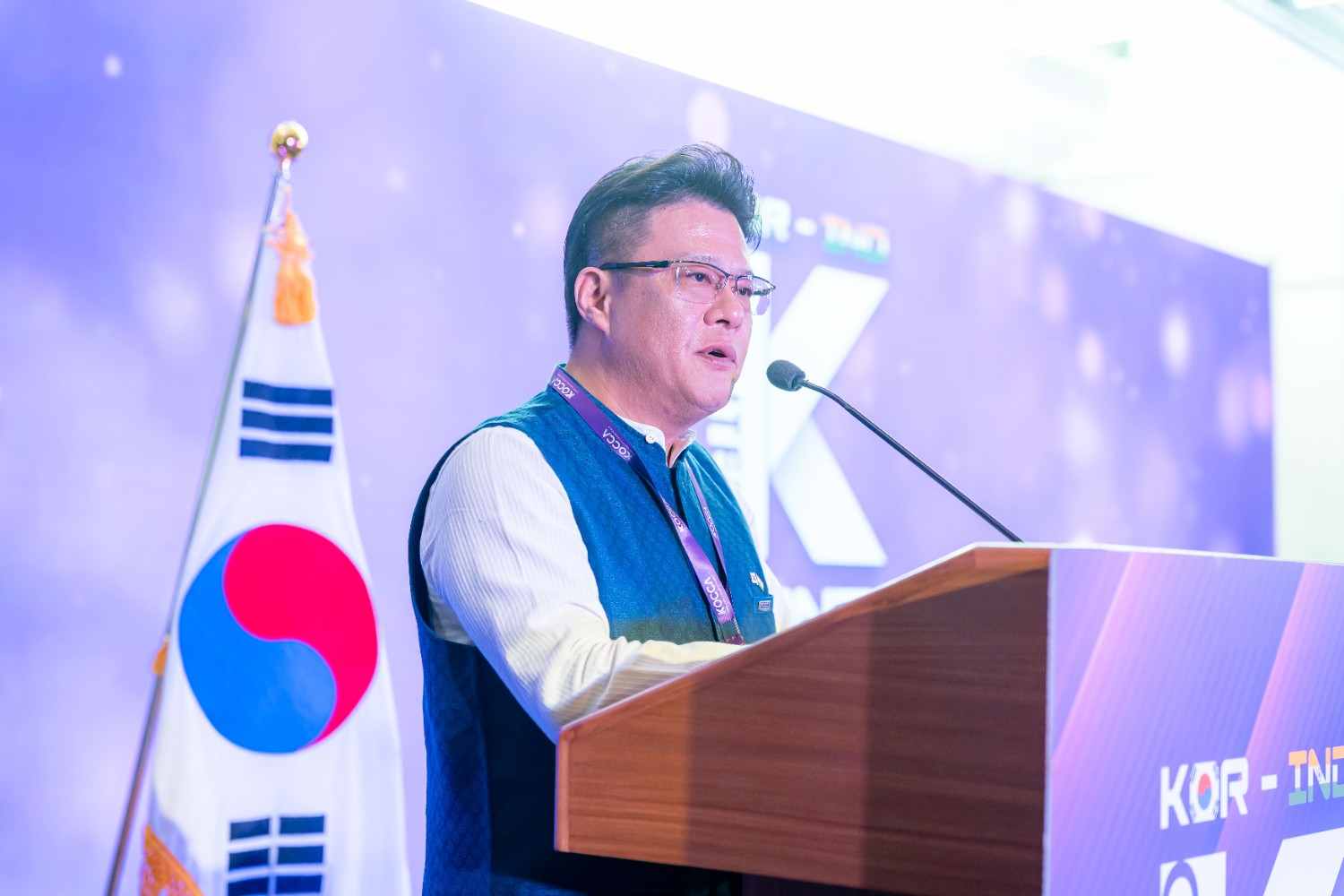
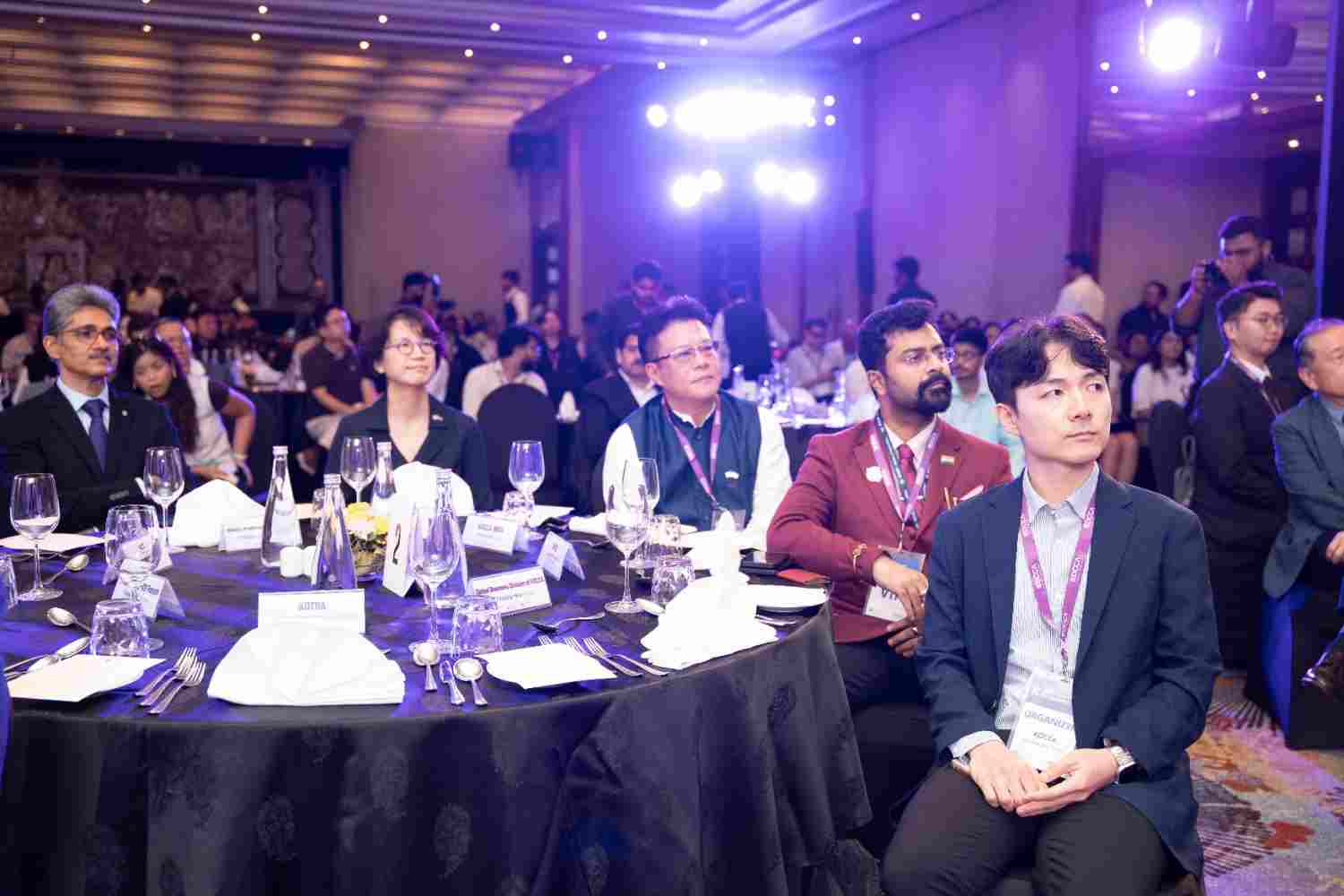 The event was inaugurated by Oh Jin-hee, Minister at the Embassy of the Republic of Korea in India, and Prabhat, Additional Secretary in India’s Ministry of Information and Broadcasting, in the presence of senior government, institutional and industry representatives.
Oh highlighted the creative strengths of India and South Korea and described the programme as an opportunity to expand cultural and content exchange. She said it represented a meaningful step towards greater friendship and harmony between the two countries.
Prabhat said the Korea–India summit held in April had generated fresh momentum for bilateral cooperation, while K-Content BizWeek symbolised the movement of engagement between the two content industries into a more substantive phase. The Ministry of Information and Broadcasting, he added, would remain in close communication with the Korean government and support further collaboration.
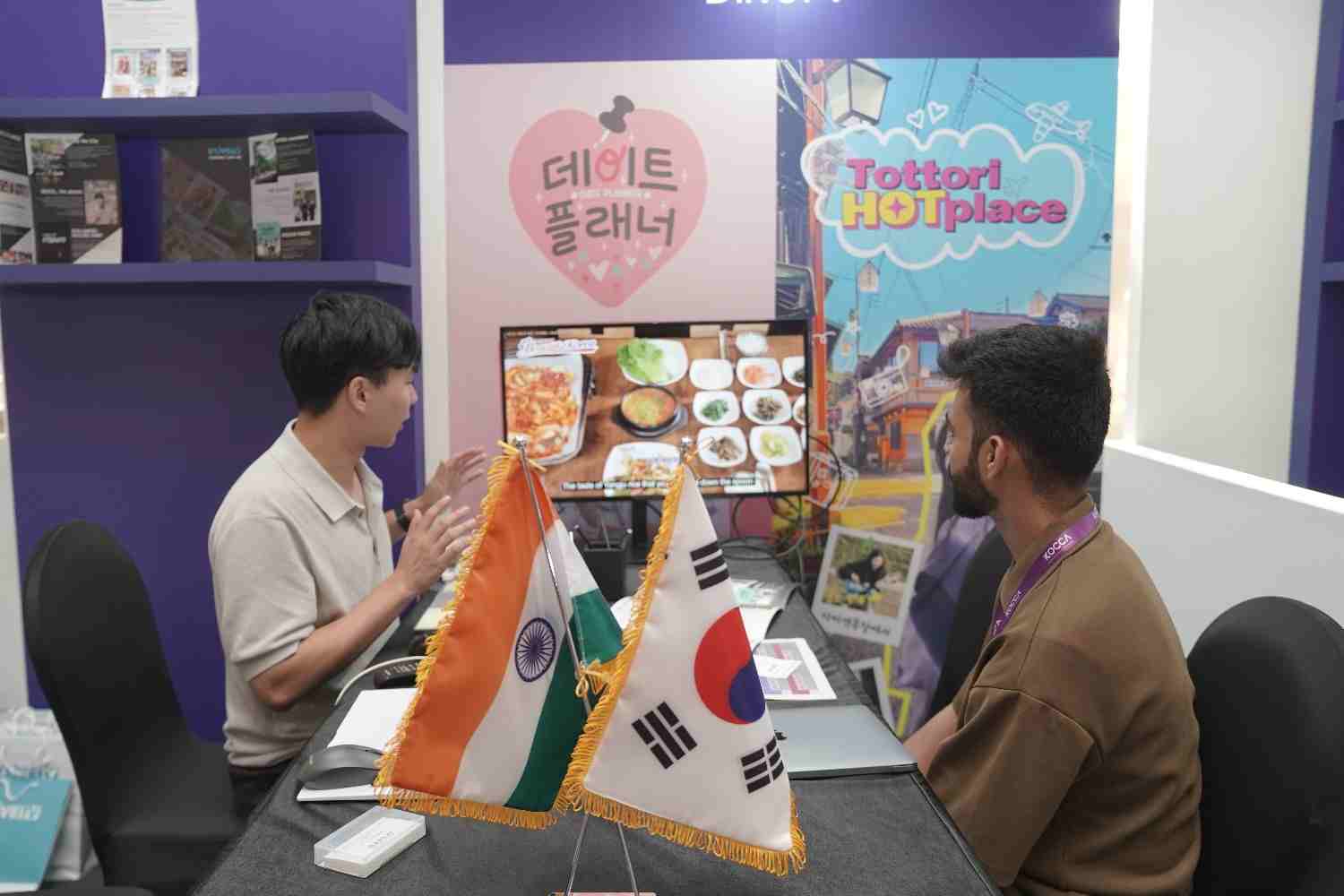 The three-day programme was designed to advance relationships developed by the KOCCA India Business Center through a series of initiatives rather than operate as an isolated marketplace.
In February, the Centre held a briefing for Indian buyers to introduce KOCCA’s work and identify potential partners across India’s AVGC-XR industry. This was followed by the Korea–India K-Content BizCon in Mumbai in May, which brought together 46 Korean and Indian companies.
The Mumbai programme generated 94 export consultations with an estimated value of US$11.41 million and resulted in five MoUs covering IP licensing and infrastructure cooperation.
BizWeek took those connections forward by bringing Korean companies back into negotiations with local businesses identified through the earlier initiatives. The objective was to convert preliminary interest into detailed commercial discussions, agreements and eventual contracts.
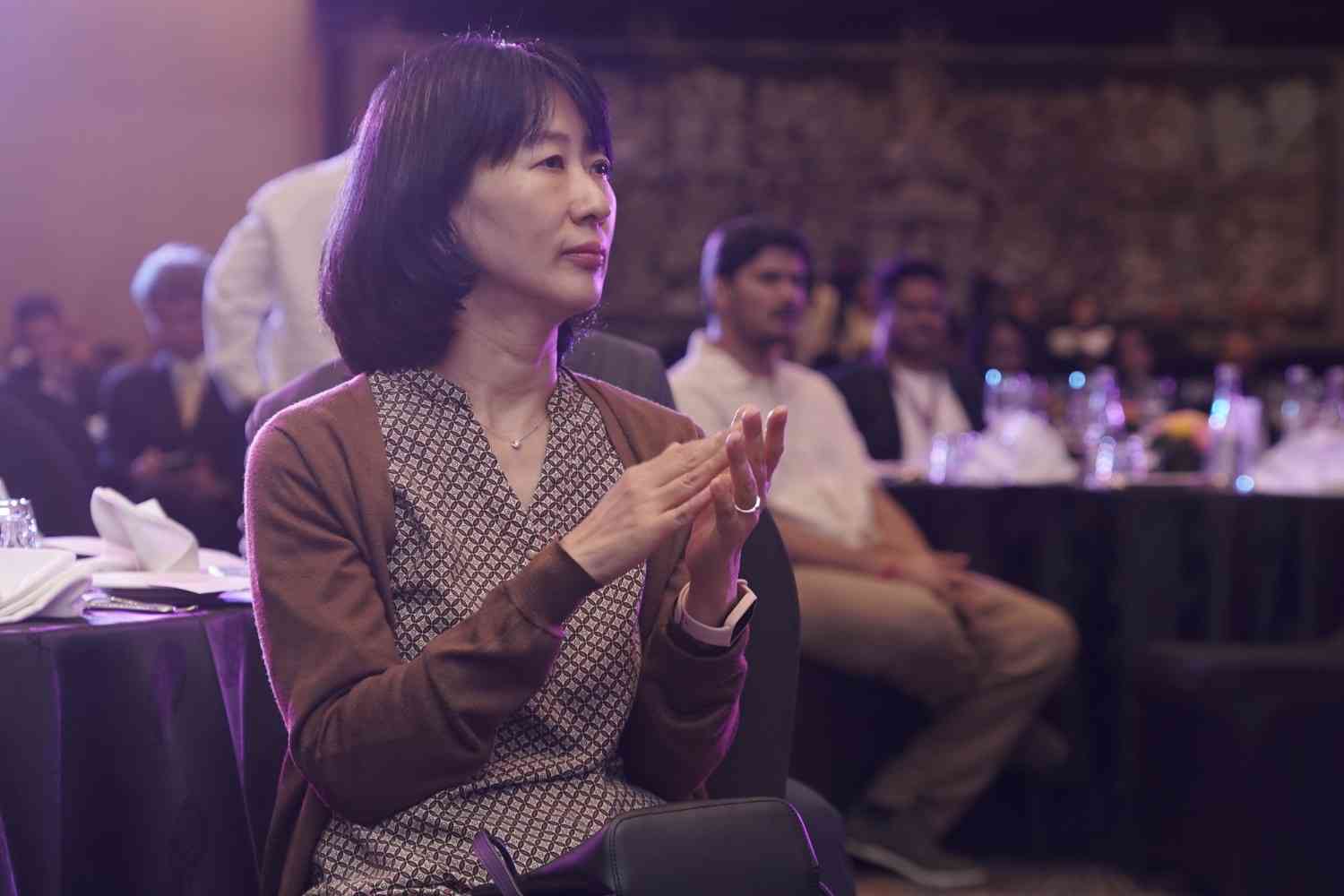 “The 2026 Korea–India K-Content BizWeek provided a platform to advance potential partnerships between Korean content companies and local companies identified through our ongoing efforts into concrete business discussions and commercial agreements,” KOCCA President Kim Yoon-ji said.
She said the KOCCA India Business Center would strengthen its phased support—from identifying suitable Indian partners and arranging meetings to facilitating contract negotiations and post-agreement cooperation.
AI-powered content draws Indian interest: Artificial intelligence emerged as a prominent feature of the Korean presentations.
Content Saero presented “K-Short Form & AI Animation, Built for India,” while NewUniverse introduced “NewUnivers: AI-Driven Drama Production & Global IP Lineup.” Sharebox showcased its AI-powered immersive-space platform, which it said had been selected by leading international IP owners.
 Their presentations demonstrated how Korean companies were using AI to develop short-form entertainment, animation, drama and interactive experiences more quickly and adapt intellectual properties for different audiences. The concepts drew interest from Indian buyers and opened discussions around potential collaboration.
A separate Spotlight on K-IP pitching programme featured 10 Korean companies from animation, character IP, broadcasting and gaming. They presented successful properties, new titles and the forms of partnership they were seeking before entering one-to-one discussions with prospective Indian partners.
The first day also featured an India Market Entry Strategy Forum. Lee Min-woo, Head of Department at KRAFTON India, discussed how global gaming companies could localise their products and business strategies for India.
 Kim Gyu-jin, Executive Director at Samil PwC, explained Indian taxation policies and the wider business environment, while Kim Young-soo, Director of the KOCCA India Business Center, outlined the characteristics of India’s content market and the principal considerations for Korean companies planning to enter it.
All 20 Korean companies also received sector-specific advice in five areas: legal issues, company incorporation and taxation; trademarks and intellectual-property rights; trade and commerce; publishing and distribution; and gaming.
The advisory programme recognised that India’s audience potential alone would not guarantee success. Korean companies would also need locally relevant content, reliable Indian partners, appropriate pricing, regulatory understanding and effective distribution strategies.
 Around 150 representatives of the two countries’ governments, institutions and creative industries attended the welcome reception. They included officials from the Korean Embassy, India’s Ministry of Information and Broadcasting, the Indian Institute of Creative Technologies, Indian chambers of commerce, the National Film Development Corporation, Korean public institutions and content companies.
Korean singer LYN, known in India for soundtracks from popular dramas including Descendants of the Sun and My Love from the Star, performed alongside Indian singer Sejal Morris, giving the business gathering a cultural dimension.
KOCCA said it would now support follow-up negotiations to help the consultations and MoUs translate into signed contracts, content distribution and commercial results.
For Korean companies, the opportunity lies in reaching one of the world’s youngest and most content-hungry audiences. For Indian companies, the emerging relationship offers access to Korean storytelling, production expertise, established intellectual properties and new technologies—turning the popularity of K-content into a potentially significant bilateral creative economy partnership.
Other distinguished participants included Munjal Shroff, Chairman of the FICCI AVGC-XR Forum; Kim Dong Hyun, Managing Director of KOTRA; Choi Kwang-do, Manager in KOCCA’s Global Business Division; Park Euy Don, Vice-President of the Korean Chamber of Commerce and Industry in India; Park Seong Heum, Chairman of the Korean SMEs Association in India; Kim Chul Hwan, Managing Director of Shinhan Bank India; Bae Jongun, CEO of Kookmin Bank India; Ashutosh Mohle, Director in the Ministry of Information and Broadcasting; Chander Prakash of the Ministry of Information and Broadcasting; Lee Jugwang, Second Secretary at the Embassy of the Republic of Korea; Sampada Kapdi, Assistant Director at JioStar; Gaurang Nemlekar, Senior Manager at Ultra Media; Yoon Yong, Chief Trade Representative of the Korea International Trade Association; Lee Minu, Vice-President of KRAFTON India; Kim Kyu Jin, Director at Samil PwC; Heo In, Director of the Korea Intellectual Property Protection Agency; Lee Kyung A, CEO of Greatplang Edusolution; Cho Yoon Mi, Director of the Korea Tourism Organization; Bharath Laxmipati, Chief Marketing Officer of Green Gold Animation; Imtiaz Hussain, Founder of Fanzai; Lee Jae Kyeong, Director at KOSME; Chung Hyung Phil, CEO of Yashobhoomi/KINTEX India; and Chang Jae Won, CEO of Buddtree Management Advisory. Representatives of Star Entertainment, Atoonz, PINK-BOX, LIVE-K and Arka Mediaworks also attended the gathering.