India Can Help Bring Peace to Korean Peninsula: Park Euy Don
PUAC Southwest Asia Chapter has also inducted six honorary advisors to the chapter that recognises the fact that India’s strategic autonomy, balanced diplomacy and international credibility could help ease tensions, build mutual confidence and widen global support for peace.

New Delhi: India’s strategic autonomy, balanced relations with diverse countries and growing international influence could enable it to play an important role in promoting peace and reducing tensions on the Korean Peninsula, according to Dr Park Euy Don, President of the Southwest Asia Chapter Council of the Peaceful Unification Advisory Council, or PUAC.
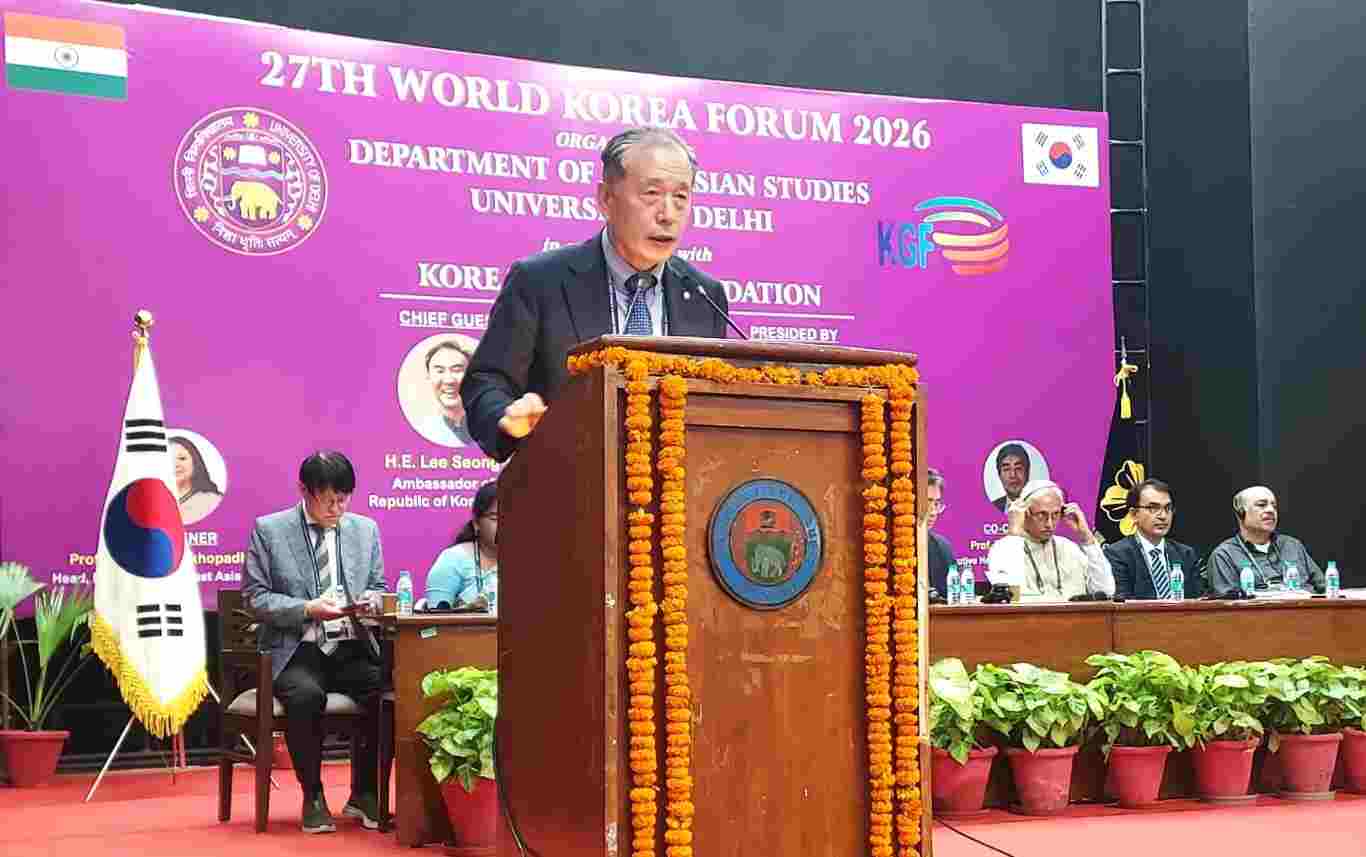
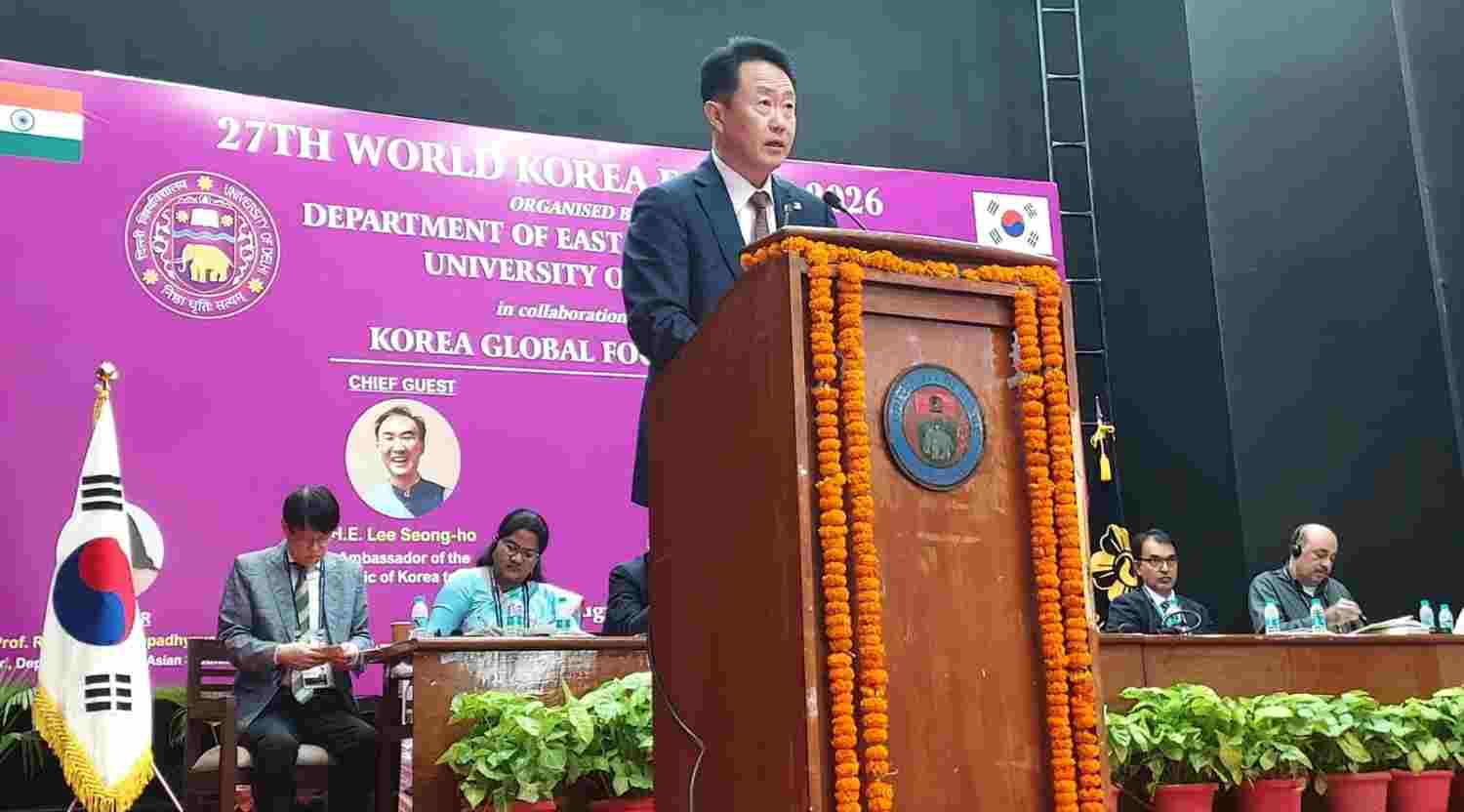
Addressing the opening of the 27th World Korea Forum in New Delhi on August 19, Dr Park said India’s diplomatic credibility and international standing could become valuable assets in building mutual confidence and expanding international support for peace on the divided peninsula.
 “From the perspective of peace on the Korean Peninsula, India’s role is equally important,” he said. “For many years, India has maintained its strategic autonomy while developing balanced diplomatic relations with a wide range of countries.”
He said this distinctive diplomatic position could help India contribute to easing tensions and creating an environment supportive of dialogue and peaceful engagement.
The remarks placed India’s potential peace-building role at the centre of the international forum, which brought together scholars, diplomats, policy experts, researchers and representatives of Korean organisations to discuss the future of the Korean Peninsula and the changing geopolitical order.
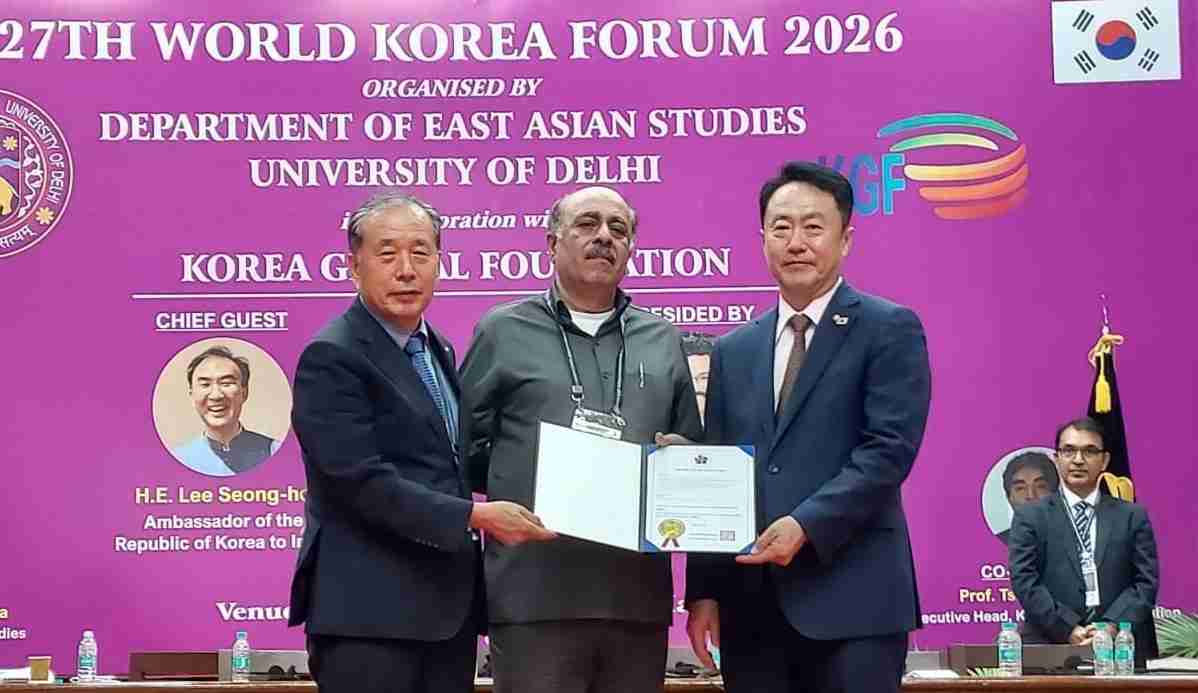
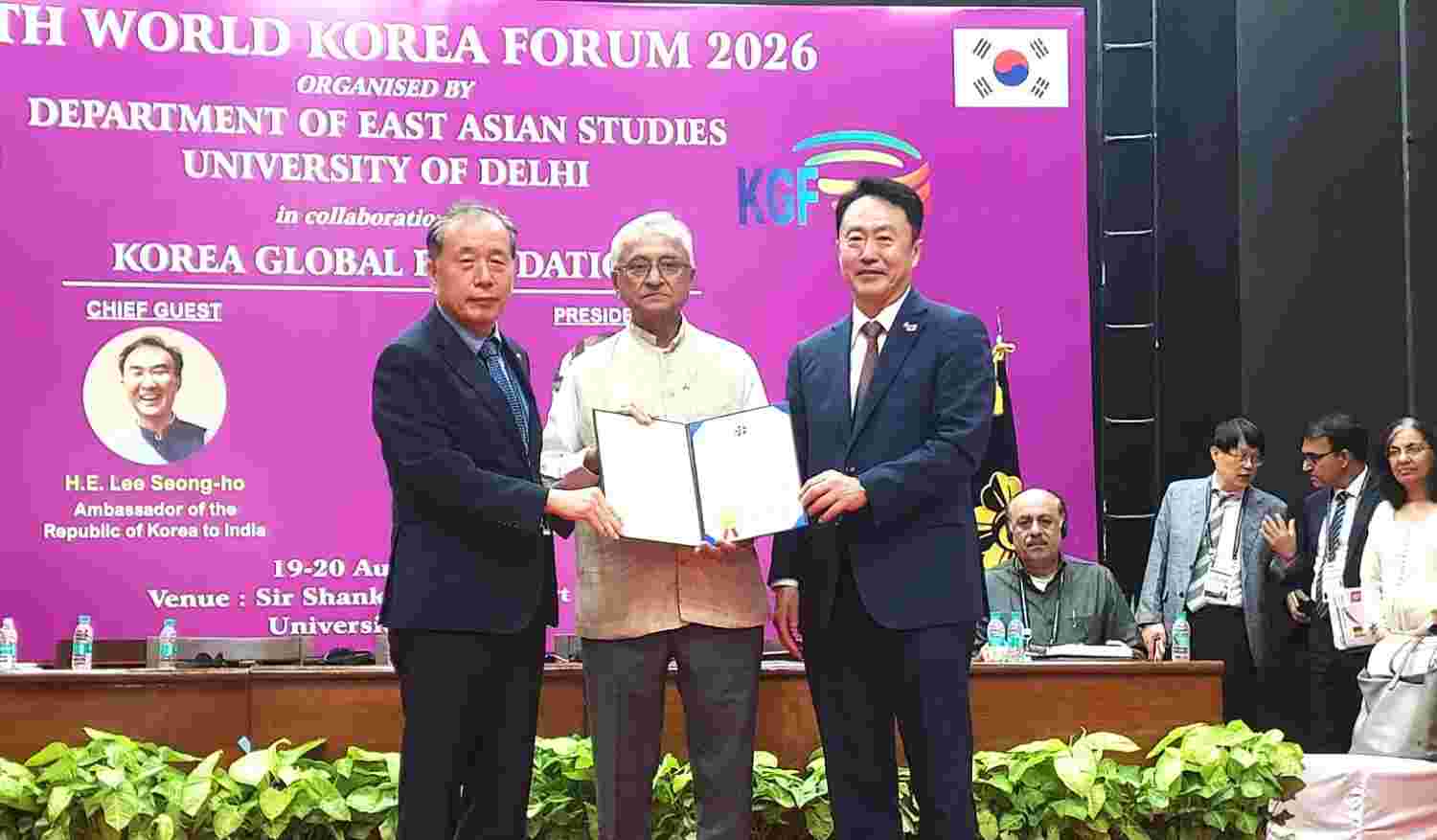
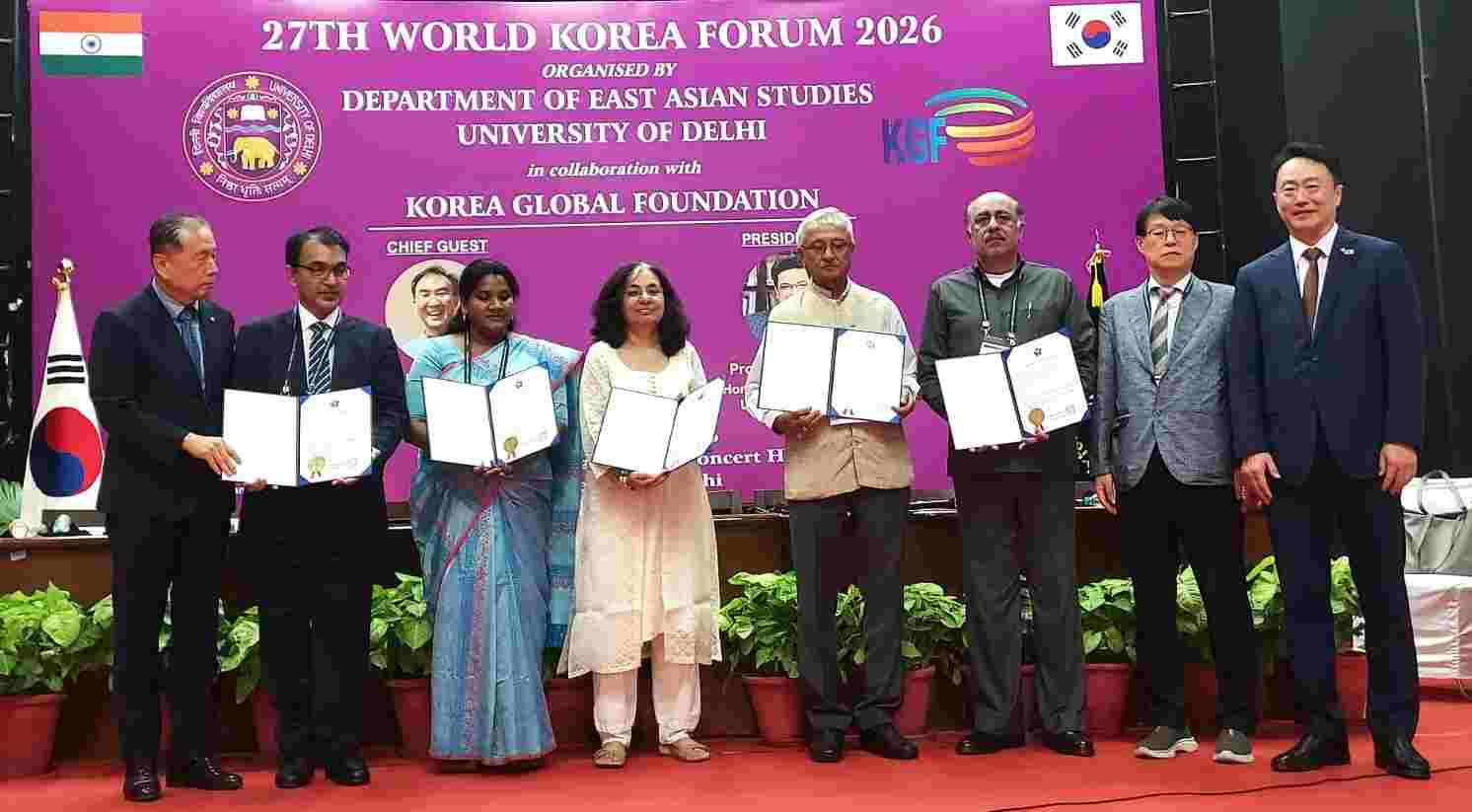
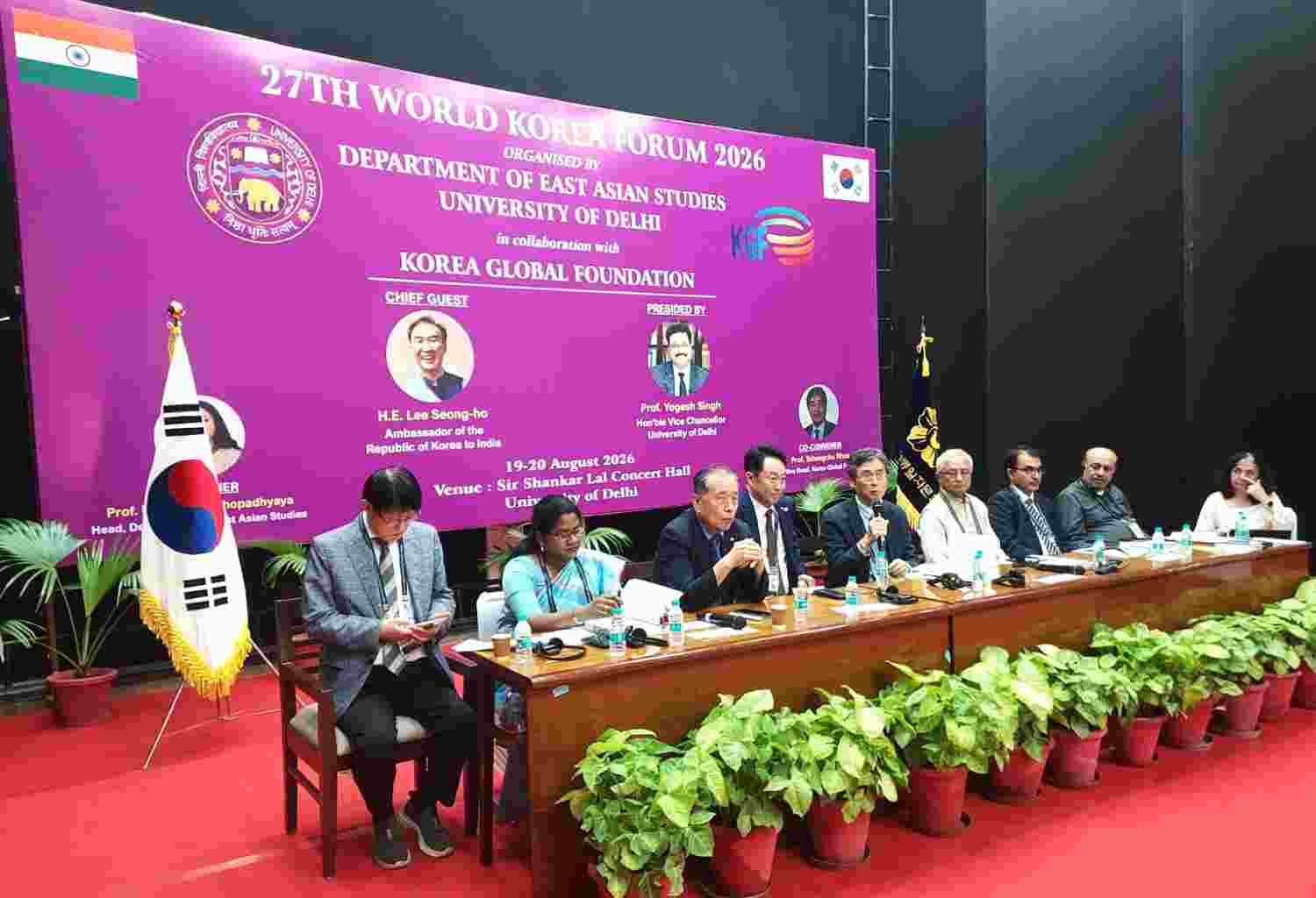 Dr Park was addressing the session titled “Peace, Prosperity, Korea Reunification: The Great Transition”, which was organised by the Southwest Asia Chapter Council, Peaceful Unification Advisory Council (PUAC). On this occasion, he also inducted six Indian honorary advisors to the PUAC Southwest Asia Chapter in the presence of Bun Do Choi, Vice-Chairman, PUAC Asia-Pacific Region; Prof. Dr Wongi Choe, Professor, Korea National Diplomatic Academy; and Prof. Dr Dong-Jin Jang, Professor Emeritus, Yonsei University.
They included Ambassador Skand R. Tayal, President, Indo-Korean Friendship Society and Former Indian Ambassador to South Korea; Prof. Dr Sandip Mishra, Professor, Jawaharlal Nehru University; Robinder Sachdev, Senior Geopolitical Expert; Founder and President, ImagIndia Institute; Prof. Dr Navnita Rehra, Professor, University of Delhi; and Prof. Dr Nansi Paulraj, Professor, Department of International Relations, Loyola College, Chennai.
 Dr Park, who also chaired the 2026 New Delhi World Korea Forum, described India as an exceptionally important strategic partner for the Republic of Korea. He said India was not only the world’s largest democracy and one of its fastest-growing major economies but also a key country connecting the Indo-Pacific with the Global South.
He said India’s strategic autonomy, balanced diplomatic relations and growing international credibility could become valuable assets in easing tensions, building confidence and mobilising wider support for peace on the Korean Peninsula.
As the world moved towards a more multipolar order, India’s responsible leadership and balanced diplomacy carried considerable significance for regional stability and international cooperation, he said.
Unlike countries directly involved in the peninsula’s military and strategic rivalries, India has maintained diplomatic relations with both South and North Korea. Its independent foreign policy could allow it to retain channels of communication and encourage dialogue without being viewed solely through the lens of a competing power bloc.
 Dr Park strongly emphasised that lasting peace could not be achieved exclusively through deterrence, confrontation or military strength.
“PUAC firmly believes that peace on the Korean Peninsula cannot be achieved through military strength alone,” he said. “Sustainable peace can only be built upon dialogue, mutual trust, cooperation and shared prosperity.”
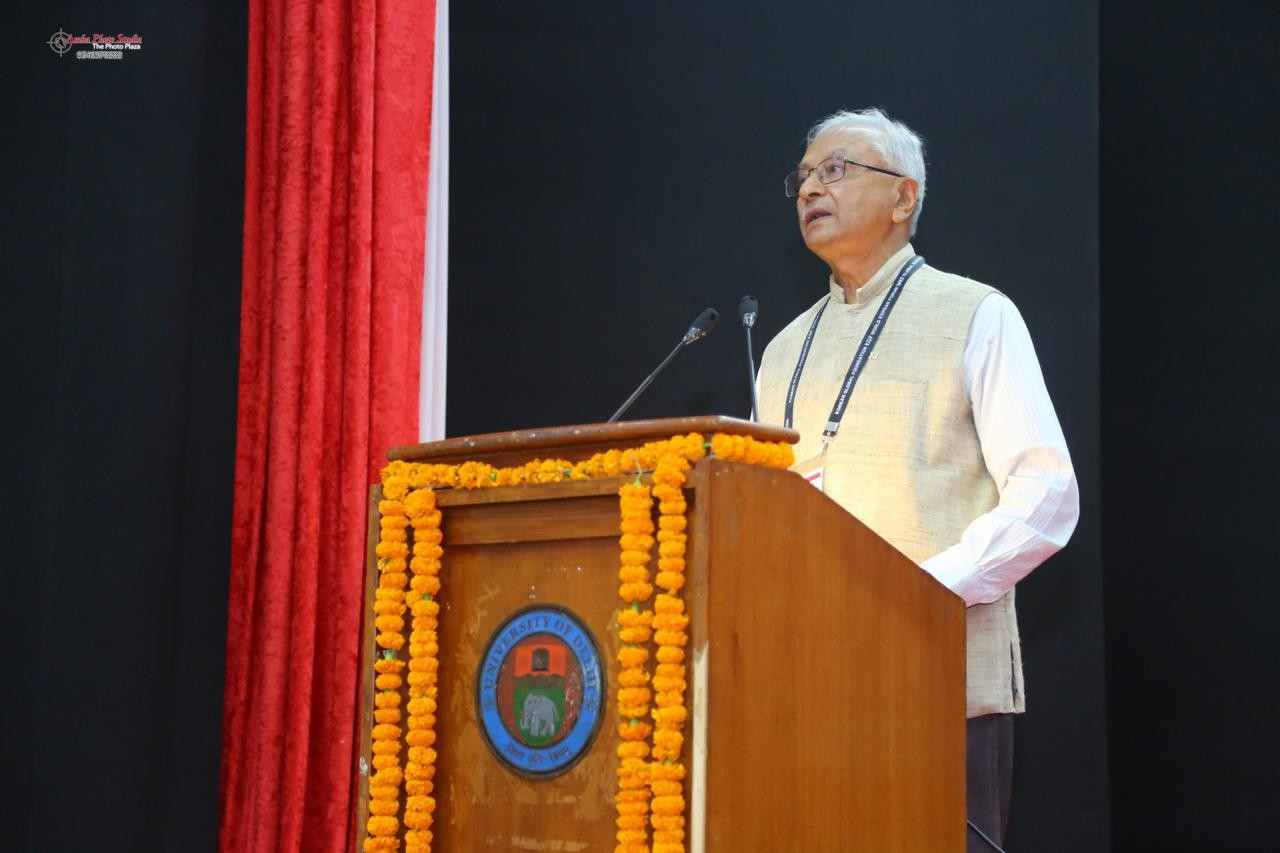 His remarks came amid continuing tensions caused by North Korea’s nuclear and missile programmes, the absence of sustained inter-Korean dialogue and an increasingly complicated strategic environment in Northeast Asia.
Dr Park said the international community was passing through a major turning point as the political order was rapidly reshaped and the centre of gravity of the world economy and security shifted towards the Indo-Pacific. Against this background, cooperation and mutual understanding among nations had become more important than ever.
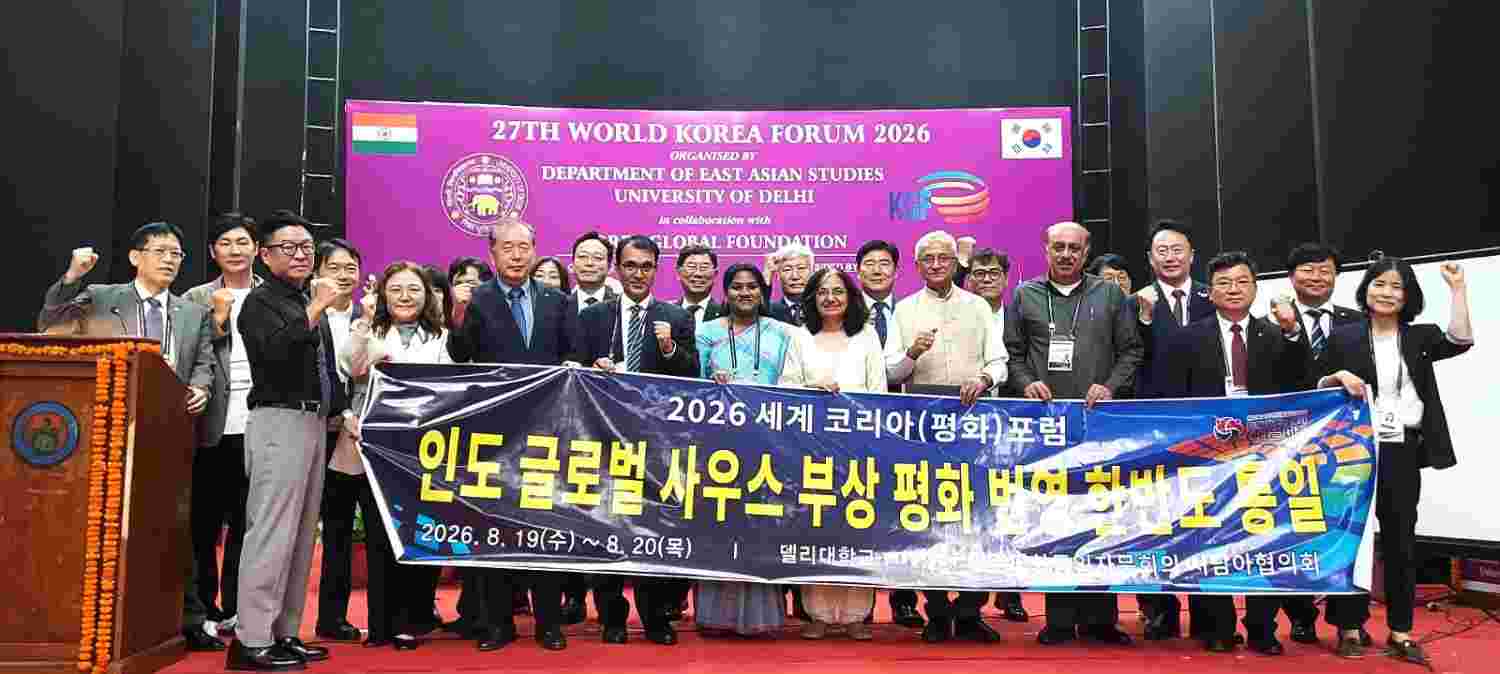 Explaining the Peaceful Unification Advisory Council’s mandate, he said PUAC was a constitutional body established under Article 92 of the South Korean Constitution to advise the President on peaceful and democratic reunification.
Its more than 20,000 advisory members in South Korea and around the world worked to strengthen international understanding and support for peace through public diplomacy and people-to-people engagement.
Dr Park said India and South Korea shared values including democracy, the rule of law, a market economy and respect for human dignity. These provided a strong foundation for expanding their Special Strategic Partnership beyond economic and technological cooperation into peace, security and exchanges between future generations.
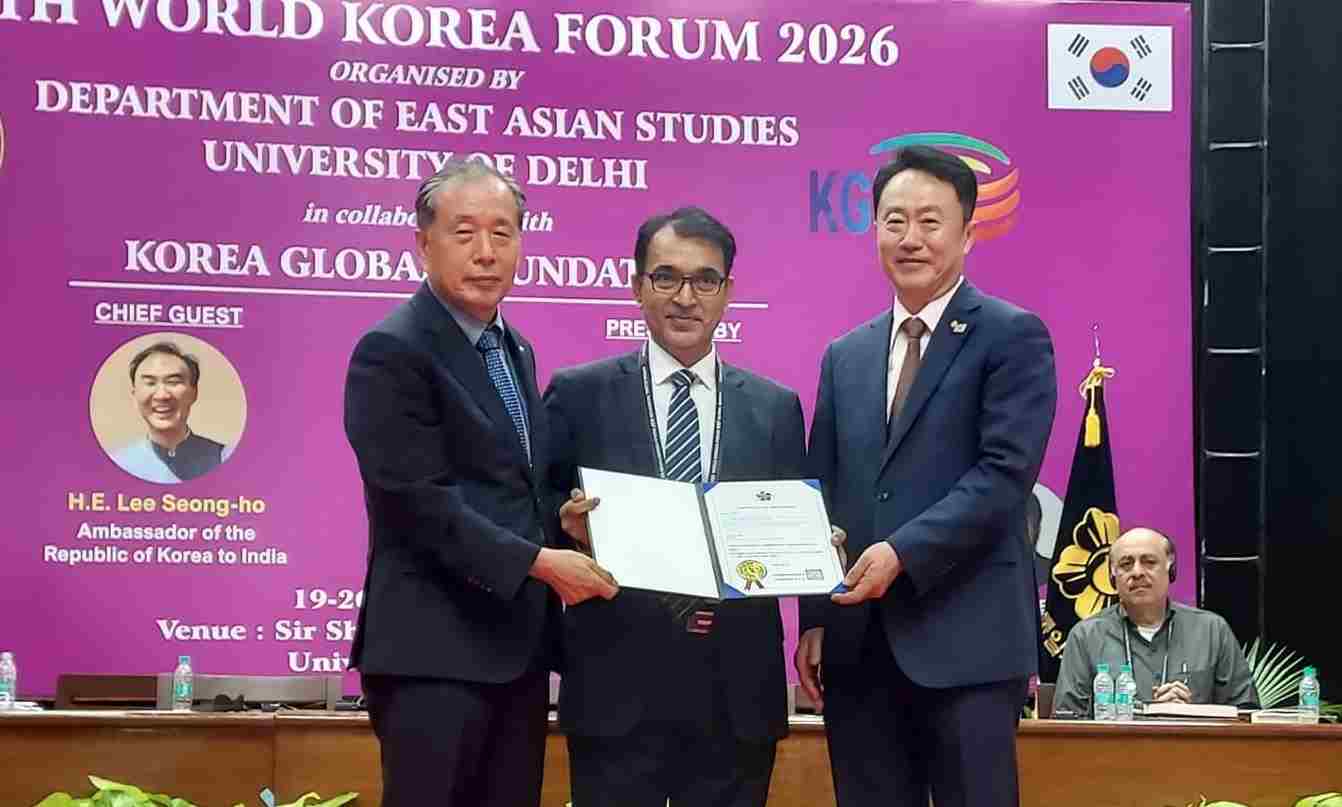 South Korea is already a major economic and technological partner for India, with Korean companies playing prominent roles in electronics, automobiles, engineering, manufacturing and consumer goods. Dr Park’s observations suggested that the partnership could now acquire a wider diplomatic and strategic dimension.
He also stressed that peace on the Korean Peninsula was no longer merely a regional issue. Developments there were closely connected with global supply chains, maritime security, the international economy and stability across the Indo-Pacific.
Peaceful coexistence and eventual reunification were not solely South Korea’s responsibility, he said. They represented “a shared value and a common future” that must be pursued with the international community.
The World Korea Forum provided an opportunity to explore how India could contribute through diplomatic dialogue, academic exchanges, public diplomacy and institutional cooperation.
Dr Park ultimately presented India not as a distant observer of Korean affairs but as a credible peace-building partner whose strategic autonomy and balanced diplomacy could contribute to lasting stability on the Korean Peninsula.