Military Alliances Alone Cannot Guarantee Lasting Peace: Bun Do Choi
PUAC Asia-Pacific Vice-Chairman calls for justice-based international solidarity as conflicts in the Middle East and tensions on the Korean Peninsula expose limitations of power-driven security arrangements.

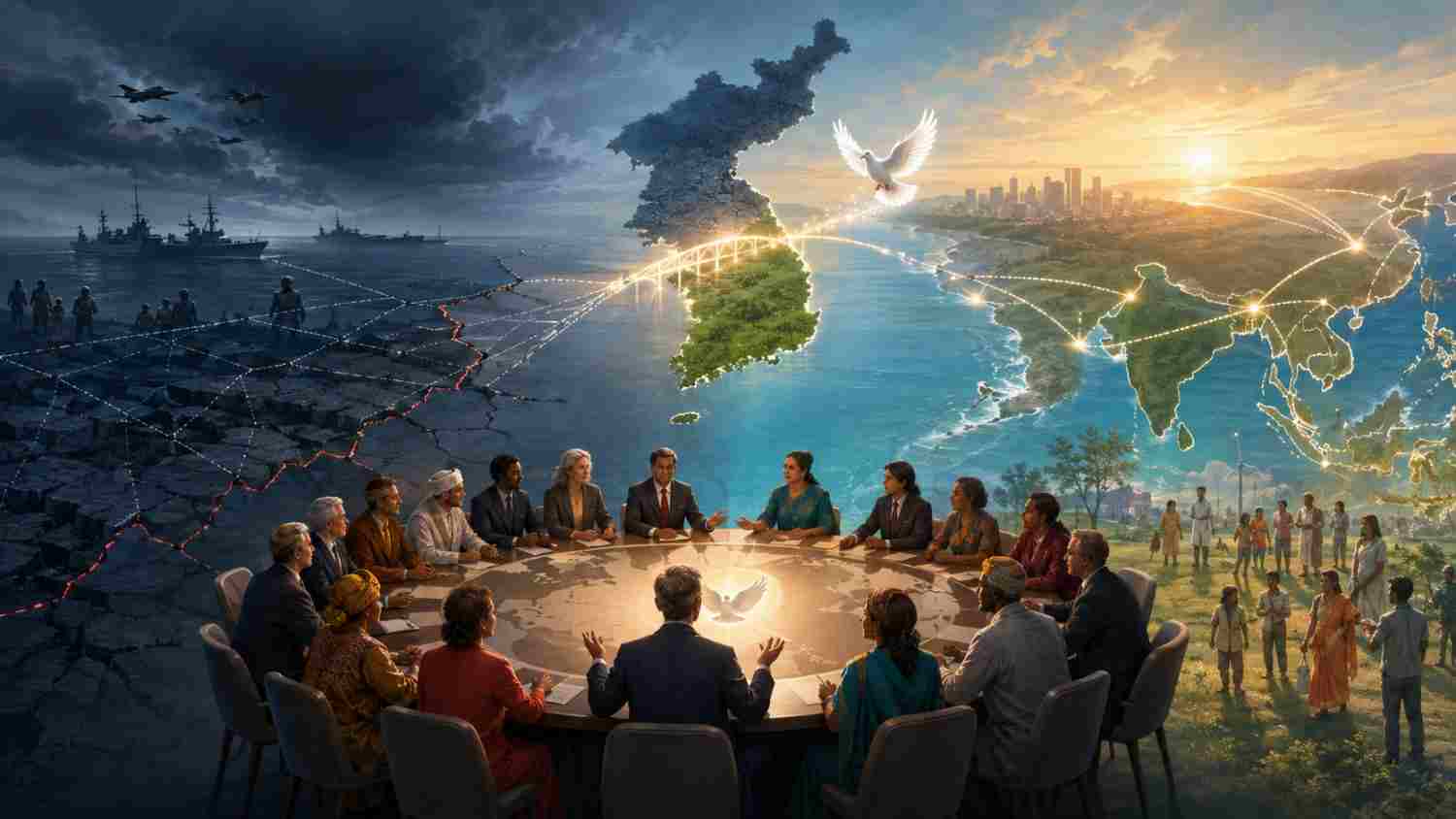
New Delhi: Military power and conventional alliance systems alone cannot deliver sustainable peace in an increasingly fragmented world, according to Bun Do Choi, Vice-Chairman of the Asia-Pacific Region of the Peaceful Unification Advisory Council, or PUAC.
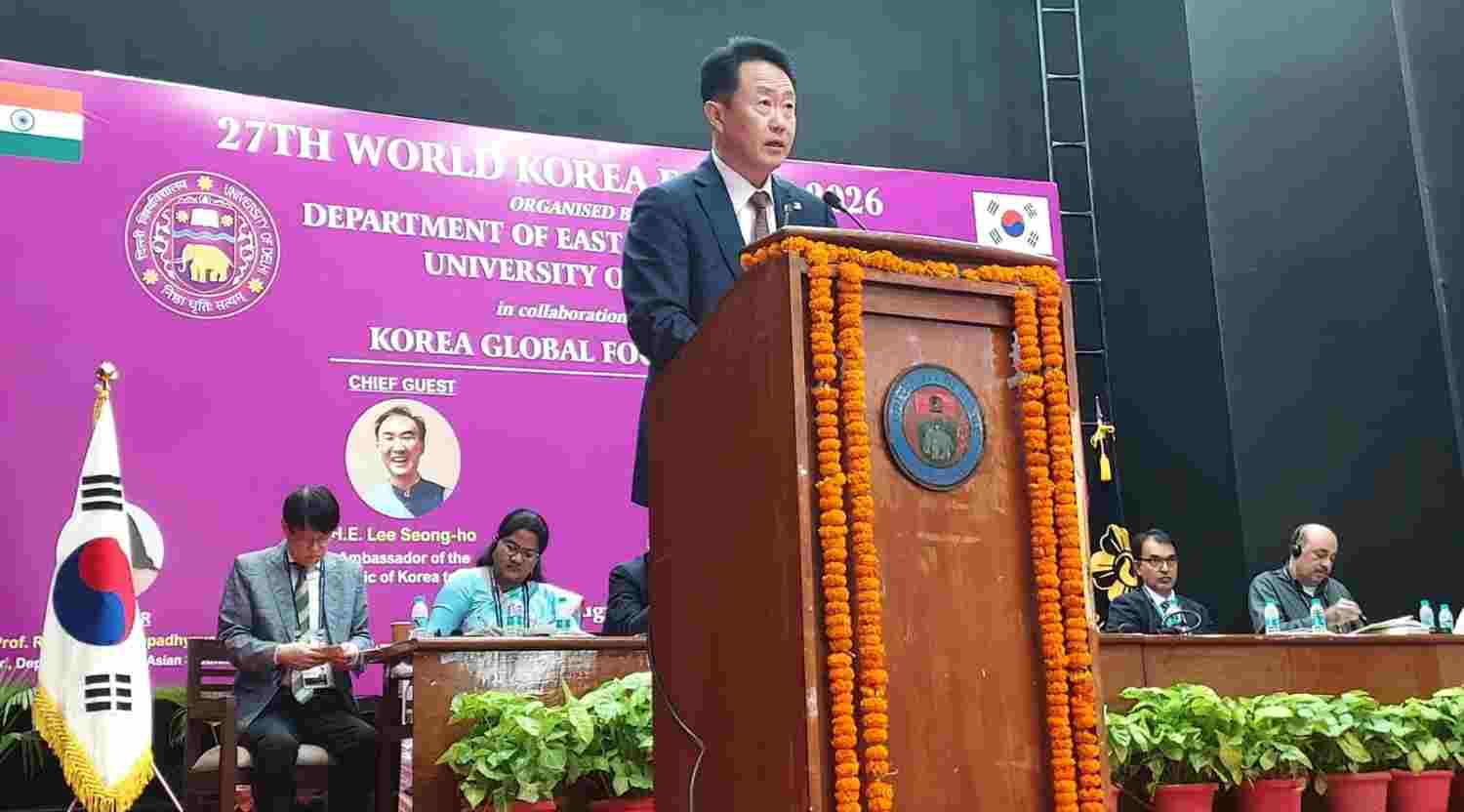
Delivering a keynote address at the 27th World Korea Forum in New Delhi, Choi said conflicts in the Middle East, geopolitical competition among major powers and continuing tensions on the Korean Peninsula had exposed the limitations of security structures based primarily on military strength.
 Referring to military confrontations involving the United States and Iran, he said such developments raised a fundamental question: whether lasting peace could genuinely be secured through military power and alliances alone.
“The alliance structures of the Cold War divided the world through the binary logic that ‘the enemy of my enemy is my friend’,” Choi said. Security dependent exclusively on power, he added, risked creating a cycle of revenge and retaliation.
He called for countries to move beyond zero-sum alliances and build international solidarity founded on justice, shared values and the basic principles of peace.
The Korean Peninsula, Choi said, faced a similarly difficult strategic environment. North Korea’s declaration of “two hostile states,” its continued military posture and growing geopolitical tensions in Northeast Asia required fresh thinking.
While the value of existing alliances should be respected, countries must not remain confined within narrow military frameworks, he said.
Choi presented the Lee Jae Myung Government’s emphasis on “Positive Peace” as a practical alternative. Quoting the South Korean President’s position that “even the worst peace is better than the best war,” he said the protection of human life and economic vitality must remain central to national policy.
Peace would also create economic benefits, he said. A Korean Peninsula free from the fear of war could reduce the “Korea Discount,” lower defence expenditure and generate a “peace dividend” for investment in social welfare and future industries.
Choi emphasised the growing role of public diplomacy when formal dialogue between governments became rigid. PUAC’s approximately 4,000 overseas advisory members across 137 countries could help build international understanding and grassroots support for peace.
He proposed three priorities: mobilising Korean diaspora communities as bridges for peace; creating an Asia-Pacific community of empathy through values such as non-violence, harmony and human dignity; and developing smaller multilateral coalitions connecting South Korea with the Global South.
India’s philosophy of non-violence and Korea’s values of mutual flourishing and respect for humanity shared a close connection, he said. These principles could support a new form of diplomacy capable of reaching citizens beyond traditional political channels.
Choi said South Korea should work more closely with Global South countries and promote an international order based on justice and the rule of law rather than the logic of power.
“When diplomacy between governments becomes rigid, cooperation between citizens and public diplomacy can open blocked channels for peace,” he said.
He added that PUAC would work to become an architect of global peace-oriented public diplomacy and continue its efforts until permanent peace was established on the Korean Peninsula.