
Appx 1000 run in ASICS’s Ekiden Relay Race Inspired by Japan’s Running Tradition
Over 240 teams of Japanese and Indian runners, mostly drawn from Japanese and Indian corporates, covered 10 kilometers, passing the traditional Tasuki (a shoulder sash) instead of a baton. It is one of Japan’s most distinctive running traditions.

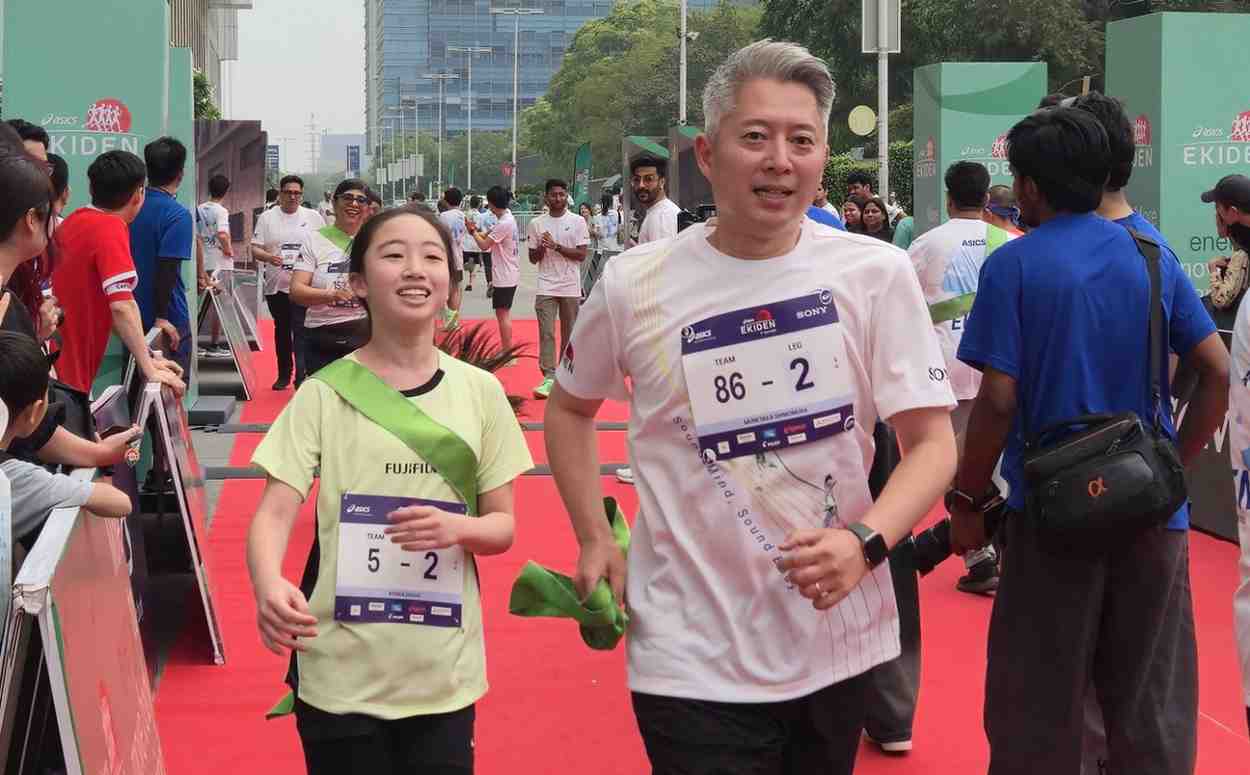
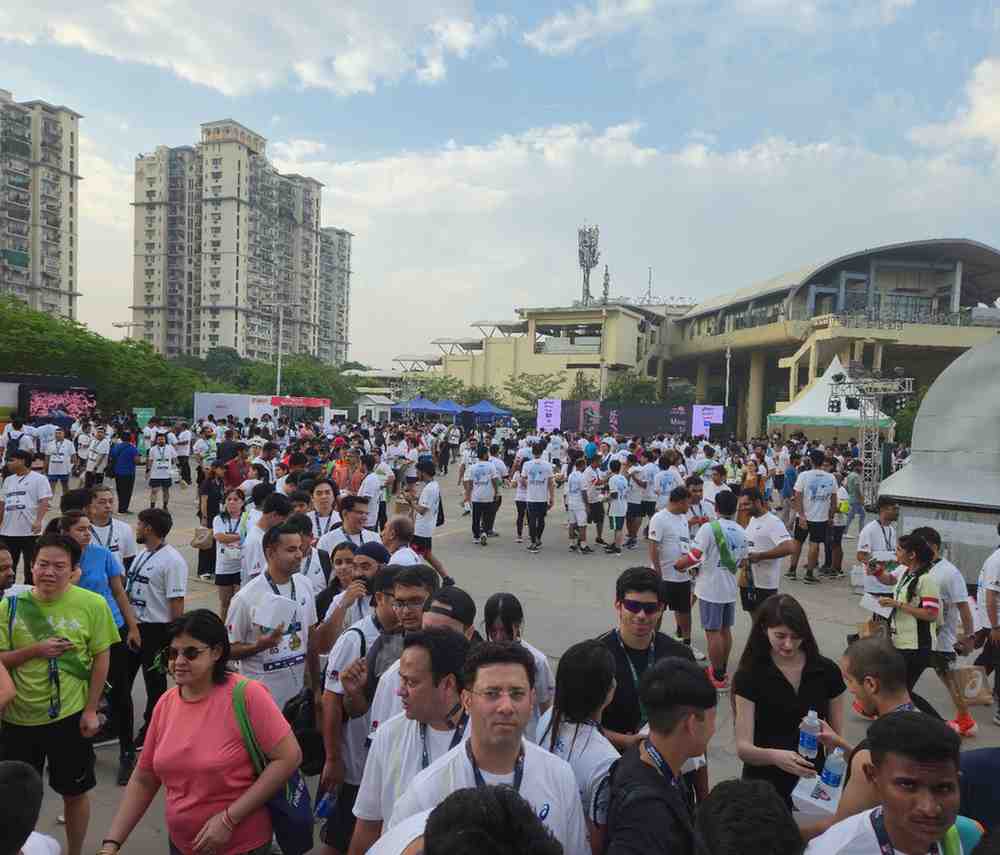
New Delhi, April 5, 2026: DLF Cyber Hub, usually subdued on a Sunday morning when offices remain shut, and the area comes alive only later with its dining crowd, turned into a lively arena of energy, cheers and movement as hundreds of runners from India, Japan and other countries gathered for ASICS Ekiden India 2026. The event transformed the corporate district into a vibrant celebration of sport, teamwork and community participation.
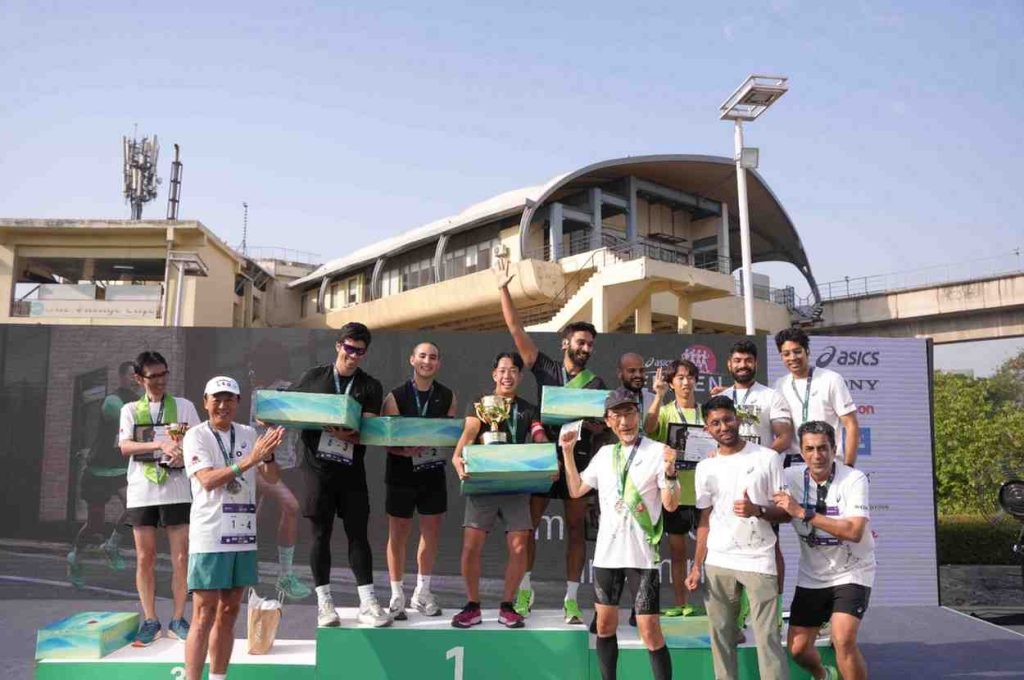
The very first of its kind in India, the event brought together running communities, corporate teams and fitness enthusiasts. The iconic Japanese relay was organised in partnership with Sony India and supported by the Embassy of Japan in India.
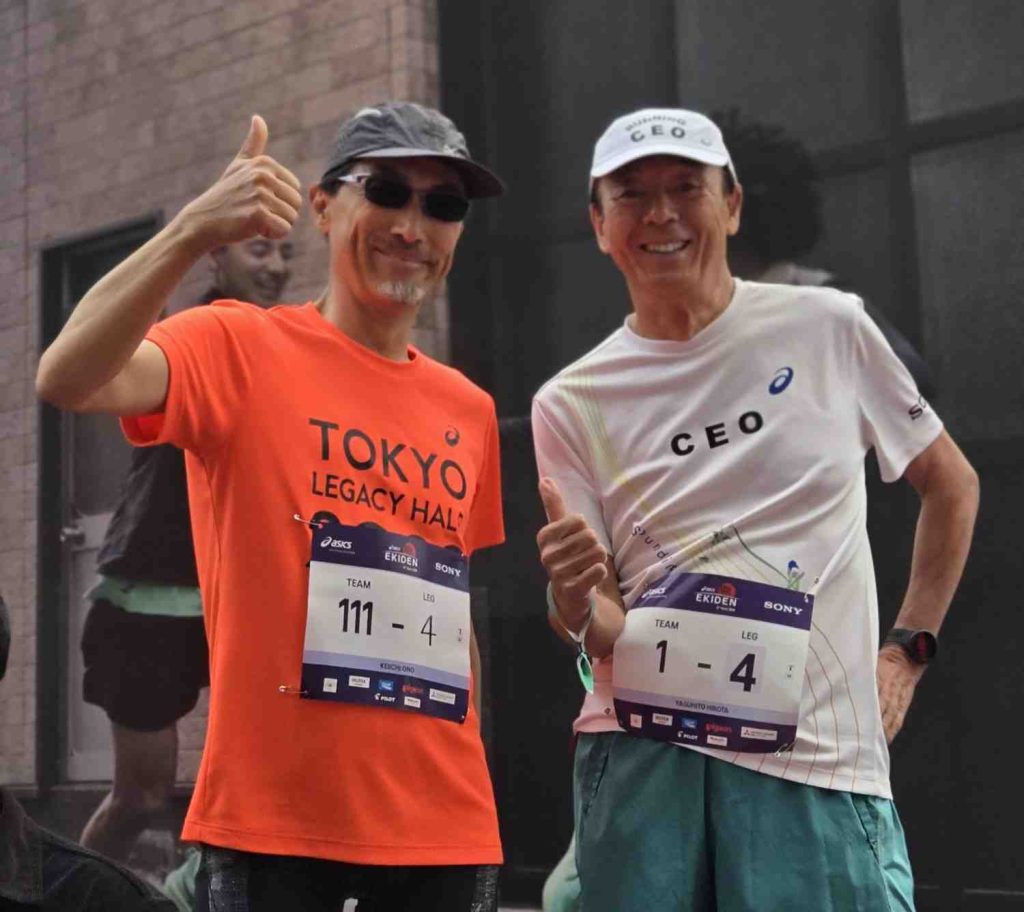
Those who attended the event included Yasuhito Hirota, Chairman and CEO, Representative Director, ASICS Corporation; ONO Keiichi, Ambassador of Japan to India; Rajat Khurana, Managing Director, ASICS India and South Asia and ASICS Athlete Dr Kartik Karkera, elite marathoner and winner of the recent Tata Mumbai Marathon and Cognizant New Delhi Marathon. Also present were Takashi Ariyoshi, Minister & Deputy Chief of Mission, Embassy of Japan; other diplomats and staff from the Embassy of Japan; Seiichi Saito, Secretary-General, JCCII; Kenji Sugino, outgoing Secretary-General, JCCII; and others from JETRO.
With over 240 teams participating, the event brought together runners from India and Japan, reinforcing the Ekiden relay’s global legacy and cross-cultural significance.
Supported by major Japanese conglomerates and partners, including Mitsubishi Corporation, POCARI SWEAT, Pigeon, Fujifilm, Pilot and Yakult, ASICS hosted an immersive event celebrating the cultural connection between India and Japan through sport. Teams of four, each including at least one Japanese participant, took part in the relay by passing the traditional Tasuki, symbolising shared purpose, continuity and teamwork.
Speaking on the occasion, Rajat Khurana, Managing Director, ASICS India and South Asia, disclosed the origin of the idea of organising the Ekiden Relay in India. He said it all happened in 2025, during the Mumbai Marathon, which was attended by ASICS Corporation Chairman and CEO Yasuhito Hirota. It was an ASICS-sponsored event. Here, he met the Japanese Ambassador to India, Ono Keiichi, and during the discussion, the Ambassador suggested combining sports with Japanese culture.
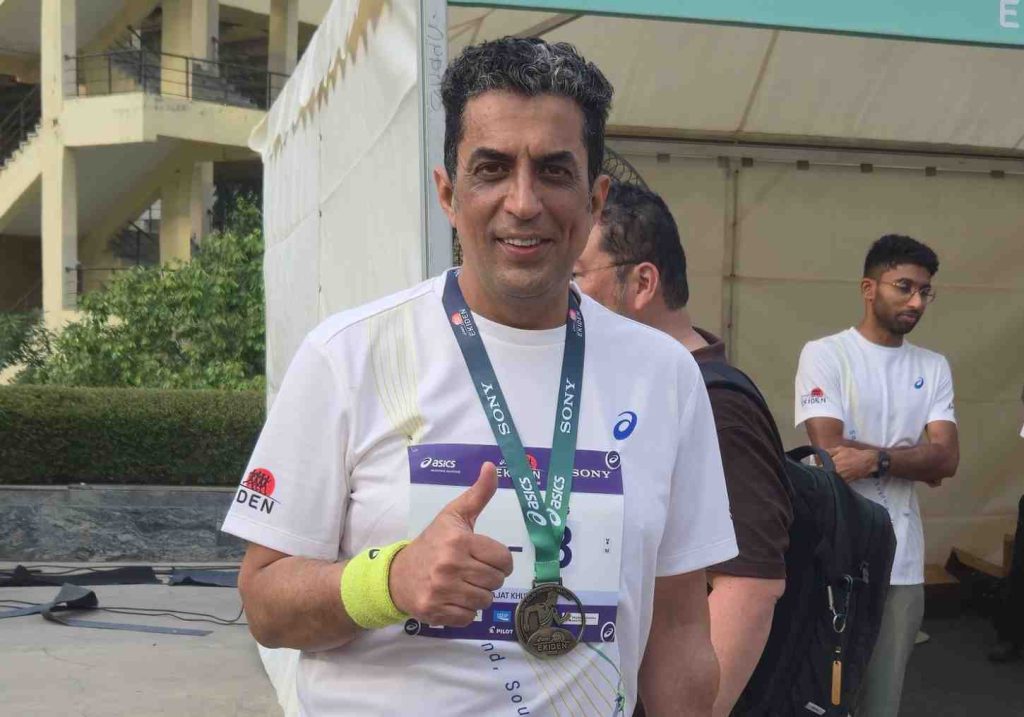
“ONO san said, ‘ How about Ekiden? ‘ and this idea was cultivated. I thank ONO san for bringing this beautiful idea, and we will take it forward starting this year,” Rajat added.
While introducing Yasuhito Hirota, he said he was on an express visit to India and had come all the way from Japan for this event only.
“This (his presence) makes this event more meaningful for us. Since you joined, you have not only strengthened the brand but also inspired teams worldwide. And this Ekiden is the perfect example of that,” he added.
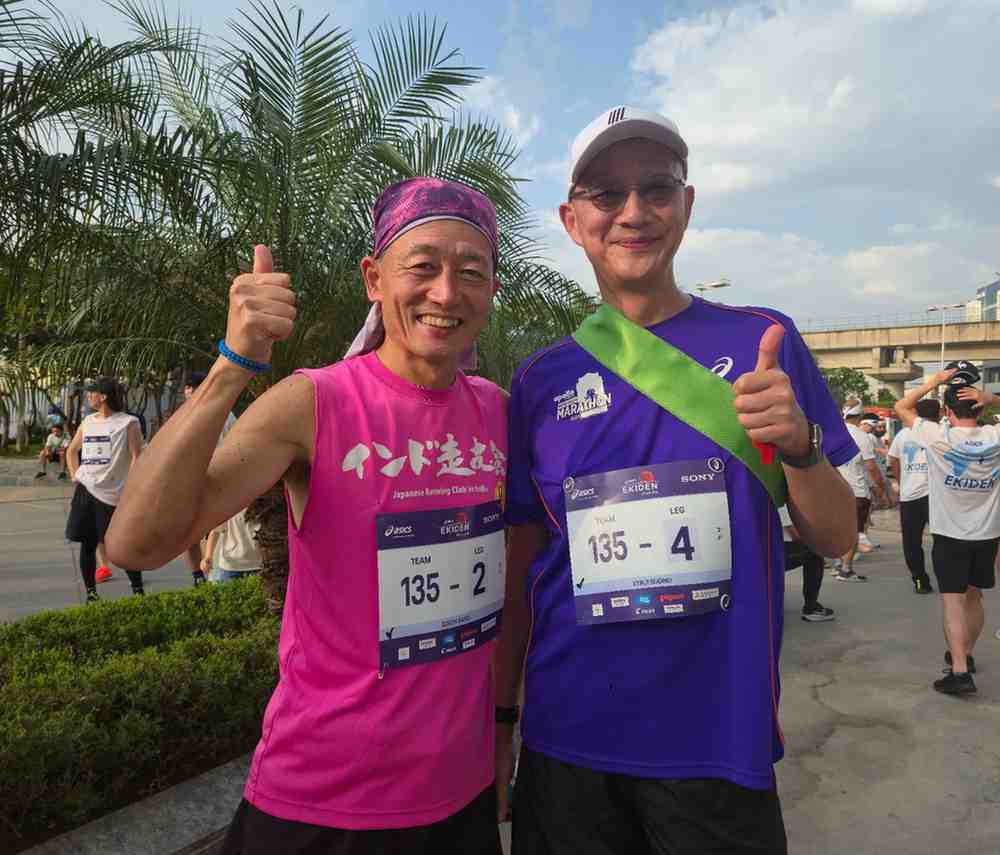
In his formal quote, Rajat Khurana stated, “Running has seen strong growth in India over the past few years, with increasing participation across races, running groups and fitness initiatives. Through the ASICS Ekiden India 2026, we brought the Japanese team relay format to the country, offering runners a new way to experience the sport through teamwork and shared goals. We are extremely encouraged by the enthusiasm and participation we witnessed at the event and look forward to bringing more such initiatives in the future.”
ASICS athlete Dr Kartik Karkera said, “Having competed on some of India’s biggest marathon stages, I know how much the right environment and community can fuel a runner’s journey. ASICS India Ekiden 2026 has created a space where teamwork, discipline and the joy of running come together. I am very excited to see runners across cultures connect through the sport and hope it inspires many more people to experience the transformative power of running.”
The ASICS Ekiden Relay marks another step in ASICS’ ongoing efforts to strengthen the running ecosystem in India by introducing global running formats and encouraging wider participation. The initiative reflects the brand’s commitment to inspiring more people to experience the positive impact of movement and to embody its philosophy of ‘Sound Mind, Sound Body’.
INFO BOX 1. What is Japan’s Iconic Ekiden Long-Distance Relay Race
Japan’s iconic Ekiden is a long-distance relay race in which runners compete in stages and pass a tasuki (a sash) from one runner to the next, rather than a baton. It is one of Japan’s most distinctive running traditions.
The best-known example is the Hakone Ekiden, one of Japan’s most famous New Year sporting events. It is held every year on January 2 and 3, with university teams racing between Tokyo and Hakone over 10 sections totalling about 217.1 km.
What makes ekiden special is that it is not just about individual speed. Teams plan strategy by choosing which runner is best suited for each section, and the passing of the sash gives the race a strong sense of teamwork, endurance, and tradition.
INFO BOX 2. Here’s why Hakone Ekiden is so important in Japanese culture:
- It is a New Year tradition.
The Hakone Ekiden is held every year on January 2 and 3, and the official organisers describe it as a tradition of Japan’s New Year season. For many families, watching it is part of the holiday routine. - It represents teamwork more than individual glory.
Unlike a normal race, an ekiden is a relay. Each runner passes a tasuki sash to the next runner, and that handoff symbolises trust, continuity, and carrying the team’s effort forward. - It is one of Japan’s biggest sports events.
Hakone Ekiden is widely regarded as one of Japan’s most popular annual sporting events. World Athletics reported huge TV audiences, showing how deeply it connects with the public. - University pride is at the heart of it.
The race features university teams from the Kanto region, so fans strongly support their schools. That gives the event the emotional feel of both elite sport and a major student tradition. - Strategy and endurance make it dramatic.
The race covers about 217 km over 10 sections between Tokyo and Hakone, so success depends on careful planning, not just speed. Teams choose runners for each section based on terrain, distance, and each athlete’s strengths. - It reflects a specifically Japanese sporting tradition.
Ekiden is not just a race format; it is a long-standing Japanese road relay with roots dating back more than a century. That history makes it feel both cultural and athletic.