TOPIK Goes Digital in India: A Journey of Growth, Innovation, and Digital Transformation
From launching online registration to conducting India’s first internet-based TOPIK demonstration examination on July 25, the Korean Education Centre (KEC) is modernising language assessment and expanding opportunities for Indian learners.

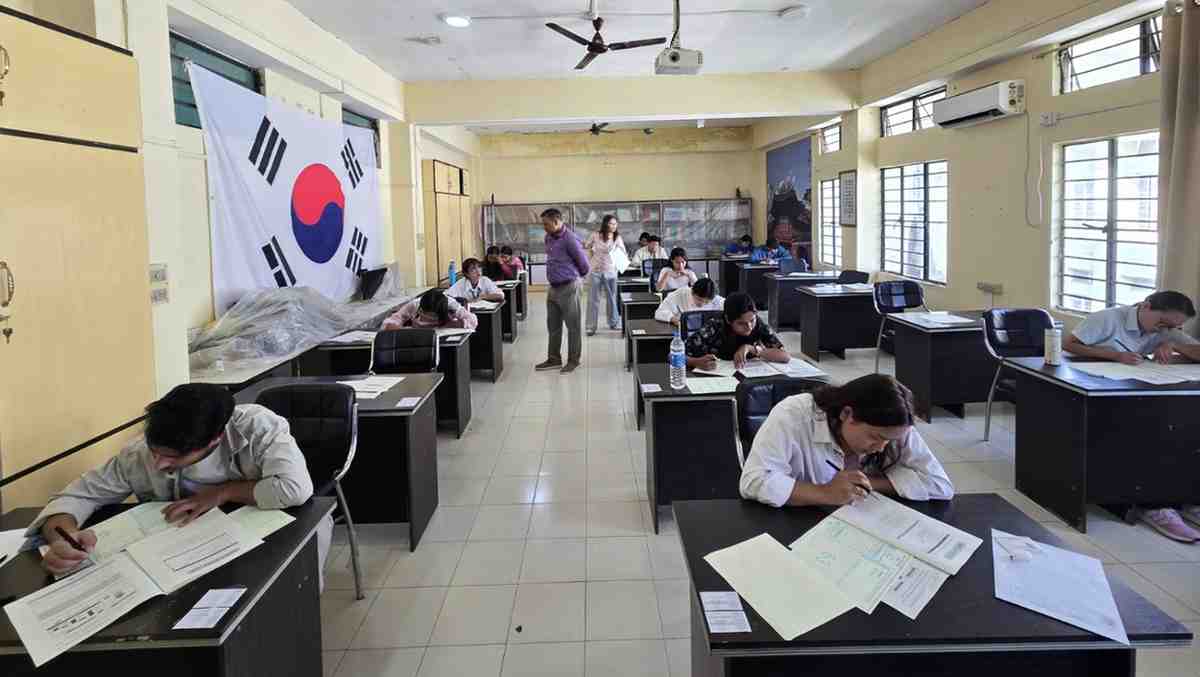
New Delhi, India: The growing popularity of Korean culture, education, business, and technology has led to an unprecedented rise in the number of Indians learning Korean. As interest in Korea continues to expand, demand for the Test of Proficiency in Korean (TOPIK)—the official Korean language proficiency examination administered by the National Institute for International Education (NIIED) of the Republic of Korea—has grown steadily nationwide.
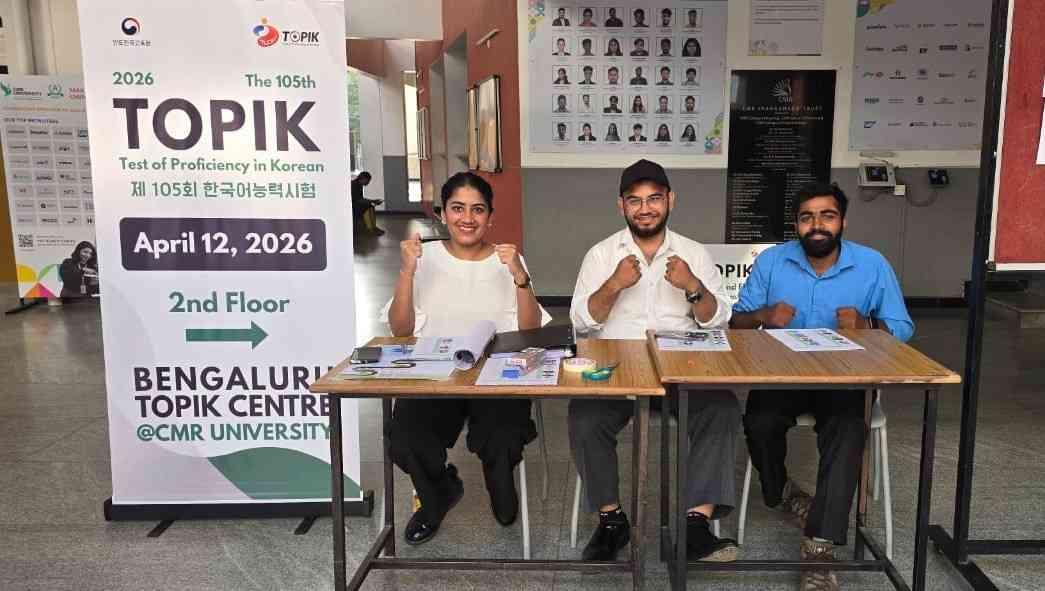
For thousands of students each year, TOPIK is more than just a language examination. It serves as an important gateway to higher education, scholarships, employment opportunities, and cultural exchange with the Republic of Korea. Over the years, the examination has become an integral part of the Korean language education ecosystem in India.
Today, TOPIK is conducted at five examination locations across India: Delhi, Bengaluru, Manipur, Chennai, and Pune. The examination is jointly administered by different Korean government institutions in India. The Korean Education Centre (KEC), Embassy of the Republic of Korea, administers the examination in Delhi, Bengaluru, and Imphal, while the Consulate General of the Republic of Korea in Chennai administers the examination in Chennai, and the Consulate General of the Republic of Korea in Mumbai administers the examination in Pune.
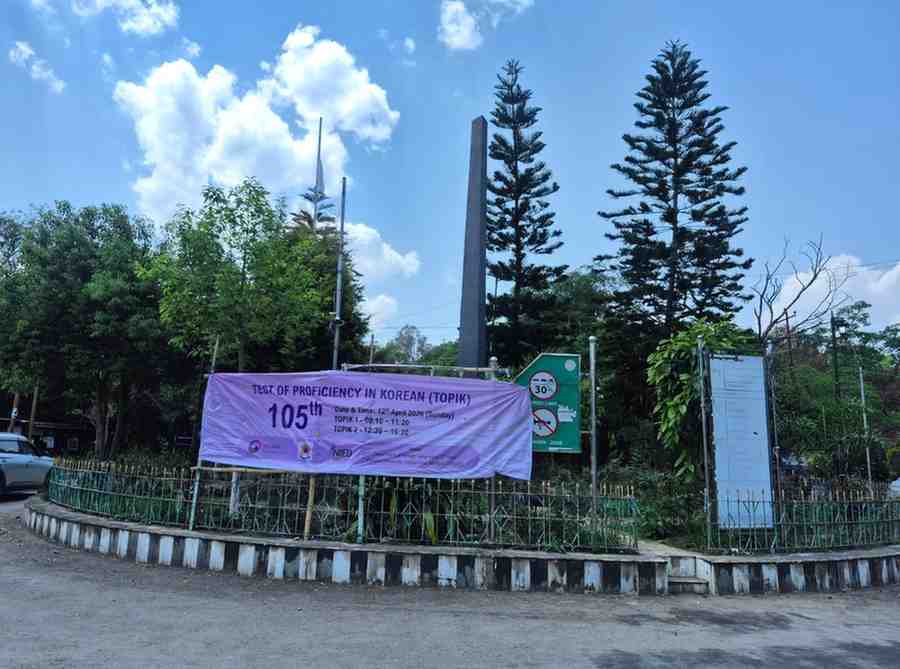
TOPIK is conducted five times annually in India across the five examination locations. Depending on the examination schedule issued by NIIED, each location may host a different TOPIK session, such as the 105th, 106th, 107th, 108th, or 109th TOPIK.
Among the institutions contributing to the growth of TOPIK in India, the Korean Education Centre has played an increasingly important role in strengthening examination administration and introducing new initiatives to improve the candidate experience.
 A significant milestone was reached with the 102nd TOPIK, when the responsibility for administering TOPIK at the KEC examination centres was officially transferred from the Korean Cultural Centre India (KCCI)to the Korean Education Centre (KEC), Embassy of the Republic of Korea.
The transition involved far more than a simple administrative handover. It required establishing a comprehensive examination management system that covered candidate registration, examination planning, communication with applicants, venue preparation, coordination with NIIED, logistics, examination security, and post-examination administration. Every stage of the examination process was carefully reorganized to ensure greater efficiency while maintaining the international standards required for TOPIK.
As the number of applicants continued to increase every year, KEC recognized the need to modernize the registration process. Traditionally, candidate registration involved several manual procedures, requiring considerable administrative effort from both applicants and the examination office. To improve efficiency and enhance the candidate experience, KEC developed its own Online TOPIK Registration System.
The online registration system was introduced for candidates applying for the Delhi examination centre, making KEC one of the first TOPIK administering institutions in India to adopt a fully integrated digital registration platform for its applicants.
The system introduced several important features to simplify the registration process, including online application submission, a secure candidate login dashboard, QR code-based payment, real-time application status tracking, automated notifications, and online admit card download.
 The implementation of the online registration system significantly reduced paperwork, minimized manual processing, improved transparency, and enhanced communication with applicants. Candidates could now complete almost every stage of the registration process through a single online platform, making the entire application process faster, simpler, and more convenient.
Following the successful introduction of the online registration system, KEC successfully organized the 105th TOPIK at its designated examination centres.
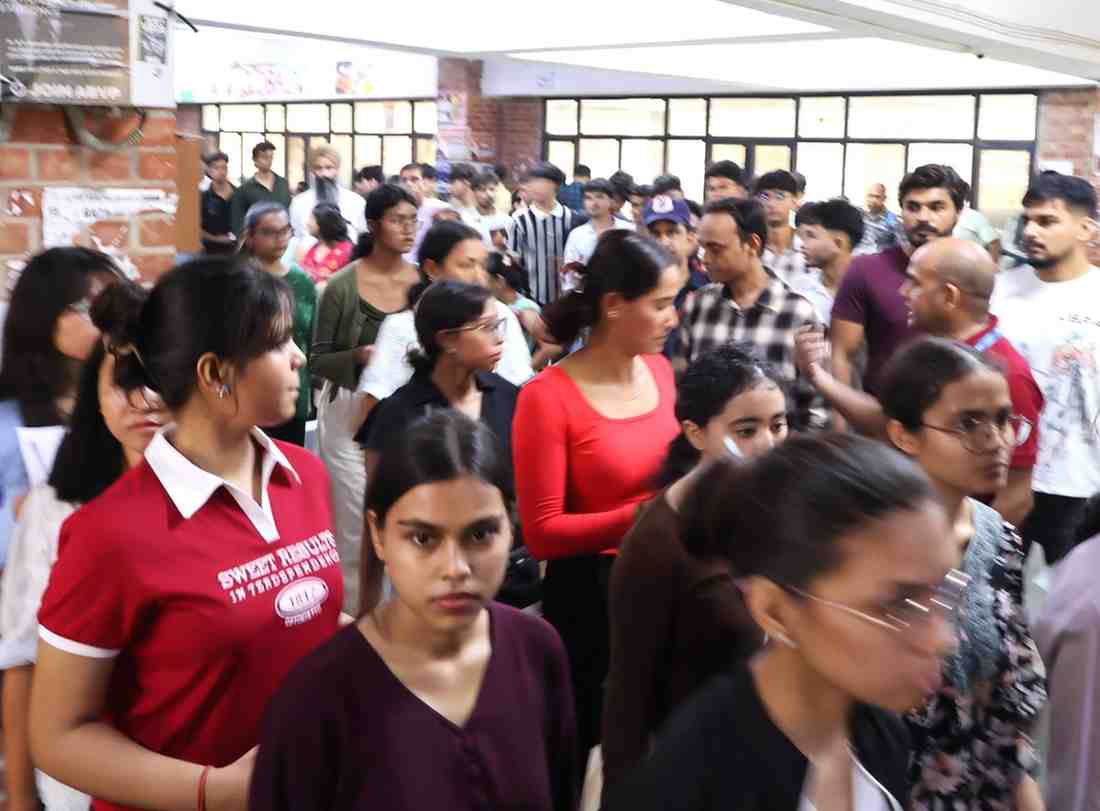
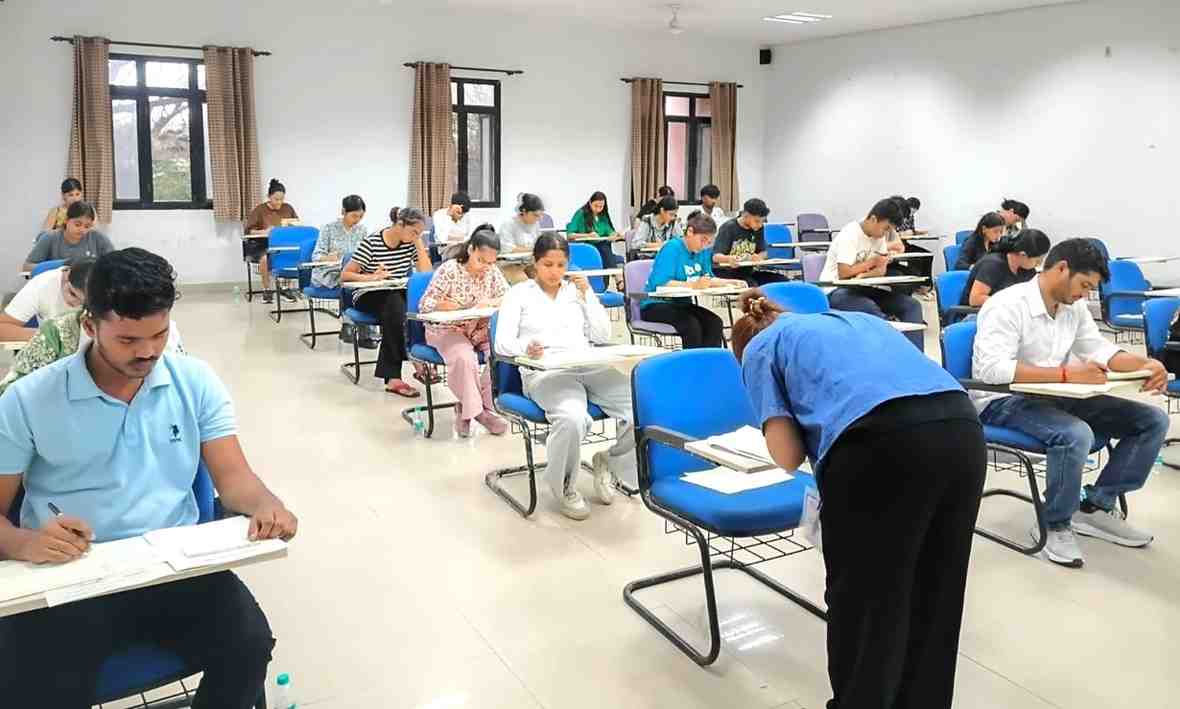
The 105th TOPIK, conducted on 4 April, recorded 1008 applicants across the KEC-administered examination centres. Candidates appeared for both TOPIK I and TOPIK II, representing universities, schools, Korean language institutes, working professionals, and individuals aspiring to pursue higher education and employment opportunities in the Republic of Korea.
Building on experience gained from previous examinations, KEC continued to strengthen its examination management practices during the 107th TOPIK on 7 July. The examination recorded 970 applicants across 2 examination centres administered by KEC.
With every examination cycle, improvements were introduced in candidate communication, document verification, registration management, examination logistics, venue operations, security procedures, volunteer coordination, and overall administrative efficiency. Each successful examination further strengthened the confidence of Korean language learners and demonstrated KEC’s commitment to providing a smooth, transparent, and internationally standardized examination experience.
While these achievements represented important milestones, one of KEC’s most ambitious initiatives was the preparation for the introduction of the Internet-Based Test (IBT) in India.
As TOPIK gradually transitions to digital examination formats worldwide, KEC has begun extensive preparations to introduce the Internet-Based Test in India. Unlike the conventional Paper-Based Test (PBT), the IBT required an entirely new examination environment supported by modern digital infrastructure and advanced technical systems.
Preparations extended over several months and involved close coordination with the National Institute for International Education (NIIED), technical experts from the Republic of Korea, Indian partners, and various supporting organizations. Multiple online meetings, technical trainings, software installation sessions, system verification exercises, infrastructure inspections, and operational training programmes were conducted to ensure that every aspect of the examination met international standards.
On 25 July 2026, the Korean Education Centre successfully conducted India’s TOPIK Internet-Based Test (IBT) Demonstration Examination, marking a historic milestone in the modernization of Korean language assessment in the country. The demonstration examination was conducted simultaneously at the Delhi, Bengaluru, and Imphal examination centres administered by KEC.
Unlike a traditional paper-based examination, the IBT required the establishment of a comprehensive digital examination ecosystem. Preparations included computer-based examination stations, high-speed internet connectivity, UPS backup systems, specialized headphones, broadcasting facilities, technical monitoring teams, software installation, examination security measures, and extensive pre-examination testing.
The IBT Demonstration Examination provided valuable experience in operating a computer-based language proficiency test and offered important insights for future Internet-Based TOPIK examinations in India. The knowledge and experience gained through this initiative will help further strengthen the country’s readiness for the successful implementation of IBT in the years ahead.
The successful completion of the IBT Demonstration Examination demonstrated that India possesses the technical capability and administrative expertise required to conduct future digital TOPIK examinations in accordance with international standards established by NIIED.
Building on the knowledge and experience gained from the demonstration examination, KEC is now preparing for the 109th TOPIK, which is expected to be another important milestone in India’s ongoing journey toward modern, technology-driven Korean language assessment.
From assuming responsibility beginning with the 102nd TOPIK, introducing the Online TOPIK Registration System for Delhi, successfully administering the 105thand 107th TOPIK, conducting India’s first TOPIK IBT Demonstration Examination, and preparing for the 109th TOPIK, KEC has continuously worked to improve accessibility, efficiency, transparency, and examination quality for Korean language learners.
The journey of TOPIK in India reflects not only the growing interest in the Korean language but also the strengthening educational partnership between India and the Republic of Korea. Every examination reflects the aspirations of thousands of learners who see Korean-language proficiency as a pathway to academic excellence, professional growth, and deeper cultural understanding.
As Korean language education continues to expand across India, KEC remains committed to supporting Korean language learners through continuous innovation, improved examination systems, digital transformation, and close cooperation with NIIED and its partner institutions. With future Paper-Based and Internet-Based TOPIK examinations on the horizon, the story of TOPIK in India continues to evolve—creating new opportunities and strengthening educational ties between the two nations.