
MOSAI Onboards ACN to Deepen Understanding of Japan in India
Collaboration will bring to the fore MOSAI’s initiatives and KIJS Forum research on centuries-old but lesser-known India-Japan connections, introducing Japanese-language education and cultural initiatives to wider audiences through journalism, interviews, visual storytelling and joint outreach.

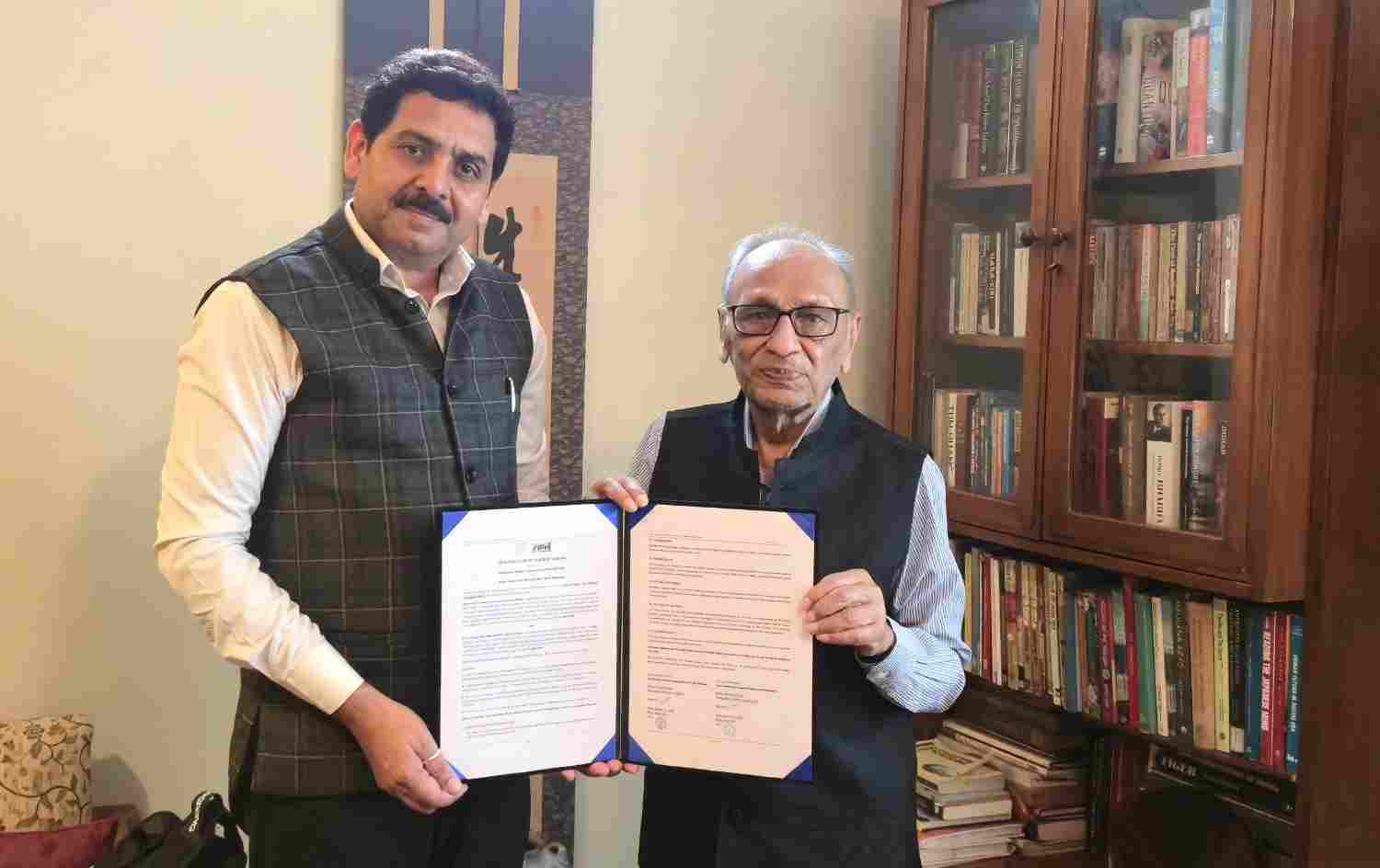
New Delhi: Mombusho Scholars Association of India, or MOSAI, has onboarded Asian Community News (ACN) Network as its media partner to strengthen India-Japan people-to-people ties by creating wider public awareness about higher-education opportunities in Japan and Japanese-language programmes in India.
The collaboration will also seek to promote greater awareness of India’s multicultural and shared historical and cultural bonds with Japan through MOSAI’s research wing, the Kizuna India-Japan Study Forum (KIJS Forum).
 MOSAI President Dr Ashok Jain and ACN Network Editor-in-Chief and CEO Sanjeev K. Ahuja signed a Memorandum of Understanding (MoU) in New Delhi recently, establishing a year-long collaborative framework between the two organisations.
The partnership will focus on enhancing the visibility of MOSAI and disseminating the studies and research outcomes of its Kizuna India-Japan Study Forum, or KIJS Forum on centuries-old but lesser-known India-Japan connections. It will also strengthen public engagement with developments in Japanese-language education, academic research, literature, culture and the broader India–Japan relationship.
The collaboration acquires additional importance ahead of the 75th anniversary of India–Japan diplomatic relations in 2027. MOSAI and ACN plan to engage educational institutions, scholars, businesses and other India–Japan stakeholders through content campaigns and jointly developed programmes marking the milestone.
By combining MOSAI’s academic experience and networks with ACN’s journalistic reach and multimedia capabilities, the partnership aims to strengthen public understanding of Japan in India and create a more informed foundation for the next phase of India–Japan relations.
Under the arrangement, ACN Network will provide regular journalistic coverage of MOSAI and KIJS Forum activities, conduct interviews with Indian and Japanese scholars and create accessible narratives from academic and research material.
Research outcomes would also be presented through illustrated narratives, comic strips, short documentaries and other digital formats to help them reach audiences beyond the academic community.
ACN will cover MOSAI’s Japanese Language Speech Contest, lectures, seminars and other academic and cultural initiatives. Selected contest winners and contributors may also receive opportunities to publish their work in the monthly ACN Magazine.
A regular space in ACN’s online and print magazine will highlight KIJS Forum initiatives, scholarly articles, interviews and India–Japan narratives. The collaboration will also support newsletters, digital campaigns and selected initiatives such as small research projects and academic travel to Japan.
Explaining why MOSAI onboarded Asian Community News Network as its media partner, MOSAI President Dr Ashok Jain said the organisation’s fundamental objective was to build bridges between India and Japan. These bridges, however, could no longer be viewed as merely bilateral because India–Japan cooperation was becoming part of a much wider network of relationships across Asia.
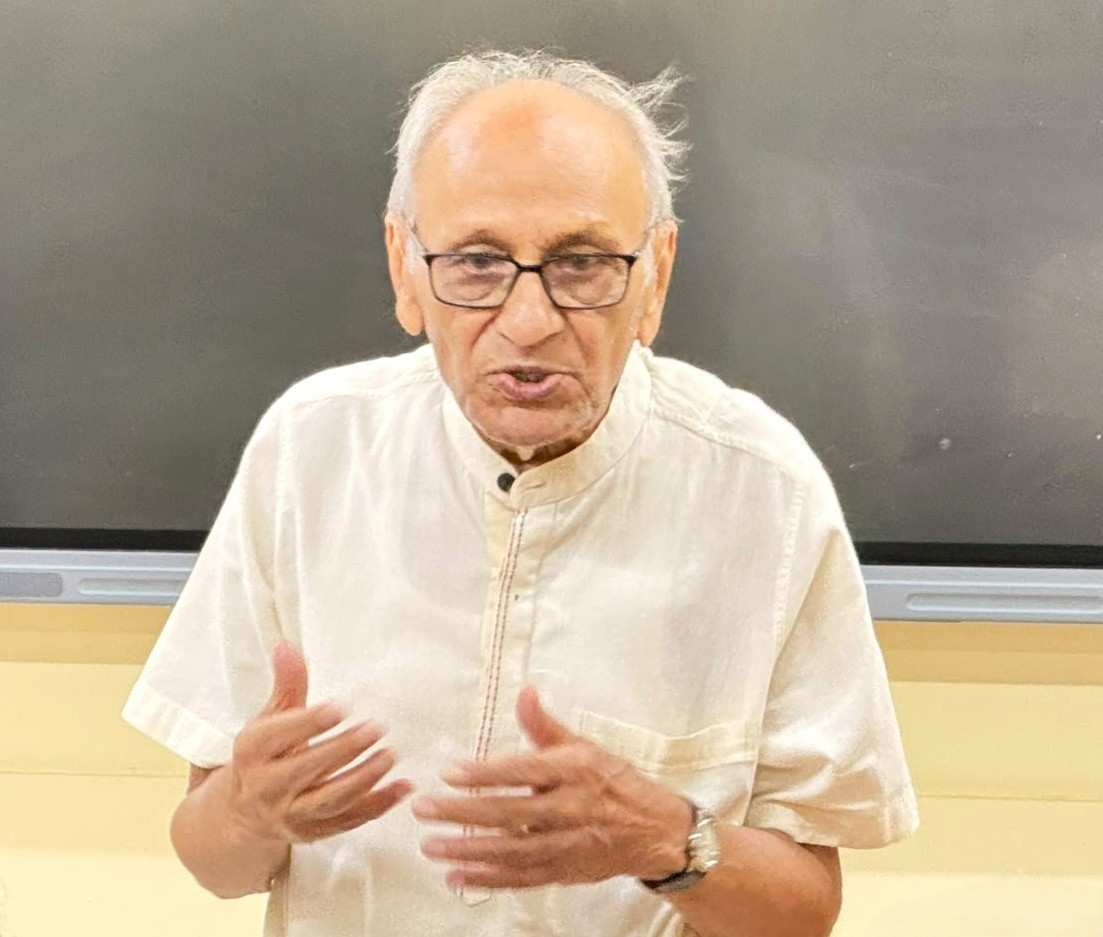
According to Dr Jain, the focus of global economic and strategic activity was gradually shifting from the Atlantic to the Pacific. The India–Japan partnership was also becoming more closely connected with South Korea, Taiwan, Indonesia and other ASEAN countries.
He said this larger transformation was currently understood primarily within political and policymaking circles and needed to be communicated to businesses, academics, Japanese-language learners, young people and the wider public.
“ACN is a communication network that connects ordinary people, corporates, scholars and communities across India, Japan, Korea, Taiwan and other East Asian countries. For MOSAI, it is therefore an ideal partner for taking this larger message to a wider audience,” Dr Jain said.
He added that the partnership would communicate the growing importance of the Asia-Pacific through news stories, interviews, visual narratives and comic strips. MOSAI and ACN would proceed patiently and systematically, improving their initiatives through feedback from readers and their respective digital communities.
“The future belongs to Asia, and we can already see the centre of economic activity shifting towards the region,” Dr Jain said. “The larger challenge is to restore the important position that Asia occupied in the world until around the 16th century.”
He described the partnership as a long-term initiative aimed at strengthening public understanding of India–Japan relations within the wider Asian context rather than treating the relationship in isolation.
Dr Jain said the media partnership could help create a common platform on which academics, businesses and other India–Japan stakeholders could discuss these gaps and develop possible solutions.
“ACN is one platform where at least the corporate sector looks at what is happening elsewhere. Otherwise, there is not even a common platform where this kind of dialogue can take place,” he said.
 Through its specialised coverage of India’s engagement with Japan and other East Asian countries, ACN will help translate academic discussions into accessible public narratives and bring them before companies, educational institutions, policymakers, students and community organisations.
The platform will also help MOSAI reach younger audiences whose initial interest in Japan may have emerged through manga, anime, cinema or popular culture.
Dr Jain welcomed this interest but said it should be developed into a more sustained engagement with Japanese language, literature, society and scholarship.
“Manga and anime can provide the first attraction, but that attraction requires a deeper commitment to Japan, the Japanese language and scholarship,” he said.
The MOSAI–ACN collaboration will therefore seek to connect popular interest with serious learning, academic research and long-term institution-building.