
KOINDEX 2026 Fires Up Indian Startup Interest in Korean Beauty, Food and Construction Technologies
Indian entrepreneurs explored opportunities beyond imports—from private-label cosmetics and locally adapted foods to co-manufacturing, smart-building solutions and technology partnerships.

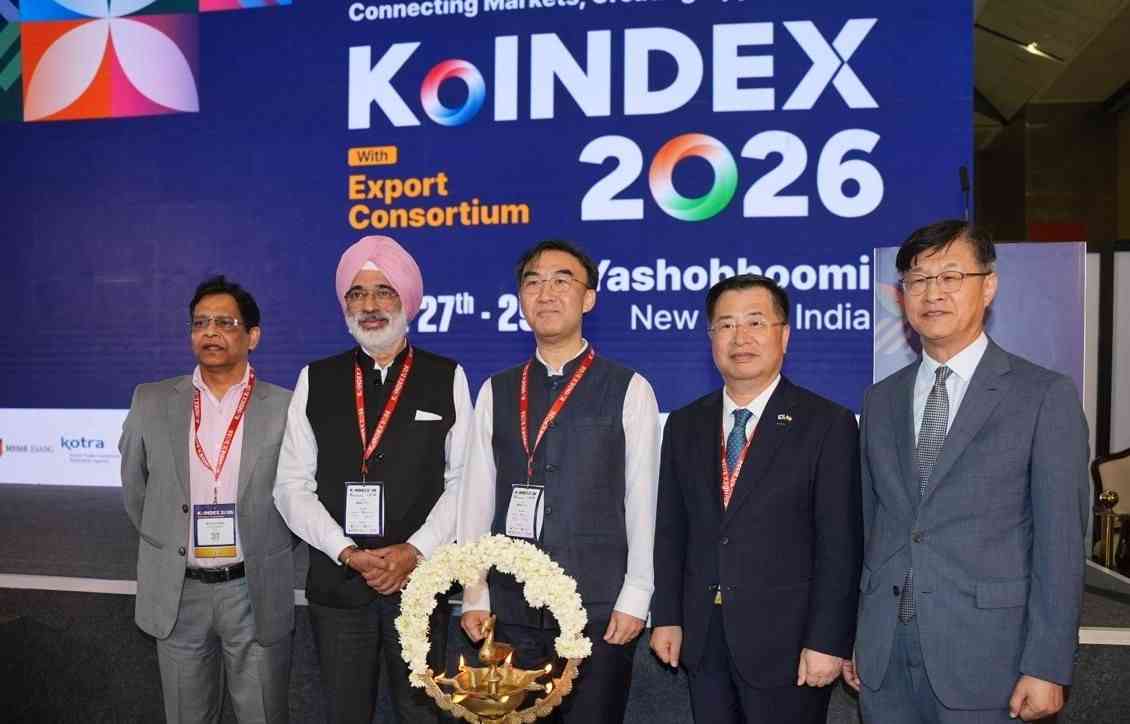
Held from August 27 to 29 at Yashobhoomi in New Delhi, the three-day Korea Industry Expo brought together around 80 Korean manufacturers and exporters across 106 booths. Much of the energy on the exhibition floor, however, came from Indian visitors who were not merely looking to purchase finished products. Many explored distributorships, private-label manufacturing, technology licensing, local production and joint market-development opportunities.
 This entrepreneurial interest marked an important shift in the India–Korea business conversation. Korean companies have traditionally viewed India through the lens of large corporate investments, particularly in automobiles, electronics and heavy industry. At KOINDEX, it was India’s new generation of founders, digital-first businesses, specialised distributors and small enterprises that appeared eager to build the next layer of bilateral commerce.
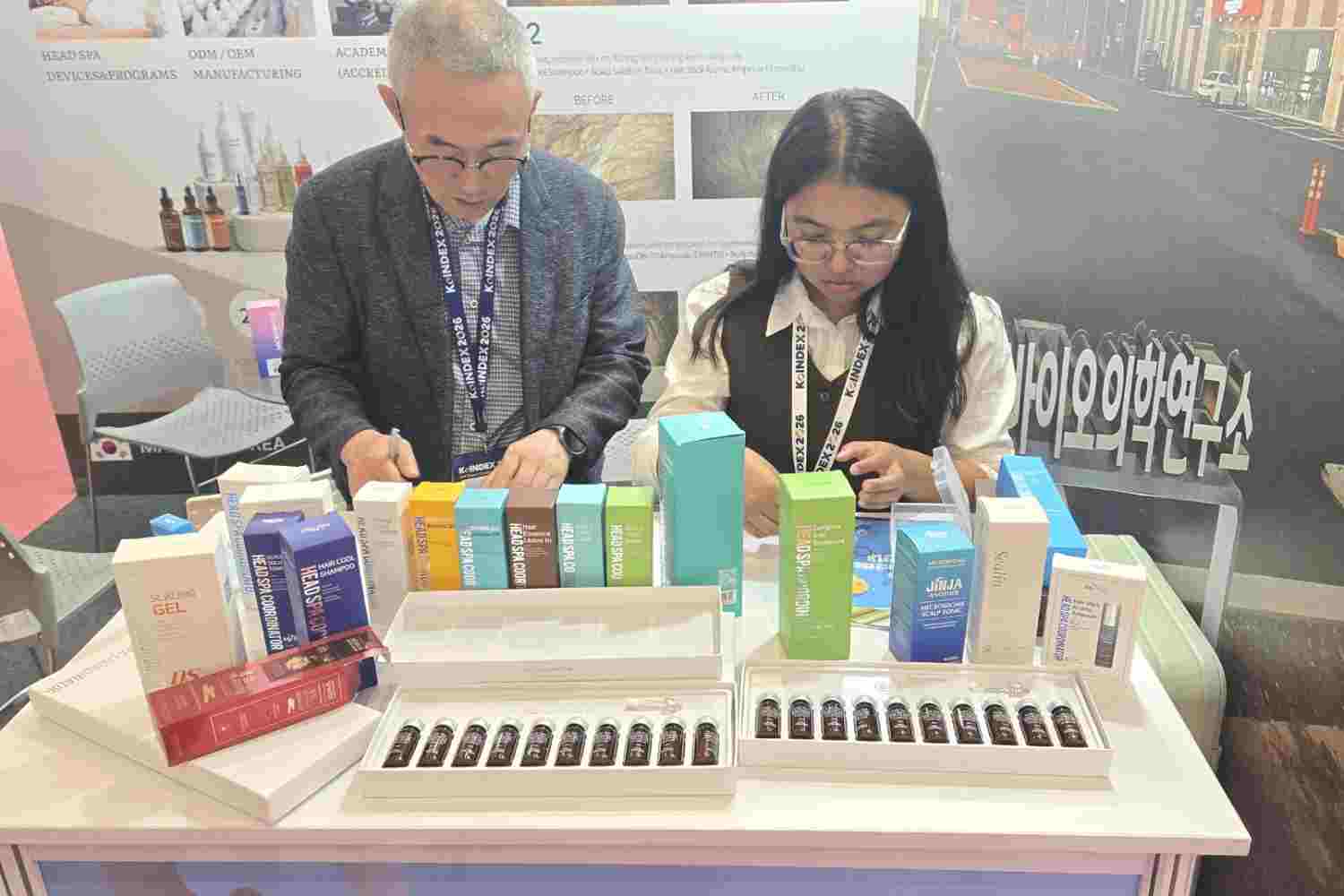
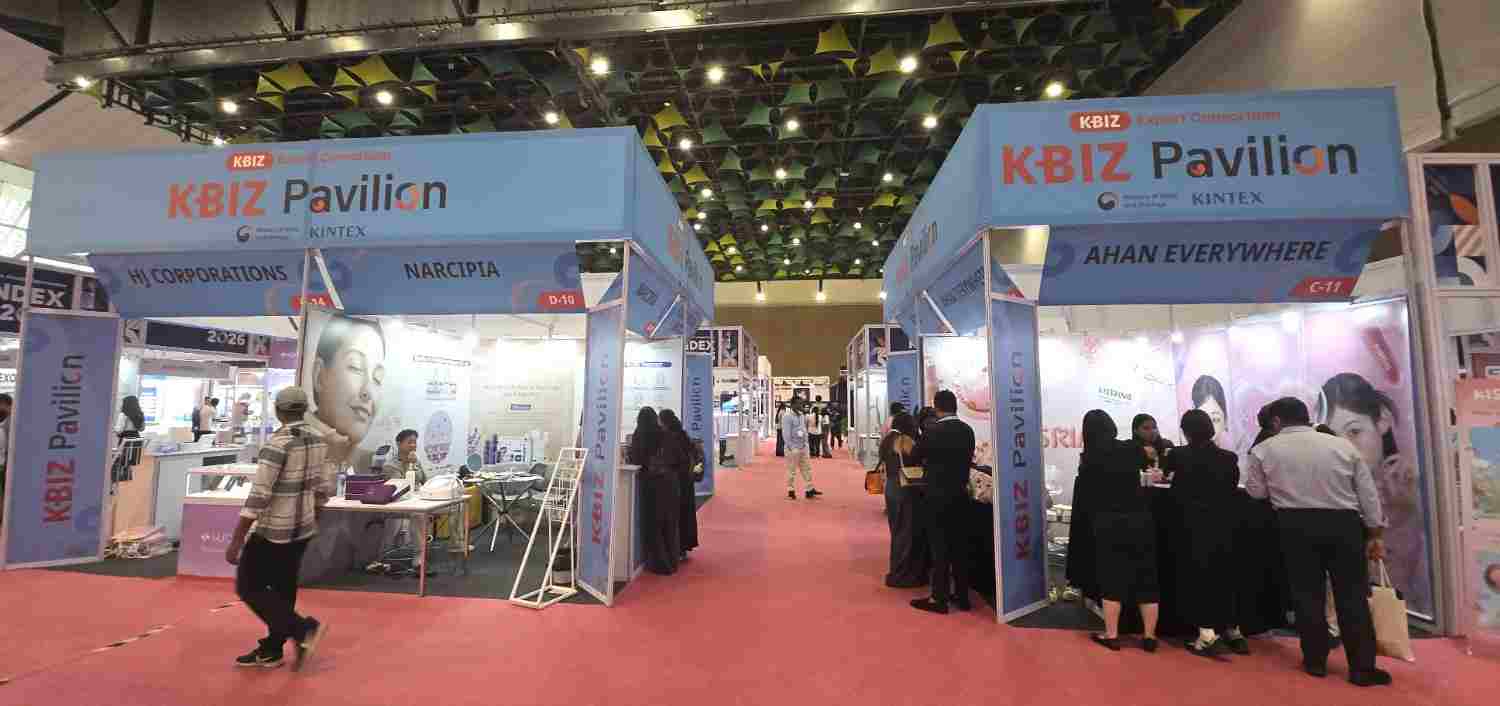
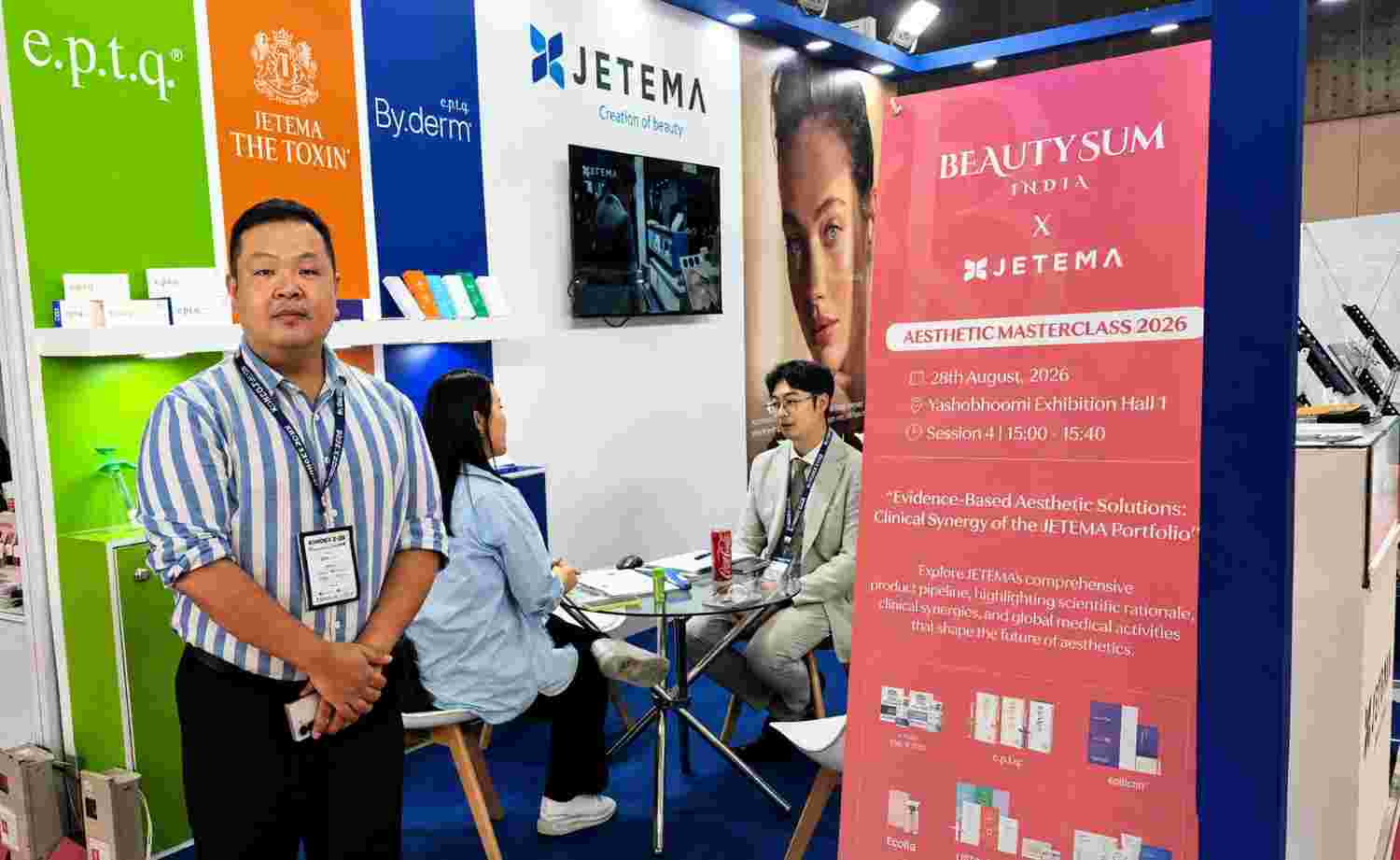
The strongest excitement was visible in the K-beauty section, where skincare formulations, functional cosmetics, beauty devices, haircare products, ingredients and packaging solutions attracted prospective importers as well as Indian founders considering launching their own beauty brands.
For these entrepreneurs, the opportunity was not limited to placing another Korean label on Indian shelves. Conversations increasingly revolved around developing products suited to Indian skin types, climatic conditions and price sensitivities. Private-label production, ingredient sourcing, product customisation and technology transfer could allow Indian startups to combine Korean expertise with local branding, consumer knowledge and digital distribution.
 India’s beauty market is being reshaped by online marketplaces, direct-to-consumer brands, social-media-led discovery and consumers willing to experiment with specialised skincare. That makes Korean companies—with their strengths in formulation, product innovation and packaging—attractive partners for Indian founders seeking differentiation in an increasingly competitive market.
Localising Korean Food for India: A similar pattern unfolded at FoodIndx. Korean beverages, processed and fermented foods, health-oriented products, and food-processing and packaging technologies generated interest among distributors, hospitality professionals and entrepreneurs looking for new consumer categories.
The larger opportunity may lie in adaptation rather than direct replication. Korean flavours have gained visibility in India through popular culture, travel and the growing reach of Korean restaurants. Turning that curiosity into sustained consumption will require products aligned with Indian tastes, dietary preferences, affordability and retail formats.
 This gives Indian businesses an opportunity to become localisation partners rather than simply importers. Startups can develop vegetarian variants, India-specific flavour profiles and smaller packages suitable for supermarkets, convenience stores, online marketplaces and quick-commerce platforms.
Food-processing and packaging equipment displayed at KOINDEX also opened possibilities for Indian manufacturers interested in producing Korean-inspired foods locally. Such partnerships could reduce import costs while allowing Korean companies to reach a much broader Indian consumer base.
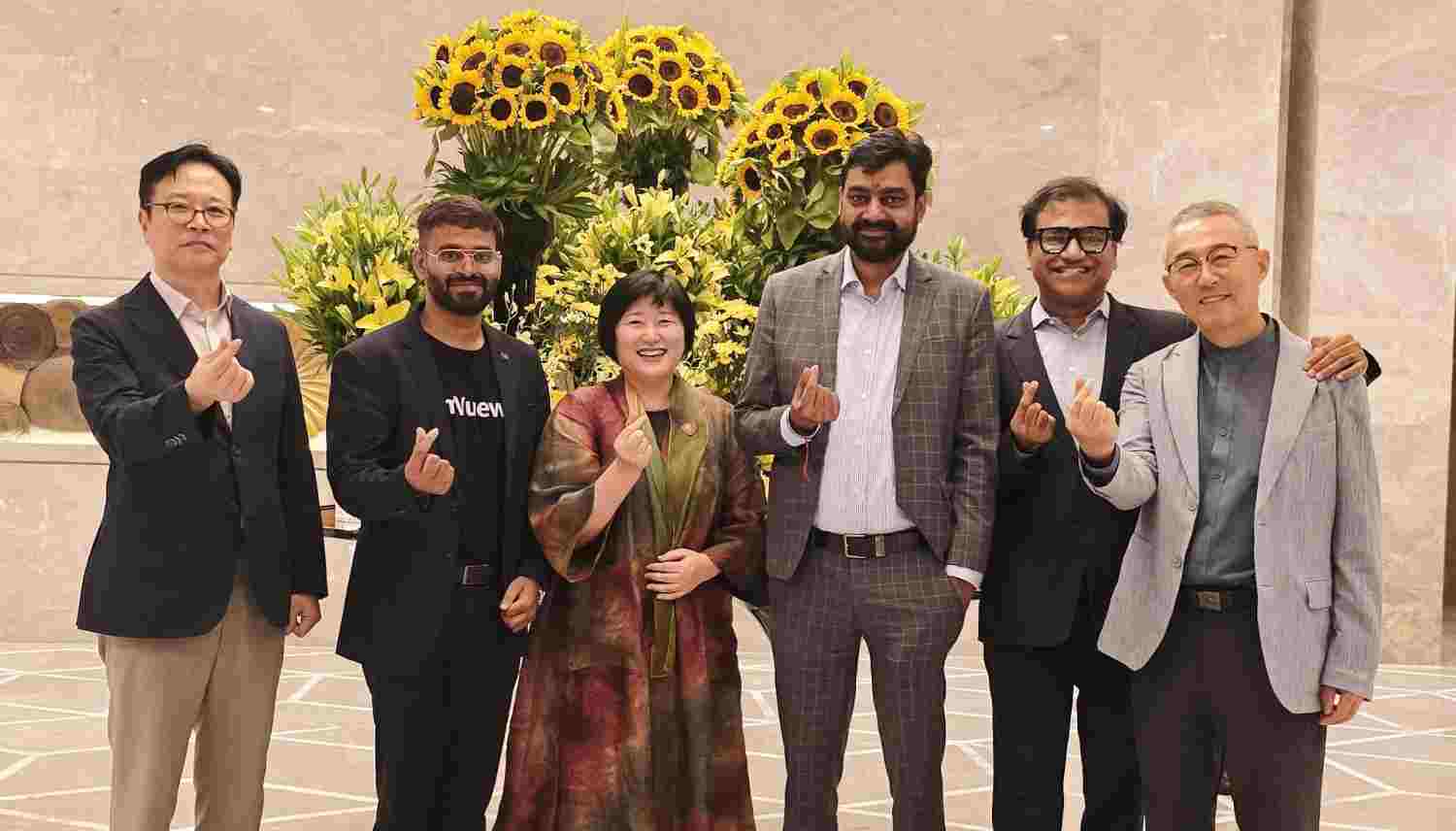 Construction Technology Finds New Partners: Construction technology presented a different but equally significant entrepreneurial opportunity. KOREA BUILD in India featured building materials, construction equipment, building services, and fire and disaster-safety solutions.
Interest in this segment came not only from major project owners and engineering, procurement and construction companies, but also from younger enterprises working in smart buildings, sustainable materials, modular construction, energy efficiency and safety systems.
These Indian companies could become technology integrators, installation partners, service providers or local manufacturing collaborators for Korean solution providers. Such partnerships are particularly relevant as India expands its urban infrastructure, industrial parks, commercial real estate, data centres and advanced manufacturing facilities.
 While Korean businesses bring specialised technologies, Indian partners offer local project knowledge, regulatory familiarity, service networks and the ability to adapt solutions to different operating environments.
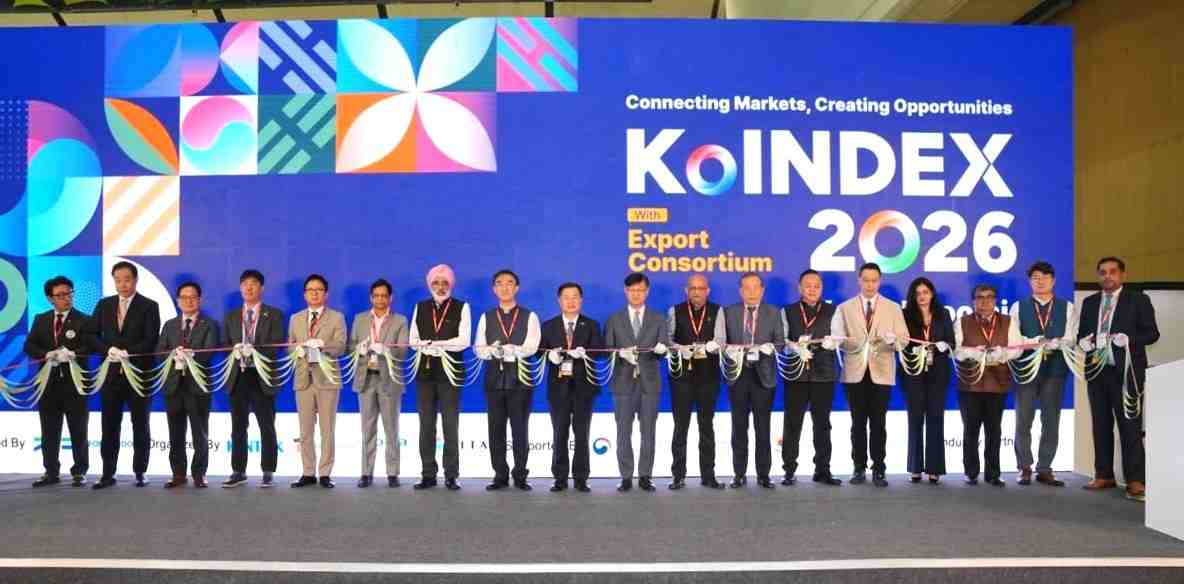
From Trade to Co-Innovation: The need to take this engagement beyond conventional buyer-seller relationships was also emphasised at the KOINDEX Opening Ceremony and Korea–India Economic and Trade Cooperation Forum.
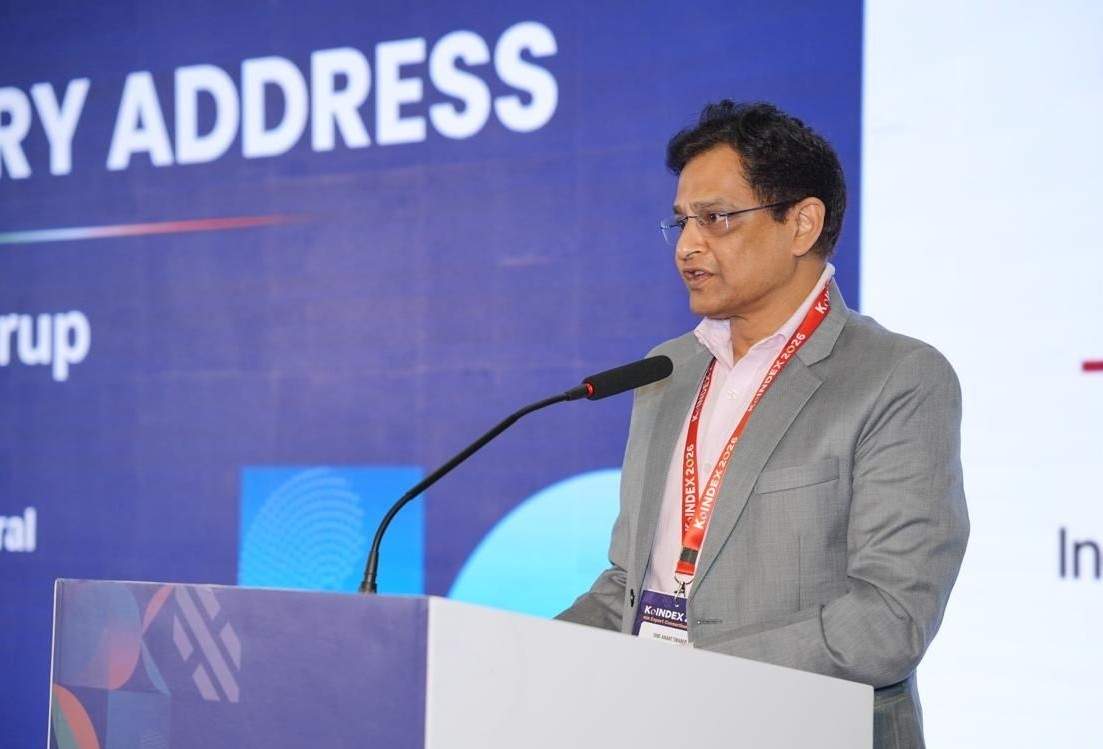
Speaking on the theme, “Enhancing the Korea–India CEPA and Expanding Economic Cooperation,” FICCI Secretary General Anant Swarup said the potential of India–Korea trade and investment was significantly greater than what current levels reflected.
He identified food processing, personal care and construction technology as promising sectors in which Korea’s technological and innovation capabilities could be combined with India’s scale and rapidly evolving consumer demand.
 Swarup also pointed to opportunities in advanced manufacturing, electronics, digital technologies, green growth and resilient supply chains. Greater visibility for companies in each other’s markets, stronger business-to-business trust and closer regulatory cooperation, he said, would be critical to unlocking this potential.
Importantly, he argued that the next phase of economic cooperation should move towards co-manufacturing, co-innovation and deeper collaboration among enterprises of all sizes.
This message resonated with what was visible across the exhibition floor. Indian entrepreneurs were not approaching Korean companies merely as potential buyers. Many were considering how Korean products and technologies could be adapted, manufactured, marketed and serviced in India.
FICCI partnered with KINTEX, KOTRA and KITA to bring businesses from the two countries together for practical discussions and potential collaborations.
Regulation Remains Crucial: Regulatory compliance remained central to these conversations. A seminar conducted by the Korea Testing Laboratory on Bureau of Indian Standards certification highlighted the practical requirements confronting foreign products entering India.
For entrepreneurs, the session underscored that a promising product alone is insufficient. Successful market entry also requires certification, suitable pricing, localisation, dependable after-sales service and a clear distribution strategy.
The inaugural KOINDEX in 2024 generated 5,993 business meetings and approximately $417 million in consultation value. Beauty, food and construction together accounted for about $263 million, explaining why the second edition concentrated on these three commercially responsive sectors.
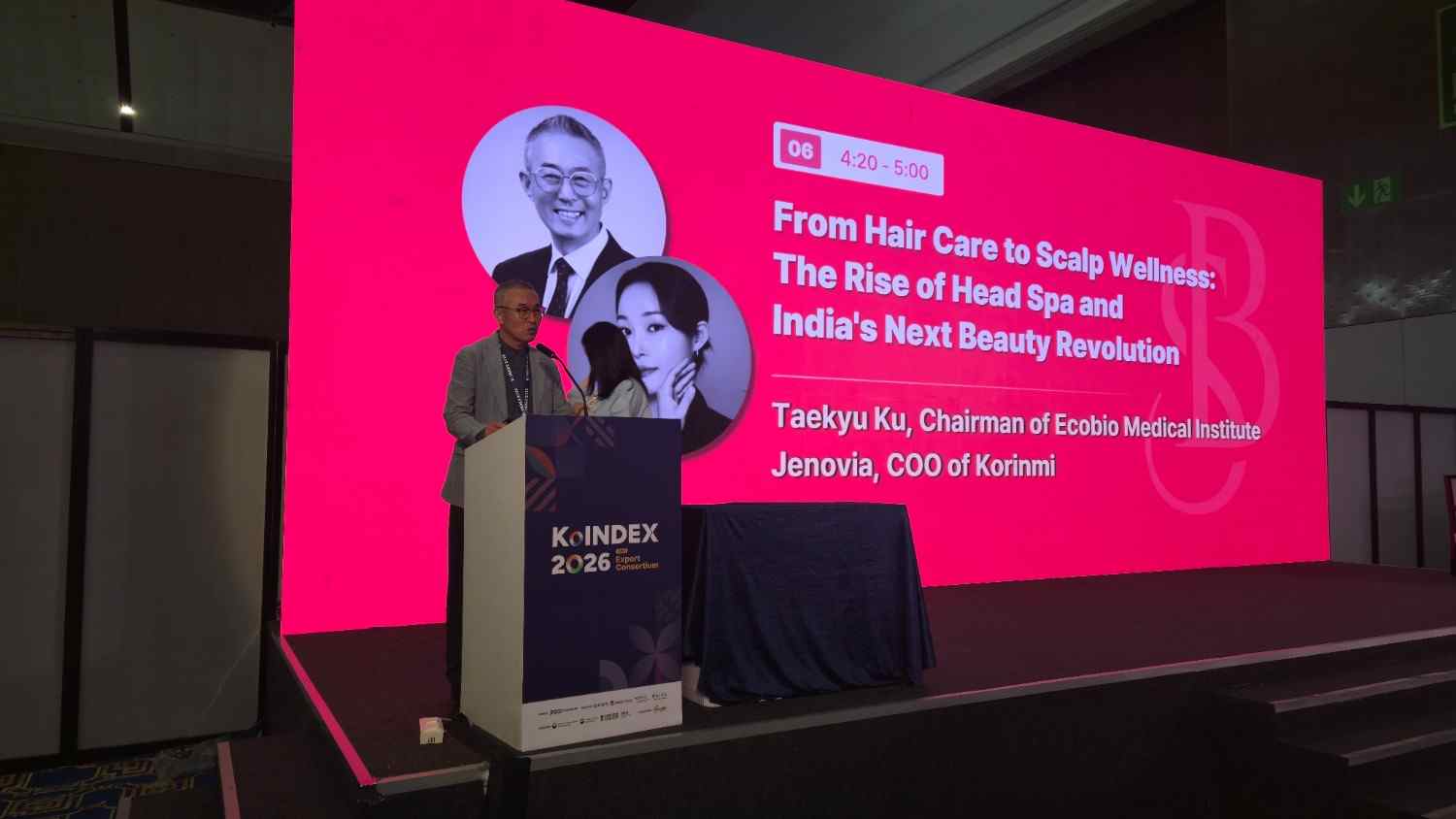 The more enduring impact of KOINDEX 2026, however, may not be measured only by immediate orders or consultation figures. It may lie in introducing Korean small and medium enterprises to a new class of Indian business partners—founders who understand digital commerce, rapidly changing consumer aspirations and the many distinct markets that exist within India.
For Korean enterprises, India is no longer simply a distant export destination. For Indian startups, Korea is no longer only a source of popular culture or finished products. KOINDEX demonstrated the possibility of a more collaborative relationship in which Korean innovation and Indian entrepreneurship come together to co-create products, brands and solutions for India—and potentially for other global markets.