
‘Tokyo Before/After’ Offers Rare Glimpse into the Changing Face of Japan’s Capital
National Gallery of Modern Art and Japan Foundation in New Delhi unfold nearly 100 years of Tokyo’s urban transformation, cultural memory and everyday life through around 80 photographs.

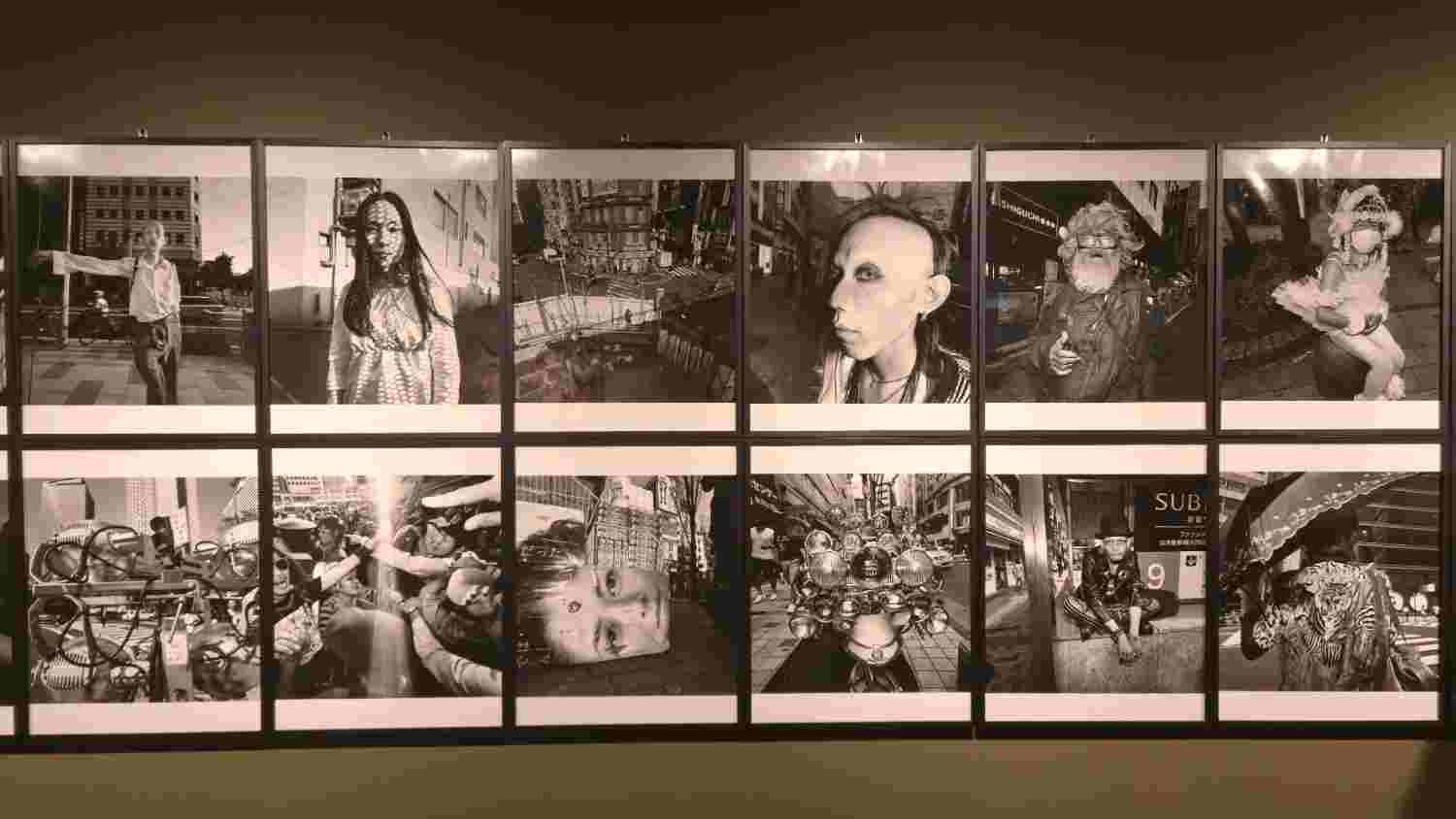
New Delhi (ACN News): Nearly a century of Tokyo’s changing urban landscape, cultural memory and everyday life has come alive at the National Gallery of Modern Art (NGMA) through an exhibition that places images of the Japanese capital from two widely separated periods in a compelling visual dialogue.
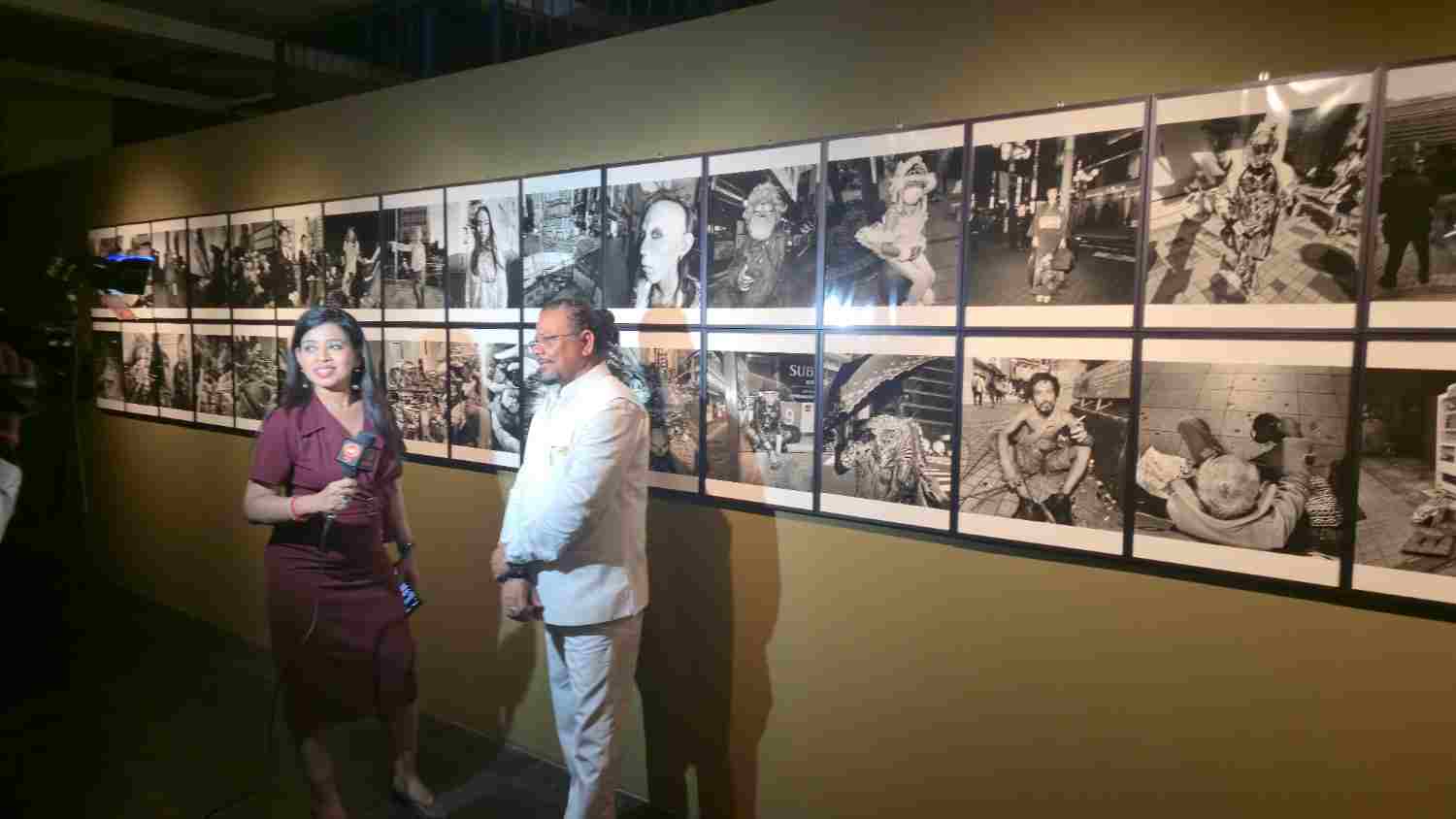
Titled “Tokyo Before/After”, the exhibition brings together around 80 photographs from the 1930s and 1940s and contrasts them with works created from the 2010s onwards. Through this interplay between the past and the present, the exhibition offers a rare opportunity to see how Tokyo’s streets, buildings, people and social character have evolved over almost 100 years.
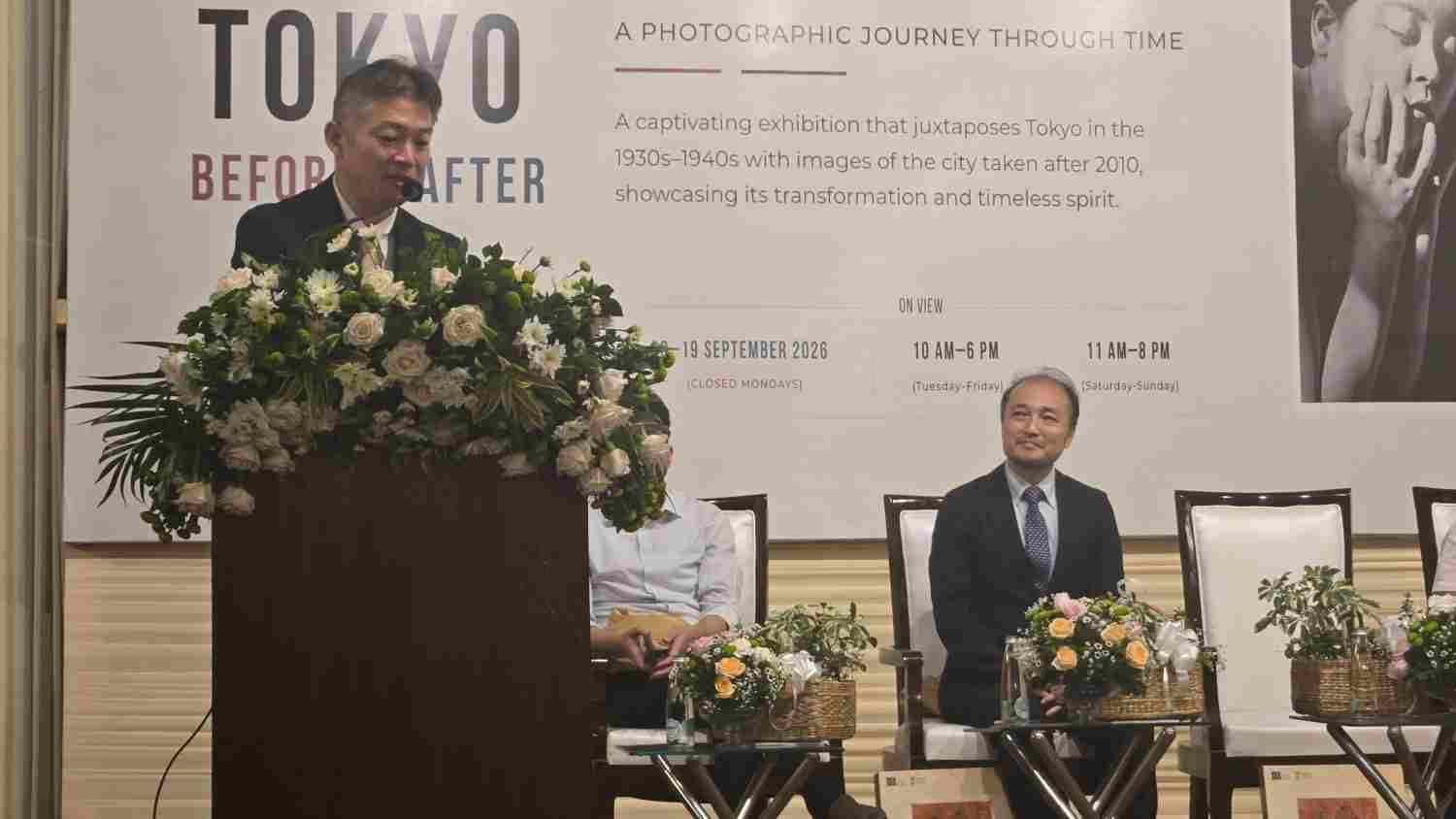
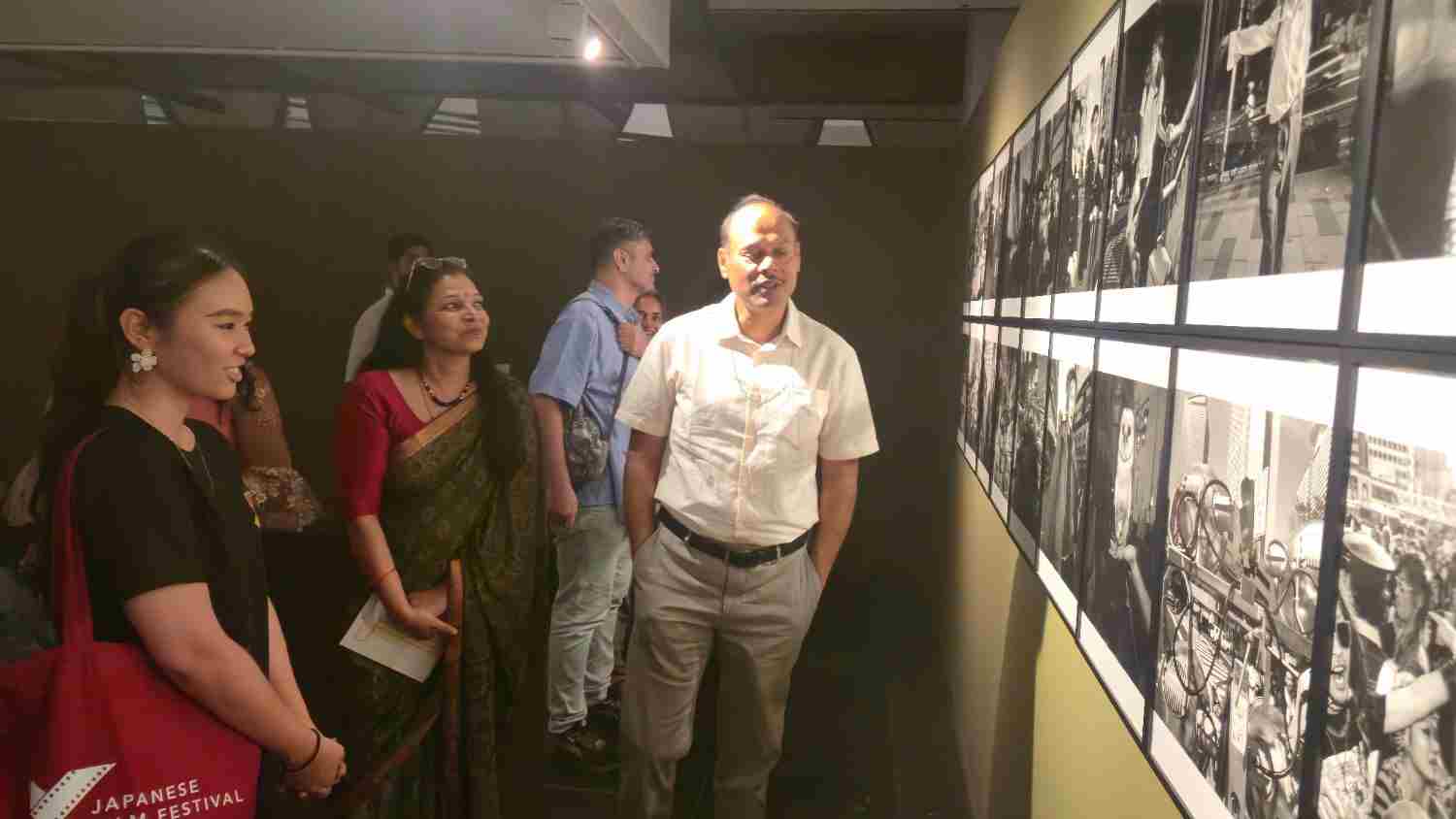 Presented by NGMA in collaboration with the Japan Foundation, the nearly three-week-long exhibition opened to the public on September 3 and will continue until September 19. NGMA held its opening ceremony on September 2.
Jinichi Kadowaki, Deputy Chief of Mission of the Embassy of Japan in India, Vivek Aggarwal, Secretary, Ministry of Culture, Government of India, Koji Sato, Director General of the Japan Foundation, New Delhi, and Sanjeev Kishor Goutam, Director General of NGMA, were among those present at the ceremony.
 The exhibition takes audiences from the Tokyo documented during the turbulent decades of the 1930s and 1940s to the expansive, technologically advanced metropolis photographed in the 21st century. While highlighting dramatic changes in the city’s physical and social landscape, the collection also draws attention to everyday experiences, cultural memories and human emotions that have endured through successive generations.
By positioning photographs from two distinct periods alongside one another, “Tokyo Before/After” allows different generations of photographers to enter into a visual conversation. Their images reveal not only how the city was reconstructed and reimagined but also how perceptions of Tokyo changed as its streets, neighbourhoods and communities underwent profound transformation.
The exhibition includes works by renowned Japanese photographers such as Daido Moriyama and Nobuyoshi Araki, along with other leading artists whose individual approaches offer multiple ways of seeing and interpreting the capital.
 Sanjeev Kishor Goutam, Director General of NGMA, said the exhibition connects Tokyo’s past with its present while encouraging audiences to look beyond the immediately visible features of a city.
“A city is never only what we see before us. It is also what it remembers. Tokyo Before/After allows us to encounter the dynamic city of Tokyo through two distinct moments in time and to discover through photography the subtle continuities between memory, transformation and human experience,” Goutam said.
Elaborating on the relationship between the two periods represented in the collection, he added, “The Tokyo of the 1930s-1940s and the Tokyo of the twenty-first century may appear separated by time, yet through these images they enter into a profound visual conversation.”
The photographs capture monumental urban changes as well as quieter fragments of life—gestures, faces, street corners and moments of stillness. Together, these details preserve experiences from different eras and invite audiences to consider how cities remember even as buildings change, streets are reconstructed, and generations pass.
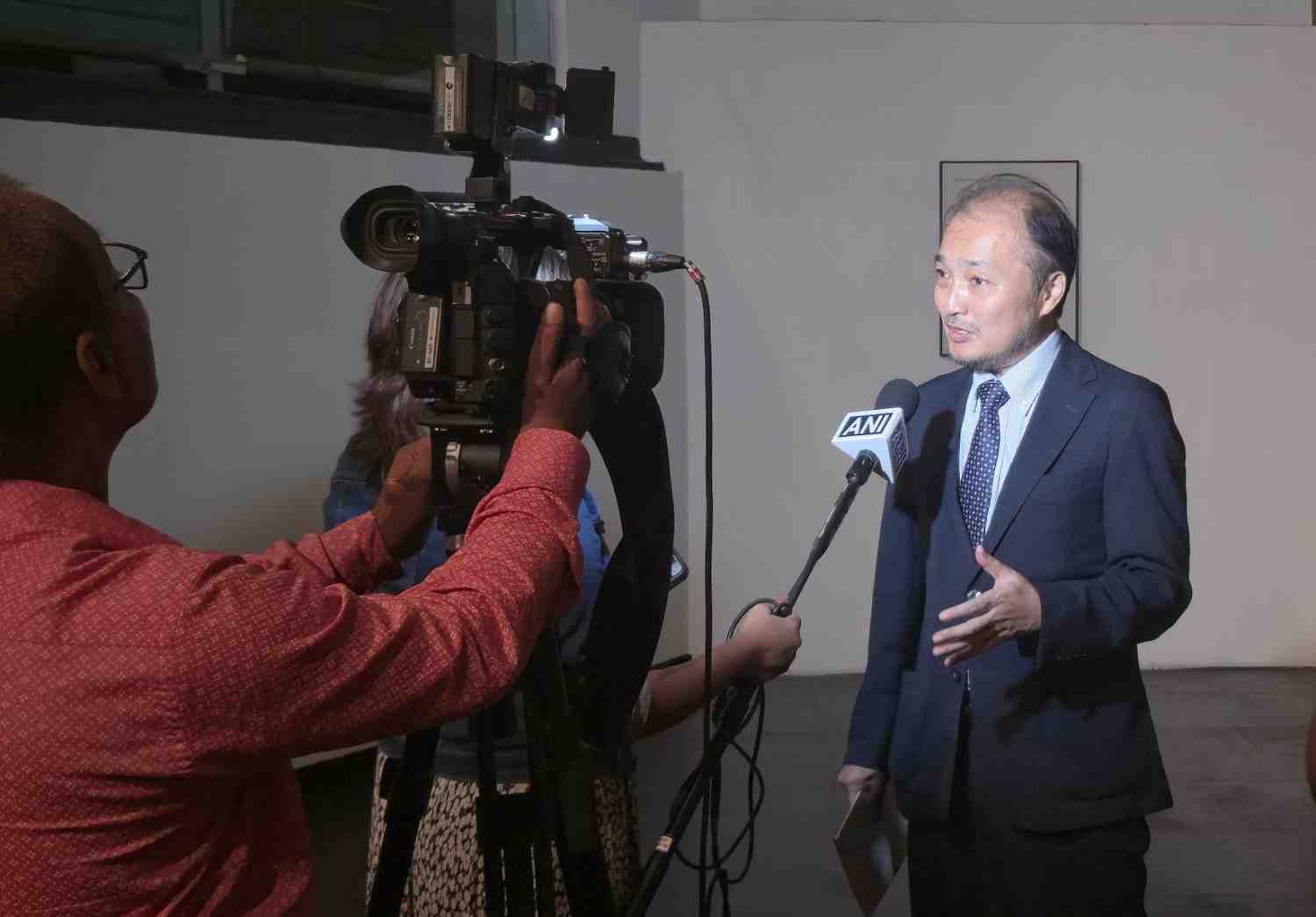 Koji Sato, Director General of the Japan Foundation, New Delhi, said photography provides a distinctive means of recording and understanding the transformation of an urban space.
“Photography offers a unique way of understanding a city. Beyond recording streets, buildings, or people, it preserves moments of transformation and reveals how different generations have perceived the same place over time,” Sato said.
Through the eyes of the participating artists, he said, audiences can encounter a Tokyo where tradition and innovation coexist and reflect on the continuously evolving relationship between people, memory and the city.
Originally produced on the occasion of the Tokyo 2020 Olympic and Paralympic Games, “Tokyo Before/After” has travelled beyond Japan as part of a wider effort to introduce international audiences to the country’s artistic and cultural expression. Its presentation in New Delhi is particularly significant as it is the first Japan Foundation Travelling Exhibition to be hosted at NGMA.
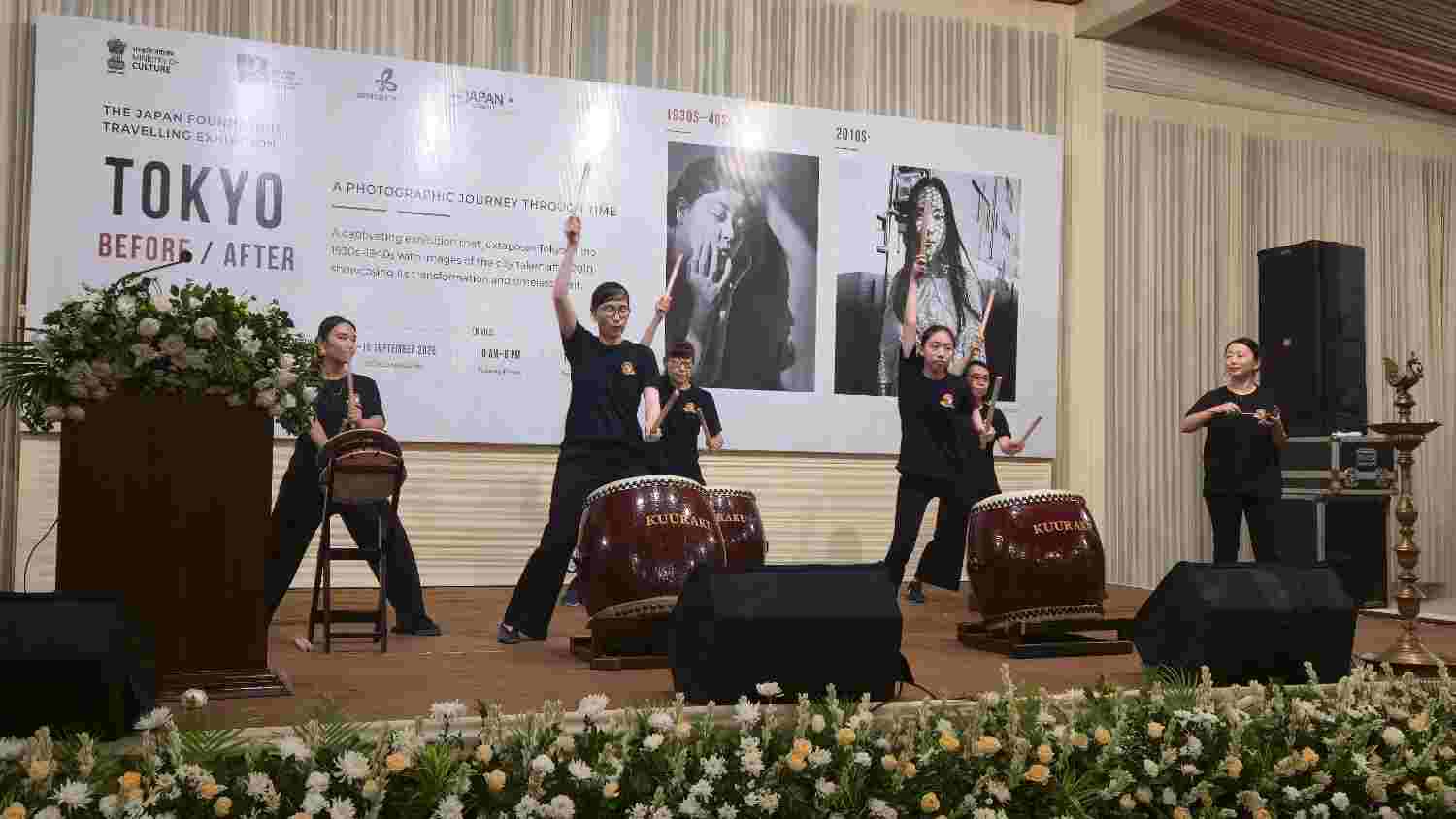 The exhibition also represents an important cultural exchange between India and Japan. By bringing Japanese artistic perspectives to Indian audiences, it provides a platform for dialogue between the two countries’ artistic and cultural traditions while encouraging viewers to find connections in their experiences of cities, history and social change.
“Tokyo Before/After” forms part of the Japan Foundation’s Travelling Exhibition Programme, which introduces Japanese arts, culture and creative expression to audiences internationally. The programme also seeks to promote intercultural dialogue and deepen mutual understanding through exhibitions designed to travel across geographical and cultural boundaries.
Beyond documenting one city’s development, the exhibition raises broader questions about the relationship between urban spaces and their inhabitants. It encourages audiences to reflect on what is retained and what disappears as a city modernises—and how photography can preserve memories that might otherwise be lost.
Through the dialogue between “before” and “after”, the exhibition ultimately presents photography as a bridge between place and memory, history and contemporary life, and between cultures. Although the two Tokyos represented in the collection belong to different moments, together they reveal the continuing human experiences underlying the capital’s transformation.