
India–Taiwan Trade Surges 60% in Eight Months, Overtakes Entire 2025 Total
Bilateral trade reached USD 12.9 billion in January–August 2026, Dr Mumin Chen said, highlighting expanding investment, technology partnerships, educational exchanges and a forthcoming direct Taipei–Delhi air link.

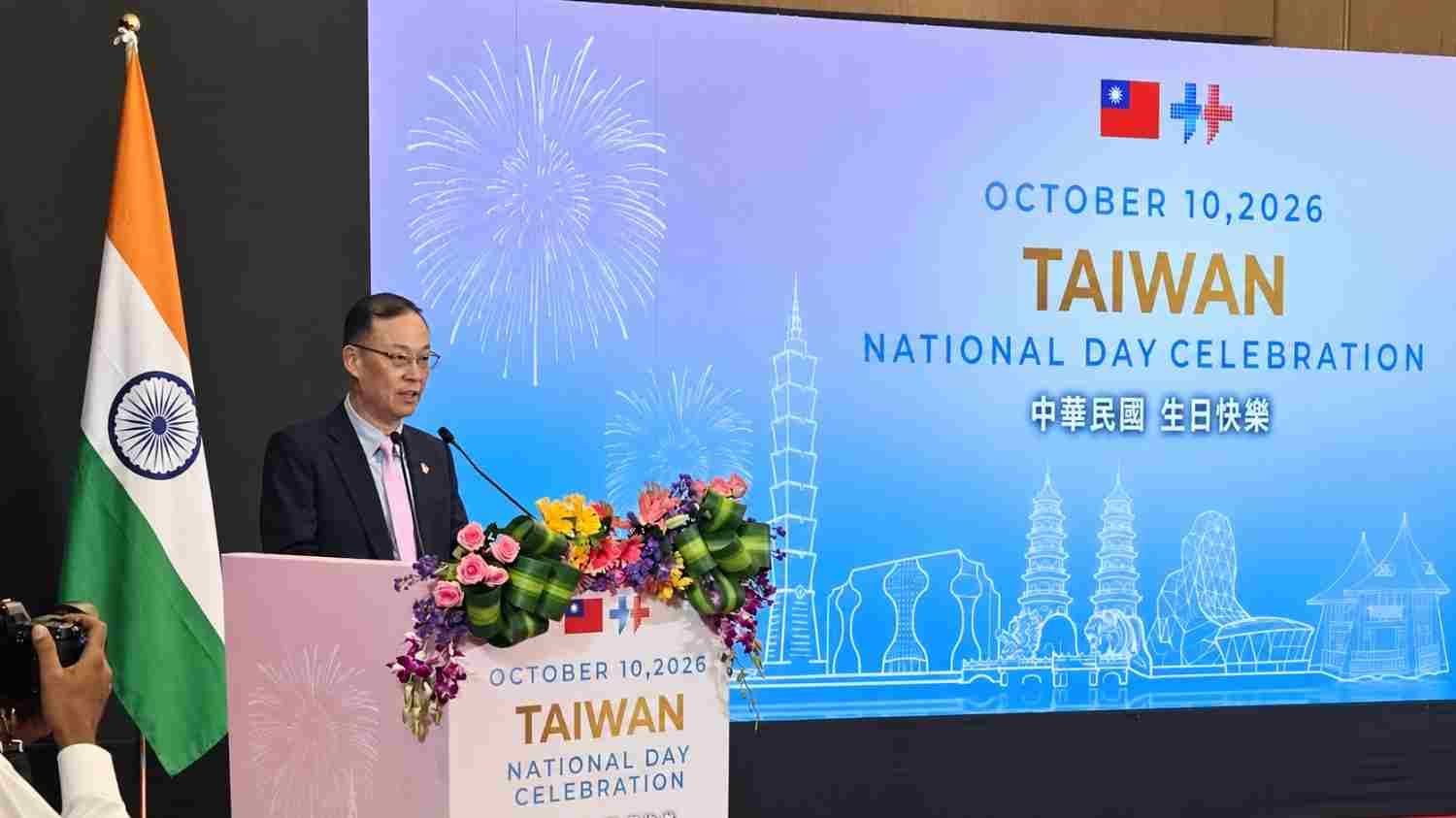
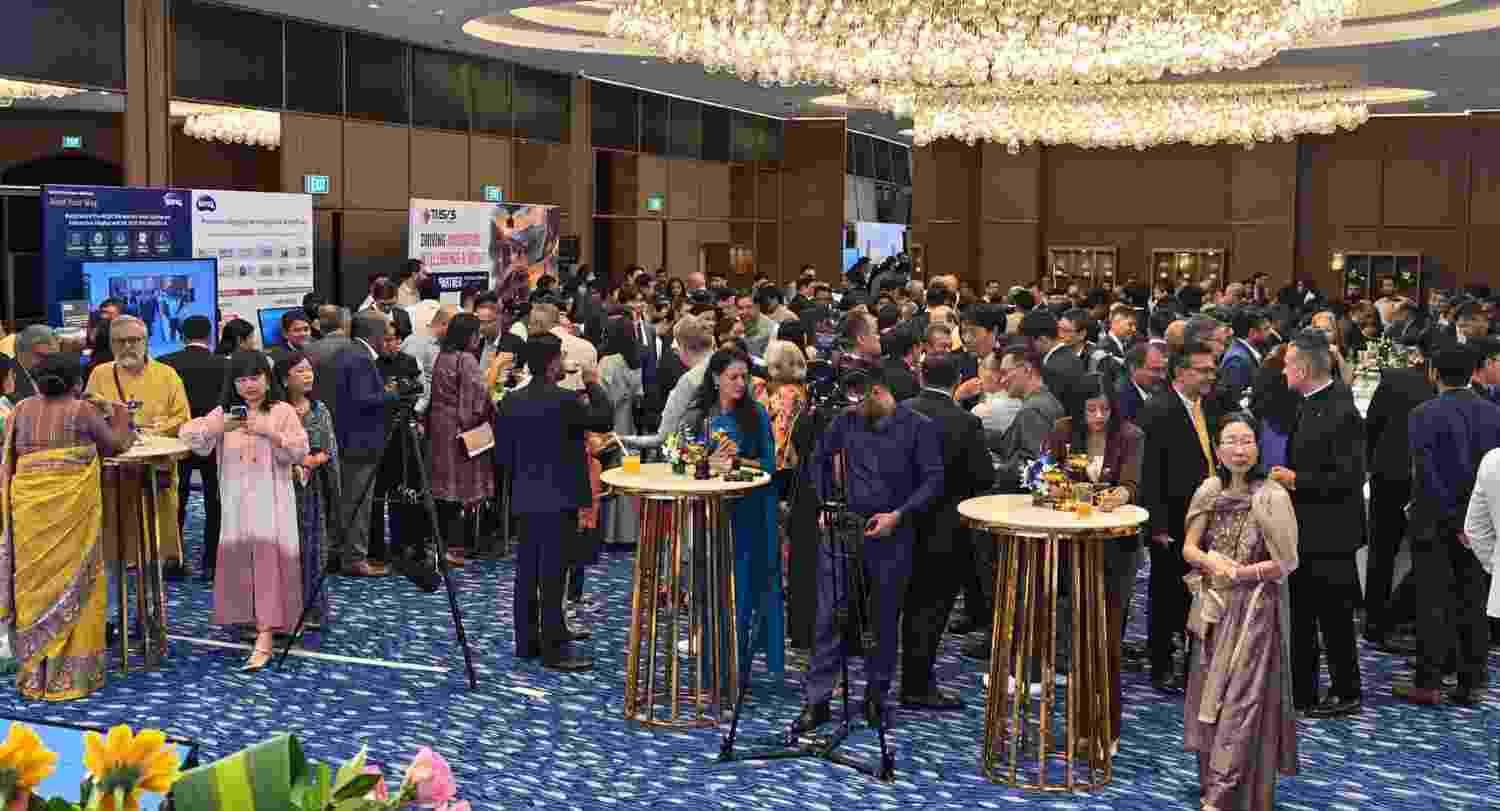
NEW DELHI: Bilateral trade between India and Taiwan surged 60 per cent in the first eight months of 2026 compared with the corresponding period last year, reaching USD 12.9 billion and already surpassing the record USD 12.5 billion registered during the whole of 2025, Chief Representative of the Taipei Economic and Cultural Center (TECC) in India, Ambassador Dr Mumin Chen said in his address at the reception marking the 115th National Day of the Republic of China (Taiwan).
Chen highlighted the trade figures as a key development, outlining a widening partnership spanning manufacturing, scientific research, education, culture and parliamentary exchanges. Nearly 400 Taiwanese companies are now operating in India, with cumulative investment approaching USD 7.5 billion and supporting more than 200,000 jobs, he said.
 Describing India as an increasingly important partner, Chen pointed to opportunities for closer cooperation between Taiwan’s technology and industrial capabilities and India’s growing manufacturing base, domestic market and talent pool.
“India is a vital partner in this journey, and we greatly value the friendship and support that we have received from the Indian people,” he said.
Trade and Investment Gather Pace: The USD 12.9 billion recorded in January–August placed bilateral trade above the previous full-year record with four months of 2026 still remaining. Chen presented the expansion alongside the growing presence of Taiwanese enterprises in India and their increasing integration into the Indian economy.
 Taiwanese companies, he said, bring expertise in semiconductors, information and communications technology, electronics manufacturing, precision machinery, industrial automation and advanced manufacturing. India’s expanding industrial capabilities, large domestic market, talent pool and dynamic innovation ecosystem offer significant opportunities to deepen these commercial connections.
“From semiconductors to consumer technologies, Taiwanese companies are becoming increasingly integrated into India’s economy,” Chen said.
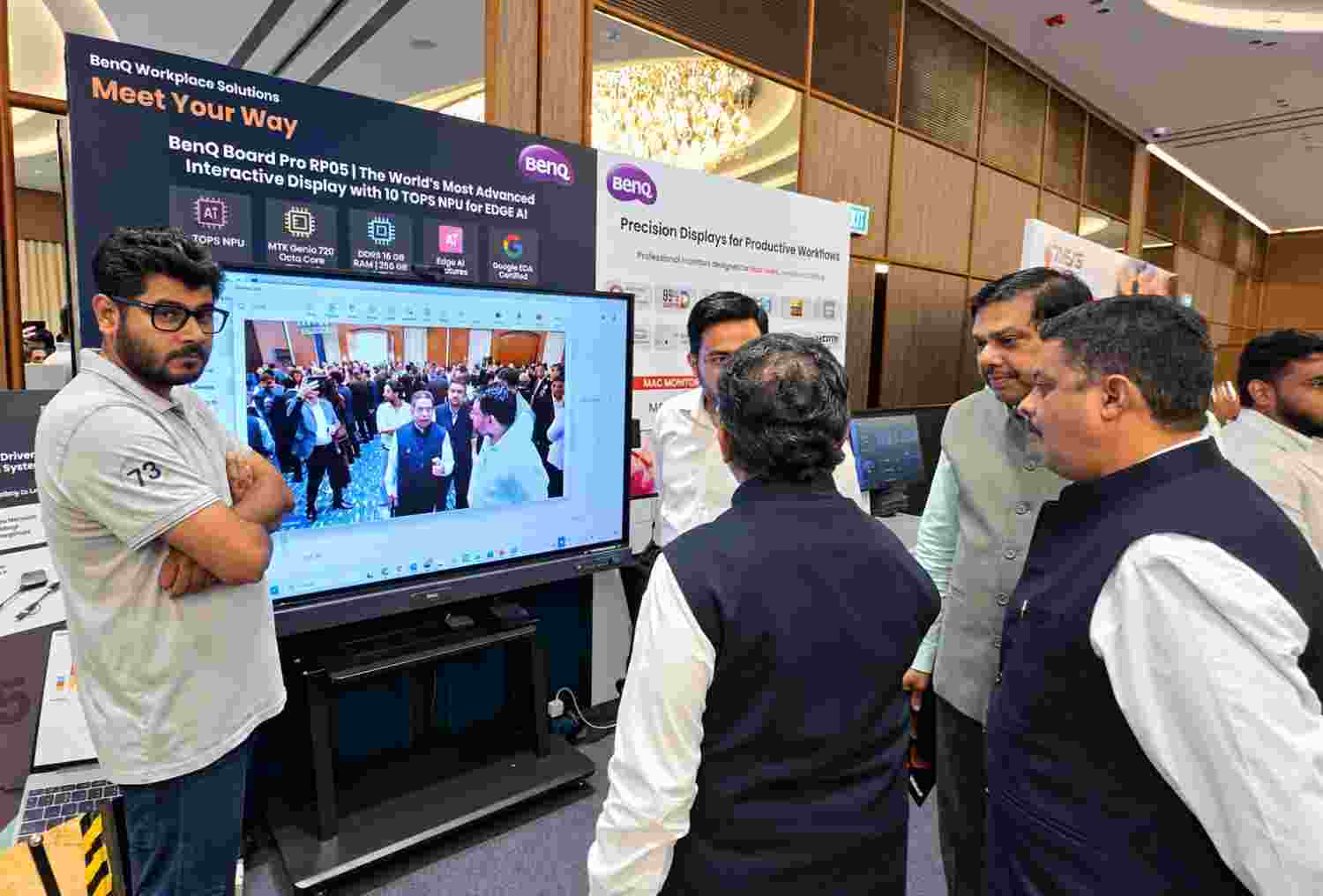
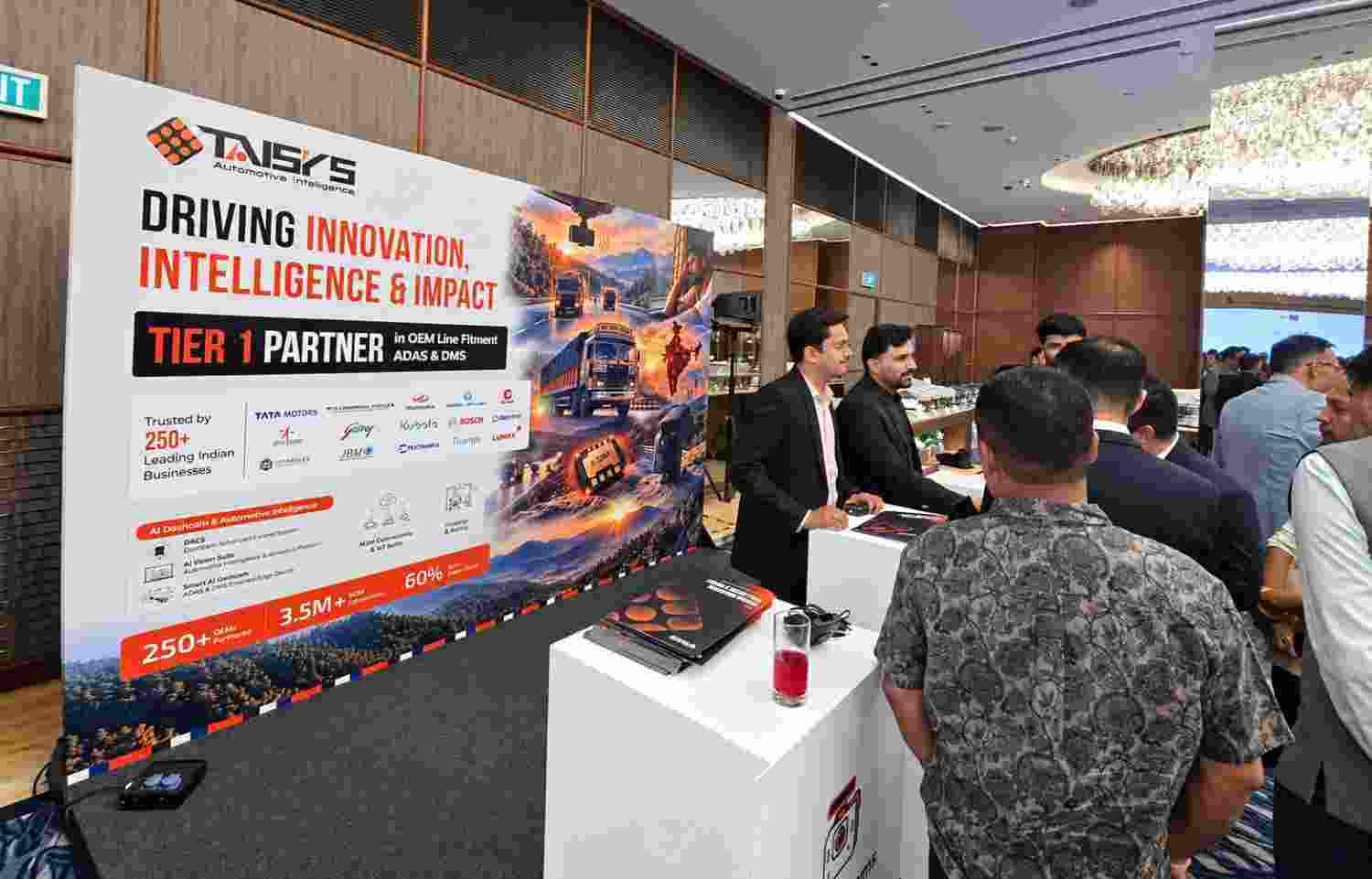
ASUS, BenQ, Taisys and Giant were invited to showcase their products at the reception, reflecting some of the business capabilities represented in the partnership.
 Cooperation is also extending into agriculture and food processing. Chen highlighted what he described as the first Taiwan–India collaboration in the tea industry, combining high-mountain tea leaves from Meghalaya with Taiwanese machinery and technology.
Cooperation on Supply Chains and Sustainable Development: Chen also addressed the international environment in which Taiwan is pursuing its partnerships, referring to intensifying geopolitical tensions and growing challenges to the international order.
He described Taiwan as playing a frontline role in protecting regional peace and stability, and said its experience had reinforced the importance of cooperation with like-minded partners and resilience in addressing shared challenges.
 Taiwan, he said, seeks to contribute its technological, industrial and economic strengths to practical international cooperation. Its contributions also extend to healthcare, disaster relief, agricultural technology, digital governance, the net-zero transition and humanitarian assistance.
Looking ahead, Chen said Taiwan would work with international partners on resilient and secure supply chains and deepen practical cooperation in trade, technology, education and other shared interests.
He placed India firmly within that outlook, expressing appreciation for the friendship and support of the Indian people and pointing to further opportunities in advanced technologies and sustainable development.
 Direct Taipei–Delhi Flights to Strengthen Connectivity: A further boost to bilateral exchanges is expected with EVA Air’s planned launch of direct flights between Taipei and Delhi from December 1, Chen announced.
He said the connection would make travel significantly easier for businesspeople, students, researchers and tourists, strengthening the movement of people alongside the expansion in trade and institutional cooperation.
Although Taiwan and India are separated by about 4,000 kilometres, Chen said the two societies share important characteristics: democracy, pride in their respective cultures, and energetic and entrepreneurial people.
Their relationship, he said, has continued to deepen through connections among governments, parliaments, businesses, academics and communities.
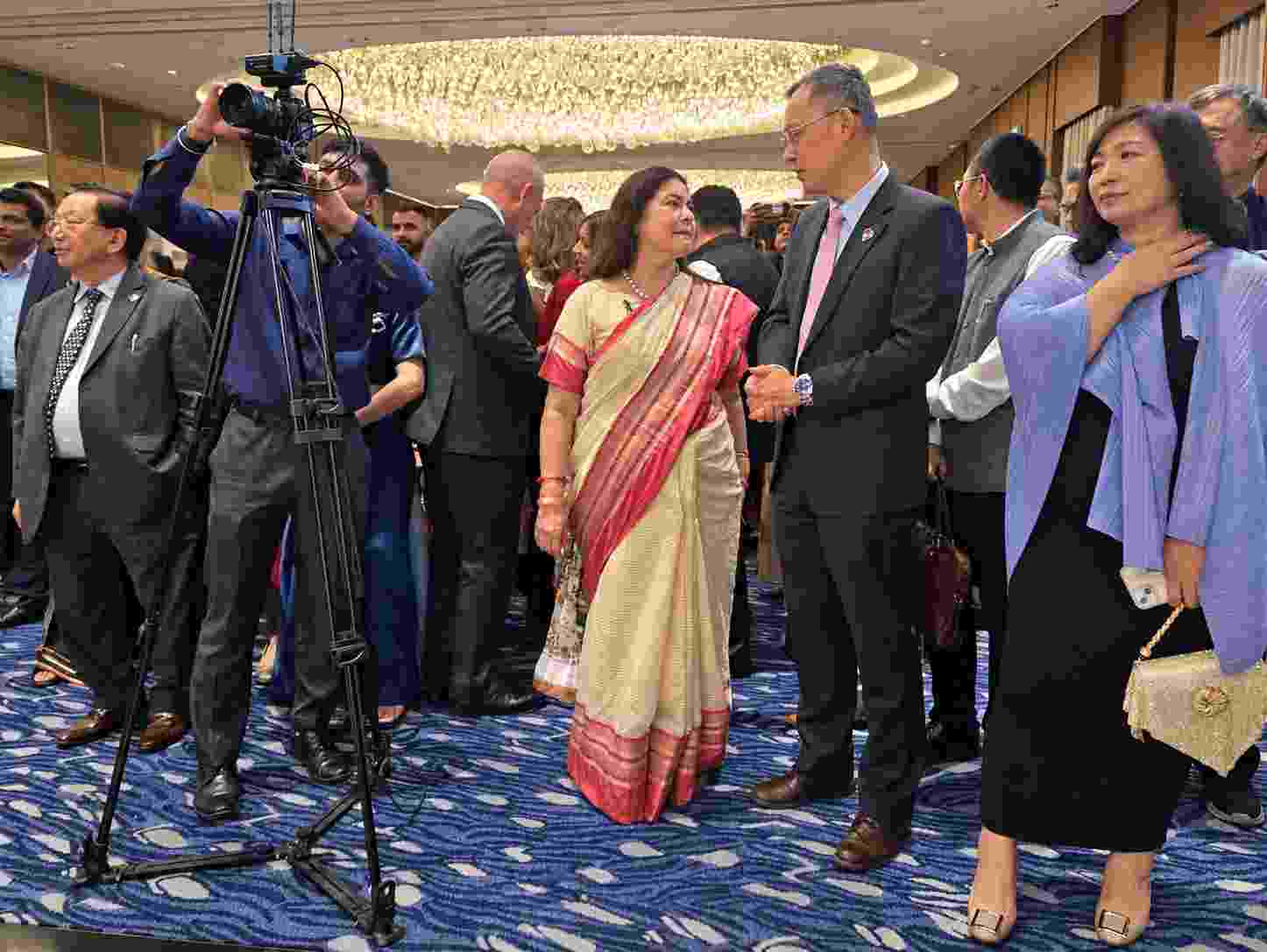 Parliamentary Forum Broadens Institutional Ties: Chen identified the relaunch of the India–Taiwan Parliamentary Friendship Forum as an important development during the year. The forum now includes 23 Members of the Indian Parliament.
He described parliamentary exchanges as a valuable channel for improving mutual understanding and building broader connections between the two societies.
Welcoming guests on behalf of the Taipei Economic and Cultural Center in India, Chen said their presence at the National Day reception reflected both the longstanding friendship between Taiwan and India and the personal and institutional relationships bringing them closer together.
Joint Research Expands into Emerging Technologies: Scientific cooperation has become another significant pillar of the relationship. Since 2009, Taiwan and India have supported 180 joint research projects in areas including green energy, biomedical technology and nanotechnology, Chen said.
 Newer cooperation is extending into semiconductors, artificial intelligence, quantum technologies, sustainable development and the social sciences.
Chen also highlighted exchanges addressing public health and environmental challenges. During the past year, Taiwanese scientists visited India to share their experience in air pollution management, with the aim of mitigating its adverse effects on human health.
Two further bilateral workshops with Indian scientists are planned this year, focusing on cybersecurity and science education.
Education Partnerships Link Learning with Industry: More than 3,500 Indian students are currently studying in Taiwan, while another 600 Indian young people are undertaking internships there, according to the speech.
Taiwan has also established 43 Taiwan Education Centers across India, offering language courses and teaching on Taiwan-related subjects.
Chen said 95 scholarships had been awarded to Indian students this year, comprising 47 degree scholarships and 48 language scholarships under the HES programme. Academic partnerships have also advanced through the renewal of nine memorandums of understanding and the signing of one new agreement with partner universities in India.
Looking ahead, he said educational cooperation would extend further into semiconductors, artificial intelligence, green technology and biotechnology.
Taiwan also intends to build industry–academia partnerships aligned with India’s national skilling priorities, connecting educational exchanges more closely with industrial and technological cooperation.
Films, Literature and Performances Deepen Cultural Exchanges: Alongside business and academic links, Chen emphasised the role of cultural programmes in strengthening mutual understanding and friendship.
During the past year, Taiwanese cultural figures invited to Delhi included author Yang Shuang-zi, singer Whyte and photographer Shen Chao-liang.
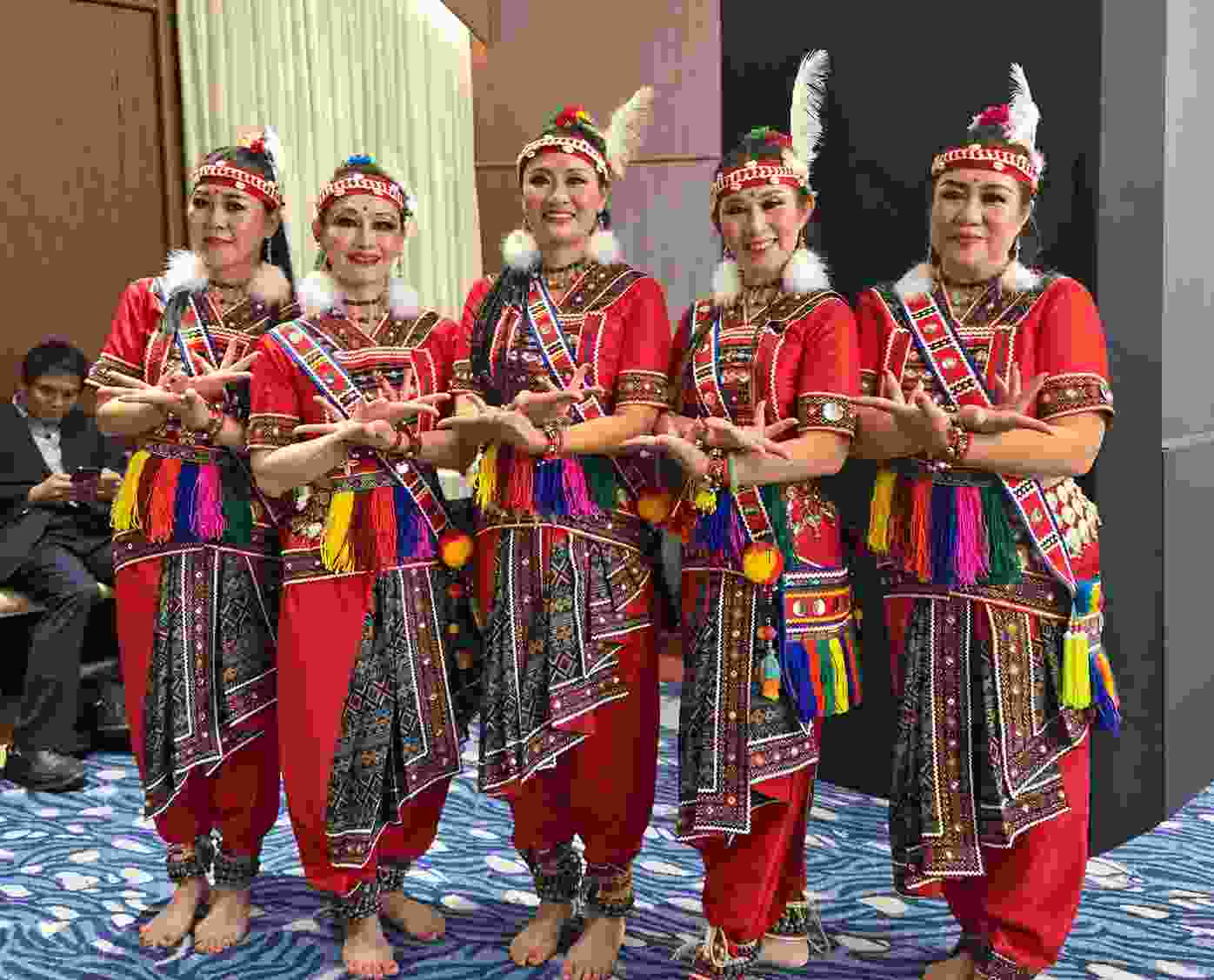
The Taiwan Film Festival will continue in Delhi and Mumbai in October, he said. A special performance by Taiwanese dancer Hsu Cheng-Wei and the accompanying team is also planned in Delhi in December.
Through these varied programmes, Taiwan hopes to deepen connections between the peoples of Taiwan and India, Chen said.
Taiwan Highlights Democratic and Economic Progress: Placing the bilateral relationship in the context of Taiwan’s own development, Chen referred to President Lai Ching-te’s vision of a democratic, prosperous and peaceful Taiwan, describing it as a commitment to its 23 million people.
The year 2026 marks the 30th anniversary of Taiwan’s first direct presidential election. Recalling the 1996 election, Chen said the Taiwanese people had chosen democracy despite military intimidation.
Over the following three decades, Taiwan experienced three changes of governing party and moved through democratic transition, consolidation and strengthening. While the process had not always been smooth, he said freedom, democracy and human rights remained fundamental values for its people.
Chen also cited Taiwan’s economic performance. Its GDP per capita reached USD 39,500 in 2025, while foreign exchange reserves stood at USD 600 billion this year. The economy grew by more than 14 per cent in the first half of 2026, he said, supported by strong global demand for information technology products and Taiwan’s integration into global supply chains.
Technology remains central to this development. Chen described an integrated ecosystem spanning semiconductors, ICT, electronics manufacturing, advanced machinery and artificial intelligence.
According to the figures cited in his speech, Taiwan manufactures more than 90 per cent of the world’s most advanced chips, while Taiwanese suppliers produce or assemble more than 90 per cent of global AI servers.