
Find Your ‘Ota’ and Fall in Love with Japan at Ōta TOKYO 2026
From anime, manga, cosplay and Japanese street food to live music and a dedicated Korea Town, the festival at Yashobhoomi brought together young Indian enthusiasts in an immersive East Asian cultural experience.

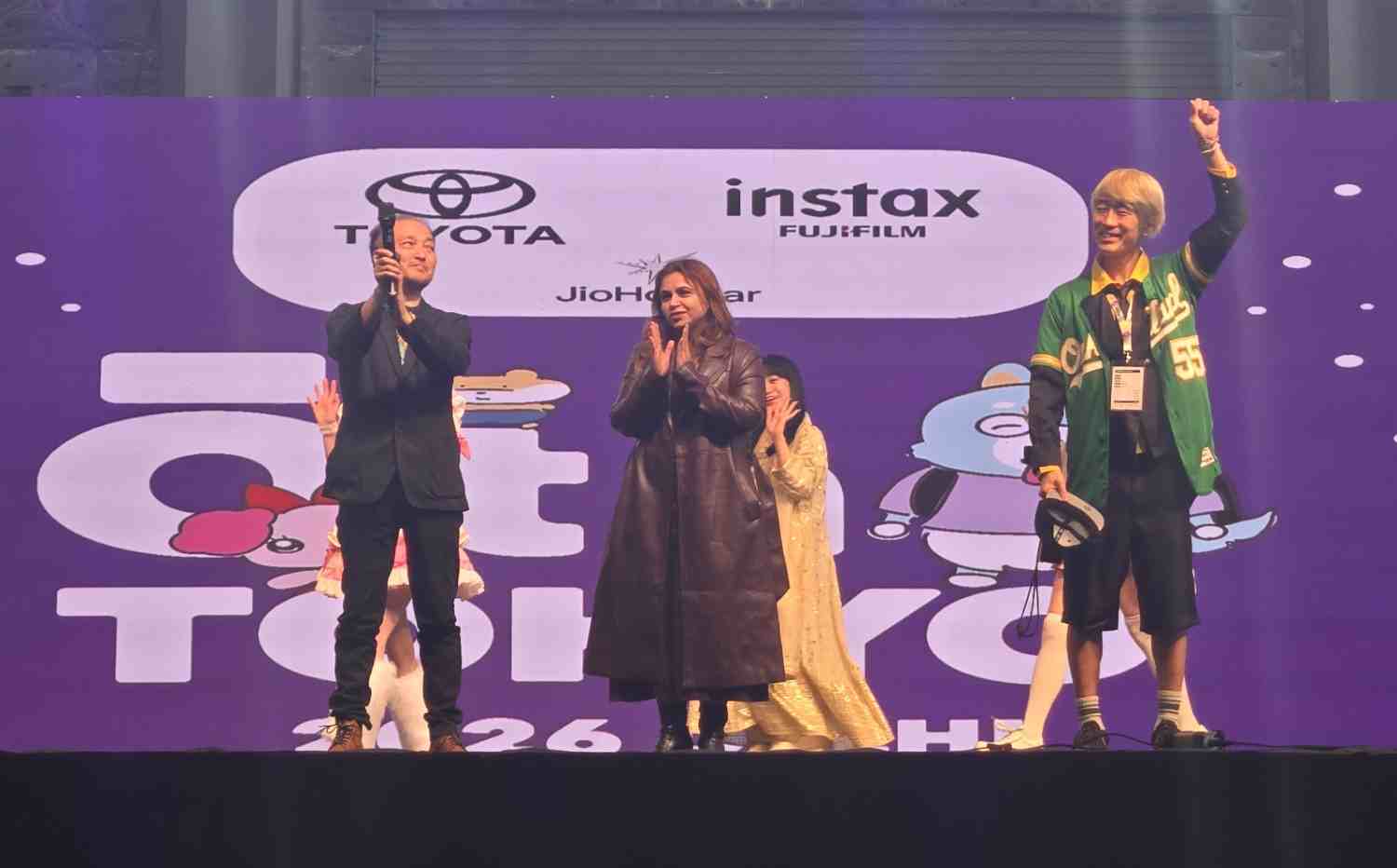
NEW DELHI: Calling himself a “one-man army” backed by a network of well-wishers, Hiro (Ganji) Kawamoto, founder of Ōta TOKYO, made an impassioned appeal to young Indian fans of Japanese culture to discover their own passions, embrace new experiences and celebrate what they loved.
Addressing the inaugural ceremony of Ōta TOKYO 2026 at Yashobhoomi, New Delhi, on November 28, Kawamoto shared his entrepreneurial journey and the courage he gathered to bring the festival to the national capital for its second edition in India, following its successful Bengaluru debut earlier this year.
The two-day festival, held on November 28–29, brought together the worlds of Japanese anime, manga, gaming, cosplay, music, food and lifestyle, reflecting the rapidly expanding popularity of Japanese contemporary culture among Indian youngsters.
The inaugural ceremony witnessed motivational addresses by Koji Sato, Director, Japan Foundation, New Delhi; Jenica Kalra, Additional Director, Japan External Trade Organization (JETRO), New Delhi; and Kawamoto.
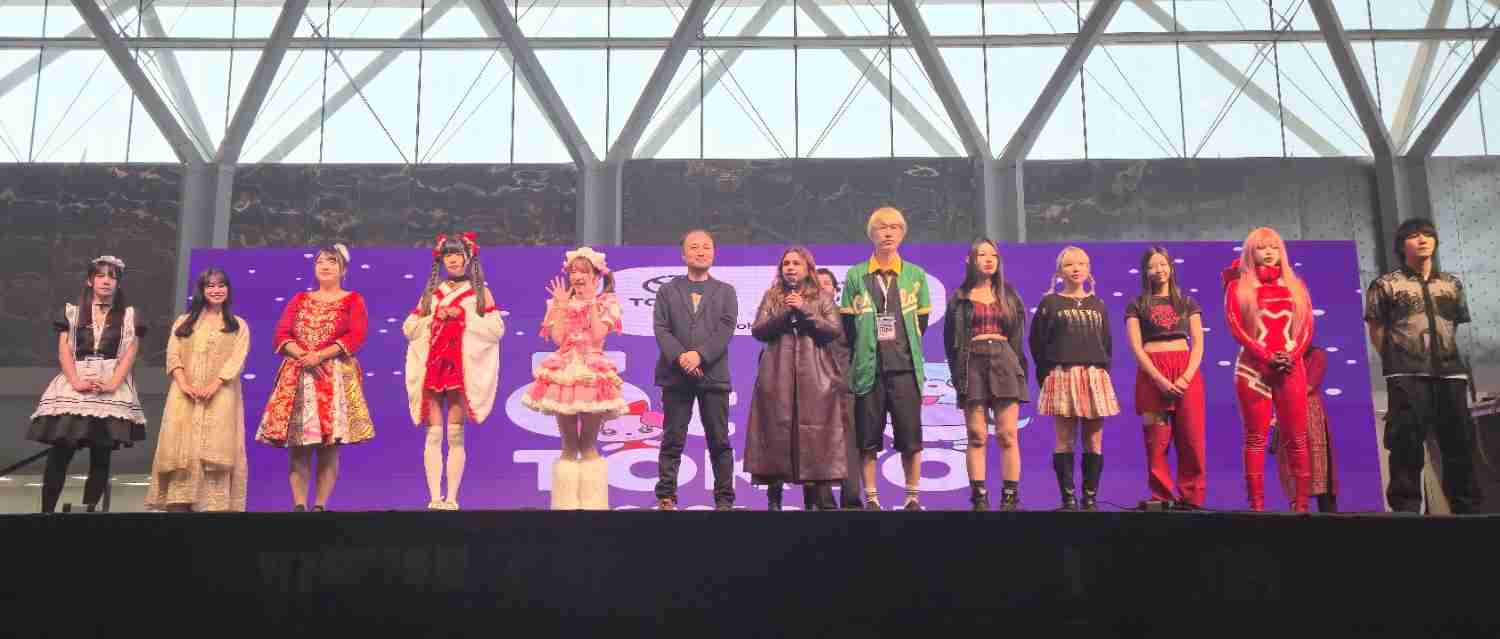
Find your ‘Ota’: A festival beyond exhibitions: In his spirited address, Kawamoto explained that the word “Ōta” was derived from Otaku, a Japanese expression associated with people who passionately pursue interests such as anime, manga, cosplay and gaming.
Combined with Tokyo, the name represented an experience that brought the energy, creativity and pop culture of the Japanese capital closer to Indian fans.
Emphasising that Ōta TOKYO was not merely an exhibition but an experience, Kawamoto encouraged youngsters to explore the festival, discover their own “Ota”, fall in love with that experience and enjoy it wholeheartedly.
 His message underscored the philosophy behind the initiative — creating a platform where young people could express themselves, celebrate their interests and connect with like-minded enthusiasts beyond geographical and linguistic boundaries.
Koji Sato strikes a chord with Hindi and music: Adding a personal touch to the celebrations, Koji Sato addressed the gathering in Hindi, reflecting his deep engagement with India and its people.
The Japan Foundation Director also showcased his musical side as the J-HIND band, led by him, performed several songs, adding to the festive atmosphere and demonstrating how music could bring Japanese and Indian communities closer.
Jenica Kalra highlighted the rapidly strengthening relationship between India and Japan and the extraordinary pace at which Japanese culture was gaining popularity among Indian youngsters.
The participation of representatives from the Japan Foundation and JETRO also reflected the growing significance of cultural and creative industries in the bilateral relationship.
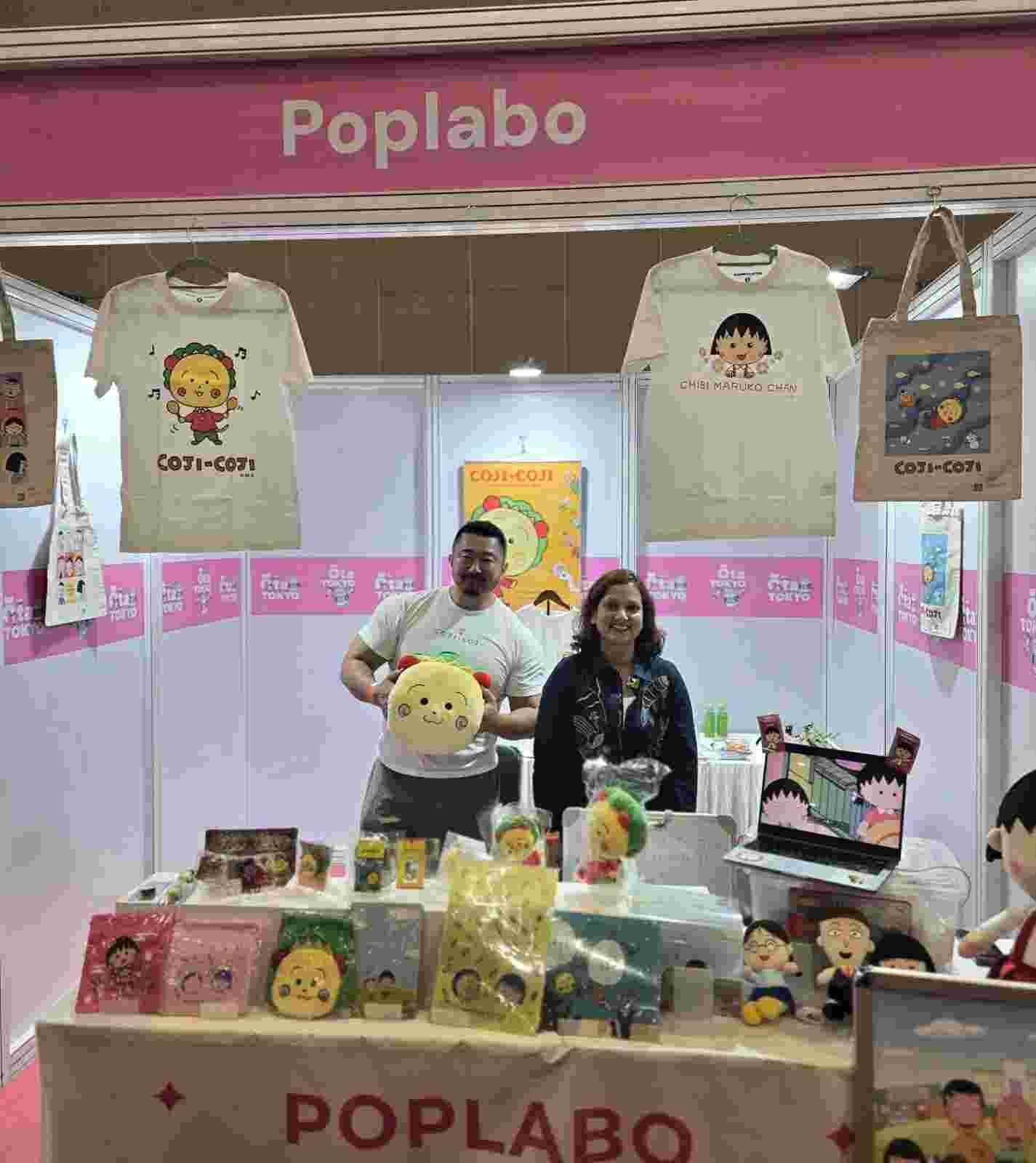
A slice of Tokyo in New Delhi: Designed around eight experiential zones and six themed districts, the festival recreated different facets of Japanese urban life and traditional culture.
The Shibuya zone celebrated anime music and virtual entertainers, while Harajuku focused on character merchandise and street fashion. Akihabara brought together Japanese maid café culture and trading card games, while the Kyoto-themed section offered kimono experiences, traditional crafts and matcha workshops.
A dedicated Kids Station catered to younger visitors and families. The festival also provided a platform for independent manga creators, fan artists, gaming enthusiasts and cosplayers to showcase their creativity.
The announced entertainment line-up included Japanese artists Kanapon, Moeazu, MIRAISKIRT+, Hitomi Aizawa and DARUMA Rollin’, besides Bollywood dance performances, Japanese martial arts demonstrations and screenings of KILLverse anime.
The festival’s original mascot characters — TAKU-kun, Momo-chan and Puri-kun — further reflected an interesting blend of Japanese pop culture and Indian cultural influences.
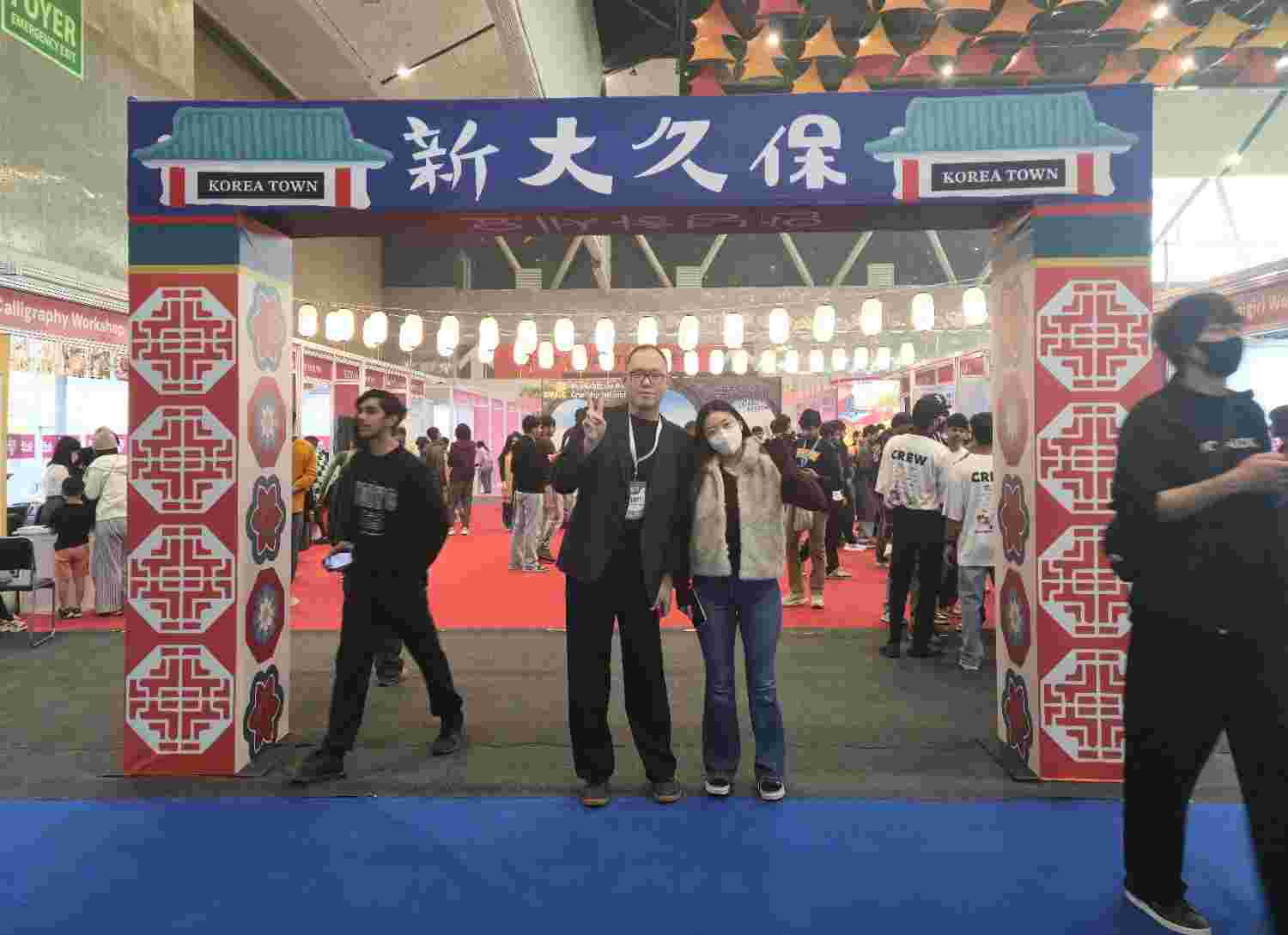
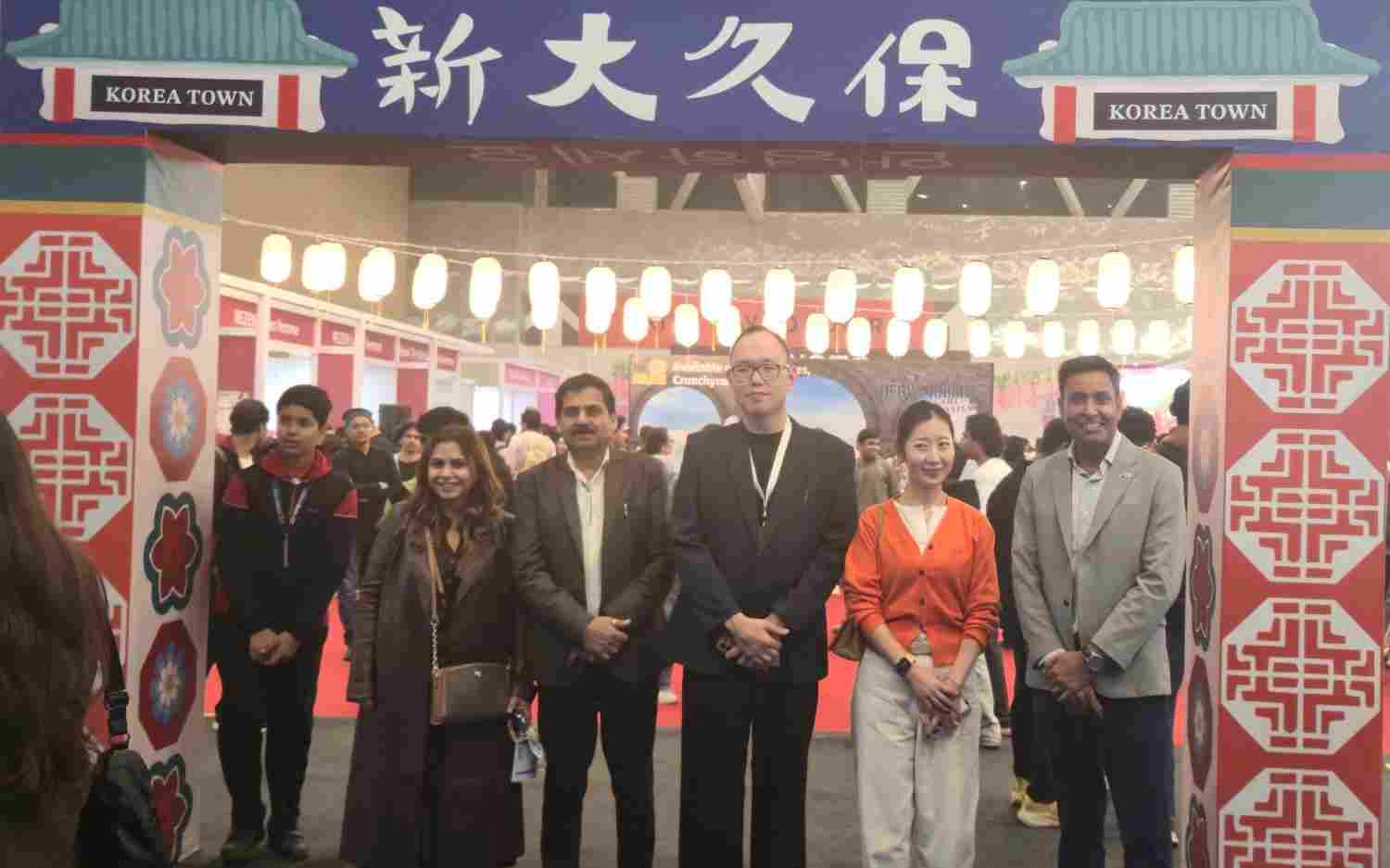
Korea Town adds an East Asian dimension: Another distinctive feature of the Delhi edition was the establishment of Korea Town, inspired by Tokyo’s Shin-Okubo neighbourhood, popularly associated with Korean culture.
Facilitated by the Korea Youth Commerce Association in India (KYCI), led by its President Jooyoung Jeong, Korea Town brought together 10 Korean exhibitors representing food and beverages, cosmetics and other consumer lifestyle segments.
The initiative added a broader East Asian dimension to the Japanese cultural festival, allowing visitors to explore Korean cuisine, beauty products and contemporary lifestyle offerings alongside Japanese experiences.
The participation of Korean entrepreneurs also demonstrated how India’s growing fascination with East Asian popular culture was creating opportunities for businesses and cultural communities to collaborate.
With its emphasis on participation rather than passive entertainment, Ōta TOKYO reflected the evolution of India’s Japanese pop culture fandom into a vibrant community of creators, performers, consumers and aspiring entrepreneurs.