
JTTRI to Set up its India office in New Delhi This Autumn
The JTTRI Chief Masafumi Shukuri said wider human engagement would give the bilateral relationship a stronger foundation amid an uncertain global environment.

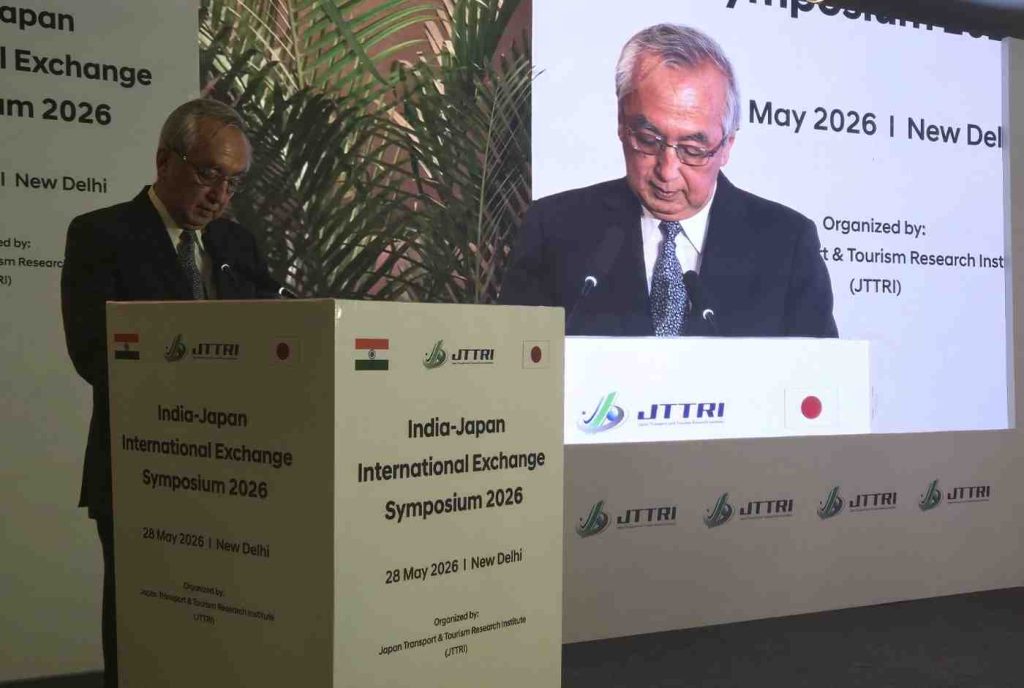
New Delhi: India and Japan’s partnership needed to move beyond official frameworks and economic cooperation to a wider social foundation built through people-to-people exchange, Japan Transport and Tourism Research Institute Chairman Masafumi Shukuri indicated while opening the India-Japan International Exchange Symposium 2026 in New Delhi.
Shukuri’s opening remarks set the tone for the symposium, which brought together senior policymakers, diplomats, former ambassadors, tourism leaders and strategic affairs experts to examine how human mobility, tourism, culture and institutional dialogue could deepen the bilateral relationship between the two Asian partners.
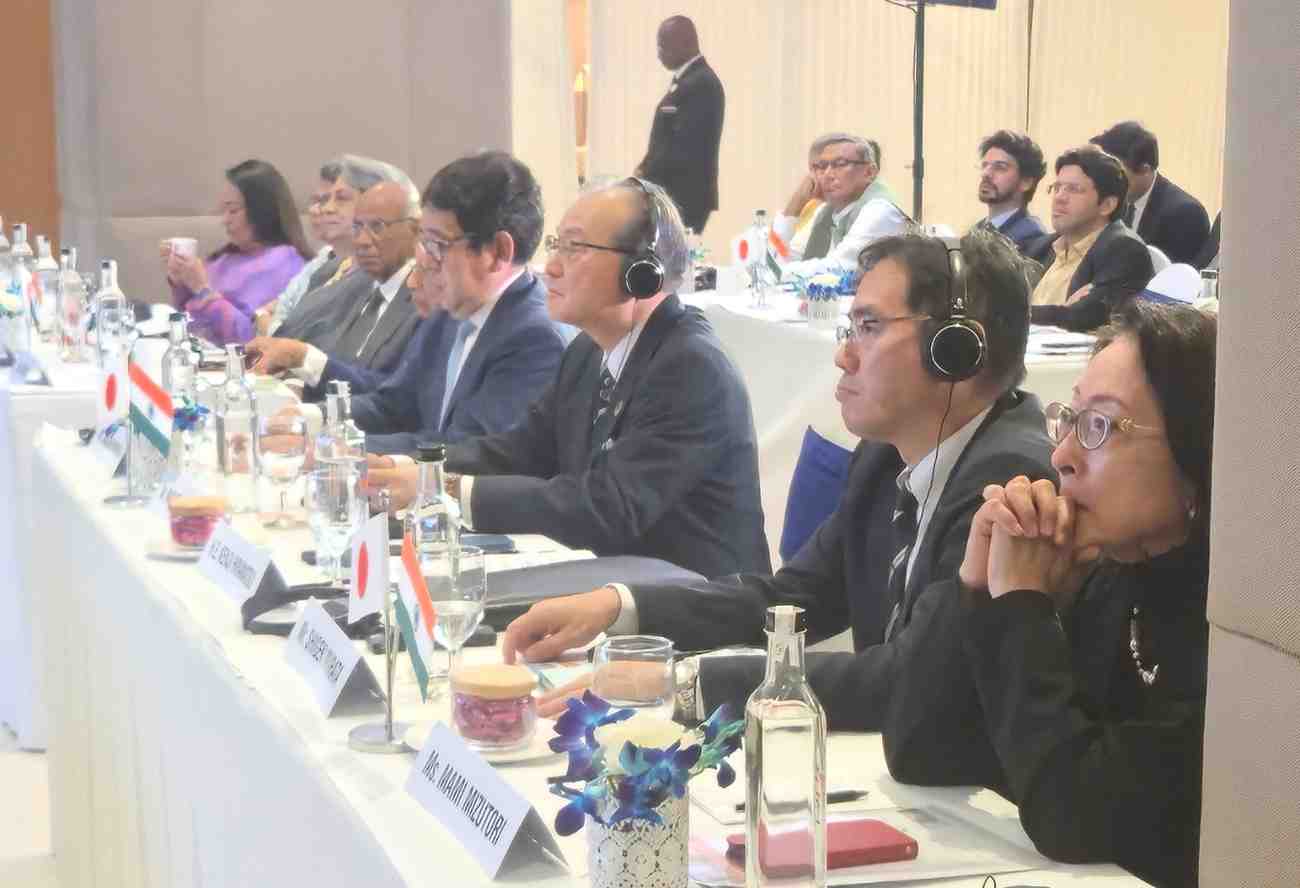 The symposium was in New Delhi on May 28 under the theme “Strengthening the Partnership through the Promotion of People-to-People Exchange between India and Japan.” It was organised by the Japan Transport and Tourism Research Institute, with the Embassy of Japan in India as the sponsoring organisation.
In his address, Shukuri underlined that India-Japan relations had entered a phase in which broad, multi-layered exchanges among people had become essential to sustaining the momentum of the partnership. His remarks reflected the view that government-to-government and business-to-business cooperation, though important, would need to be supported by stronger interaction among citizens, travellers, students, professionals, researchers, cultural organisations and institutions.
The symposium took place at a time when global conditions had become increasingly unstable. Against this backdrop, the event stressed that people-to-people exchanges between India and Japan were not only important for the further development of bilateral relations but also for building mutual understanding and trust. Such exchanges, the organisers noted, could ultimately contribute to greater stability in the international community.
Shukuri also linked the symposium to JTTRI’s growing engagement with India. The institute was preparing to open its New Delhi office, tentatively planned for the autumn of 2026. The proposed office was expected to support wider dialogue and cooperation in areas related to transport, tourism, policy research and international exchange.
Originating in Japan in 1968 as a transport policy research body, JTTRI has grown into an important think tank working on transport, tourism, and international exchange, with overseas operations including a presence in the United States and an ASEAN-India Regional Office in Bangkok. The decision to establish a dedicated India office reflected New Delhi’s growing importance in Japan’s regional and global outlook, especially at a time when India-Japan relations were expanding across infrastructure, mobility, tourism, logistics, investment, cultural exchange and people-to-people cooperation.
 The proposed office was expected to strengthen JTTRI’s India-focused research, institutional partnerships and policy dialogue, while contributing to wider efforts to deepen the India-Japan partnership through sustained engagement between the two societies.
By placing human connectivity at the centre of the discussion, Shukuri projected people-to-people engagement as a strategic requirement rather than a ceremonial component of bilateral ties. The message was that the India-Japan relationship would become more resilient when supported by deeper familiarity between the two societies.
Japan’s Ambassador to India, Ono Keiichi, extended greetings through a video message, while the keynote addresses were delivered by N. K. Singh, President of the Institute of Economic Growth and Chairman of India’s 15th Finance Commission, and Kenji Hiramatsu, former Ambassador of Japan to India and Chairman of the Institute for International Strategy at The Japan Research Institute.
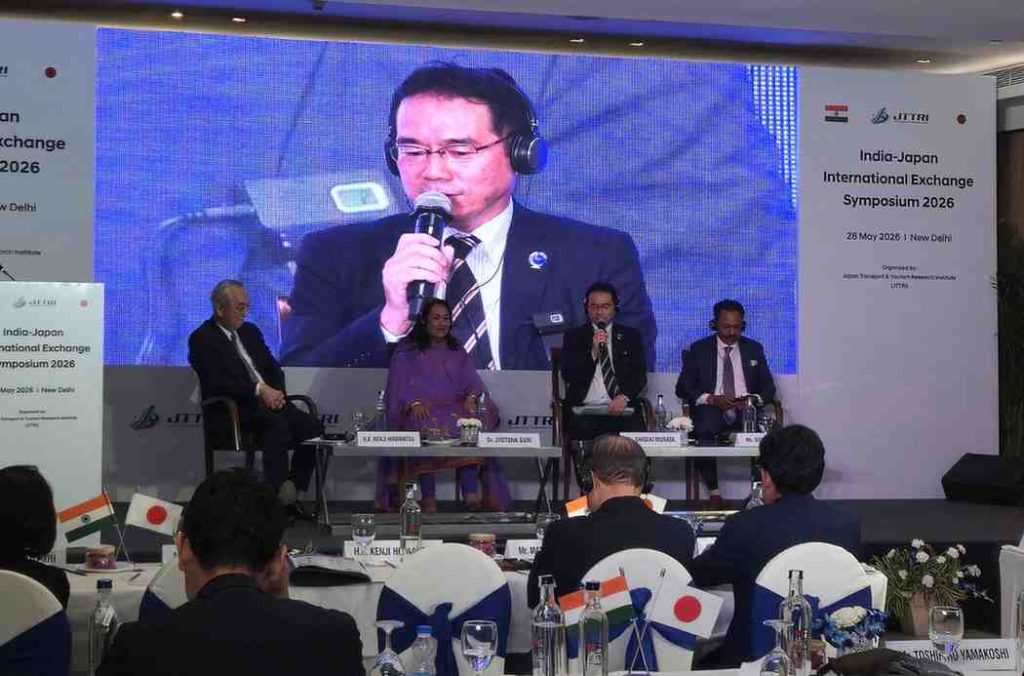
The first panel discussion focused on “The Significance, Challenges, and Future Prospects of International Exchange.” Moderated by Indrani Bagchi, Chief Executive Officer of Ananta Centre, the session featured former Foreign Secretary Shyam Saran, former Indian Ambassador to Japan Deepa Gopalan Wadhwa, Takashi Ariyoshi, Minister and Deputy Chief of Mission at the Embassy of Japan in India, and Mami Mizutori, Specially Appointed Professor at Tohoku University and former Special Representative of the United Nations Secretary-General.
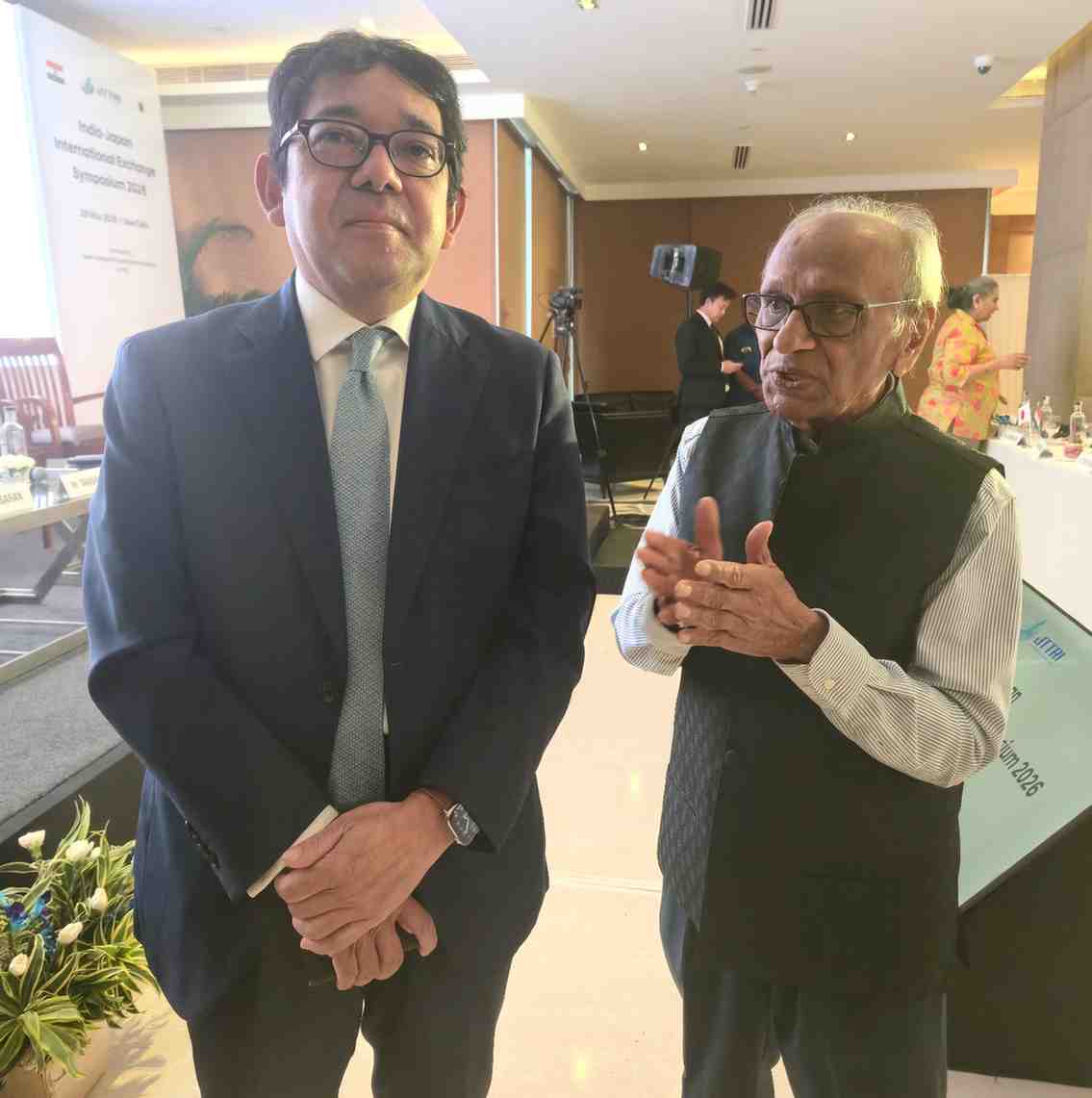 The discussion examined how international exchange could support mutual trust, long-term goodwill and policy-level understanding between India and Japan. It also touched upon the challenges of expanding such exchanges in a changing geopolitical and social environment.
A second panel discussion focused on “The Roles of Tourism and Cultural Policies in Driving International Exchanges.” It was moderated by former Japanese Ambassador to India Kenji Hiramatsu and featured Jyotsna Suri, Chairperson and Managing Director of The Lalit Suri Hospitality Group; Suman Billa, Additional Secretary and Director General in India’s Ministry of Tourism; and Shigeki Murata, Commissioner of the Japan Tourism Agency.
The tourism-focused session highlighted the importance of travel, hospitality and cultural policy in creating lasting public-level bridges between the two countries. Speakers emphasised that tourism could help people experience each other’s heritage, lifestyles and contemporary societies, thereby strengthening the emotional and cultural dimensions of the bilateral partnership.
The symposium concluded with remarks by Toshihiro Yamakoshi, Distinguished Research Fellow and Senior Director of the International Affairs Department at JTTRI.
The event reinforced the idea that the next stage of India-Japan cooperation would be shaped not only by strategic projects, trade and infrastructure, but also by the depth of human connections between the two nations. Shukuri’s opening remarks effectively positioned people-to-people exchange as one of the most important pillars for the future of the India-Japan partnership.