
KCCS-Led Delegation Reached Tokyo for Indo-Japan Super Green Hydrogen Research Collaboration
Researchers, academicians, students and industry representatives from Anna University, Kongu Engineering College and PSNA College will study Japan’s green hydrogen ecosystem during June 8–17 visit.

New Delhi/Chennai/Tokyo: In a major push towards Indo-Japan collaboration in renewable energy, Indo-Japan Bridge Organisation KCCS, led by its Founder and Chairman Karunanidhi Kasinathan, is taking a high-level Indian delegation of researchers, academicians, students and industry representatives to Tokyo for the International Super Green Hydrogen Research Collaboration & Study programme beginning June 8.
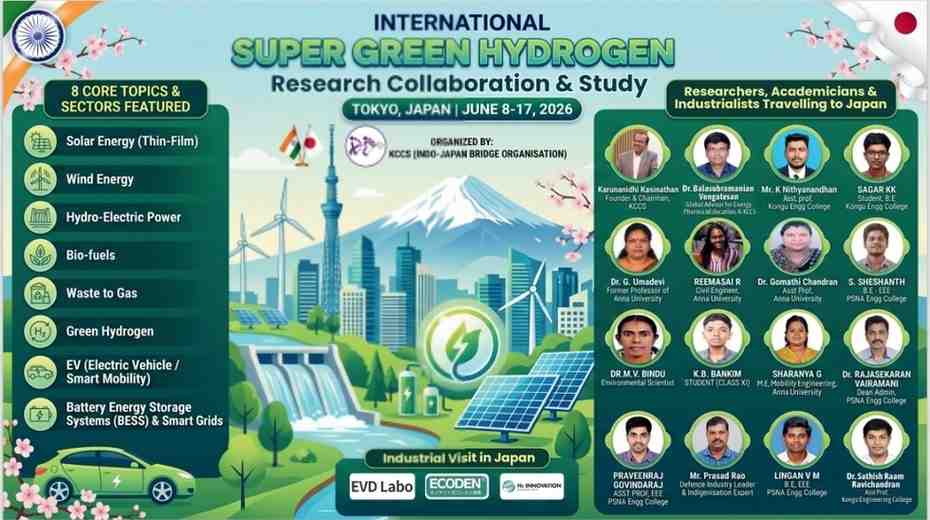
The 10-day education and industrial visit, scheduled from June 8 to 17, 2026, will focus on Japan’s emerging technologies in green hydrogen, fuel cells, solar energy, wind energy, hydro-electric power, biofuels, waste-to-gas, battery energy storage systems, smart grids and electric mobility.
 The visit assumes significance at a time when green hydrogen is increasingly being seen as a future renewable fuel for cars, buses, trucks, ships and industrial applications. Sectors such as oil and gas, fertilizer plants and chemical industries, which currently depend heavily on grey hydrogen, are expected to gradually shift towards green hydrogen as countries move closer to greenhouse gas reduction and net-zero targets.
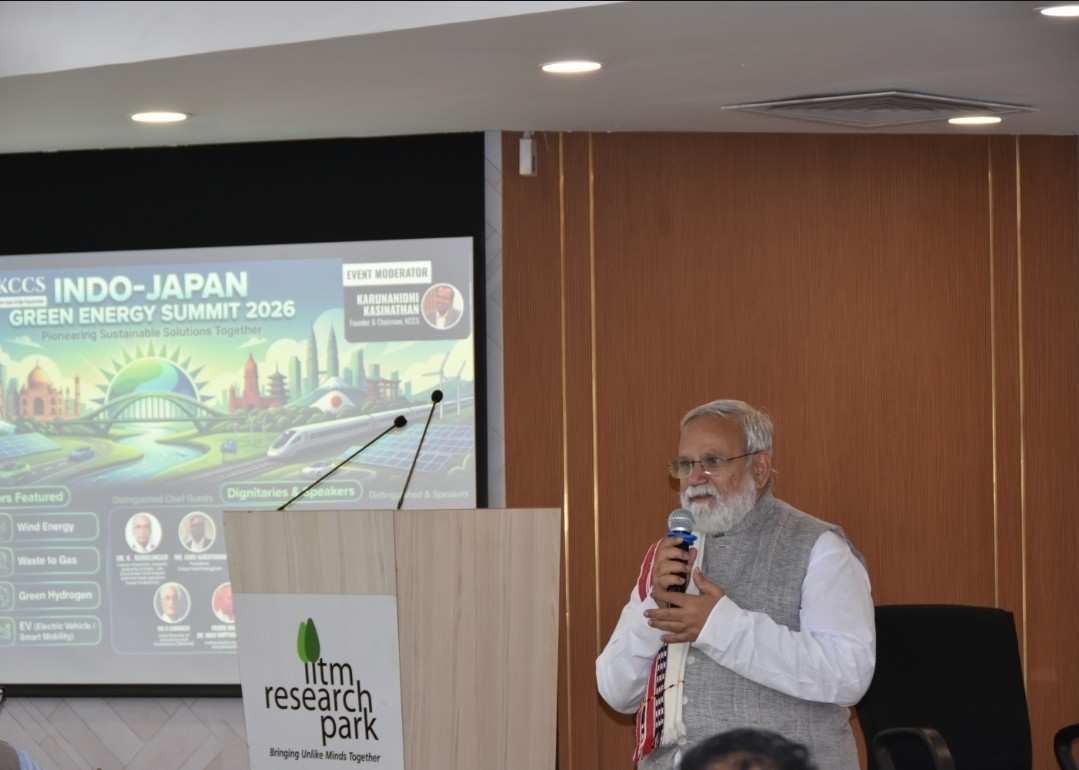
Karunanidhi Kasinathan said the initiative was aimed at creating a strong bridge between Indian academia, industry and Japan’s advanced renewable energy ecosystem. “KCCS Indo Japan will make the greatest impact in our industry-academia collaborations in the latest innovation and invention,” he said.
 The participating institutions include Anna University, Kongu Engineering College, Erode, and PSNA College of Engineering and Technology, Dindigul. According to the organisers, the Indian delegation will visit three Japanese companies working in the green hydrogen space during the Tokyo programme.
The delegation includes Karunanidhi Kasinathan, Founder and Chairman, KCCS; Dr. Balasubramanian Vengatesan, Global Advisor for Energy, Pharma and Education, KCCS; Mr. K. Nithyanandhan, Assistant Professor, Kongu Engineering College; Sagar KK, B.E. student, Kongu Engineering College; Dr. G. Umadevi, former professor, Anna University; Reemasai C, Civil Engineer, Anna University; Dr. Gomathi Chandran, Assistant Professor, Anna University; S. Sheshanth, B.E. EEE student, PSNA Engineering College; Dr. M.V. Bindu, Environmental Scientist; K.B. Bankim, student; Sharanya G, M.E. Mobility Engineering, Anna University; Dr. Rajasekaran Vairamani, Dean Admin, PSNA Engineering College; Praveenraj Govindaraj, Assistant Professor, EEE, PSNA Engineering College; Mr. Prasad Rao, Defence Industry Leader and Indigenisation Expert; Lingam V.M., B.E. EEE student, PSNA Engineering College; and Dr. Sathish Raam Ravichandran, Assistant Professor, Kongu Engineering College.
 As part of the programme, the delegation is expected to interact with Japanese innovators and industrial players working on hydrogen production, storage and fuel cell systems. A major highlight of the visit will be a meeting in Tokyo on June 13 with Hiroshi Nakajima, President and CEO of FC-R&D Co., Ltd., who has been introduced by the organisers as a pioneering figure in hydrogen and fuel cell technologies. Nakajima’s profile shared for the programme highlights his long career in advanced manufacturing and energy technologies, including fuel cell development, hydrogen storage media development and several fuel-cell-related patents.
The programme is also expected to expose the Indian delegation to Japanese companies and innovators such as EVD Labo, where Mr. Sawada has been described by the organisers as the scientist and inventor behind the patented EVD Electron Vibration Decomposition low-cost green hydrogen generation method.
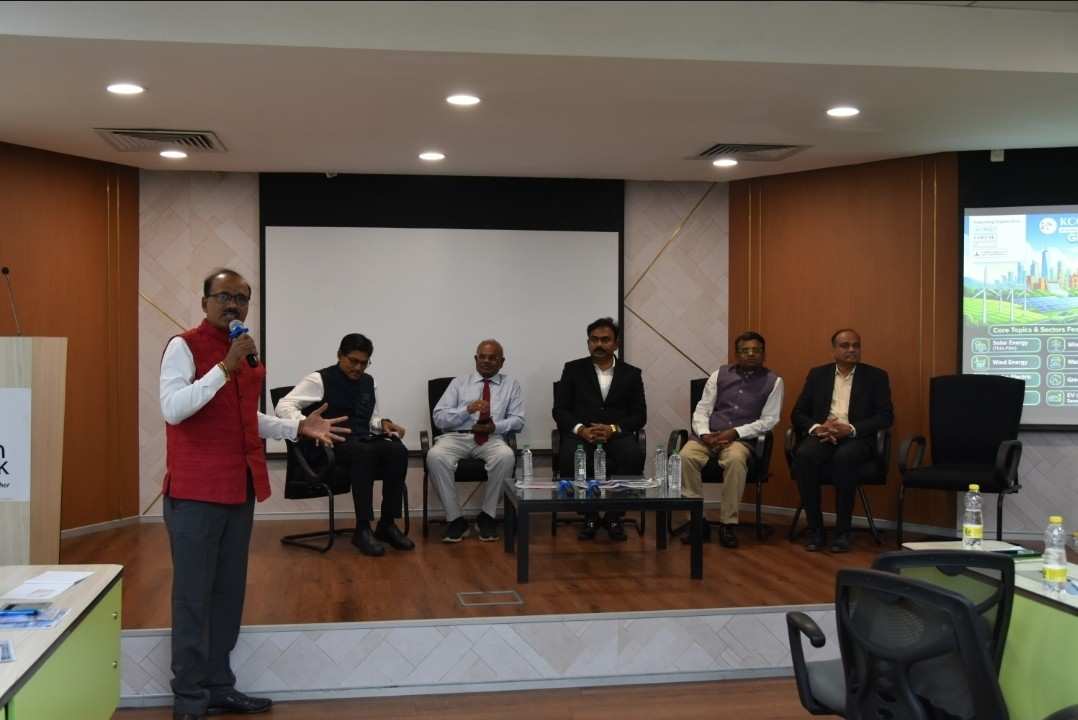
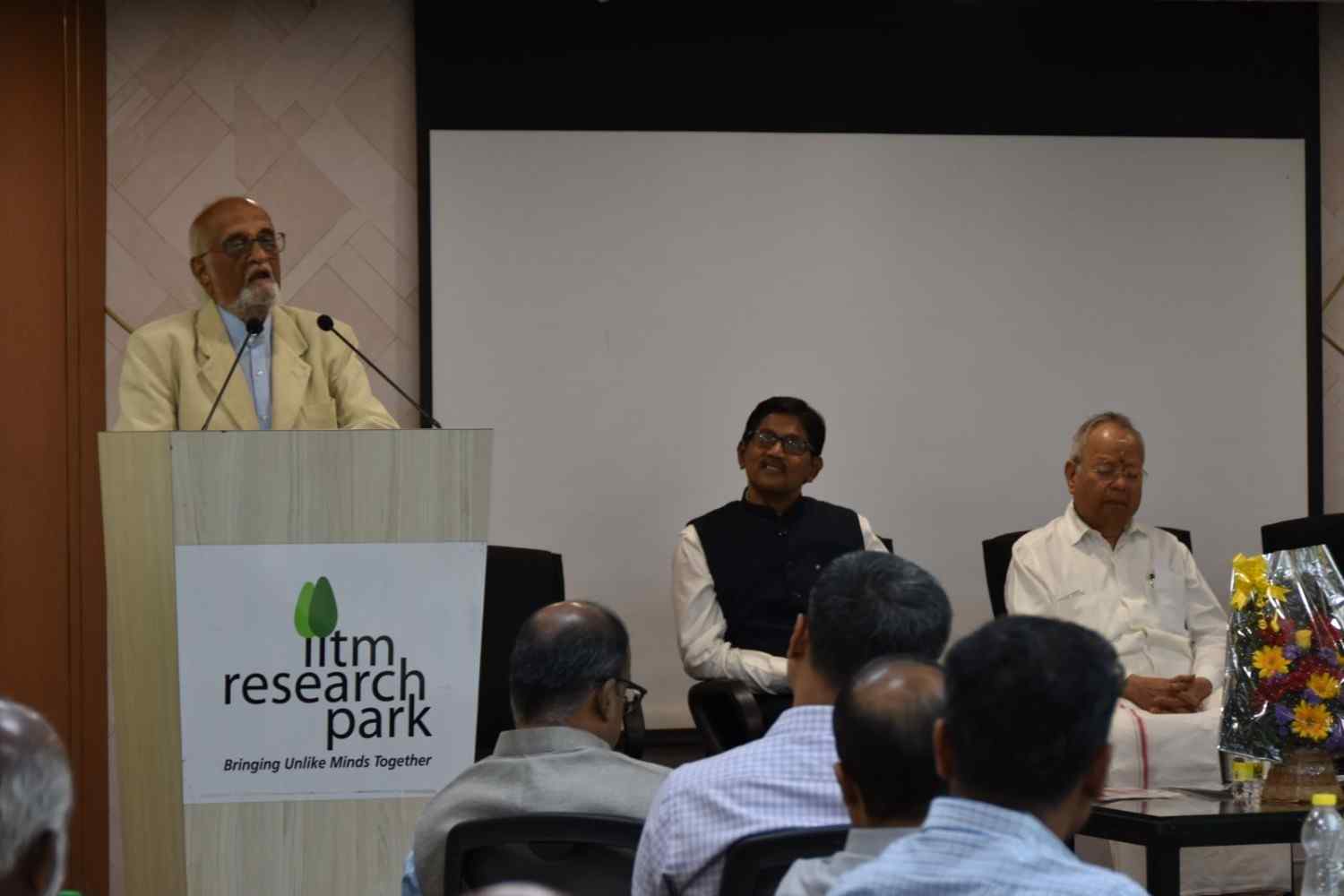
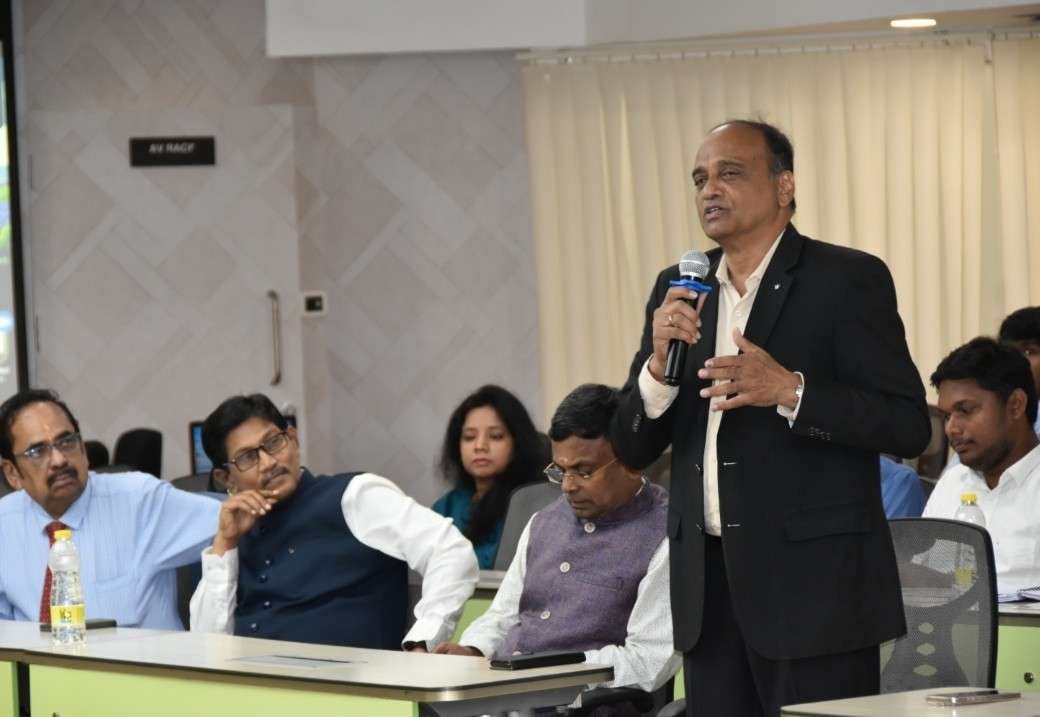 Before the Japan visit, an orientation and knowledge session was organised on June 1 at IIT Madras Research Park, where energy experts, scientists, academicians, industry leaders and students discussed the future of green and clean energy cooperation between India and Japan.
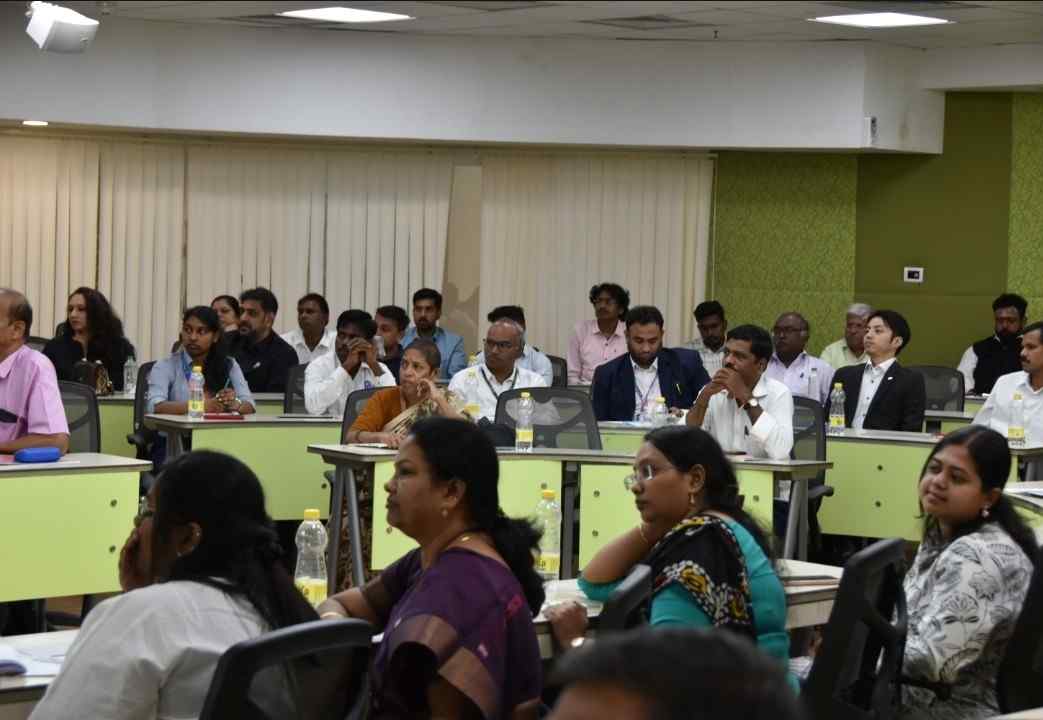
The IIT Madras session was attended by more than 100 participants from the renewable energy ecosystem. The organisers said the session featured discussions on green hydrogen, electric vehicles, solar energy, biogas and other areas of green technology.
Former CPCL Chairman Ramalingam, who is 89, was among the prominent speakers at the orientation. Karunanidhi said Ramalingam “enthralled the audience with the highest energy” and described him as a humble nation-building personality who had worked with leaders and institutions across India’s oil and gas and industrial sectors.
Dr. Pasupathy, Food Scientist and FSSAI Advisor, also attended as one of the chief guests, along with respected industrialist and philanthropist Nalli Kuppusamy Chettiar.
The session also witnessed participation from several green energy voices, including Solar Sethuraman, Dr. C.K. Ashok Kumar, Founder of First World Community, and panelists such as Mr. Mananathan, Mr. Mayil Velnathan, Mr. Vengatesan and Mr. Sethuraman. Dr. G. Umadevi, former dean and professor at Anna University, also addressed the gathering and stressed the importance of building a research mindset among students and faculty members.
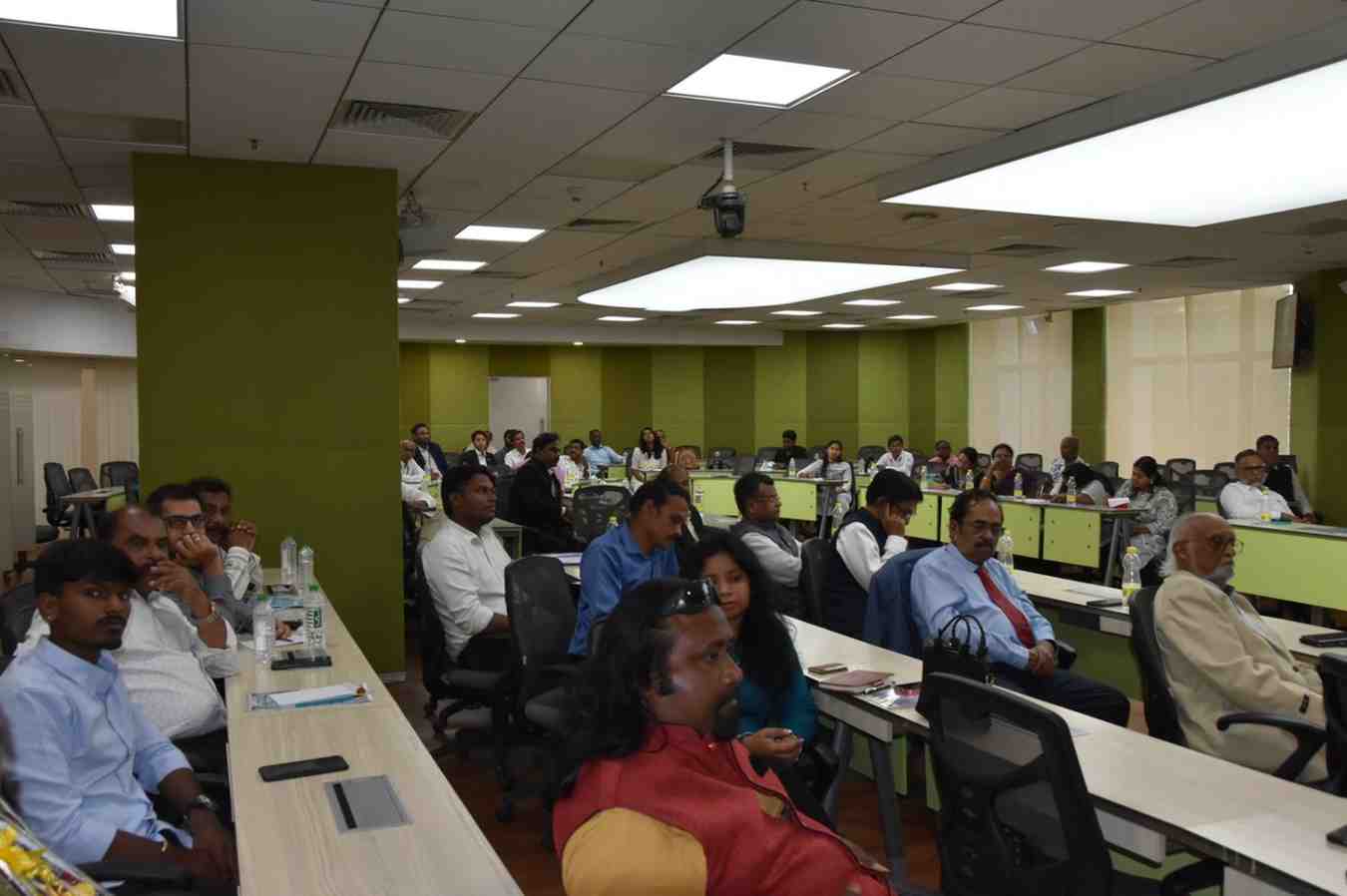 Karunanidhi said the IIT Madras Research Park meeting had created strong momentum before the Japan visit.
“We will measure how this energy summit converts into outcome and output for all in renewable energy,” he said.
The visit is being supported by organisations including ENFUSE, FWC, Japan Chambers, Indo Japan Association and others. The organisers believe the initiative will help create a landmark contribution to India-Japan renewable energy collaboration, particularly as the Indian government continues to give major thrust to green hydrogen through subsidies, grants and R&D support.
 With India aggressively pursuing its green hydrogen mission and Japan already recognised globally for its advanced fuel cell and clean energy technologies, the KCCS-led delegation’s visit is expected to open new pathways for academic research, technology exposure, industrial collaboration and student-led innovation in the clean energy sector.