

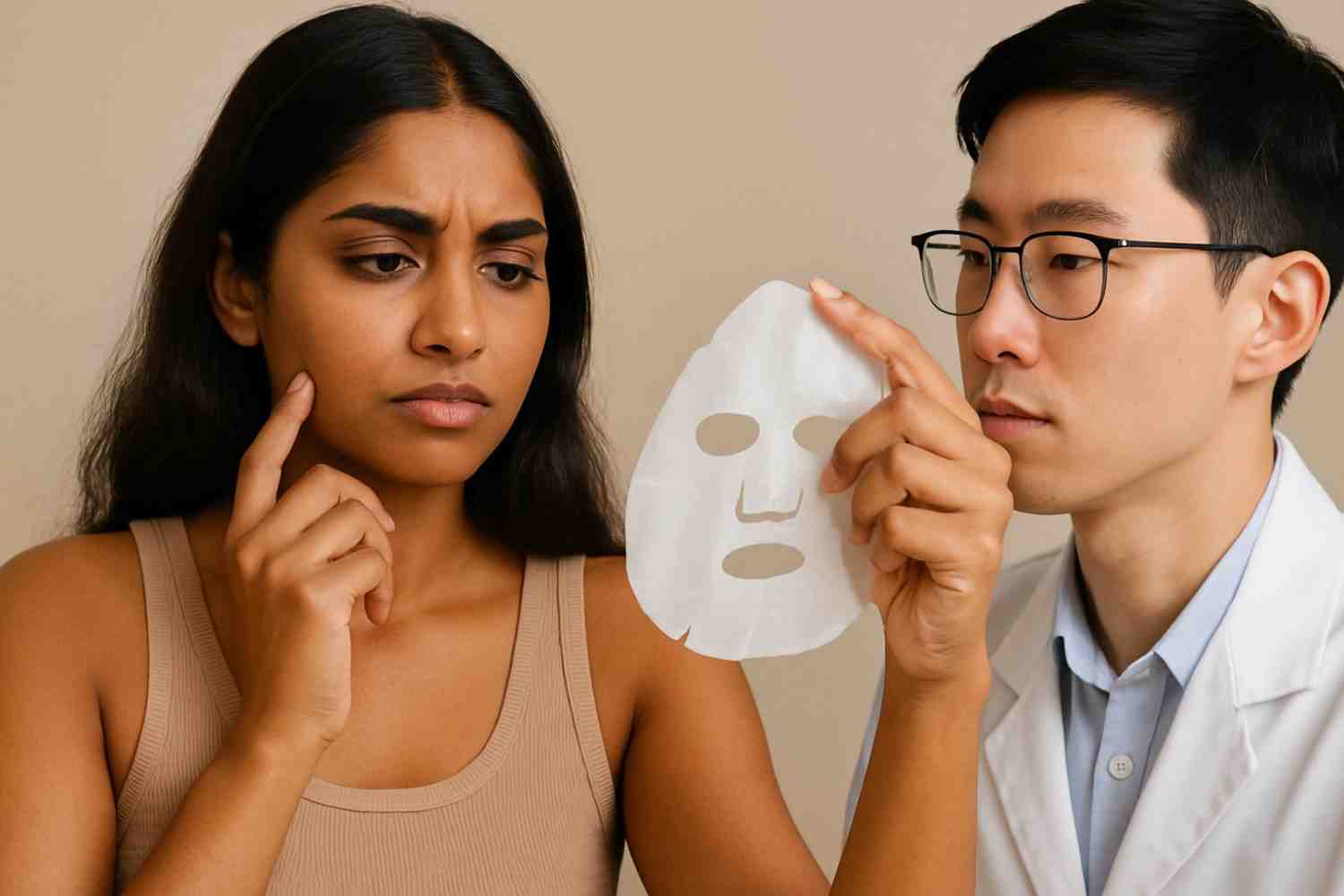
New Delhi, India, August 7, 2025 — K-Beauty, short for Korean beauty, has taken the global skincare market by storm with its glowing skin goals, multi-step routines, and unique ingredients. In India too, K-Beauty has become increasingly popular, especially among the younger generation looking for soft, glass-like skin. However, the growing question remains: Is K-Beauty truly safe and effective for Indian skin types, which often deal with different climatic, genetic, and environmental factors?
Indian skin tends to be more melanin-rich, which offers some natural protection from UV rays but also makes it more prone to pigmentation, tanning, and dark spots. Moreover, Indian skin varies from oily and acne-prone in humid regions to dry and sensitive in colder, drier areas. On the other hand, K-Beauty products are designed for Korean skin, which is generally fairer, thinner, and adapted to a temperate climate. This mismatch in needs makes it necessary to examine whether these products are suitable for Indian users.
One of the biggest appeals of K-Beauty is its use of gentle, hydrating, and natural ingredients like snail mucin, green tea, rice water, and ginseng. These components are known for their soothing and anti-aging properties, which are beneficial for many skin types. For Indian skin that is often exposed to harsh sunlight and pollution, these hydrating elements can be incredibly refreshing and healing. However, some ingredients may not be effective on deeper pigmentation or could lead to breakouts if the skin is already oily.
Another aspect of concern is the layering technique used in the K-Beauty routine. Typically involving 7 to 10 steps, the Korean skincare routine may include cleansing, toning, essence, serums, emulsions, ampoules, moisturizers, and sunscreens. While this method works well in Korean weather, which is mild and dry, the same might overwhelm Indian skin, especially in hot and humid climates. Applying too many products may clog pores and lead to breakouts in Indian conditions if one is not careful.
Furthermore, Indian dermatologists often caution users to look at the ingredient list carefully. K-Beauty products sometimes include alcohol, fragrances, or certain preservatives that may irritate sensitive Indian skin. Since regulatory standards vary between Korea and India, it is important for consumers to patch-test products before full use. Consulting a dermatologist before committing to a new regimen is also advisable, particularly for those with existing skin conditions like eczema, rosacea, or cystic acne.
On the positive side, many K-Beauty brands are now becoming more inclusive and creating products for global skin types. Formulations are being adjusted to suit warmer climates and darker skin tones, and some Indian skincare startups are even borrowing from the K-Beauty philosophy while customizing for Indian needs. This hybrid approach is gaining popularity, offering the best of both worlds—Korean innovation and Indian suitability.
Experts also emphasize the importance of understanding your own skin type before diving into a trend. Just because a product works for Korean influencers or celebrities doesn’t guarantee it will work for everyone. K-Beauty can be safe for Indian skin, but only when used mindfully and selectively. Skincare is not a one-size-fits-all process, and what matters more is how a product interacts with your unique skin biology.
In conclusion, K-Beauty is not unsafe for Indian skin, but it’s not universally perfect either. With the right knowledge, careful selection, and guidance, Indian users can enjoy the benefits of K-Beauty—glowing, hydrated, and healthy skin—without compromising on safety. Personalization and moderation are key to unlocking the full potential of Korean skincare in the Indian context.
For anyone inspired by the dewy skin of Korean stars, it’s worth remembering that true skincare success comes from understanding one’s own needs and being consistent rather than chasing trends blindly. When used wisely, K-Beauty can complement Indian skin beautifully, offering a refreshing alternative to conventional routines.