‘NIRBHAY Edition 2’ Brings India’s Diverse Artistic Voices Together at India Habitat Centre
Luna Arts’ 22nd exhibition gave 33 artists from across India a prominent platform to engage with viewers, critics and cultural personalities, while guests praised founders Tushar Kumar and Smita Biswas for widening access to the country’s evolving art ecosystem.

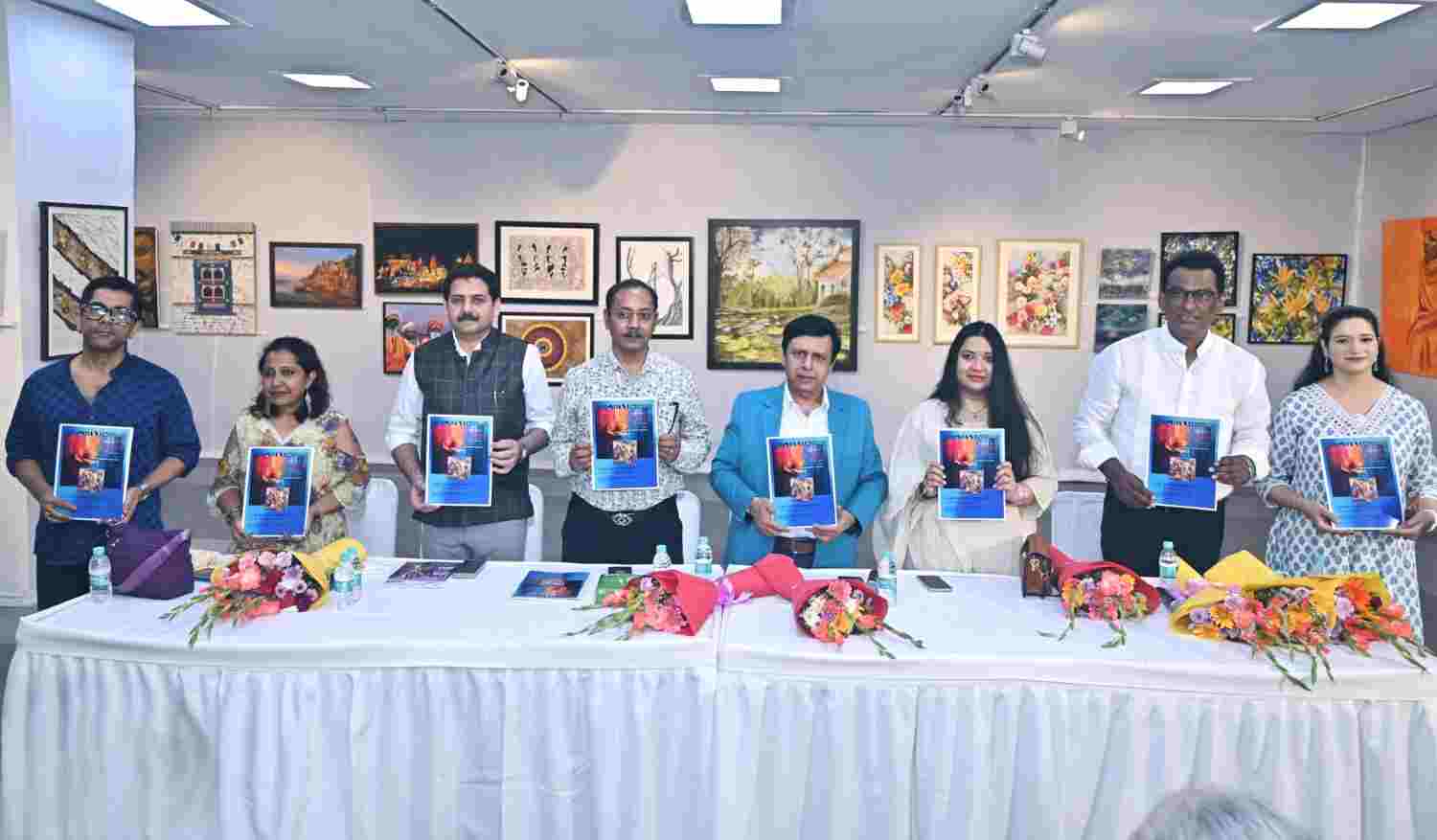
New Delhi: More than a display of paintings and sculptures, Luna Arts’ “NIRBHAY Edition 2” emerged as a meeting ground for artists, critics, academics, cultural personalities and the public, reflecting the growing diversity and confidence of India’s contemporary art sector.
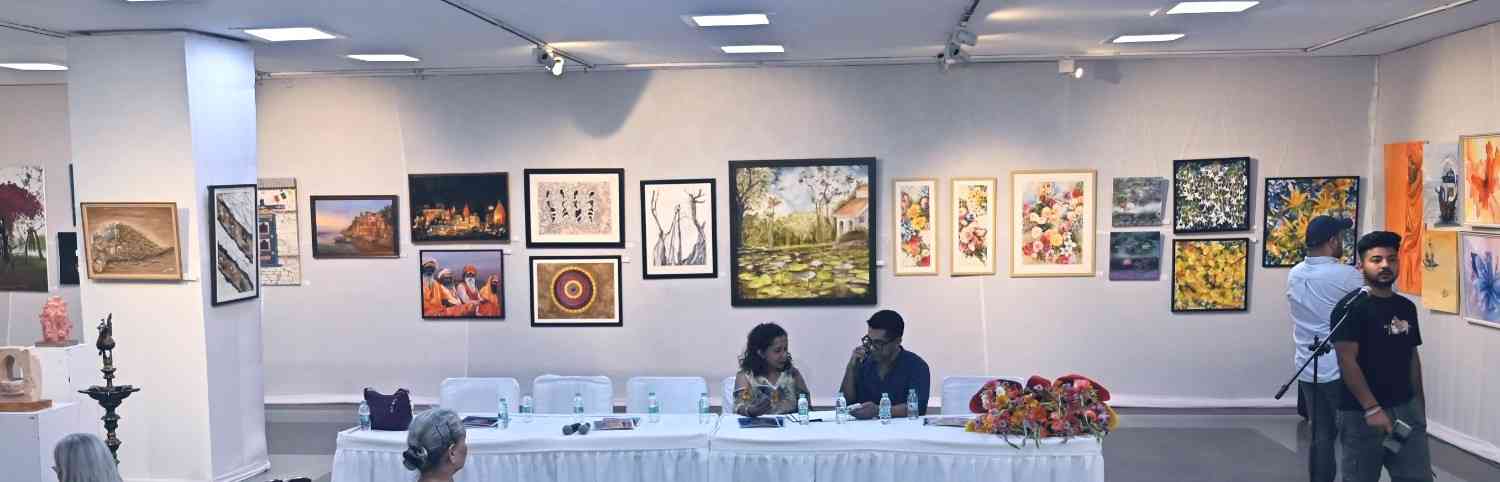
Inaugurated at the Open Palm Court of the India Habitat Centre in New Delhi on August 22, the exhibition brought together 33 artists from across the country. Their works offered varied interpretations of identity, nature, society, emotions and lived experiences through distinctive visual styles and creative techniques.
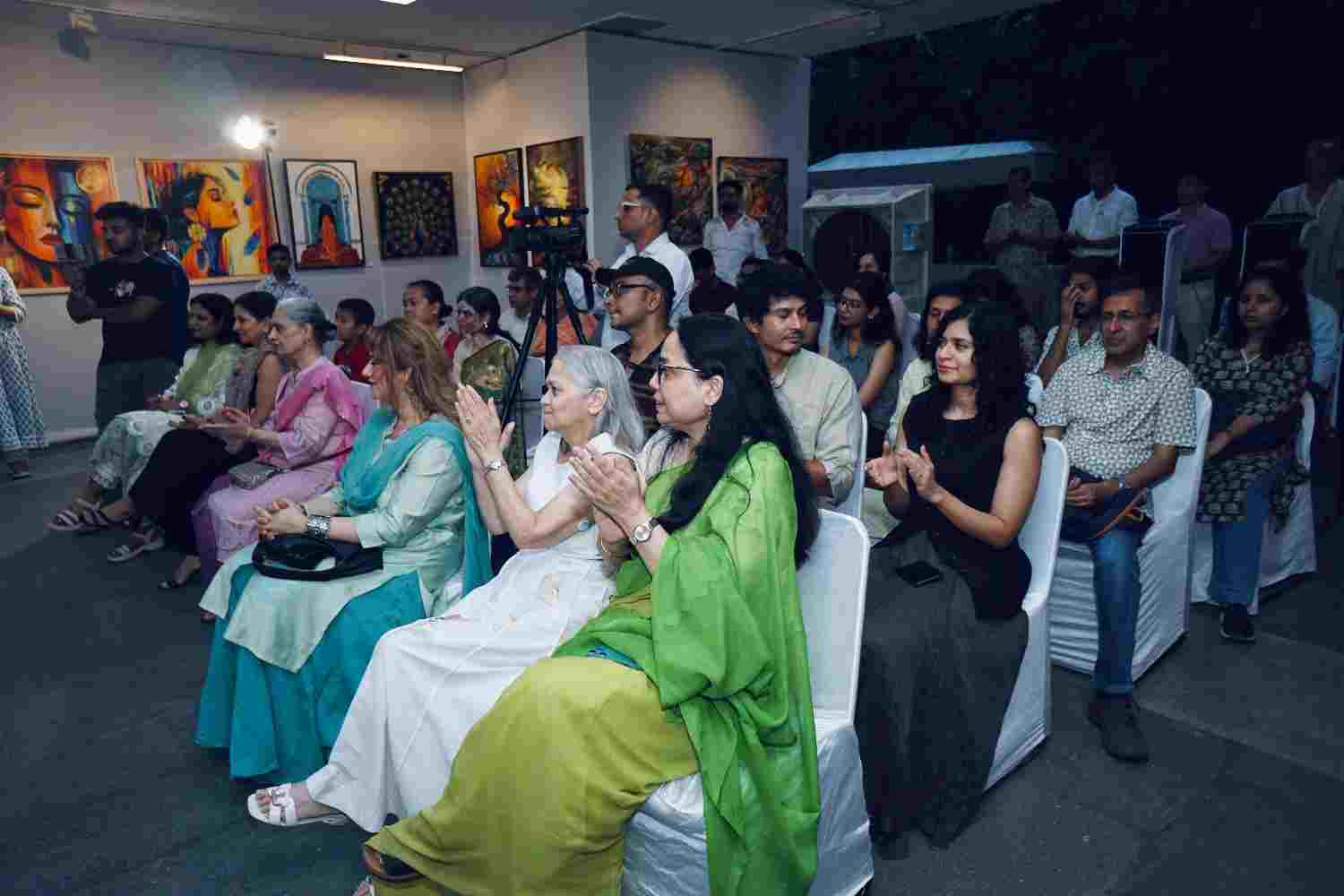 The exhibition, which remained open for public viewing until August 26, marked Luna Arts’ 22nd presentation in Delhi NCR and its third at the India Habitat Centre—an important milestone for the Noida-based art venture founded by Tushar Kumar and Smita Biswas in December 2019.
The opening ceremony drew distinguished guests from art, culture, law, academia, and the media. Among them were celebrated visual artist Ajay Samir; creative director and art critic Qazi M. Raghib; Supreme Court advocate, author and researcher Dr Chitranjali Negi; Dr Bhupesh Chandra Little, Associate Professor of Photography and Applied Art at Jamia Millia Islamia; and Sanjeev K Ahuja, Founder and Editor-in-Chief of Asian Community News Network.
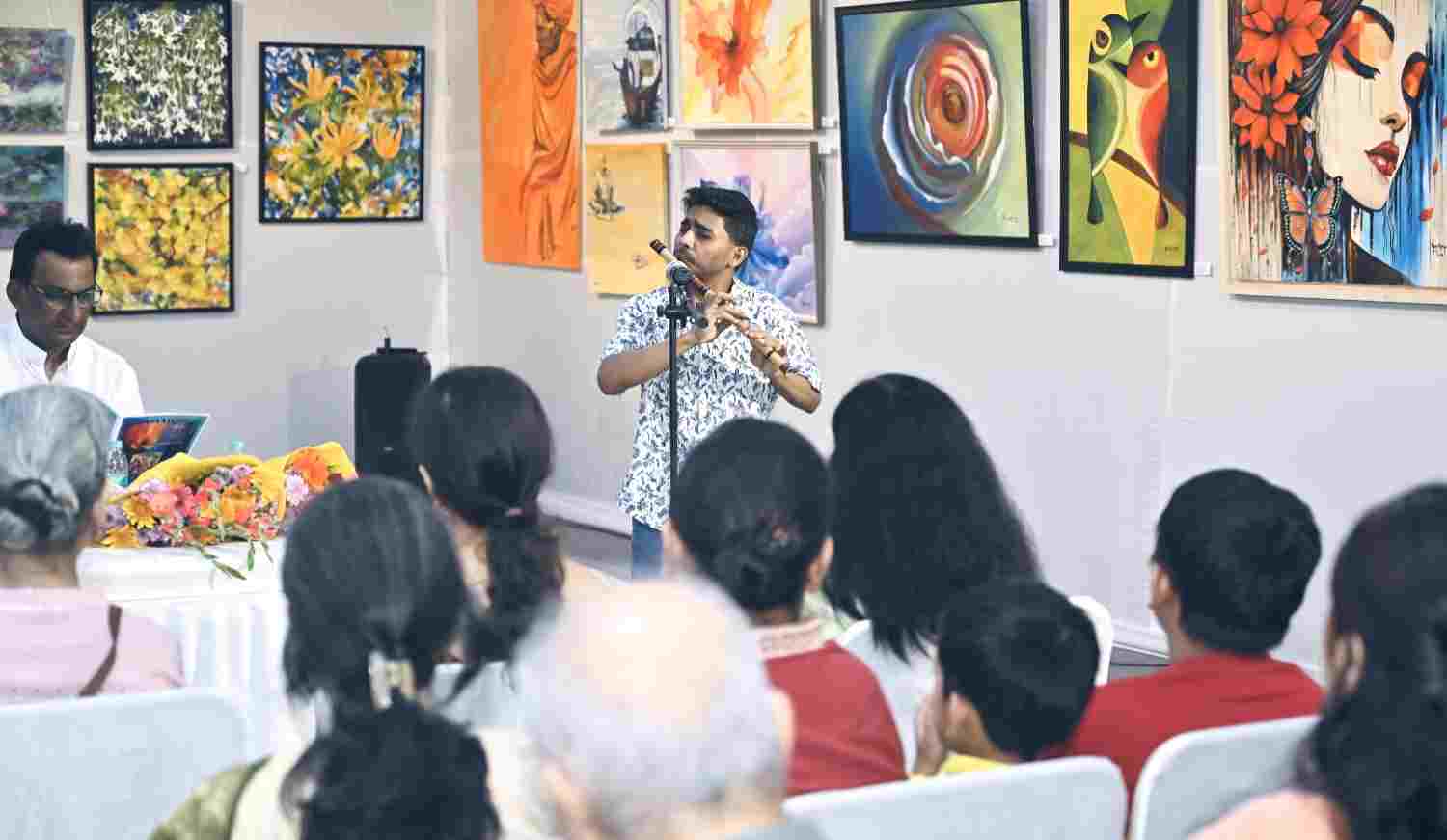
The programme combined visual art with Indian classical music, as multidisciplinary artist Surendra Kumar delivered a live performance during the inauguration. His presentation created a dialogue between music and the paintings and sculptures displayed across the gallery, giving the opening ceremony a multidisciplinary cultural character.
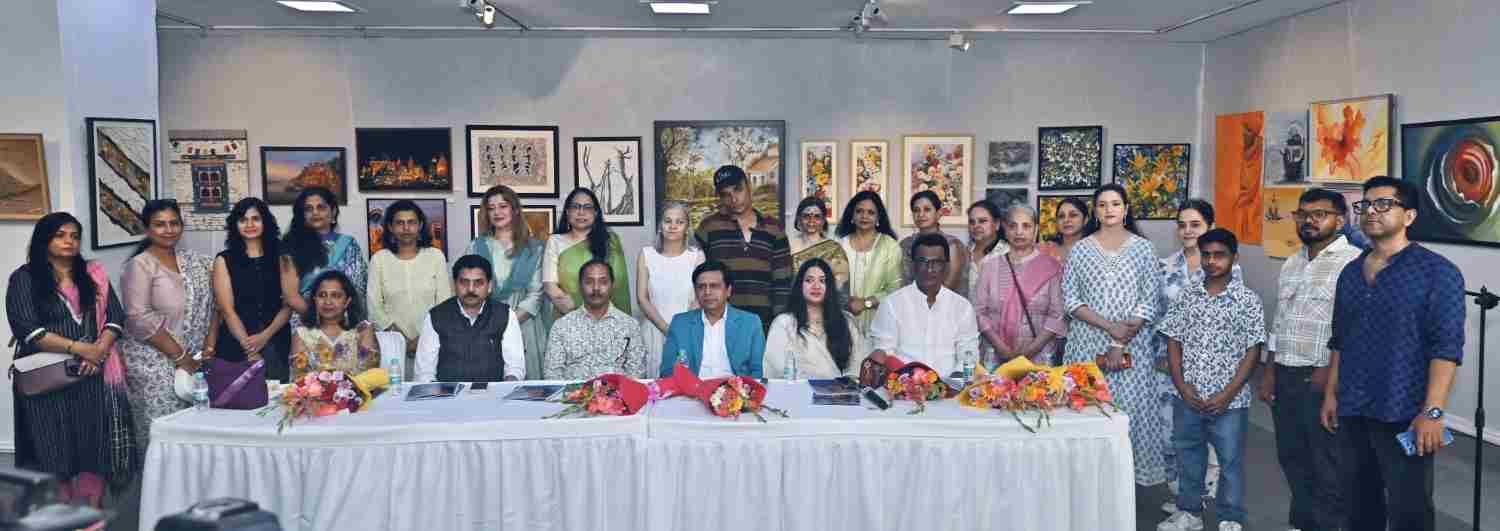 A platform for India’s expanding art ecosystem: The geographical diversity of the participating artists was among the exhibition’s most significant features. Artists from Delhi NCR shared the platform with practitioners from Mumbai, Surat, Kolkata, Chennai, Puducherry, Lucknow, Jaipur, Indore, Jabalpur, Bhubaneswar, Karnataka, Nagaland and other regions.
This cross-regional participation allowed visitors to encounter a wide spectrum of subjects, cultural influences and artistic practices within one exhibition. Emerging artists also received an opportunity to present their works alongside more experienced practitioners and interact directly with critics, academics, fellow artists and members of the public.
Qazi M. Raghib said initiatives such as NIRBHAY were helping broaden the foundations of India’s contemporary art movement by creating space for artists who might otherwise struggle to access established galleries and cultural institutions.
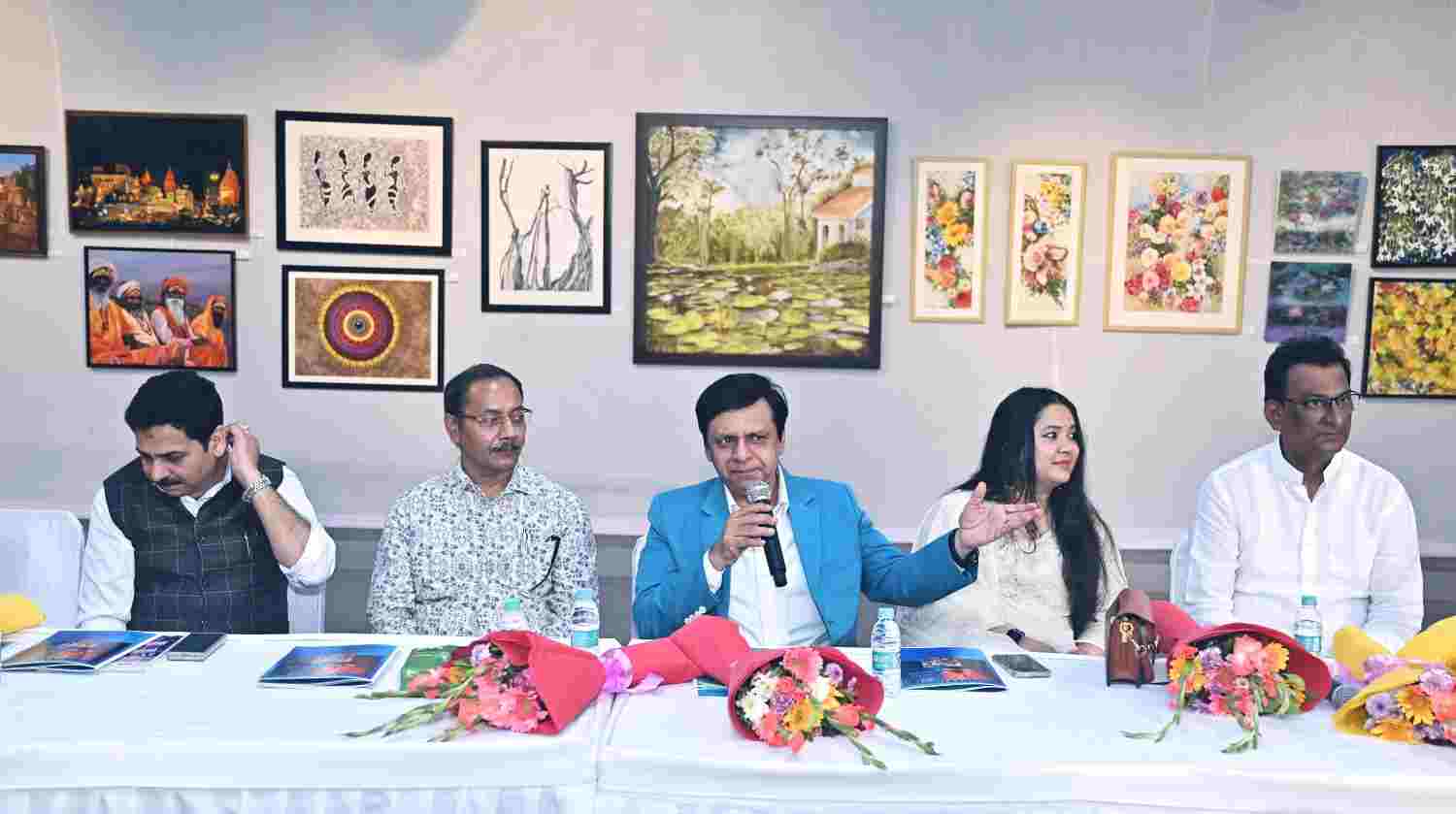 “India’s art sector is developing rapidly, not only in the metropolitan centres but also across smaller cities and regions. The real strength of NIRBHAY lies in bringing these different voices together and allowing the public to experience India’s artistic diversity on one platform,” Raghib said.
Praising Luna Arts’ founders, he added that Tushar Kumar and Smita Biswas had shown consistency in building an accessible platform for artists.
“Organising 22 exhibitions requires vision, commitment and sustained engagement with the artistic community. Tushar and Smita deserve appreciation for giving visibility to both emerging and established artists and for creating opportunities for meaningful interaction between artists and audiences,” he said.
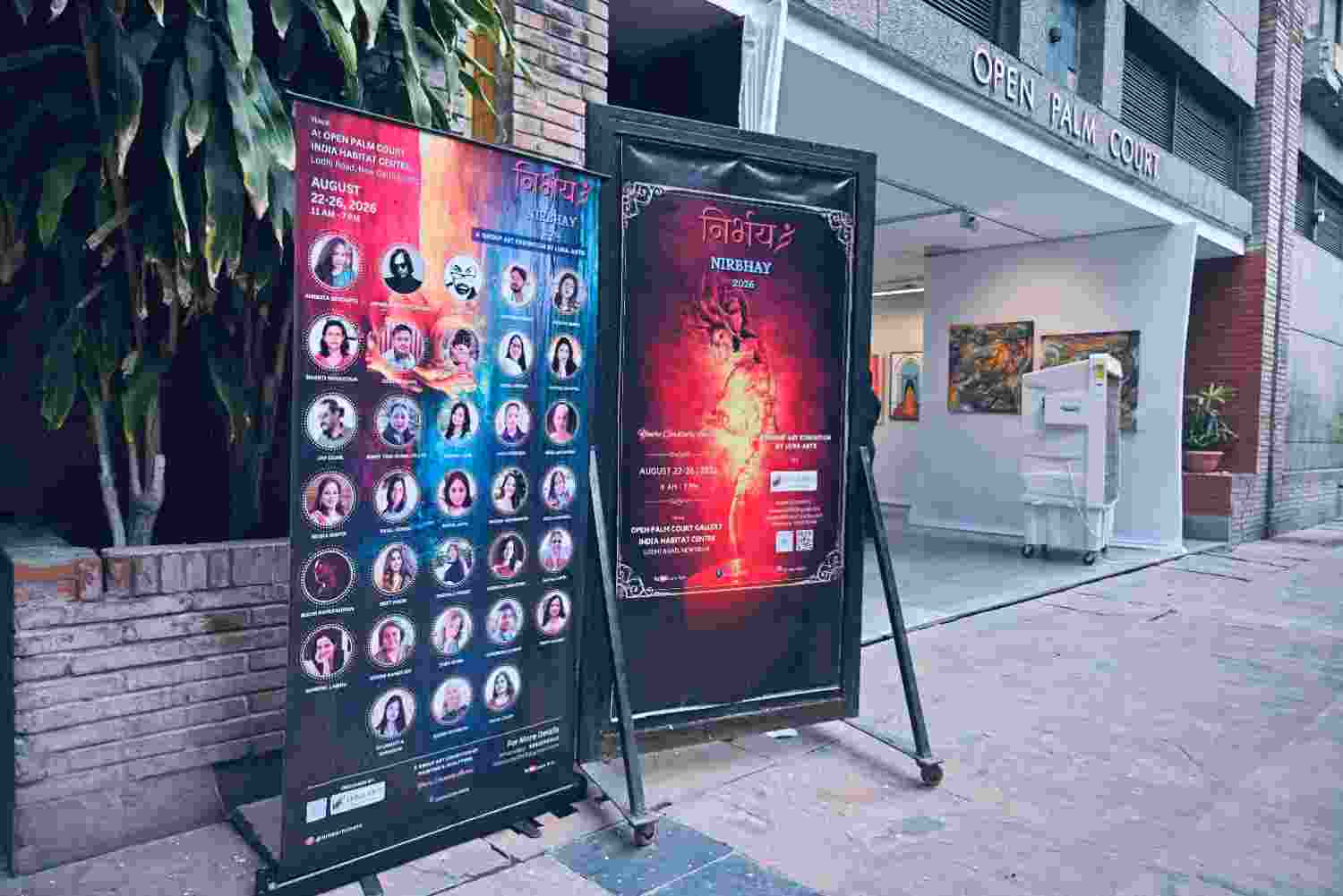 Art as an expression of courage: The title “NIRBHAY,” meaning fearless, acquired relevance through the diversity and individual expression visible in the exhibits. Rather than imposing a single curatorial theme or visual language, the exhibition encouraged artists to present their respective creative identities with freedom.
The displayed works ranged from figurative and abstract compositions to explorations of nature, spirituality, human relationships and contemporary life. Sculptural works added another dimension to the exhibition, allowing viewers to experience artistic ideas through form, texture and physical space.
Dr Chitranjali Negi said art played an important role in enabling individuals and communities to articulate ideas that were sometimes difficult to express through conventional language.
“Art gives people the courage to question, interpret and communicate. An exhibition such as NIRBHAY allows artists to speak without fear while enabling viewers to encounter perspectives different from their own,” Dr Negi said.
She also appreciated Luna Arts for sustaining an inclusive artistic platform.
“Tushar Kumar and Smita Biswas have created more than a sequence of exhibitions. They are nurturing a community in which artists from different backgrounds can be seen, heard and encouraged. Such platforms are essential as India’s cultural and creative economy continues to expand,” she added.
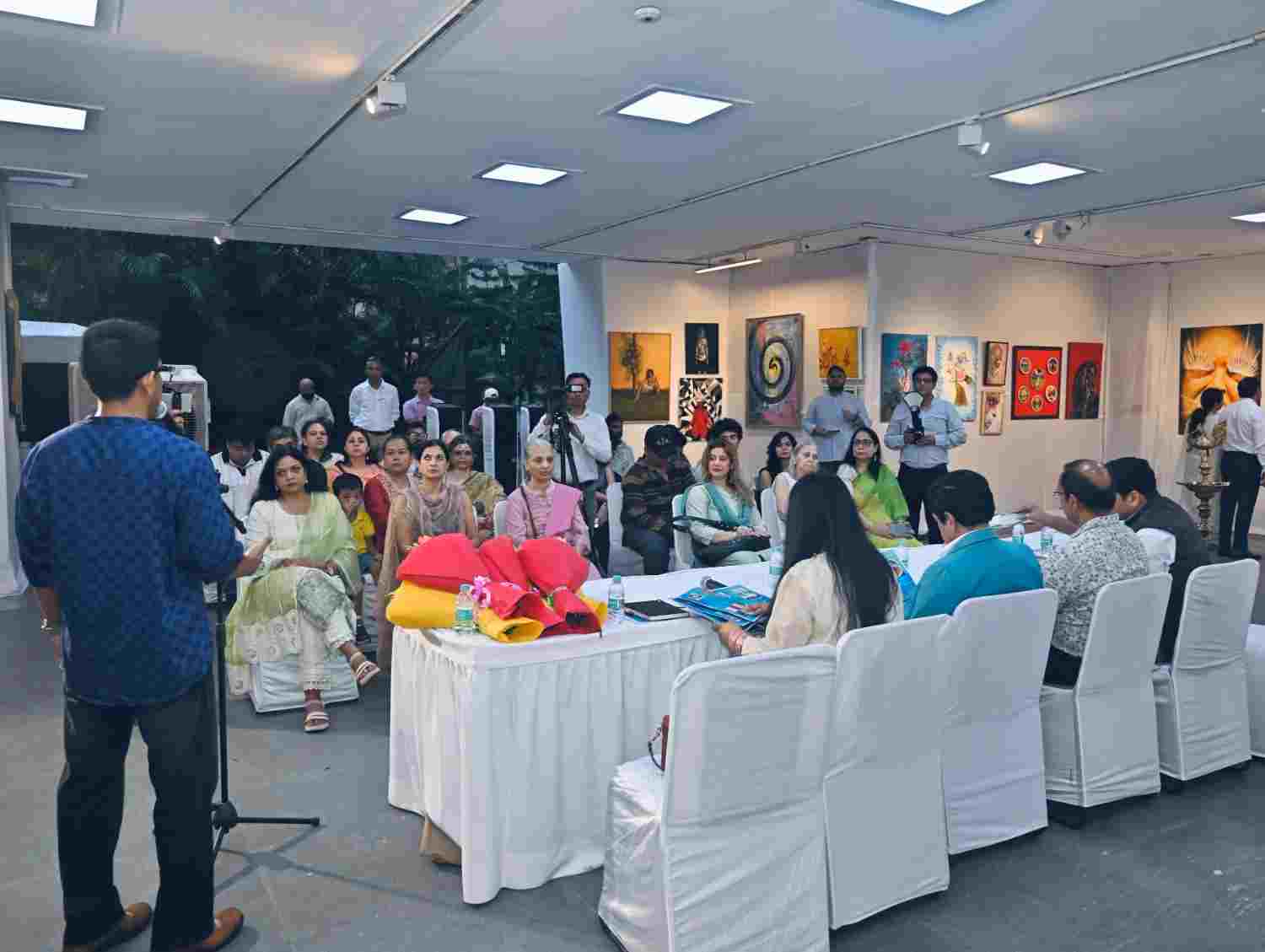 Greater public engagement needed: The guests observed that India’s art sector was witnessing greater public interest, increased participation by younger artists and a growing willingness among creators to experiment with new subjects and mediums. At the same time, they underlined the need for more accessible venues, institutional support, art education and sustained engagement with audiences.
Dr Bhupesh Chandra Little said group exhibitions could become valuable learning spaces by connecting formal art education with professional practice and public response.
“India has an enormous pool of artistic talent, but artists need opportunities to exhibit, receive feedback and understand how viewers respond to their work. Luna Arts is contributing to this process by bringing artists, teachers, critics and the public into a shared space,” he said.
He praised Tushar and Smita for ensuring representation from several regions and creative backgrounds.
“Their effort demonstrates that the development of Indian art cannot remain confined to a few recognised names or institutions. The sector will grow when new artists receive credible platforms and when audiences are encouraged to engage with art more closely,” Dr Little added.
Sanjeev K Ahuja spoke about the rising interests of artists from across the world especially the East Asian countries such as Japan, South Korea and Taiwan.
“The countries which are conventionally known as technology powerhouses in the automotive and chips and semiconductor manufacturing, are generating artists too. Many artists are visiting India from these countries and participating in art exhibitions and even setting their solo exhibitions too,” Ahuja said.
 From an art venture to an artistic community: Founded in December 2019, Luna Arts has gradually developed into a platform connecting artists from different parts of India with exhibition venues and audiences in the National Capital Region. Its core team comprises Smita Biswas, Tushar Kumar and Naila Praveen.
Through its successive art and photography exhibitions, the organisation has sought to provide visibility not only to established practitioners but also to artists who require opportunities to introduce their work to new audiences.
Tushar Kumar and Smita Biswas said the response to NIRBHAY Edition 2 reinforced their belief that artists needed inclusive and professionally presented platforms.
“Every exhibition introduces us to new artistic journeys and reminds us how much creative talent exists across India. Our objective is to give artists a respectful platform, bring their work before serious audiences and create relationships that continue beyond the duration of an exhibition,” they said.
 With its combination of regional representation, direct artist-audience interaction and multidisciplinary cultural programming, NIRBHAY Edition 2 demonstrated how independent initiatives could contribute to the democratisation of art.
For participating artists, it provided visibility and professional engagement. For visitors, it offered an opportunity to experience contemporary Indian art beyond familiar names and established categories. For Luna Arts, the exhibition marked another step in its journey towards building a more connected, inclusive and accessible art community.