India’s Growing Appetite for K-Food Calls for Localisation, Lower Tariffs and Better Cold Chains: aT Korea MD
Byun Kyung Yong (Kevin), Managing Director, Korea Agro Trade Center, Bangkok, aT Korea spoke with Sanjeev K Ahuja, Editor-in-Chief & CEO of Asian Community News (ACN) Network during the K-Food Fair at Pullman Hotel in New Delhi on July 30-31.

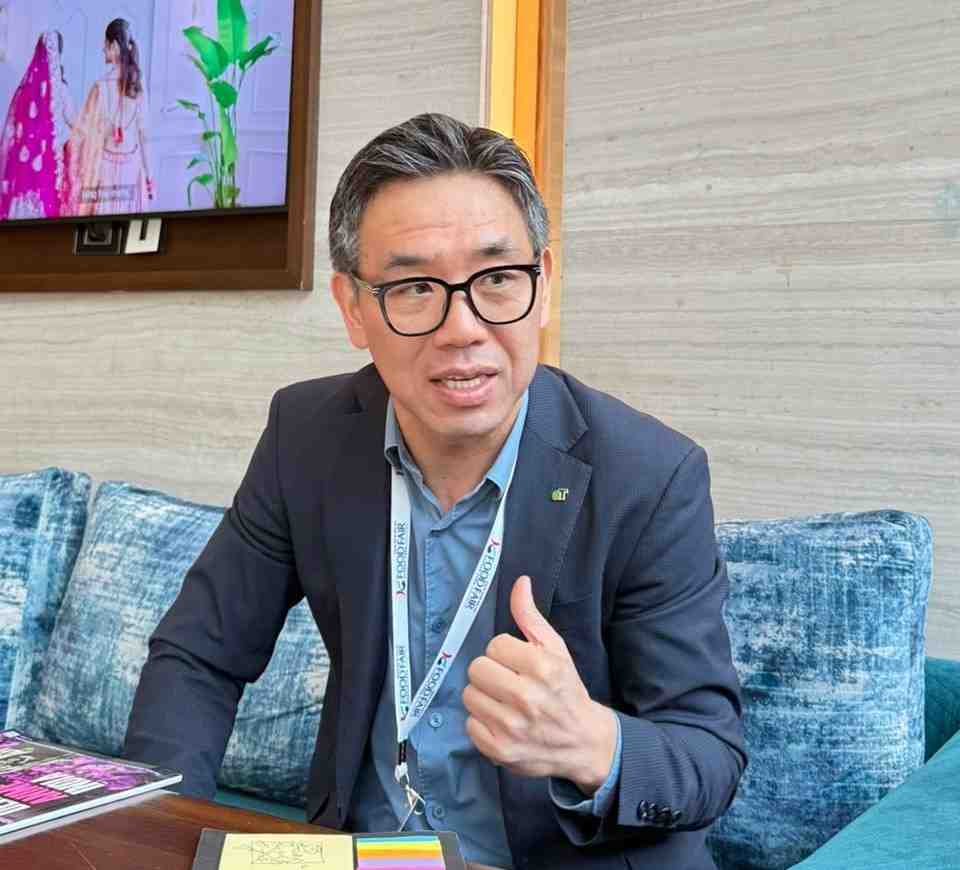
Kevin says the expanded four-day K-Food Fair reflects India’s increasing importance, but Korean exporters must understand vegetarianism, religious dietary practices, local tastes and market-entry barriers
New Delhi: India is becoming an increasingly important destination for South Korea’s food industry, but Korean exporters will need to localise their products, understand the country’s diverse dietary practices and work through regulatory and logistical challenges to build a wider consumer base, according to Byun Kyung Yong (Kevin), Managing Director of aT Korea.
Speaking to ACN Network on the sidelines of the K-Food Fair 2026, Kevin said the scale and format of this year’s event reflected the Korean food industry’s growing interest in the Indian market.
Unlike the previous edition held in Mumbai, which was limited to a two-day business-to-business programme, the 2026 fair was expanded into a four-day initiative. It comprised two days of B2B meetings in New Delhi, followed by two days of business-to-consumer activities in Gurugram.
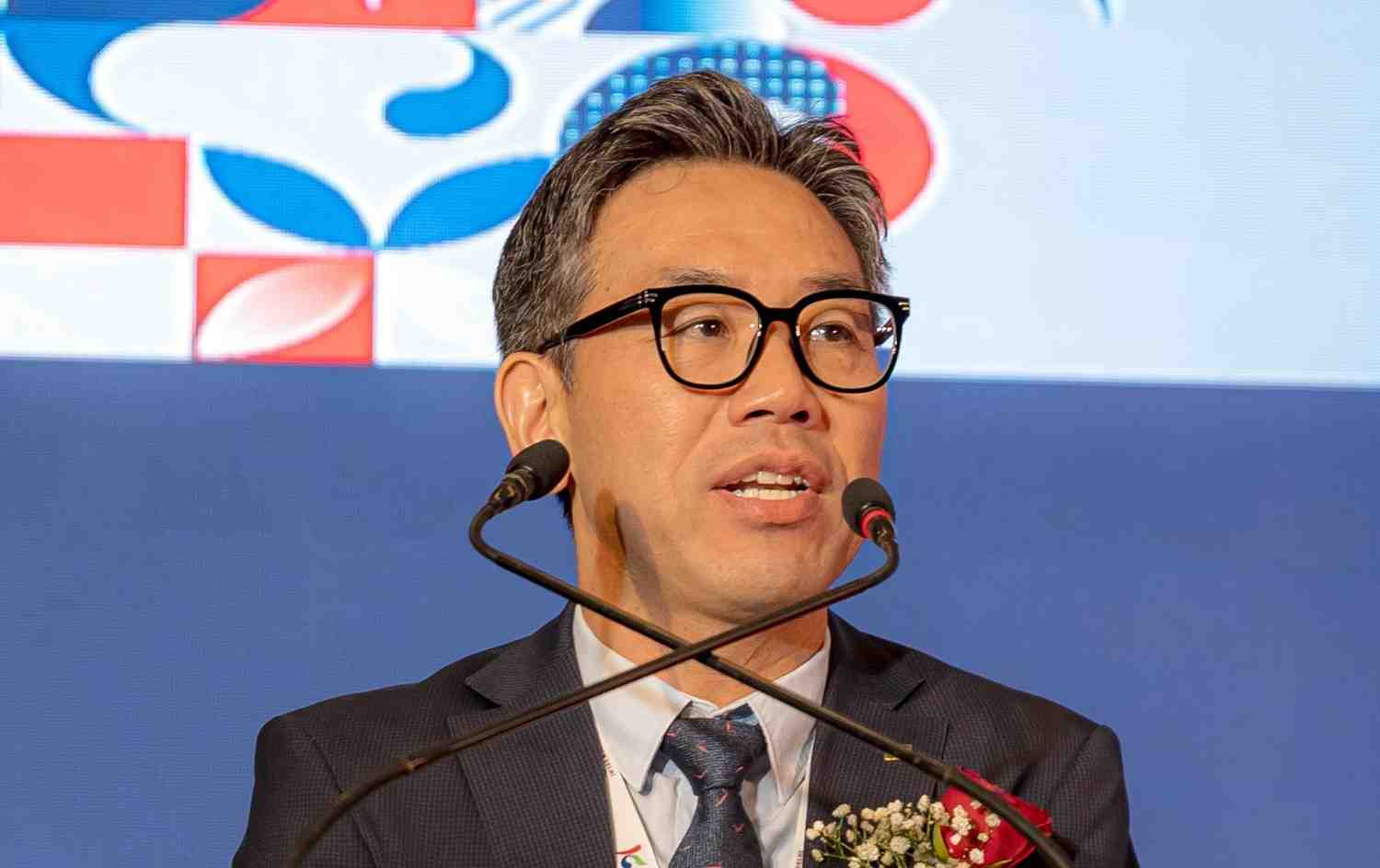
The number of participating Korean exporters also increased from around 20 last year to 30 this year. Some companies returned after participating in the previous edition, while new exporters joined the platform to assess opportunities in India.
“The Indian market is getting bigger for the Korean food industry, and it is becoming a very important market,” the aT MD said. He added that the consumer-facing segment had been introduced to take Korean food directly to local residents rather than limiting the fair to meetings between exporters, importers and distributors.
“The purpose of the B2C programme is to introduce Korean food to Indian consumers as well. It allows people to taste the products, understand them and give direct feedback,” he said.
Fair doubles as a market-learning platform: Kevin said the K-Food Fair was not only a promotional event but also an important learning platform for Korean companies.
The interaction with Indian buyers and consumers enables exporters to understand which products, flavours, ingredients, and formats are likely to be accepted in the country. It also helps them recognise where product changes may be necessary.
“Korean exporters can receive feedback on Indian preferences and better understand what kind of products, tastes and formats may work in this market,” he said.
For many participating companies, the fair offers an initial opportunity to test the Indian market before making larger investments in distribution, regulatory approvals or local partnerships.
Regulatory and customs barriers remain a challenge: Despite the market’s potential, Kevin acknowledged that Korean food companies face several challenges when entering India.
Customs procedures, product registration and compliance with Indian market regulations can make the process difficult, particularly for small and medium-sized exporters unfamiliar with local requirements.
“There are many challenges and barriers, including customs procedures and the registration of companies and products in the Indian market,” he said. “Despite these difficulties, Korean companies believe that India is important.”
He said exporters needed dependable Indian partners who could help them understand regulations, distribution channels and consumer expectations.
Dietary diversity demands careful product planning: One of the most significant challenges for Korean food producers is India’s highly diverse dietary landscape.
The aT MD pointed out that India has large vegetarian and non-vegetarian populations, along with a growing number of vegan consumers. Food companies must also understand the importance of the green and red symbols used on packaged food products to indicate vegetarian and non-vegetarian ingredients.
Korean cuisine frequently uses meat or seafood-based stocks. Meat may be boiled for long periods in soups and broths to develop a richer flavour, but such products cannot be marketed to vegetarian consumers in India without substantial reformulation.
“When Korean companies plan to export to India, they have to think carefully about the food habits of the people and identify who would be able to consume their products,” he said.
India’s religious diversity introduces further considerations. Some communities avoid particular ingredients, while certain consumers do not eat root vegetables for religious reasons.
These differences mean that a single product formulation may not be suitable for the entire market.
Kevin cited ginseng as an example of a traditional Korean ingredient that may require adaptation. Since Indian consumers may not immediately accept its naturally bitter taste, ginseng can be blended with fruits or offered in more familiar flavour combinations.
“Local consumers may not have a palate for the bitter taste of ginseng, so it can be mixed with fruits to make it more acceptable,” he said.
Localisation essential for mass-market reach: To make Korean food more accessible—especially to young people and mainstream households—Kevin stressed the need for localisation.
This could involve combining Korean ingredients with Indian flavours, modifying spice levels, developing vegetarian alternatives and creating formats that suit Indian cooking and eating habits.
“We need localisation of Korean food,” he said. “Korean ingredients may be combined with Indian ingredients so that the product is better suited to the Indian palate.”
The objective, he added, should not be to remove the Korean identity of a product but to make it easier for Indian consumers to understand, prepare and enjoy.
Young Indians have developed considerable interest in Korean culture, entertainment and cuisine. However, converting this awareness into regular food consumption will require suitable products, competitive pricing and wider availability.
Tariffs influence affordability: Import duties are another factor affecting the retail price of Korean food in India.
Kevin said negotiations between the Indian and Korean governments were continuing on tariffs. India has sought improved access for agricultural products, while Korea has pushed for concessions on manufactured goods.
From the perspective of Korean food exporters, lower duties—or duty-free access for selected products—would make their offerings more affordable and improve their ability to reach consumers beyond the premium market.
“Korean products need lower duties, or no duty in some cases, if they are to become more accessible to the wider Indian market,” he said.
Processed foods and seafood dominate participation: Most participants at the 2026 K-Food Fair represented the processed-food and seafood sectors.
Processed products are easier to export because they generally have longer shelf lives and can withstand existing transportation and storage conditions. Fresh products, however, require more sophisticated temperature-controlled logistics.
Mr Kevin said India’s cold-chain infrastructure was not yet as developed as South Korea’s, creating challenges for companies seeking to supply fresh or highly perishable products.
“We need a good cold chain if we want to import fresh products into India,” he said.
He cited Korean strawberries as an example. Korean strawberries have gained popularity in international markets, but their short shelf life often requires air transport.
“In Thailand, Korean strawberries are brought by aeroplane because their shelf life is only a few weeks. Otherwise, they have to be discarded. Thailand is the biggest market for Korean strawberries,” he said, adding that air freight makes the final product expensive.
Similar logistical limitations could affect the commercial viability of fresh seafood, dairy items and other temperature-sensitive products.
Abalone offers potential beyond raw consumption: Asked about the prospects for introducing abalone to Indian consumers, Kevin said the seafood could be prepared in many ways.
Although abalone may be eaten raw, Korean cuisine includes hundreds of recipes using it in soups and cooked dishes.
He referred to samgyetang, a traditional Korean chicken soup, as one example in which abalone can be added to create a richer and more nutritious dish.
“We can put abalone in chicken soup to make the dish healthier,” he said, emphasising that cooking demonstrations and consumer education would be important when introducing unfamiliar ingredients.
According to Kevin, India offers considerable long-term opportunity for the Korean food industry, but success will depend on more than the popularity of Korean culture.
Exporters will need to understand the country’s complex dietary habits, comply with regulations, adapt products, improve affordability and work with reliable distribution and logistics partners.
The expanded K-Food Fair, he said, represented an important step in that process by connecting Korean exporters with Indian buyers while also allowing them to listen directly to consumers.