Large Youth Turnout at “Study in Korea Fair” in Delhi; Pathways Open from Classroom to Career
Two-day education fair connected Indian students with 15 Korean universities and institutions, offering direct counselling on admissions, scholarships, campus life, research opportunities and careers.

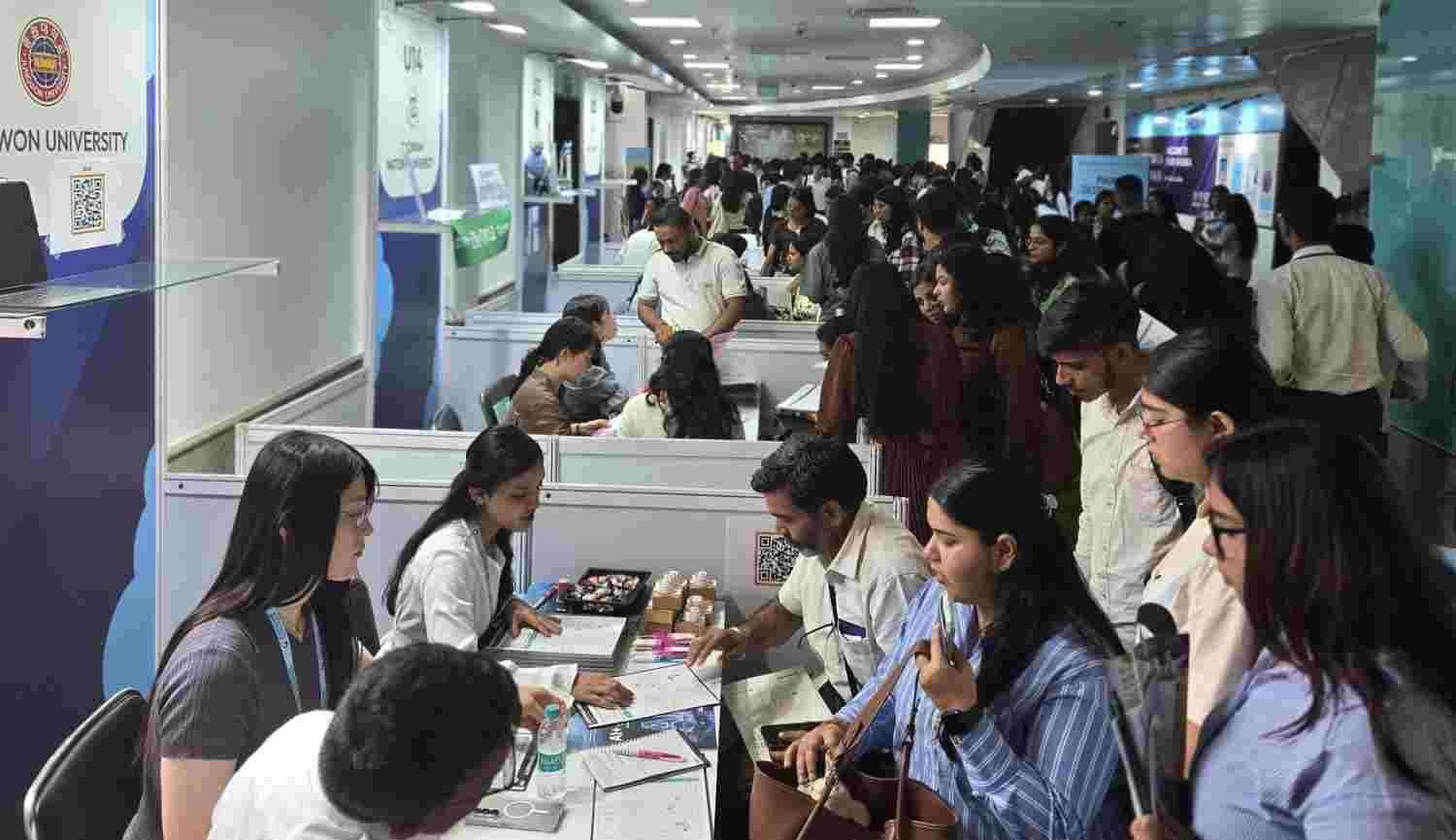
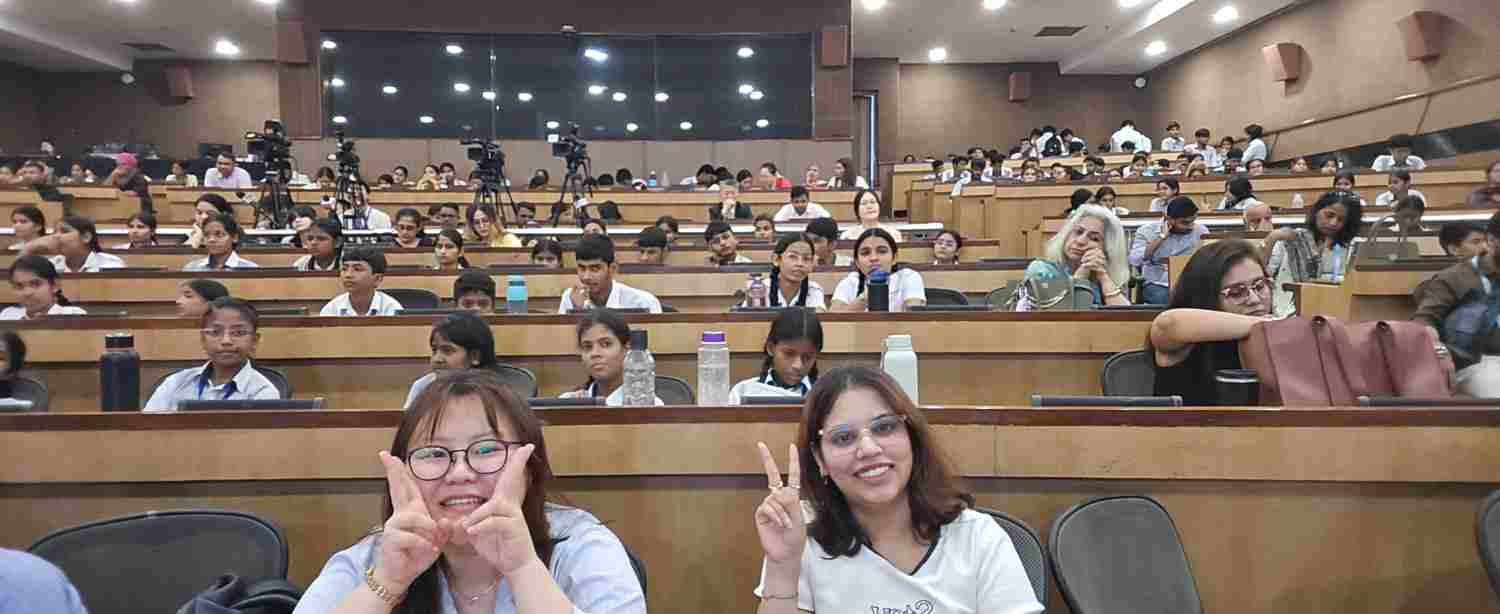
New Delhi: Indian youngsters’ growing ambition to pursue higher education and build careers in South Korea was on full display at the Study in Korea Education Fair in Delhi 2026, which drew a large, enthusiastic crowd to the NDMC Convention Centre on September 18 and 19.
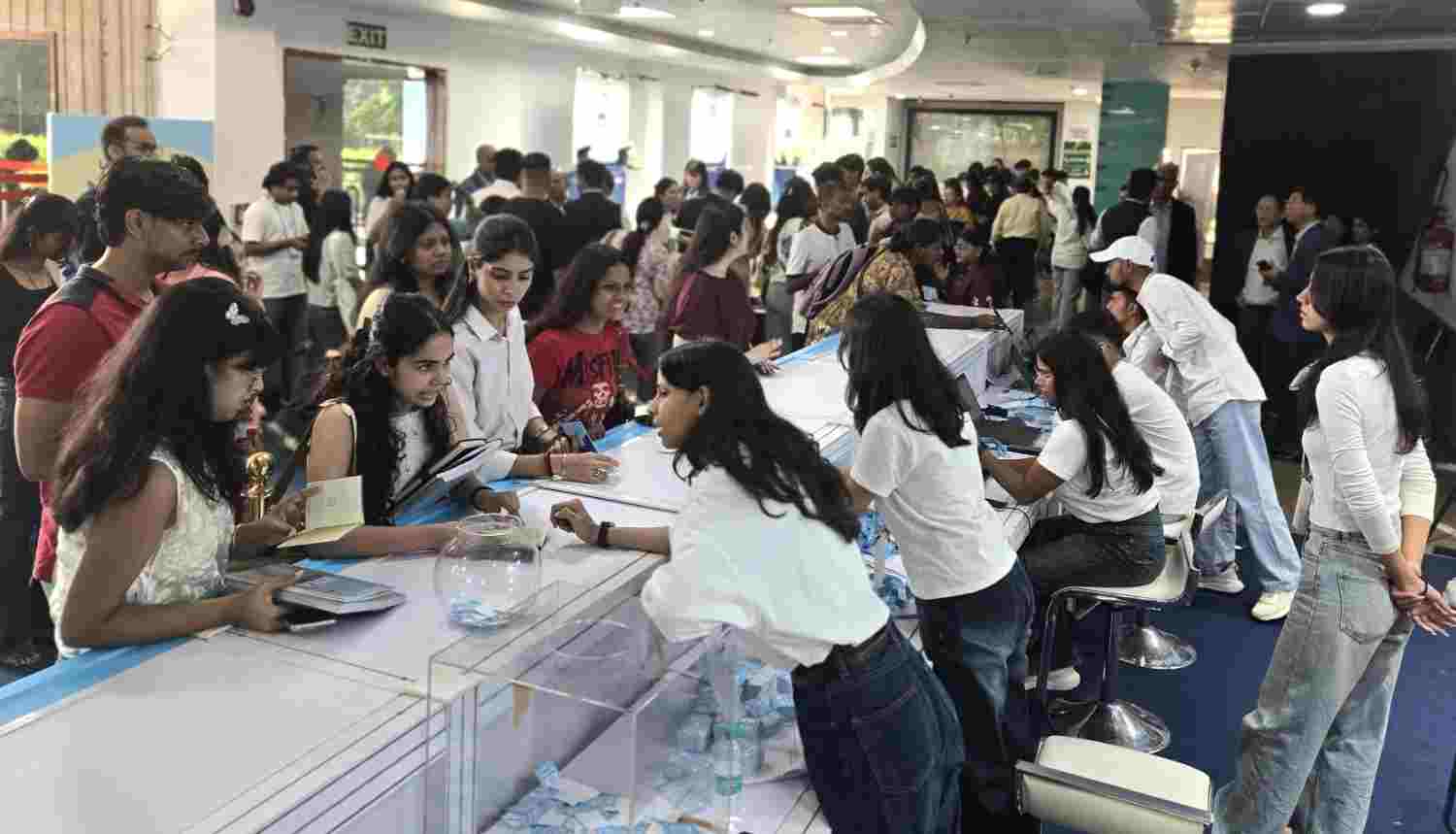
Students arrived with questions extending far beyond courses and admission procedures. They wanted to understand scholarships, employment prospects, Korean-language requirements, campus life and the possibility of remaining in Korea to gain professional experience after graduation. Their sustained presence across university booths, briefing sessions and career discussions turned the two-day fair into a successful platform connecting educational aspirations with practical guidance.
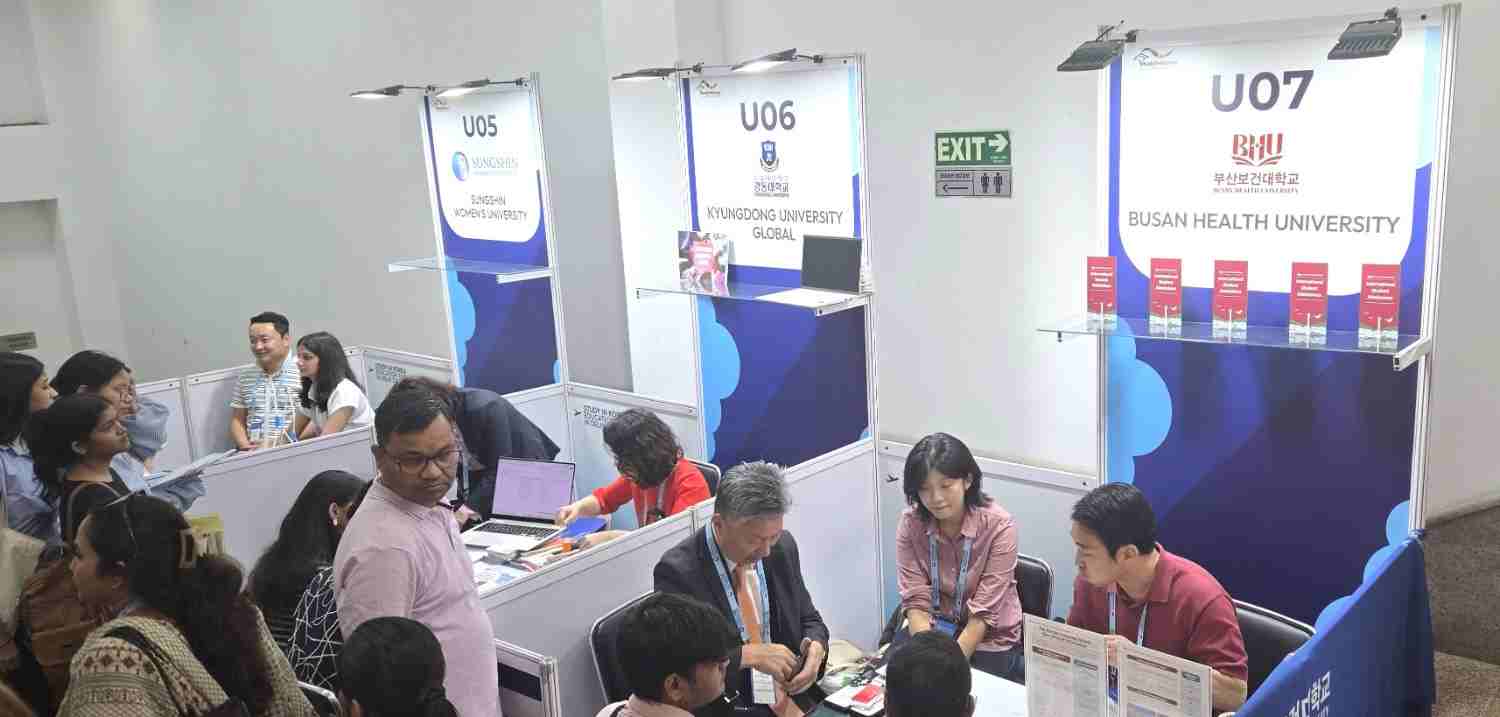 Co-organised by the National Institute for International Education under South Korea’s Ministry of Education and the Korean Education Centre in India, the fair brought representatives of 15 Korean universities and institutions face-to-face with Indian students. Admission officers offered personalised one-to-one counselling, enabling prospective applicants to compare degree programmes and understand eligibility requirements, scholarships and institutional strengths.
The opening ceremony was attended by Lee Seong-ho, Ambassador of the Republic of Korea to India, and Dr Alok Kumar Mishra, Joint Secretary at the Association of Indian Universities, Park Euy Don, President, Southwest Asia, PUAC, along with Korean and Indian education representatives.
In a welcome message delivered on his behalf, NIIED President Han Sang-shin by Choi Jun-ha, Director of the Study in Korea Division at the NIIED, said India and Korea had developed a lasting partnership through cooperation in education, the economy, culture and several other fields.
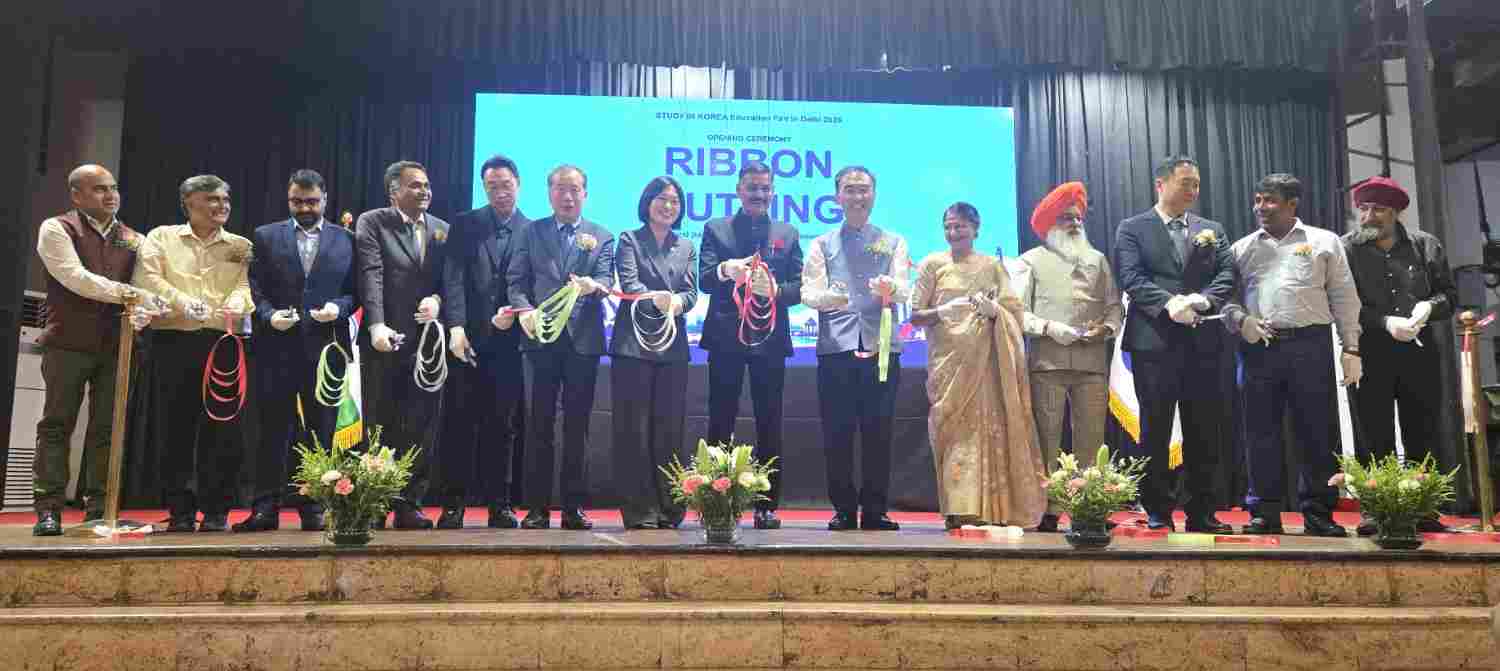 Han said Korea was exploring ways to support international students beyond their formal studies, including through employment opportunities and further professional experience. He expressed hope that more talented Indian youngsters would choose to “study, work and grow” in Korea.
Students were encouraged to speak directly with university representatives to identify institutions best suited to their academic interests and long-term goals.
Scholarships meet intense Indian demand: Addressing the gathering, Ambassador Lee Seong-ho described education as one of the most important people-centric pillars of the Korea–India Special Strategic Partnership.
 With globally competitive universities, advanced research capabilities and a dynamic, innovation-driven economy, Korea could offer Indian students opportunities to learn, develop and prepare for emerging careers, he said.
He also underlined that educational cooperation should move beyond the one-way movement of students. Korean and Indian universities, he said, should develop enduring partnerships encompassing education, research, innovation and faculty and student exchanges. “This fair is ultimately about you—your dreams, your aspirations and your future,” the Ambassador told the students.
The scale of student interest at the fair reflected that changing perception of Korea. For many young attendees, the country is no longer viewed only through the popularity of K-pop, K-dramas or Korean food. It is increasingly being considered a serious destination for higher education, technological research and internationally relevant careers.
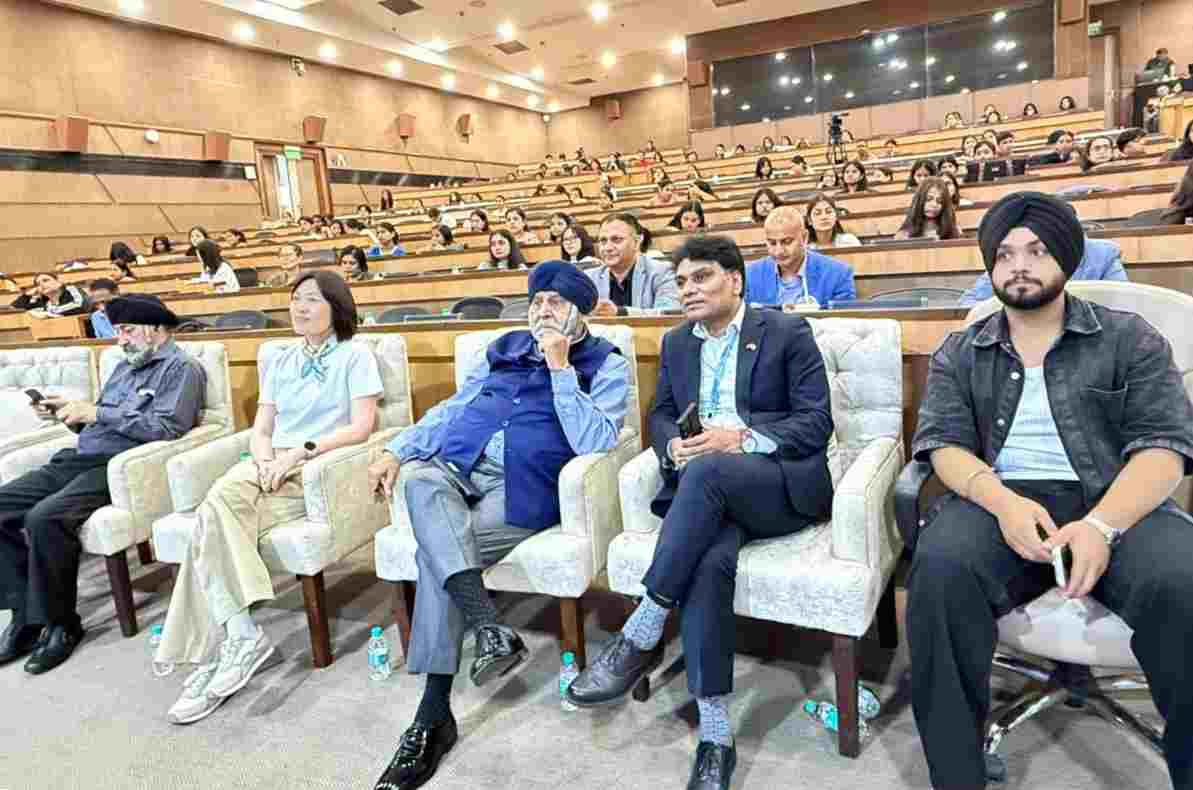
 Choosing opportunity over rankings: Dr Alok Kumar Mishra urged students to imbibe values into their education pattern and stay in close contact with their parents and guardians while taking decisions relating to their career, especially when deciding, in close consultation, on the type of educational institutions they are going to choose.
While addressing the youths, Dr. Mishra said that adaptability, cultural understanding and knowledge of the Korean language would also strengthen the ability of Indian students to succeed in Korea and later operate as global professionals.
He said that since its inception, the AIU has actively supported the growth and development of higher education. The membership of AIU includes all types of universities, e.g. Conventional Universities, Open Universities, Deemed to be Universities, State Universities, Central Universities, Private Universities and Institutes of National Importance. In addition to Indian Universities, 13 Universities/Institutes from Bangladesh, Bhutan, the Republic of Kazakhstan, Malaysia, Mauritius, Nepal, Thailand, the United Arab Emirates and the United Kingdom are its Associate Members.
 Mishra also called for wider university-to-university cooperation through joint research and academic exchanges. Student mobility, he said, should not remain one-way traffic from India to Korea; Korean students should likewise be encouraged to study in India and benefit from available scholarships and academic opportunities.
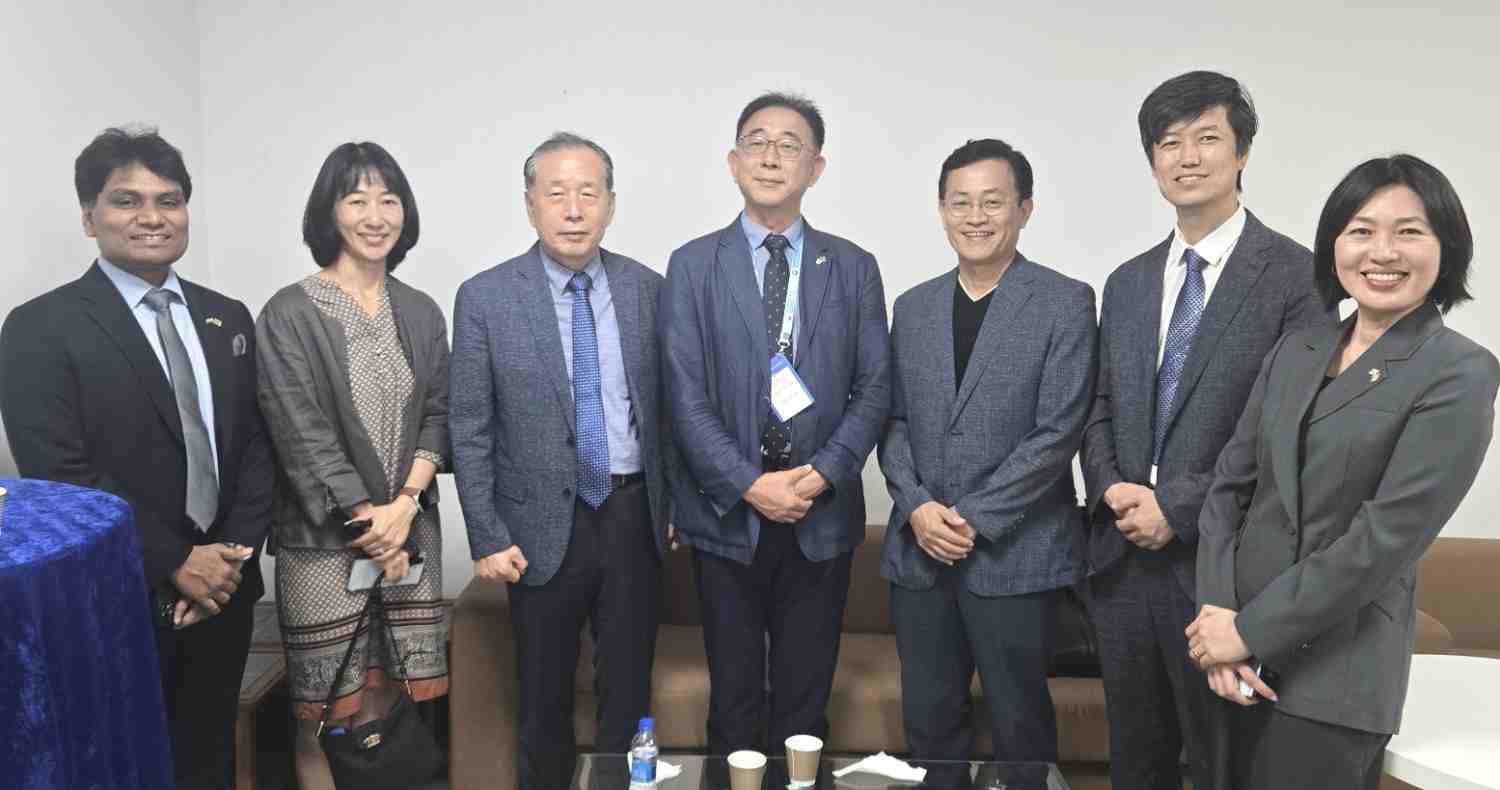
Park Euy Don, President, Southwest Asia, PUAC, said expanding education and student exchanges can unlock the enormous potential of Korea–India relations. Although bilateral cooperation is growing, it remains modest compared with the opportunities available. Both countries need more students studying at each other’s universities and developing deeper knowledge of their respective histories, cultures, economies and societies. These students can become experts, cultural ambassadors and enduring bridges between Korea and India, strengthening cooperation in education, business, tourism and culture.
Park said, “Some may settle in their host countries and contribute further to bilateral engagement. Increased student mobility could also significantly boost travel between the two nations and make Korean culture and business more familiar in India, while expanding awareness of Indian culture and enterprise in Korea. The education fair offers students valuable information about Korean universities, academic advantages, scholarships and career opportunities. It should become more than a one-time event and mark a meaningful step towards sustained educational cooperation and stronger Korea–India relations.”
 From admissions to employment: The fair was designed to address the entire student journey, not just university admission.
Its special India–Korea Education Leadership Forum, titled “From Classroom to Career: Building the Korea–India Education Pathway,” brought together specialists from schools, universities and industry. Discussions covered schools’ role in starting the educational journey, bridges between Indian and Korean institutions, progression from Korean-language learning to higher studies, and the transition from education to employment.
The forum featured Prof. Guydeuk Yeon of Christ University, Bengaluru; Prof. Neerja Samajdar of Jawaharlal Nehru University; K.S. Upadhyay, Additional Director of Education in the Government of NCT of Delhi; and Phil H.P. Chung, CEO of Kinexin Convention Management, the operating company of Yashobhoomi. Prof. Satyanshu Srivastava moderated the session.
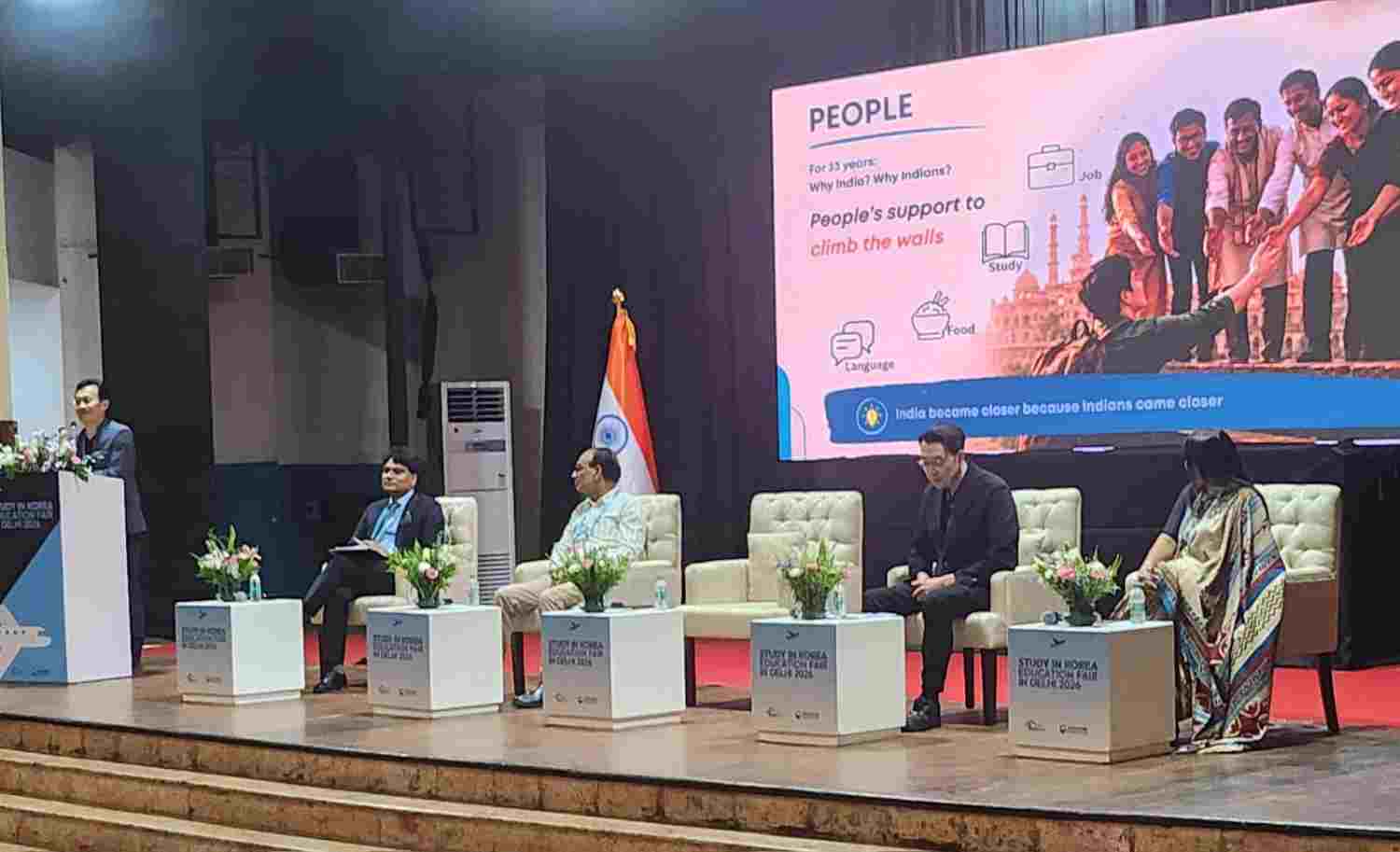 The GKS India Symposium 2026 further expanded the conversation through a “Talk Concert on Studying in Korea”. Sessions explored Korean-language education and employability, expectations of Korean companies, and career pathways available to GKS graduates. Scholars, alumni, education experts, corporate representatives and former diplomats shared their experiences with students.
University briefing sessions ran across both days, providing detailed introductions to courses, admission requirements and campus environments. The University Zone remained open for direct counselling, while the Korea Partnership Zone featured NIIED and GKS representatives, GKS alumni, KOSME, Korea Tourism Organization, Atomy India, the India–Korea Research and Innovation Center and the Chungnam Economic Promotion Agency.
Cultural activities ensured that the fair was not limited to academic presentations. A Korea Experience Zone offered hanbok trials, a photo area and Korean food experiences. The opening programme also featured taekwondo, Kathak, Korean fan dance, Arirang and K-pop performances, illustrating the cultural exchanges accompanying the expanding education partnership.
By combining scholarships, university access, career guidance and cultural familiarity under one roof, the fair provided Indian students with a clearer view of what studying and building a future in Korea could involve. More importantly, the strong youth response showed that Korea’s appeal in India is steadily shifting from popular culture to classrooms, research laboratories, and global careers.