Delhi Board of School Edn mulls Korean language programs in 75 schools
The announcement came during the "Education to Opportunity: India–Korea Education Leadership Forum" in New Delhi during the Study in Korea Fair 2026.

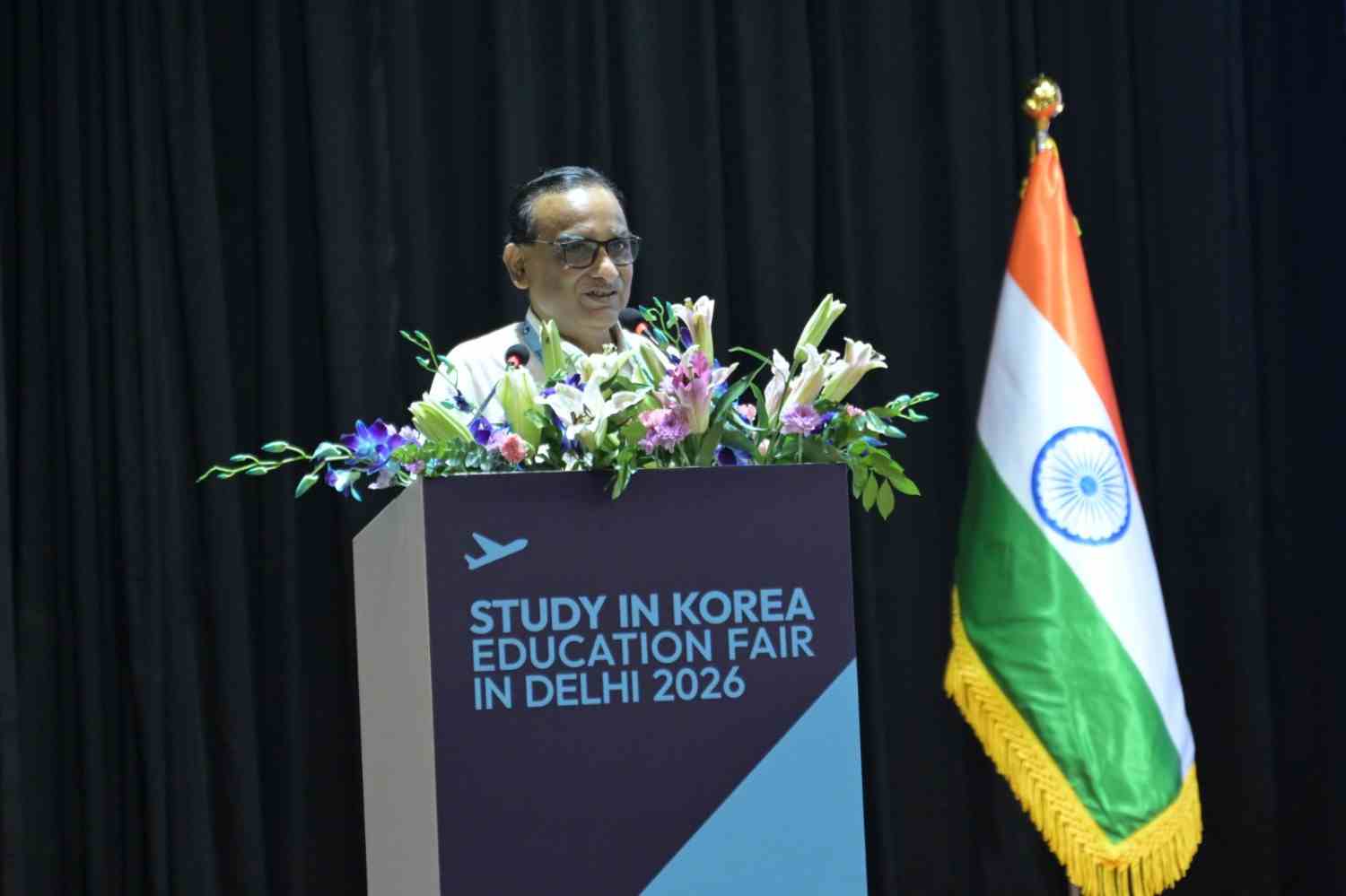
New Delhi, India: Korean language education is set to gain a wider presence in Delhi’s school system, with the Delhi Board of School Education (DBSE) planning to introduce programmes in 75 schools over the coming years.
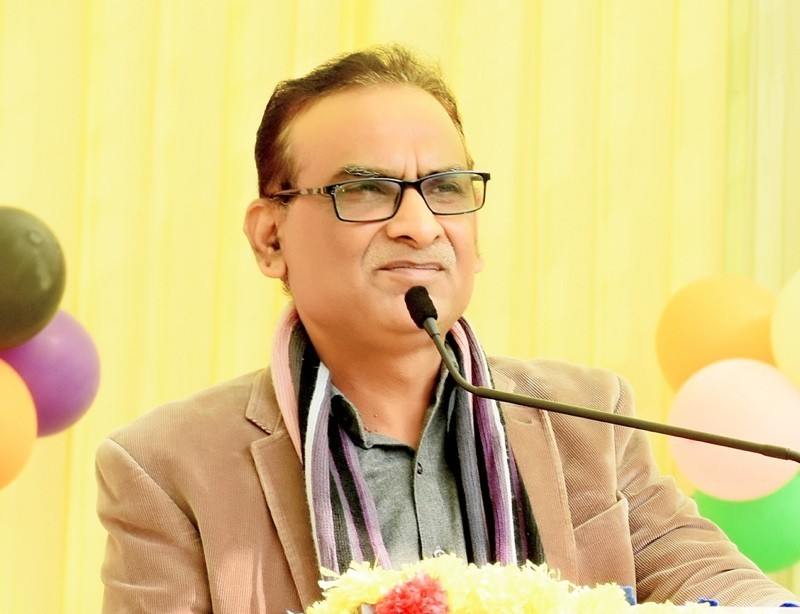
K.S. Upadhyay, Additional Director of Education and Chief Executive Officer of DBSE, announced the plan at the India–Korea Education Leadership Forum on September 19, when academics, education administrators and industry representatives explored how language learning could connect Indian students with higher education, scholarships, institutional exchanges and future careers involving Korea.
Upadhyay, speaking during a session titled “The Journey Begins in Schools,” underlined the importance of making schools the starting point for international education. His announcement indicated an effort to expose students to the Korean language well before they reach university, giving them more time to build proficiency and understand the country’s culture and society.
Details regarding the schools to be covered, the implementation schedule and the structure of the proposed courses were not disclosed at the forum.
Established by the Delhi government in 2021, DBSE was conceived as an alternative school board focused on competency-based education, continuous assessment and learning that extends beyond rote memorisation. Its broader academic approach emphasises critical thinking, communication, creativity and the practical application of knowledge. The proposed Korean programmes would add an international-language dimension to that educational vision.
The announcement came amid growing interest among Indian students in Korean higher education, scholarships and professional opportunities. The forum sought to move this interest beyond popular culture and position Korean-language proficiency as the first step in a longer academic and career journey.
Moderating the discussion, Prof. Satyanshu Srivastava, Assistant Professor of Korean at Jawaharlal Nehru University’s Centre for Korean Studies, said Korean should not be viewed merely as another foreign language. Instead, he presented it as a gateway to a wider educational and professional ecosystem connecting India and Korea.
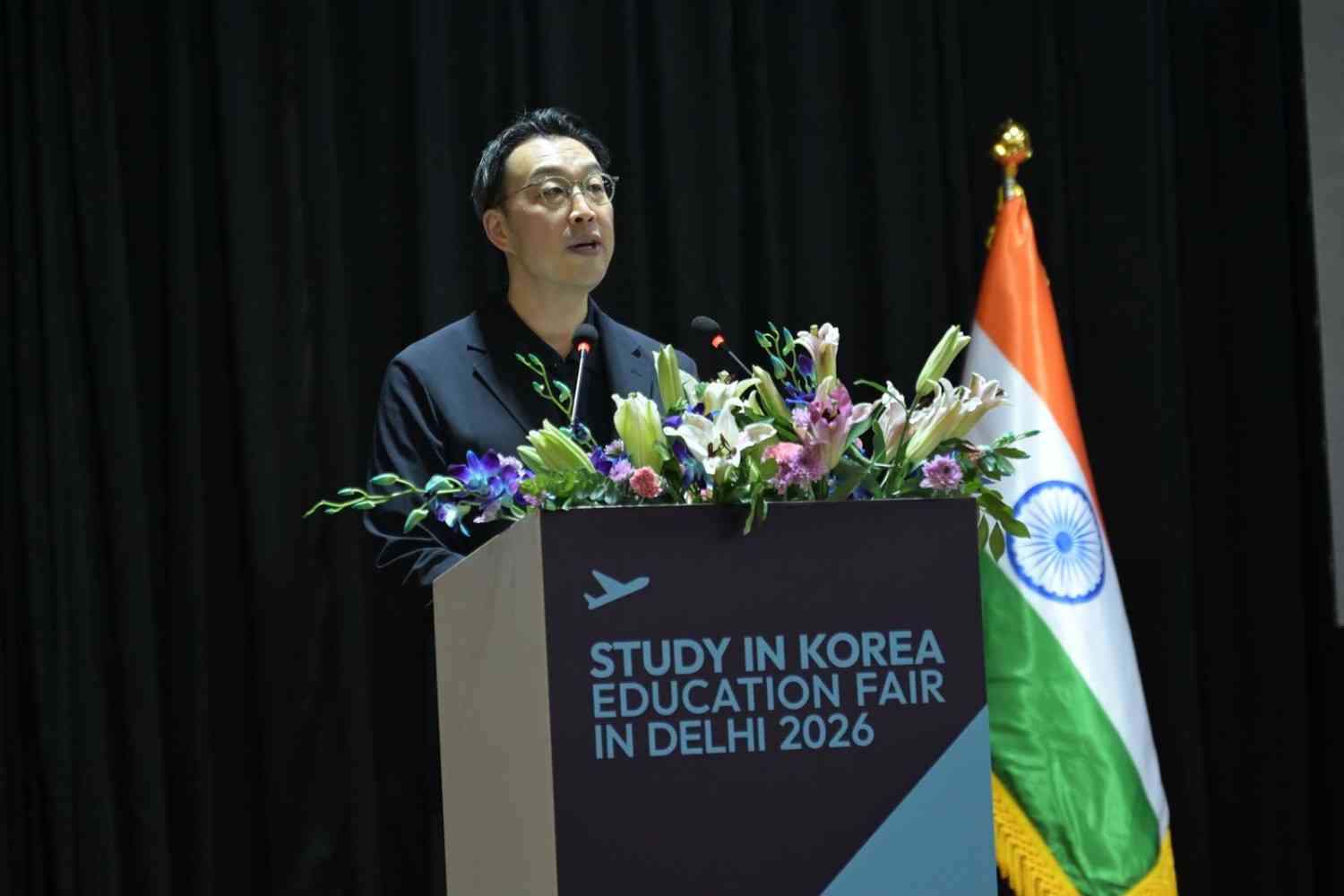
According to the pathway discussed at the forum, a student’s engagement could begin with Korean lessons in school and subsequently lead to exchange programmes, university education, scholarships, research opportunities, internships and employment with Korean companies or Indian organisations engaged with Korea.
The speakers stressed that introducing Korean at the middle- and senior-school levels could give students sufficient time to attain meaningful proficiency. It could also help them make informed academic choices instead of considering overseas education only toward the end of school or university.
Prof. Yeon Gyudeuk of CHRIST University, who is also Director of its Centre for Digital Innovation and Centre for Korean Studies, widened the discussion beyond language instruction. Speaking on “Beyond Language Learning,” he highlighted the need for stronger institutional partnerships between India and Korea.
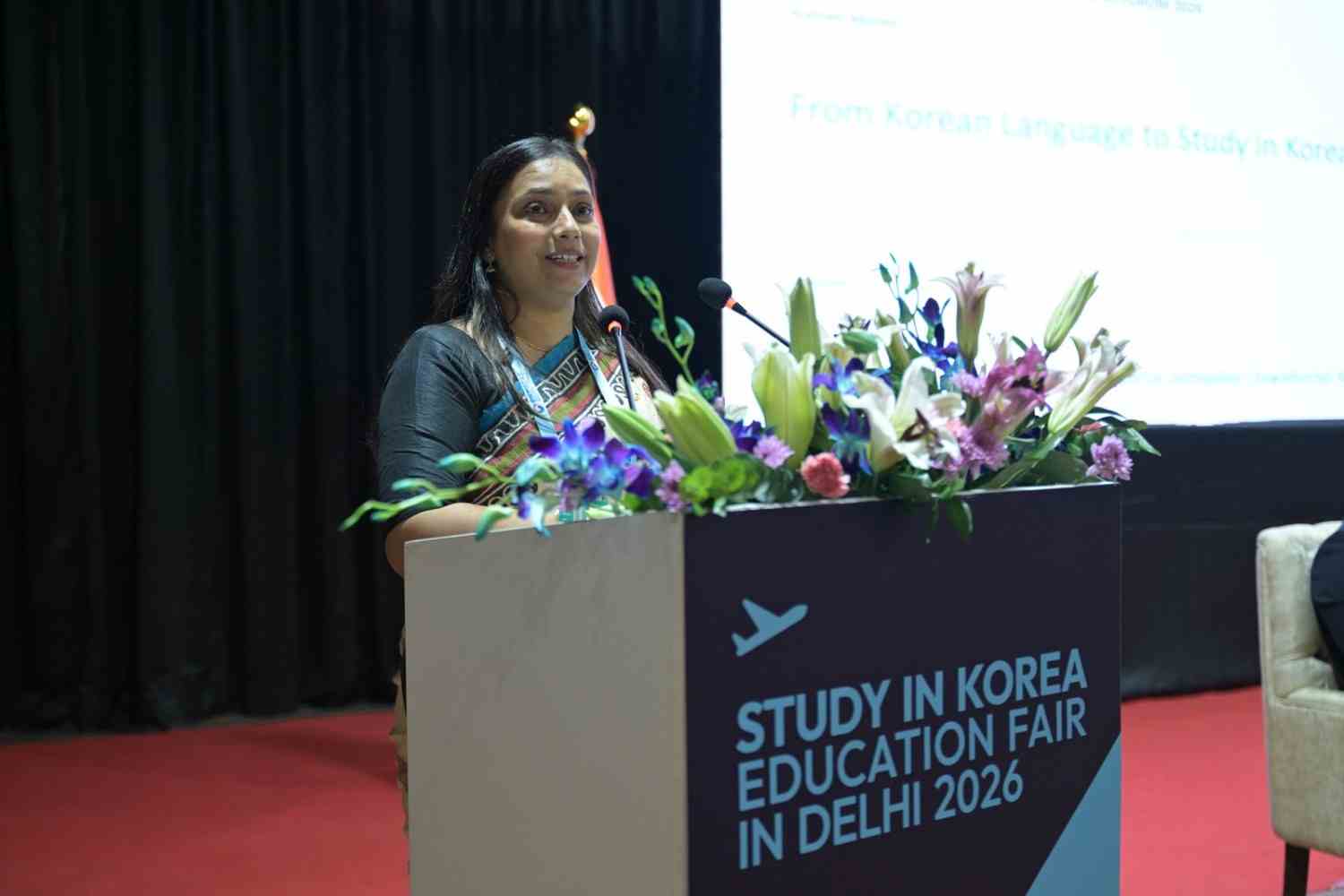
Such partnerships, the forum heard, must go beyond the signing of formal agreements and produce measurable opportunities for students. These could include student exchanges, joint research, internships, academic mobility and direct exposure to institutions and professional environments in both countries.
Prof. Neerja Samajdar of JNU’s Centre for Korean Studies explained how language proficiency could help Indian students progress towards higher education in Korea. Her session, “From Korean Language to Study in Korea,” covered the Test of Proficiency in Korean, or TOPIK, academic preparation and scholarship opportunities, including the Korean Government Scholarship Programme, popularly known as GKS.
The discussion emphasised the need for timely counselling and reliable information so that students can prepare systematically for admission, language tests and scholarships. Early guidance, it was pointed out, could transform studying in Korea from a last-minute aspiration into a carefully planned academic goal.
Bringing an industry perspective, Phil H.P. Chung, CEO of Kinexin Convention Management and Executive Director of KINTEX, addressed the changing capabilities required in Korea–India business relations.
The forum highlighted that Korean-language knowledge alone may not be enough to secure emerging professional opportunities. Young people would benefit from combining language proficiency with expertise in areas such as artificial intelligence, technology, business, research, communications, innovation and intercultural collaboration.
That combination could prove valuable as economic, academic and technological engagement between India and Korea expands. Professionals who understand both the language and their chosen discipline are likely to be better equipped to work across institutions, industries and cultures.
The proposed introduction of Korean in 75 schools could therefore become more than a language initiative. If supported by trained teachers, structured curricula, counselling, scholarships and institutional partnerships, it could establish an education-to-employment pipeline—beginning in Delhi classrooms and extending to universities, research centres and workplaces in India and Korea.
The panel discussion brought together all four perspectives under the overarching theme of “Sustainable pathways from Korean language education to higher education and careers.”
The discussion explored how the different stages of a student’s educational journey can be connected more effectively: School → Korean Language Learning → Exchange → Higher Education → Research/Internship → Professional Opportunity
The panellists discussed the importance of creating stronger linkages among schools, universities, scholarship programmes, educational institutions and industry so that students can navigate this pathway with greater clarity and support.
The forum also reinforced the idea that the future of India–Korea educational cooperation lies not only in increasing student mobility, but in developing long-term educational ecosystems that foster knowledge exchange, research collaboration, intercultural understanding, innovation and employability.
The forum concluded with a shared emphasis on the need to build stronger and more integrated India–Korea education pathways, ensuring that students are not only equipped to study in Korea but are also prepared to contribute meaningfully to the growing academic, cultural, technological and economic engagement between India and the Republic of Korea.