
Japan’s Centenarian Population Crosses 100,000 for First Time
Health ministry data records 107,677 people aged 100 or above, with women accounting for nearly 88 per cent of the country’s oldest citizens

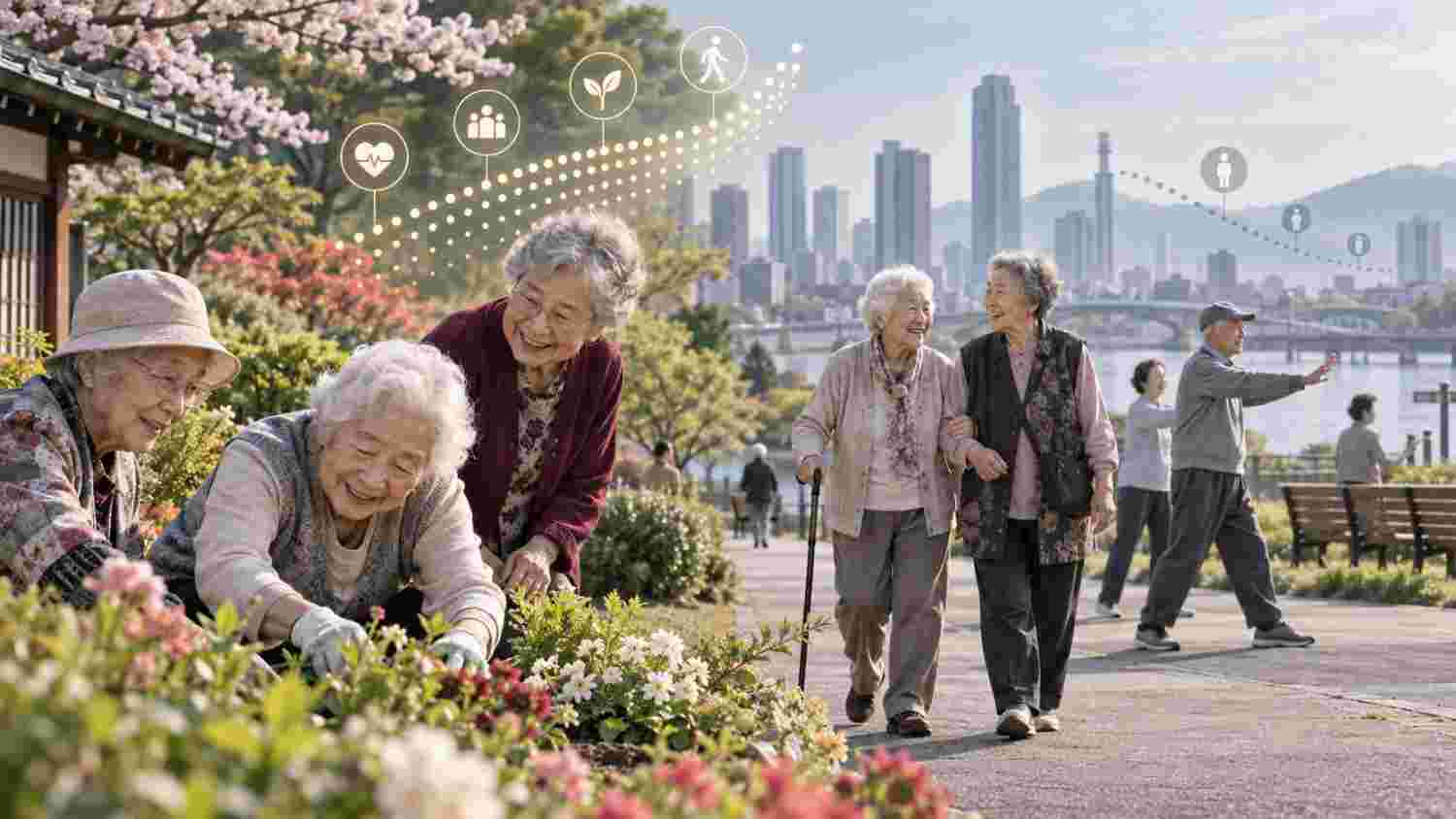
Tokyo: Japan has crossed another landmark in human longevity, with the number of people aged 100 or above surpassing 100,000 for the first time, according to the latest data released by the country’s Ministry of Health, Labour and Welfare.
The ministry counted 107,677 centenarians in 2026, up from 99,763 the previous year. The new total represents the 56th consecutive annual increase in Japan’s centenarian population and further strengthens the country’s reputation as one of the world’s longest-living societies.
Women continue to constitute an overwhelming majority of Japan’s centenarians, accounting for nearly 88 per cent of the total. The figure highlights the persistent gender gap in longevity, with Japanese women generally recording a higher average life expectancy than men.
The statistics were released around Respect for the Aged Day, a national holiday observed on September 15 to recognise the contribution of senior citizens and celebrate longevity. The Japanese government traditionally honours centenarians who remain healthy and active with a congratulatory message from the Prime Minister and a commemorative silver sake cup.
Japan’s oldest living woman is Fuyo Kishimoto, a 114-year-old resident of Kyoto. The country’s oldest man is Hikaru Kato, aged 112, from Kumamoto in southern Japan.
Welcoming the milestone, Health Minister Kenichiro Ueno attributed the rising number of people enjoying long, active lives to factors including advances in medical technology, healthier lifestyles, and diet.
“I’m very pleased that many people are living long, healthy and active lives,” Ueno told reporters while commenting on the ministry’s figures.
From 153 to more than 107,000: The extraordinary expansion in Japan’s centenarian population becomes particularly striking when viewed against the historical data.
When the health ministry began maintaining the official count in 1963, the country had only 153 people aged 100 or above. The number crossed 10,000 approximately 25 years later and has continued to rise steadily since then.
In 2025, Japan recorded 99,763 centenarians, including 87,784 women and 11,979 men. The addition of 7,914 people during the latest count has now carried the country well beyond the symbolic 100,000 mark.
Japan’s longevity has often been linked to accessible healthcare, medical progress, balanced diets, and active daily routines. Traditional Japanese eating patterns, which commonly include fish, vegetables and moderate portions, are also considered among the factors contributing to healthier ageing.
Strong community ties and the tendency among many older Japanese people to remain physically and socially active have also been associated with longer life expectancy. Japan’s average life expectancy is approximately 87 years for women and 81 years for men.
However, the milestone is not merely a celebration of longer lives. It also throws renewed attention on the scale and speed of Japan’s demographic transformation.
Longevity amid a shrinking population: Even as more Japanese people reach 100, the country’s overall population is declining rapidly because of persistently low birth rates, a rising number of deaths and relatively limited immigration.
People aged 65 or above now make up about 30 per cent of Japan’s population, putting growing pressure on healthcare, pensions, eldercare services and the country’s working-age population.
Japan’s fertility rate fell to a record low of 1.14 in 2025, remaining far below the level required to maintain a stable population. The country’s population has fallen below 120 million, while projections suggest that it could decline to around 87 million by 2070, with approximately 40 per cent of the population then aged 65 or above.
The result is a striking demographic contradiction: Japan is succeeding in enabling people to live longer, but it is simultaneously struggling to ensure that enough children are born to sustain its future workforce and social-security system.
A growing centenarian population will require expanded long-term care, more age-friendly housing and transport, and increased use of technology to support senior citizens living independently. It may also accelerate demand for overseas workers in healthcare, eldercare and other labour-intensive sectors.
Japan’s 100,000-centenarian milestone is therefore both a tribute to the country’s achievements in healthcare and quality of life and a reminder of the urgent policy challenges accompanying an ageing and shrinking society.