
Taiwan, India Urged to Build Defining Partnership, Joint Innovation, & Go Global
At the TWIN Dialogue in New Delhi, leaders called for bilateral trade to eventually reach US$100 billion, while six Taiwanese companies showcased solutions spanning AI chips, smart homes, clean energy, cybersecurity, 3D displays and industrial AIoT.

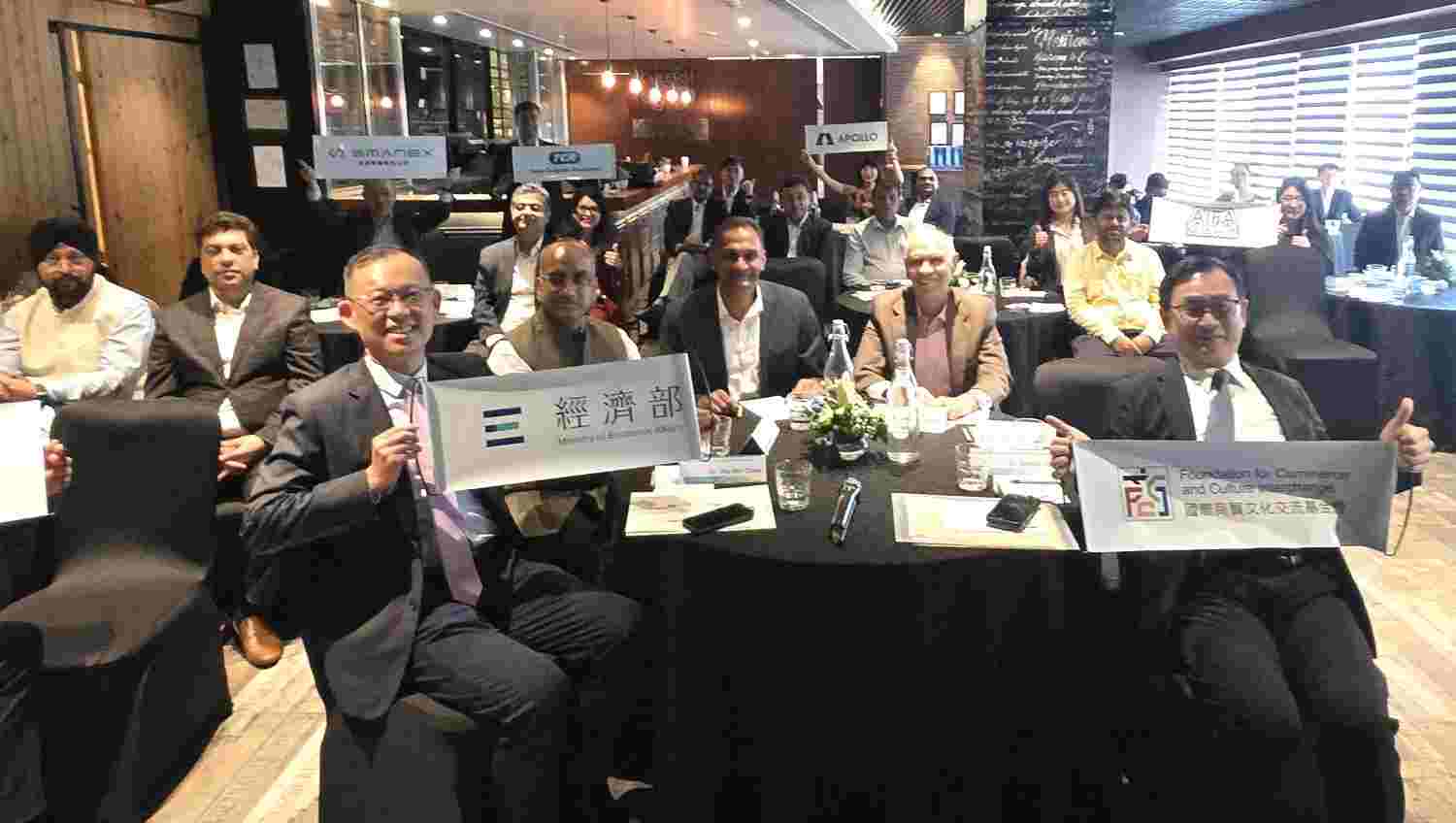
New Delhi, 2026 September 21: Taiwan and India must move beyond conventional trade and investment towards joint innovation, technology partnerships and co-creation for global markets, business and political leaders said at a matchmaking forum in New Delhi that brought six Taiwanese technology companies face-to-face with prospective Indian partners.
The TWIN Dialogue Matchmaking Luncheon, held under the theme “Exploring Collaboration Beyond Borders” in New Delhi on Monday, sought to turn the growing strategic convergence between the two sides into tangible business partnerships.
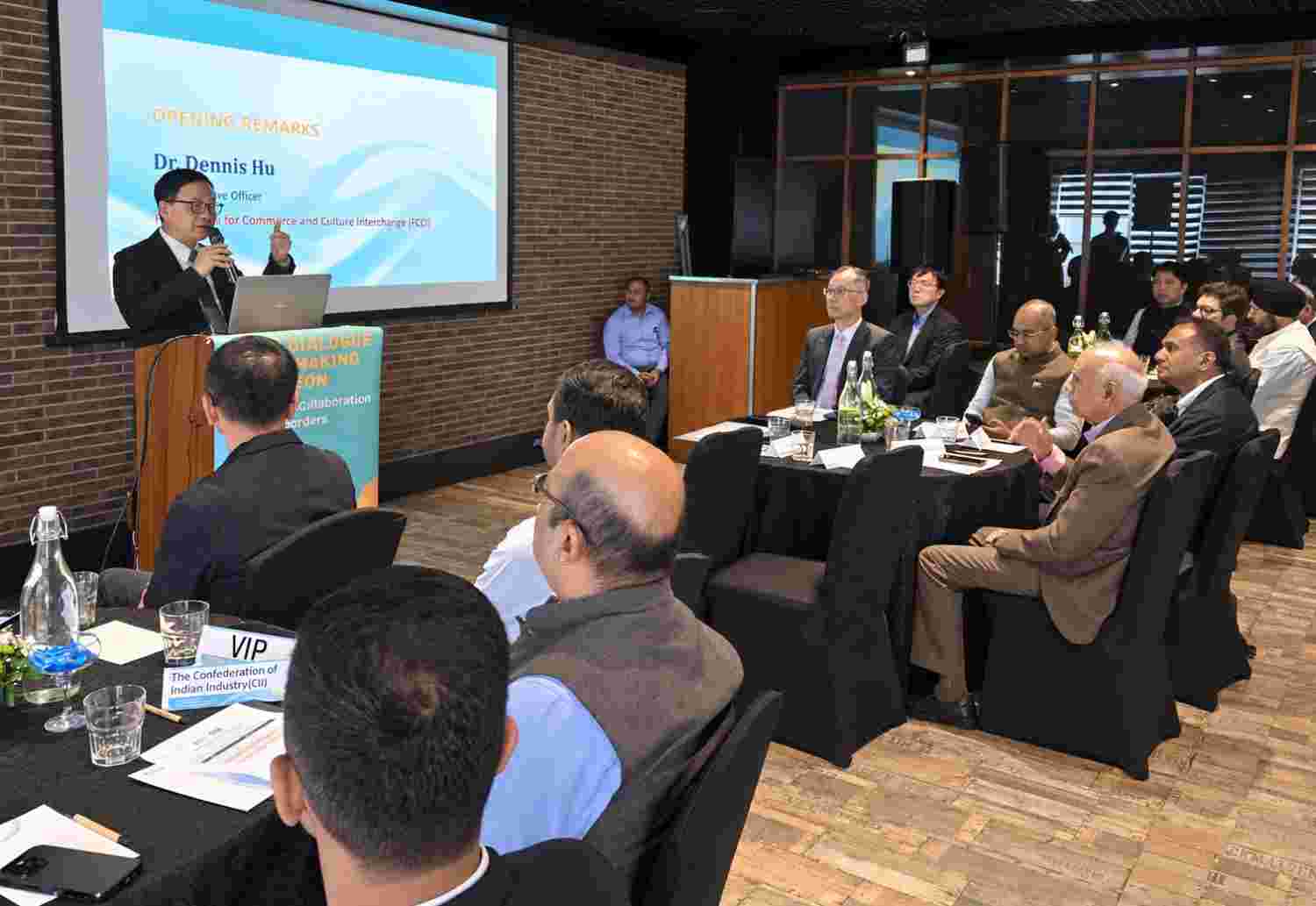 Organised by the Foundation for Commerce and Culture Interchange (FCCI) and Taipei Computer Association (TCA), the forum focused on electronics manufacturing, semiconductors, artificial intelligence, supply-chain cooperation and investment opportunities in India.
Dr Dennis Hu, CEO of FCCI and Senior Adviser to TCA, said the next phase of Taiwan–India economic engagement should take the relationship from trade and technology partnerships to joint investment, innovation and access to international markets.
“Taiwan and India already possess a strong technological foundation. The next step should be to explore further opportunities for cooperation and move from trade and investment towards co-creation and innovation,” Hu said.
 He outlined a five-stage model beginning with trade and progressing through technology partnerships, joint investment and innovation before eventually targeting global markets.
“The first stage of our relationship was largely based on trade. The second stage developed around investment and manufacturing, followed by joint innovation and joint ventures,” Hu said. “The next stage should combine technology, innovation, talent and joint ventures, with both countries working together to access global markets.”
Hu said Taiwan–India bilateral trade had crossed US$11 billion between January and July 2026, representing a year-on-year increase of more than 56 per cent. He added that Taiwan’s cumulative investment in India had reached approximately US$1.7 billion, while more than 350 Taiwanese companies operating or investing in the country had generated around 240,000 jobs.
 The expanding semiconductor relationship, he said, had become particularly significant. He referred to the Tata Group’s semiconductor project with Taiwan’s Powerchip Semiconductor Manufacturing Corporation and Foxconn’s growing presence within India’s electronics-manufacturing ecosystem.
Hu also identified India’s Production Linked Incentive programmes, Electronics Components Manufacturing Scheme, IndiaAI Mission, proposed data-centre capacity and green ICT initiatives as areas where Taiwanese companies could contribute technology and manufacturing expertise.
“Taiwanese businesses usually plan not merely for three to five years, but for the next 10 to 20 years,” he said, stressing that government policies and industry associations could provide the framework, but companies would ultimately have to generate business.
“Governments can create an enabling framework and industry associations can establish connections, but companies must ultimately create business,” Hu said.
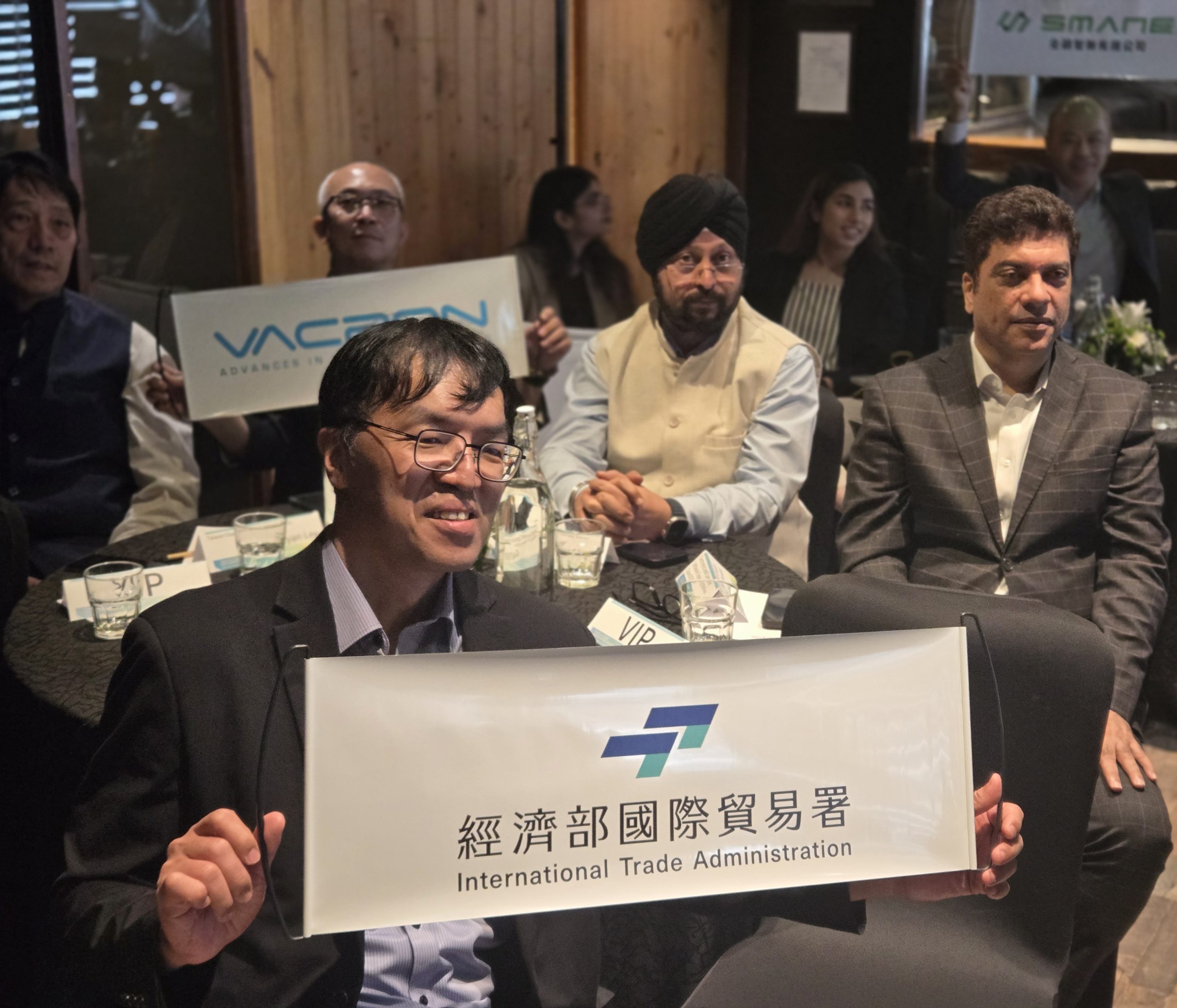 ‘We have to fight in groups’: Dr Mumin Chen, Representative of the Taipei Economic and Cultural Center in India, said Taiwanese companies often found India’s scale and complexity challenging when attempting to enter the market independently.
“If Taiwanese companies come to India alone, they usually find it difficult. Therefore, they must come in groups. We have to fight in groups,” Chen said.
He described business missions and matchmaking programmes that connect Taiwanese companies with potential Indian partners as an effective market-entry strategy. Equally important, he said, was building a network of Indian friends who understood Taiwan and supported stronger bilateral cooperation.
Chen said Taiwan was the world’s 15th-largest trading economy and 20th-largest economy, with its gross domestic product expected to reach US$1 trillion in 2026.
He also introduced Rajya Sabha Member Dr Sujeet Kumar, describing him as a longstanding friend of Taiwan who had visited the island several times and supported closer India–Taiwan engagement.
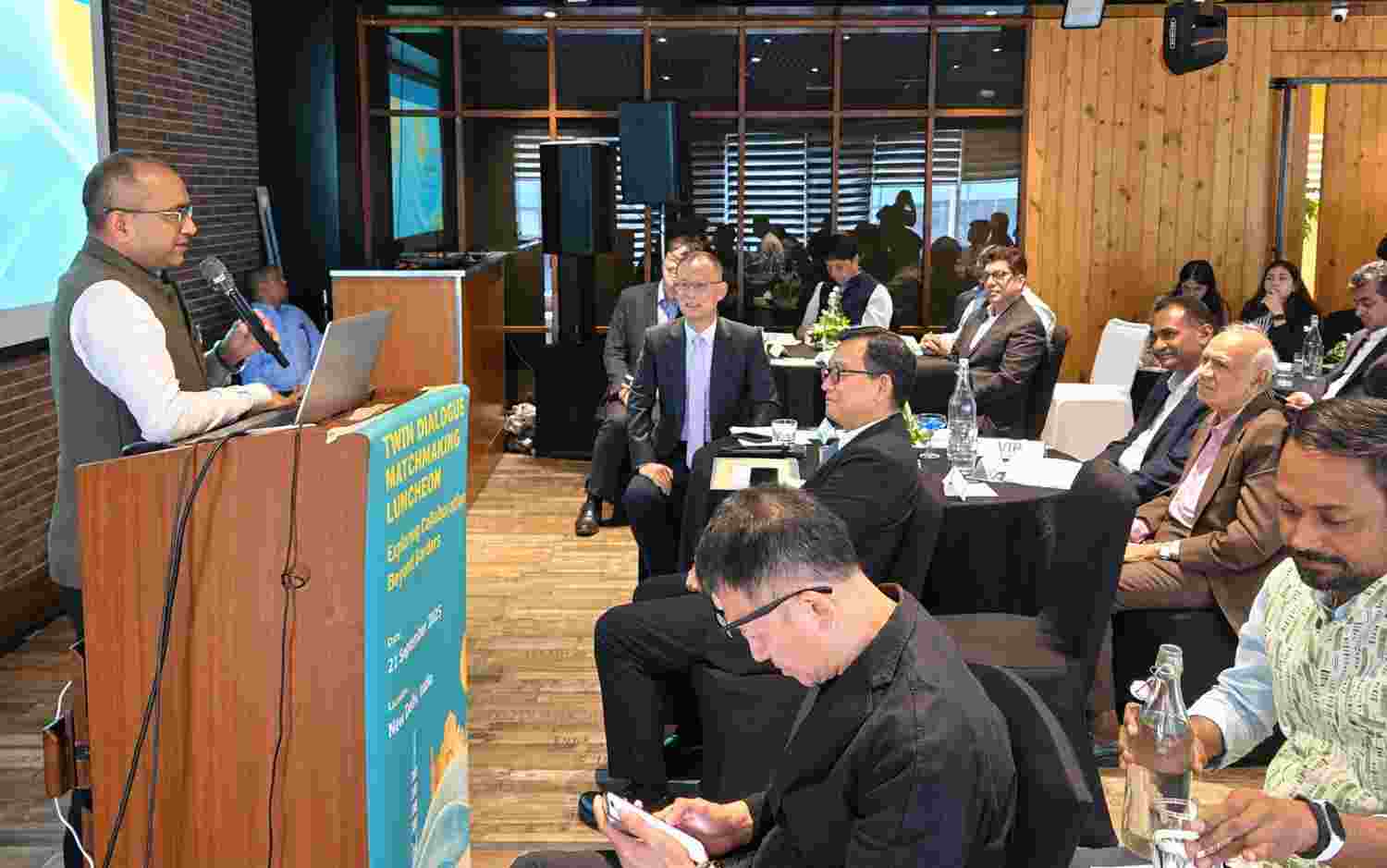
Sujeet Kumar sets sights on US$100-billion trade: Addressing the gathering, Kumar said the India–Taiwan relationship had the potential to become one of the most consequential international partnerships of the coming decades.
“I genuinely and truly believe that the India–Taiwan partnership and friendship should be—and will be—one of the most defining partnerships of the next couple of decades,” he said.
Kumar said the relationship was supported not only by economic complementarities but also by shared commitments to democracy, human rights and the rule of law.
He called for closer alignment between Taiwan’s New Southbound Policy and India’s Act East Policy, arguing that Taiwan could serve as a gateway for Indian businesses seeking opportunities across East Asia.
Referring to the sharp increase in bilateral commerce, Kumar said he was waiting for the day when Taiwan–India trade reached US$100 billion.
“It will happen. I am an optimistic person, but I am quite sure that it will happen,” he said.
India’s capabilities in information technology and software services could complement Taiwan’s strengths in hardware, electronics, advanced manufacturing and precision technologies, he said. Government initiatives such as Make in India and production-linked incentives were also encouraging Taiwanese companies to consider India as a manufacturing base.
“At first glance, India is a difficult place in which to do business. However, once Taiwanese companies find their feet in India, they want to make it a permanent base and expand their operations,” Kumar said.
He also welcomed the prospect of direct air connectivity and called for more TECC offices across India, including in Bengaluru, as commercial engagement expands.
Six Taiwanese firms showcase technologies: The business-matching segment featured presentations by six Taiwanese companies working across emerging and strategically important technology sectors.
AIFA Technology, represented by Linda Lee, showcased smart-home automation products, including infrared remotes and controllers capable of transforming traditional household appliances into connected devices.
Alpenglow Tek’s Mark Chen presented ultra-low-power artificial-intelligence chips designed for wearables and smart-health monitoring. According to the company presentation, its edge-computing technology can consume up to 100 times less energy without compromising performance.
Apollo Power presented AI-driven energy-management solutions intended to optimise electricity consumption and support industries working towards net-zero compliance.
Vacron, represented by Roger Lo, highlighted end-to-end original design manufacturing surveillance solutions with integrated cybersecurity for modern smart environments.
OPTIQB’s Jye Lin introduced glasses-free three-dimensional visual technology capable of converting conventional 2D content into immersive 3D experiences.
SMANEX Co. Ltd presented its industrial AIoT gateways and related technologies designed to support smart-city and connected industrial infrastructure.
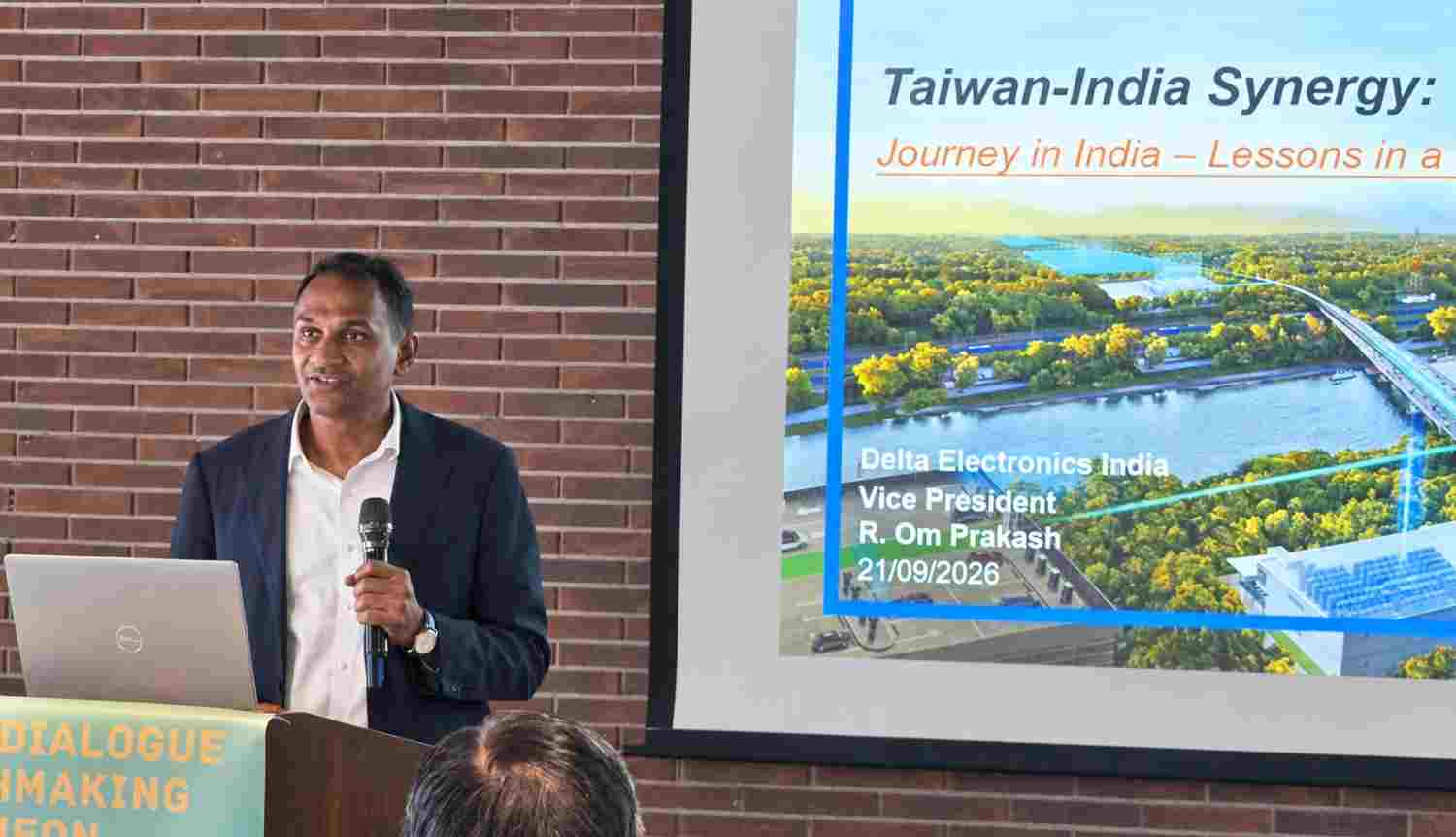
The programme also included addresses by R. Om Prakash, Vice President–GR and NBI at Delta Electronics India, and Amrit Manwani, Chairman of Sahasra Group of Companies. Representatives of major Indian industry associations—including Subash Sapru, Senior Director at CII; Gurmeet Singh of the Electronics and Computer Software Export Promotion Council; and ELCINA Secretary General Rajoo Goel—also participated.
The gathering concluded with a networking luncheon and direct matchmaking sessions between Taiwanese technology providers and Indian businesses, turning the forum’s central proposition—moving from dialogue to commercial action—into its immediate focus.