Hyundai Chief Sees GST Reforms Driving Auto Affordability and Growth
Unsoo Kim welcomes the government’s landmark tax overhaul, promises expansion and innovation as Hyundai gears up for the next phase in India’s mobility market.

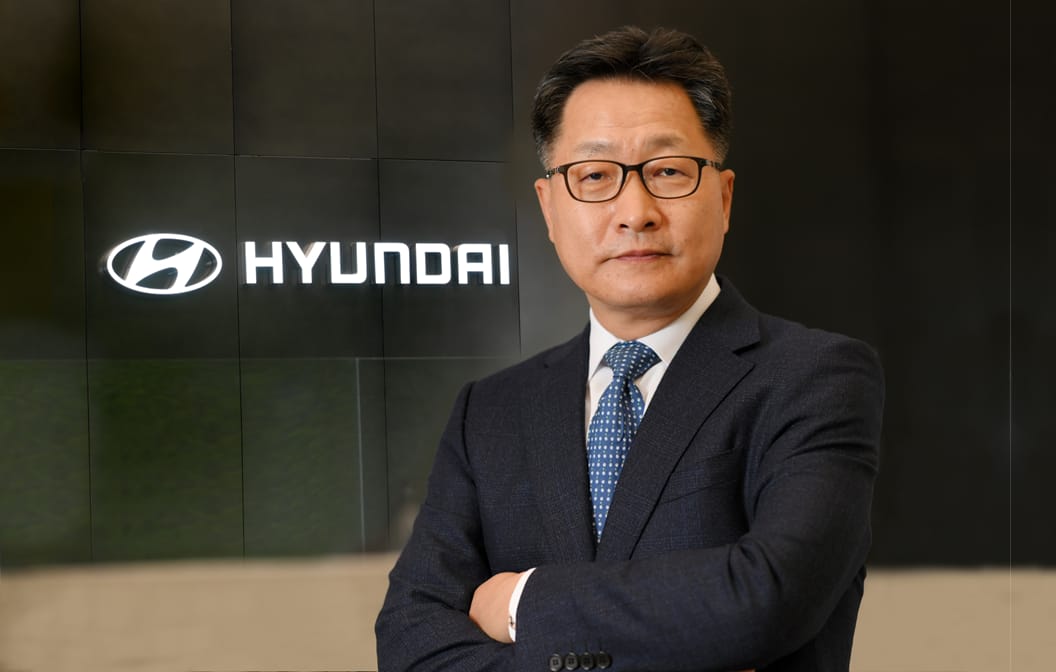
New Delhi, September 5, 2025 — Hyundai Motor India Managing Director Unsoo Kim has hailed the government’s recent GST reforms as a transformative step for the automotive industry, stating that “the reduction in tax burden on nearly 60% of our car lineup will make high-quality vehicles accessible for a broader audience and invigorate consumer confidence.” Kim called the reforms a catalyst for inclusive growth, positioning India’s auto sector at the centre of a buoyant, consumption-led economy.
In a statement, Unsoo Kim said, “We at Hyundai Motor India Limited (HMIL) welcome the landmark GST reforms announced by the Government of India. This revolutionary step will provide a strong impetus to the Indian economy, enhance buoyancy and further strengthen consumer confidence. By reducing the tax burden on essential goods, the Government has laid the foundation for inclusive growth and a robust, consumption-led economy.”
This optimism arrives amid Hyundai’s renewed commitment to the ‘Make in India’ vision and the national goal of ‘Viksit Bharat,’ with Kim revealing ambitious plans to expand manufacturing capacity and enhance export volumes in the coming years.
The GST overhaul comes at a crucial juncture, with regulatory measures easing pressures on both manufacturers and consumers, especially for internal combustion engine models now included in the lower tax bracket.
“The GST overhaul will directly benefit the automotive sector. The announced reforms align seamlessly with the Government’s commitment to Viksit Bharat and the Make in India initiative, encouraging domestic manufacturing and boosting demand across both urban and rural markets. Notably, 60% of our ICE portfolio will now fall under the 18% slab rate, with the remainder at 40%. HMIL remains committed to supporting the Government of India’s vision and contributing meaningfully to the nation’s journey toward becoming a global manufacturing powerhouse,” he added.
Hyundai’s strategy aligns closely with ongoing changes in market dynamics and consumer sentiment. The company is set to launch twenty-six new vehicles, including electric and hybrid models, by 2030.
As part of its mid-term growth blueprint, Hyundai will open its first Investor Day this September to outline new product launches and localisation priorities.
Industry analysts suggest that Hyundai’s enthusiastic response to GST reforms signals both increased affordability for Indian buyers and a robust future for domestic auto manufacturing. With these reforms and expansion plans, Hyundai looks poised to play a defining role in India’s evolving mobility landscape.